




Engine Technology Forum Launches SCR, DEF Resource Center Amid Emissions Debate
The Engine Technology Forum’s new online hub aims to provide fleets, policymakers, and equipment owners with fact-based information about selective catalytic reduction technology, diesel exhaust fluid and emissions compliance.

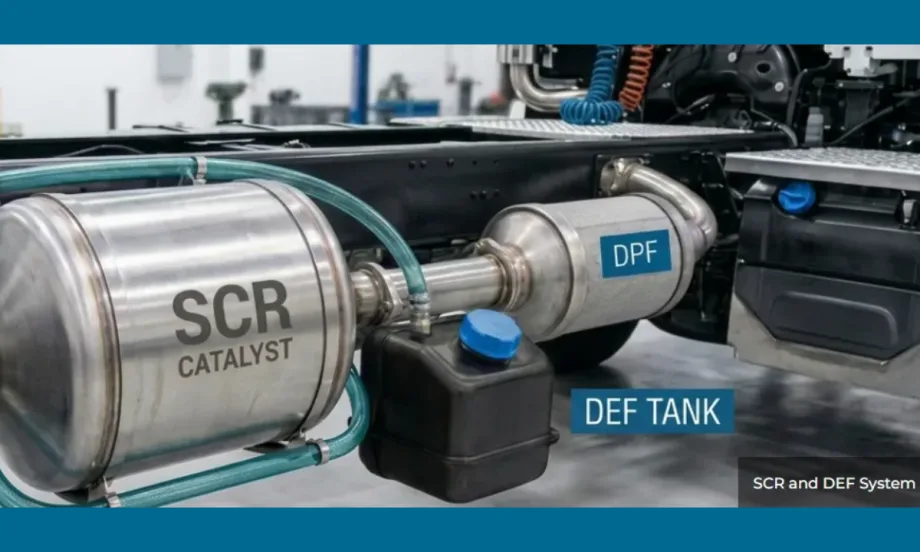
The need for more information on diesel exhaust aftertreatment systems has prompted the Engine Technology Forum to establish a new resource center focused on EGR, SCR and DEF.
Engine Technology Forum
- The Engine Technology Forum has launched an online hub aimed at providing essential information on selective catalytic reduction technology.
- The new resource center offers fact-based details for fleets, policymakers, and equipment owners about diesel exhaust fluid.
- This initiative is designed to assist stakeholders in understanding emissions compliance amid ongoing emissions debates.
*Summarized by AI
The Engine Technology Forum has launched a new online resource center dedicated to selective catalytic reduction (SCR) systems and diesel exhaust fluid (DEF). The advocacy group said the new resource center will provide a centralized source of technical, policy, and educational information on emissions-control technologies used in modern diesel engines.
The SCR & DEF Policy and Technical Resource Center compiles fact sheets, webinars, expert commentary, policy analysis, and media coverage on diesel exhaust aftertreatment systems. Its goal is to help fleet operators, equipment owners, regulators, and the public better understand how the technologies work and why they remain central to reducing diesel emissions.
Addressing Questions About Emissions Systems
"As discussions around emissions, regulations, and technology continue to evolve, there is a growing need for accurate, technology-based information," said Allen Schaeffer, executive director of the Engine Technology Forum.
"This new Resource Center serves as a one-stop destination for policymakers, fleet operators, equipment owners, and the public to better understand how SCR and DEF systems work, why they matter, and how they support environmental and economic goals."
The launch comes as emissions-control systems continue to attract scrutiny from regulators, policymakers, and some vehicle owners.
According to ETF, increasing questions about system operation, maintenance requirements, compliance obligations, and emissions-system tampering have highlighted the need for more accessible technical information.
The new resource center includes information designed to explain SCR and DEF operation, summarize Environmental Protection Agency guidance, address common misconceptions about emissions controls, and examine the role of advanced diesel technology in industries ranging from trucking and construction to agriculture and power generation.
One Stop for Technical, Regulatory Information
The website features several categories of content, including technical fact sheets, educational webinars, policy-focused blog posts, and curated media coverage.
ETF said the materials are intended to provide a science-based perspective on the benefits and challenges associated with SCR and DEF systems, including their impact on emissions reduction, fuel economy, engine durability, and regulatory compliance.
The organization hopes the consolidated platform will support informed decision-making among fleets and other stakeholders as emissions regulations continue to evolve.
Modern Diesel's Role in Lower-Emission Operations
ETF noted that SCR and DEF technologies have helped diesel engines dramatically reduce emissions over the past decade while preserving the productivity, reliability, and fuel economy demanded by commercial transportation and heavy equipment applications.
SCR systems use DEF to convert nitrogen oxide (NOx) emissions into nitrogen and water vapor before they exit the exhaust stream.
The technology has been widely deployed across heavy-duty diesel applications for more than a decade and is considered one of the industry's primary tools for achieving near-zero NOx emissions while maintaining engine performance and fuel efficiency.
The organization said those capabilities remain important as trucking fleets and other diesel-dependent industries balance environmental goals with operational requirements.
The SCR & DEF Policy and Technical Resource Center is now available at the Engine Technology Forum website.
More Equipment
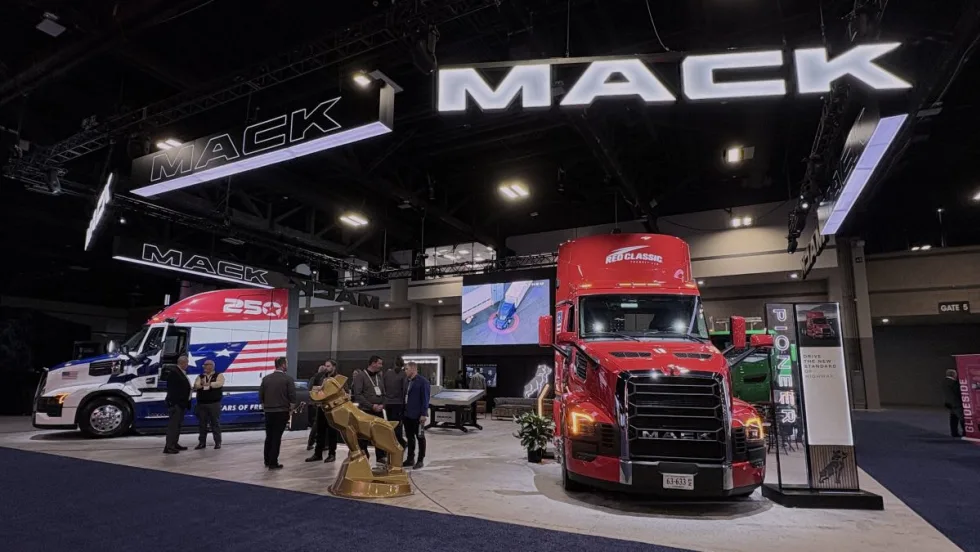
Trucks at ATA's 2026 MC&E in Charlotte, North Carolina [Photos]
From rigs decked out in patriotic America's 250 paint schemes to autonomous trucks and more, check out these photos from ATA's 2026 Management Conference & Exhibition.
Read More →
Help HDT Find Trucking’s Top Products
Have you come across a new product that could make a difference for trucking fleets? Nominate it for HDT’s 2027 Top 20 Products Awards by November 9.
Read More →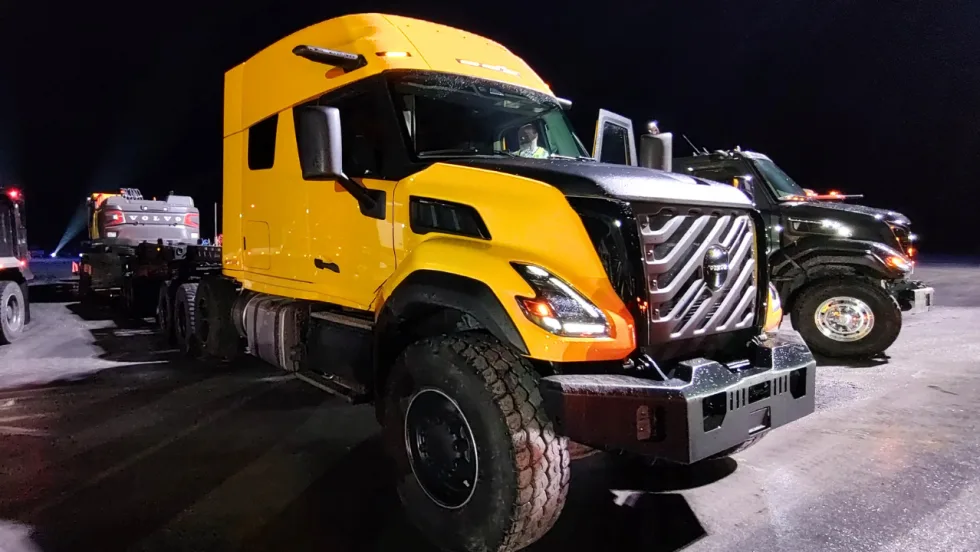
Volvo Unveils New VNX Heavy-Haul and Vocational Truck
Volvo Trucks has launched the VNX, a new vocational truck also available as a tractor in day cab and two sleeper configurations, with one heavy-haul model. The Volvo VNX is powered by Volvo's D13 platform, which delivers up to 540 horsepower and 1,950 pound-feet of torque and is EPA 2027-compliant.
Read More →
How GP Transco Cuts Trucking Fuel Costs, a Tenth of a Gallon at a Time
What’s another tenth of a mile per gallon worth? GP Transco shares how equipment upgrades and driver coaching turn small gains into meaningful fuel savings.
Read More →
Electric Yard Tractors Move Beyond Pilots
Operating-cost savings have overtaken sustainability goals as the leading reason surveyed fleets are adopting battery-electric terminal tractors, according to new NACFE research.
Read More →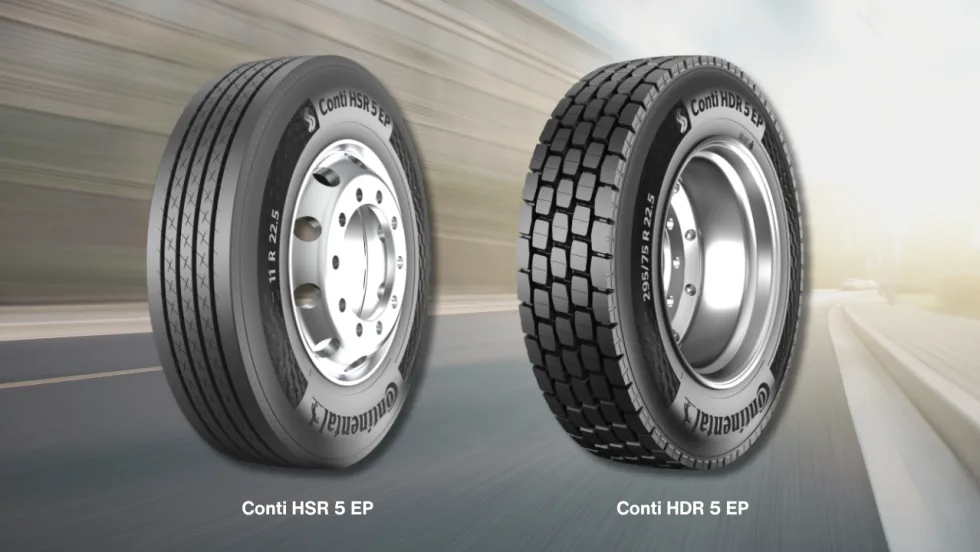
Continental Introduces New Regional Truck Tires
Continental says its new Generation 5 steer and drive tires for regional operations offer longer tread life, with estimated mileage gains of 22% and 19%, respectively.
Read More →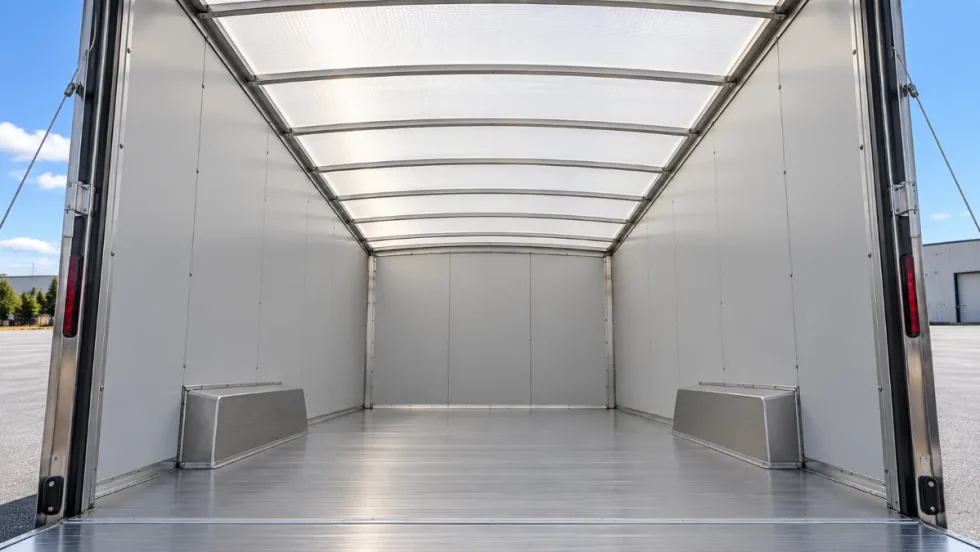
Tekmodo Introduces CargoBright Brand for Translucent Trailer Roofs
CargoBright is designed to diffuse daylight across the cargo area while performing as a working vehicle roof.
Read More →
Fleet Economics Shape Electric Truck Outlook
ACT Research expects costs, charging infrastructure, and technology improvements to drive zero-emission commercial vehicle adoption as federal regulations and incentives retreat.
Read More →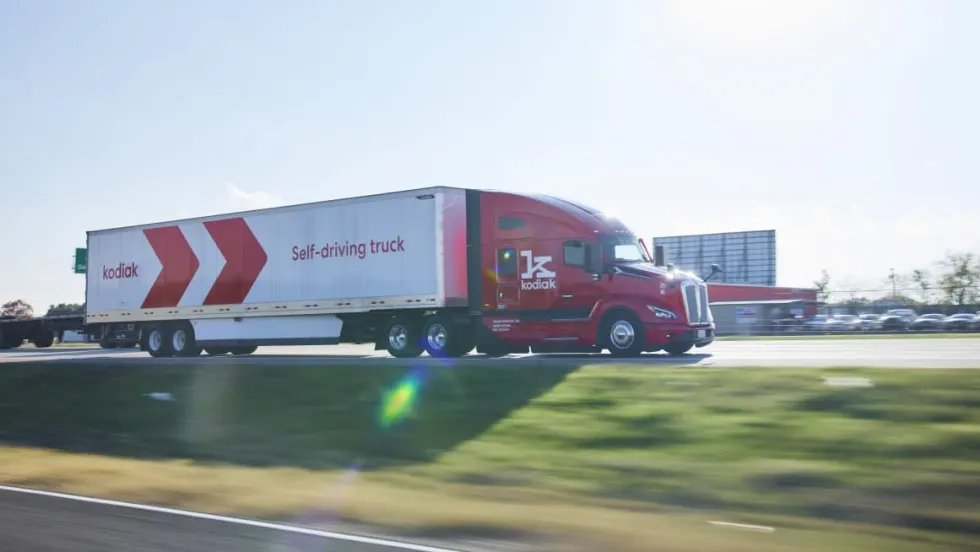
Kodiak Targets Dallas–Houston for Driverless Trucks
The company says its autonomous trucks are completing the I-45 run without a safety observer taking control. It plans to remove the observer by the end of 2026.
Read More →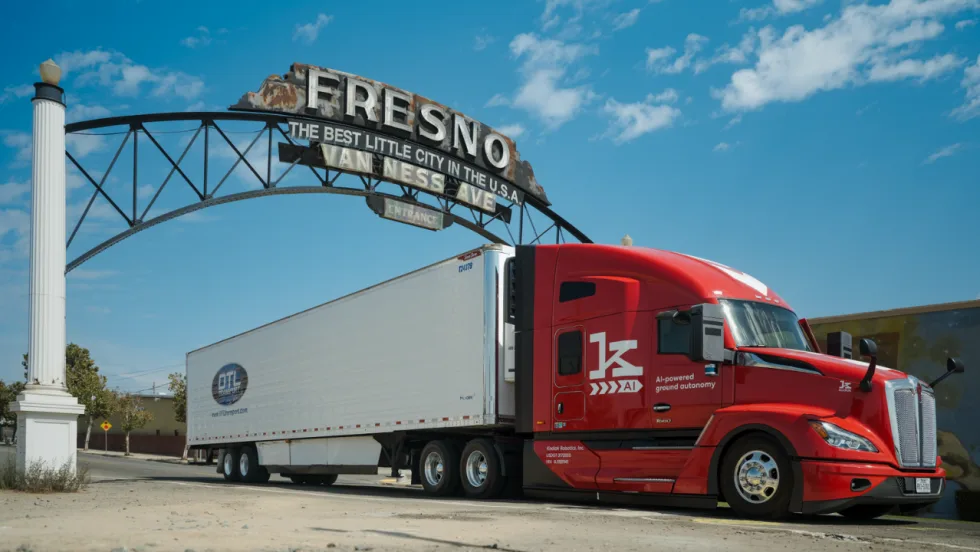
Kodiak Hauls Produce in California Autonomous Truck Pilot
Kodiak AI and DTL Transport have begun hauling produce between Fresno and Los Angeles under California’s new rules for testing heavy-duty autonomous trucks. A safety driver remains behind the wheel.
Read More →