





How Polaris Transportation Drives Cross-Border Logistics Success
What the U.S.-Canada Trade War Means for Trucking
Escalating U.S.-Canada tariffs could disrupt cross-border freight, reduce truck volumes, raise costs, and create new uncertainty for carriers on both sides of the border.
August 24, 2026

The two countries had appeared close to an agreement before negotiations collapsed.
Credit:
Heavy Duty Trucking
4 min to read
Medium- and heavy-duty truck tariffs were among the major sticking points in U.S.-Canada trade talks last week, which broke down Friday, ratcheting up trade tensions between the two countries.
After talks fell through on August 25, President Trump imposed 50% tariffs on $20 billion of the country’s exports on Saturday. Canadian Prime Minister Mark Carney responded by saying the longtime allies were “at war” over trade and announced dollar-for-dollar retaliatory tariffs on American goods starting Sept. 8.
The two countries had appeared close to an agreement before negotiations collapsed late Friday. Although several issues remained unresolved, tariffs on medium- and heavy-duty vehicles were reportedly among the sticking points.
The escalating dispute also raises new questions about the future of the U.S.-Mexico-Canada Agreement, which governs trade among the three countries.
Trump Targets Canadian Auto Industry
On Monday, Trump said tariffs on Canadian “cars, trucks, both large and small,” automotive parts and steel would increase to 50% on January 1.
It was not immediately clear whether the reference to large trucks includes Class 8 commercial vehicles.
Medium- and heavy-duty trucks already are subject to a separate 25% Section 232 tariff imposed in 2025. That tariff explicitly covers Classes 3 through 8, although USMCA-compliant trucks receive special treatment based on their U.S. content.
What Went Wrong?
Each side blamed the other for tanking the deal.
According to reporting by Bloomberg, Reuters, and Politico, the talks collapsed in part over cutting U.S. tariffs on Canadian medium- and heavy-duty vehicles.
Under the deal negotiators were hammering out, the regular auto tariff would have been lowered to 15% from the current 25%. Canada wanted that relief expanded to medium- and heavy-duty vehicles.
On August 26, U.S. Trade Representative Jamieson Greer said the administration had been clear during the failed Canada negotiations that medium- and heavy-duty trucks would not receive the tariff relief being discussed for cars and light trucks.
Trucking stocks fell the Monday after the deal fell apart as investors reacted to the tariff tensions. MarketWatch reported that J.B. Hunt shares were down 5.1%, FedEx Freight 4.5%, Landstar 4.1%, and Old Dominion 2.4%. MarketWatch specifically attributed the trucking selloff to concerns that the trade war will reduce cross-border freight volumes.
Trade War Effects on Trucking
Transportation and warehousing are already among the sectors economists say are absorbing the largest disruptions from this trade fight, according to reporting on the tariff standoff.
The Alabama Trucking Association observed that even though it isn’t a border state, the state's trucking industry "is deeply wired into North American auto manufacturing."
Mercedes-Benz, Hyundai, Honda, and Mazda Toyota plants in the state "all depend on parts and finished vehicles moving across the U.S.-Canada border as part of an integrated supply chain that doesn’t care about state lines.
"When tariffs on autos and auto parts swing 35 points inside a single news cycle, the freight that keeps those Alabama plants running gets more expensive and less predictable to move."
The Canadian Trucking Alliance warned that a prolonged trade war could create problems for trucking on both sides of the border.
If Canadian exports to the U.S. decline, Canadian fleets will not only have fewer southbound loads. That also means fewer Canadian trucks will be in the U.S. and available to haul American goods northbound.
The result could be an equipment imbalance that makes cross-border freight harder and more expensive to move, according to the association.
CTA argues that trucking needs to be part of any government response to industries hurt by tariffs or declining trade. In past economic support programs, it said, trucking often was overlooked, even though carriers felt the effects when customers cut production and freight volumes fell.
The association's broader message is that trucking can’t be treated simply as a downstream casualty of a trade war. Because trucks connect manufacturers, suppliers, and customers across North America, disruptions to trade can quickly ripple through freight networks and carrier operations.
Editor's Note: Updated 10:30 a.m. EDT August 25 to add comment from Alabama Trucking Association. Updated 2:00 p.m. EDT August 31 to add a comment from U.S. trade representative.
More Equipment

Electric Yard Tractors Move Beyond Pilots
Operating-cost savings have overtaken sustainability goals as the leading reason surveyed fleets are adopting battery-electric terminal tractors, according to new NACFE research.
Read More →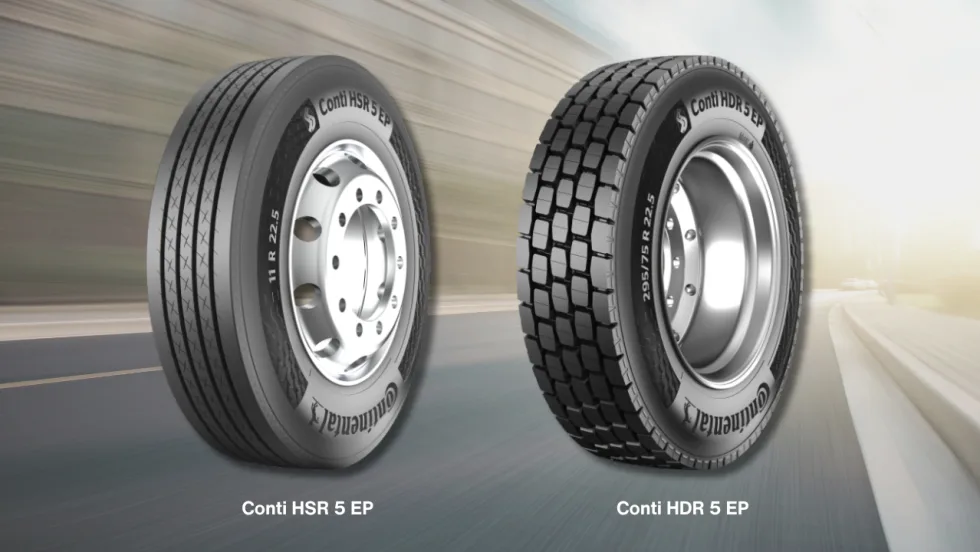
Continental Introduces New Regional Truck Tires
Continental says its new Generation 5 steer and drive tires for regional operations offer longer tread life, with estimated mileage gains of 22% and 19%, respectively.
Read More →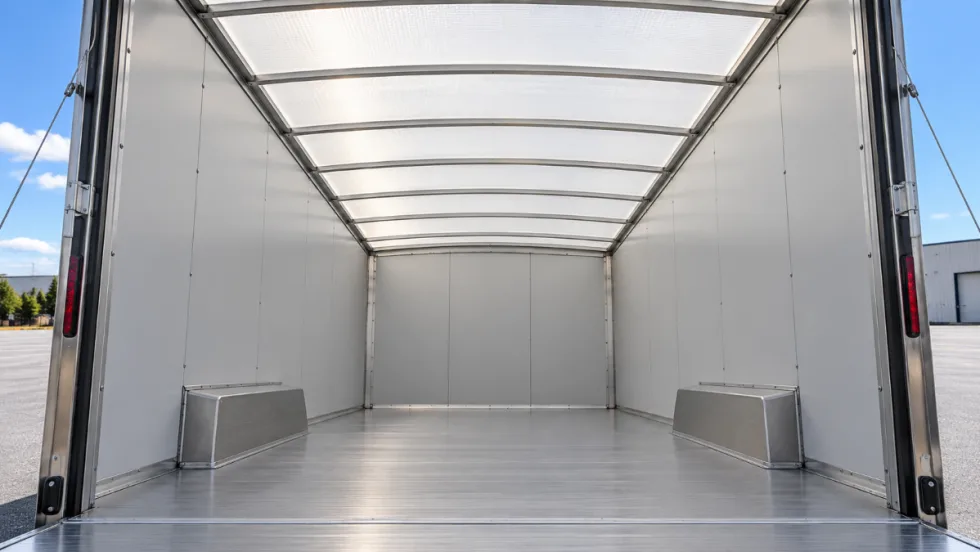
Tekmodo Introduces CargoBright Brand for Translucent Trailer Roofs
CargoBright is designed to diffuse daylight across the cargo area while performing as a working vehicle roof.
Read More →
Fleet Economics Shape Electric Truck Outlook
ACT Research expects costs, charging infrastructure, and technology improvements to drive zero-emission commercial vehicle adoption as federal regulations and incentives retreat.
Read More →
Kodiak Targets Dallas–Houston for Driverless Trucks
The company says its autonomous trucks are completing the I-45 run without a safety observer taking control. It plans to remove the observer by the end of 2026.
Read More →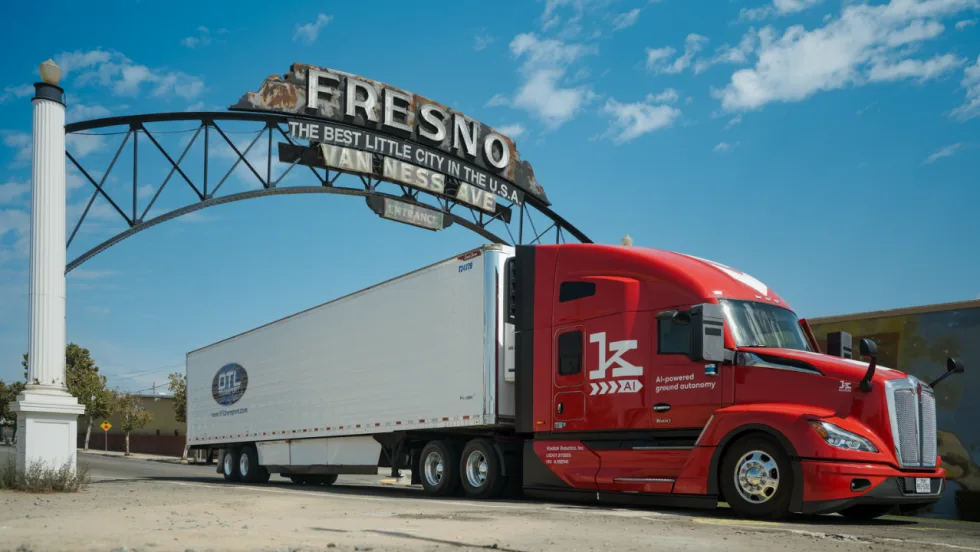
Kodiak Hauls Produce in California Autonomous Truck Pilot
Kodiak AI and DTL Transport have begun hauling produce between Fresno and Los Angeles under California’s new rules for testing heavy-duty autonomous trucks. A safety driver remains behind the wheel.
Read More →
Used-Truck Remarketing Math Is Changing
Used-truck value is no longer just a concern at trade-in. Decisions made throughout a truck’s first life can influence what it’s worth years later.
Read More →
How Volvo Updated Its D13 for EPA 2027 [Watch]
Volvo’s updated D13 promises lower emissions without sacrificing performance or fuel economy. Take a closer look at what changed inside the engine in this HDT Spotlight video.
Read More →
Michelin Tire Improves Efficiency and Durability for Regional Fleets
The Michelin X Multi Energy D2 is a regional haul drive tire engineered to help fleets improve fuel efficiency, durability and traction in demanding stop-and-go operations.
Read More →
ZF Expands Commercial Vehicle Push in North America
ZF is expanding its North American commercial-vehicle presence with new transmission applications, electrification, trailer technology and autonomous-driving systems.
Read More →