




Freightliner to Offer Cummins X15N Natural Gas Engine
Freightliner will offer an option in 2025 for a Cascadia powered by the Cummins X15N, a natural-gas engine designed with heavy-duty, on-highway truck operations in mind.

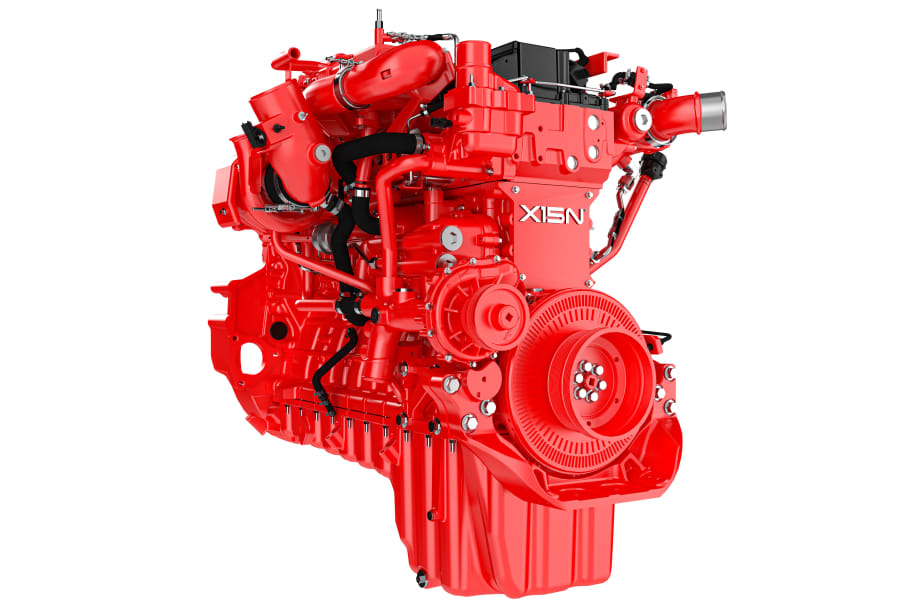
The Cummins X15N natural gas engine will be available in Freightliner Cascadias in 2025.
Photo: Cummins
Freightliner is working with Cummins to offer the new Cummins X15N natural gas engine in its heavy-duty Freightliner Cascadia trucks.
The X15N is the first natural gas engine designed specifically for heavy-duty and on-highway truck applications, Cummins said, with 400 to 500 hp and 1,450 to 1,850 lb-ft of torque.
“We have a number of customers that continue to run natural gas trucks today, and our goal is to provide those customers with the products, like the X15N, they need to operate successfully for their business,” said Greg Treinen, vice president, on-highway market development, Daimler Truck North America. “The new X15N natural gas engine option for our Freightliner Cascadias complements our portfolio of solutions that help our customers run their fleets efficiently and sustainably.”
Freightliner will offer the new X15N in the Cascadia 126-inch BBC, in both sleeper and day cab configurations. Production is targeted to begin in 2025.
“Our end-user customers are looking for ways to achieve their sustainability goals, and the X15N is essential to our commitment to help customers reach net-zero greenhouse gas emissions and improve NOx,” said José Samperio, vice president and general manager, North America On-Highway, Cummins.
“The X15N, an industry-first big bore natural gas powertrain with power and torque curves almost identical to diesel, will help long-haul fleets see improved economic and environmental performance.”
When operating on renewable natural gas, also known as RNG or biomethane, the X15N engine can significantly reduce lifecycle greenhouse gas emissions of heavy-duty trucks, reported Freightliner. This can range from a 90% reduction to carbon neutral, or even carbon negative, depending on the bio-source and waste feedstock used to produce the fuel.
The new X15N achieves lower NOx levels than the 2024 EPA and California Air Resources Board standards.
The X15N delivers 1,850 lb-ft. of peak torque output, which Freightliner said will allow for optimum performance when paired with the Eaton Cummins Endurant HD N Transmission and the availability of optimized EX ratings.
More Fuel Smarts

Trucking’s Diesel Squeeze Isn’t Letting Up
With diesel topping $6 a gallon nationally, ATA's Bob Costello explains why fleets should prepare for continued pressure at the pump.
Read More →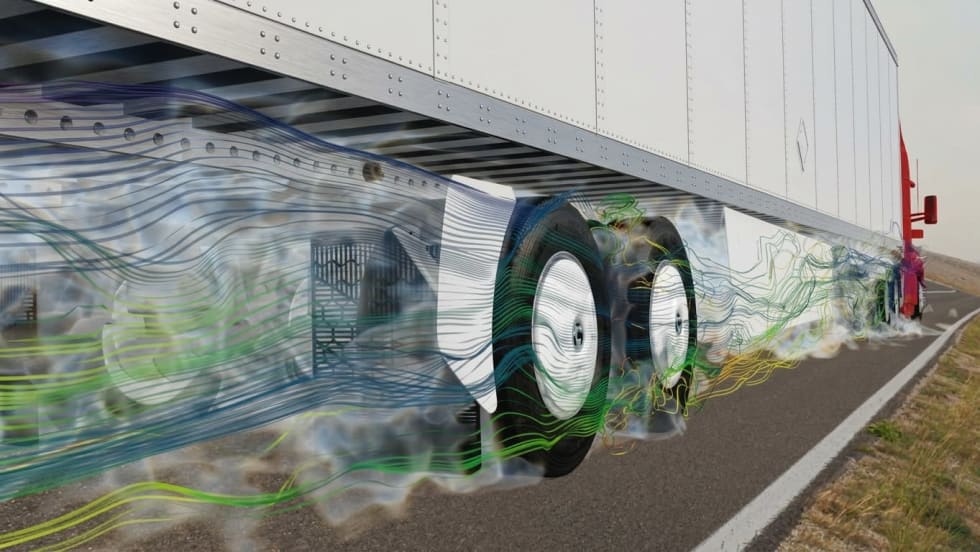
FlowBelow Redesigns Trailer AeroSlider to Cut Fuel Use
The lighter trailer aerodynamic system installs in less than 45 minutes, according to the company, with potential payback in under a year depending on fuel prices and trailer mileage.
Read More →
Why Diesel Price Relief Efforts May Fall Short
Diesel prices have eased from September’s record high, but doubts about additional Russian supply and limits on dyed-diesel tax relief mean trucking fleets still face expensive fuel. And prices could go higher.
Read More →
Why Small Fuel Savings Matter in Trucking
Can better fuel economy help pay for driver raises? In this podcast, GP Transco explains how small efficiency gains create room to reinvest in its people.
Read More →
How GP Transco Cuts Trucking Fuel Costs, a Tenth of a Gallon at a Time
What’s another tenth of a mile per gallon worth? GP Transco shares how equipment upgrades and driver coaching turn small gains into meaningful fuel savings.
Read More →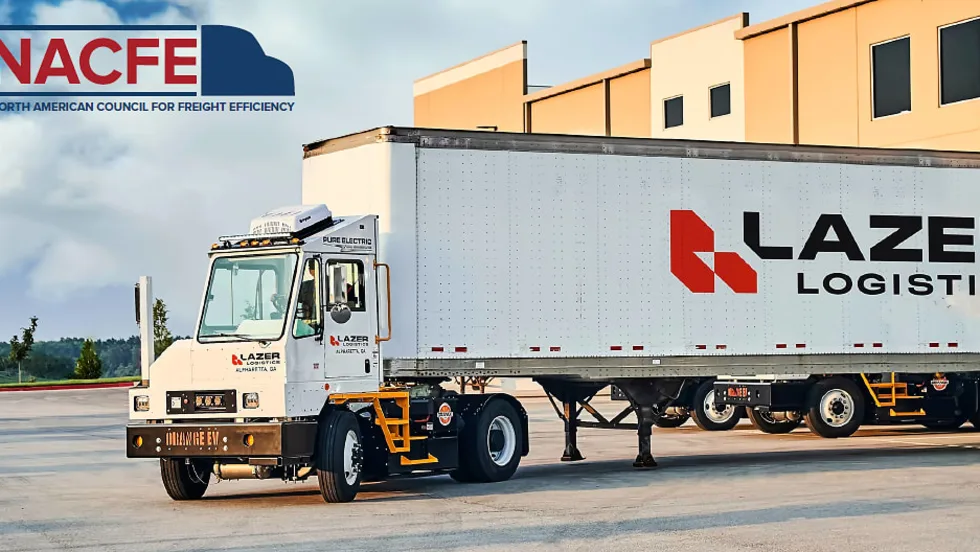
Electric Yard Tractors Move Beyond Pilots
Operating-cost savings have overtaken sustainability goals as the leading reason surveyed fleets are adopting battery-electric terminal tractors, according to new NACFE research.
Read More →
Geotab Links Fleet Card to Vehicle Data
The new card combines fuel discounts with telematics-based purchase controls. Geotab’s analysis also points to potential savings from choosing lower-priced fuel stops.
Read More →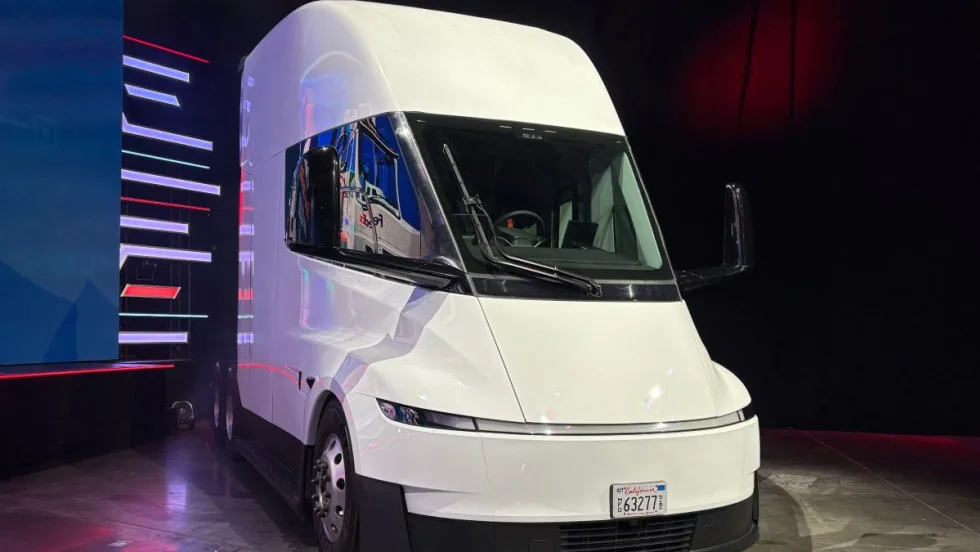
Fleet Economics Shape Electric Truck Outlook
ACT Research expects costs, charging infrastructure, and technology improvements to drive zero-emission commercial vehicle adoption as federal regulations and incentives retreat.
Read More →
Wex Adds Cardless Fuel Payments for Over-the-Road Customers
A new fuel card feature for Wex customers offers convenience and security.
Read More →
New California Law Could Shed Light on Electric Truck Prices
Why do battery-electric Class 8 trucks remain so expensive? A California bill signed by Gov. Gavin Newsom would give fleets and state agencies more visibility into what manufacturers charge.
Read More →