




Knight Transportation Testing Cummins’ X15N Natural Gas Powertrains in California
Arizona-based Knight Transportation, part of Knight-Swift Transportation Holdings, has been testing Cummins’ new X15N natural gas engine in Southern California.

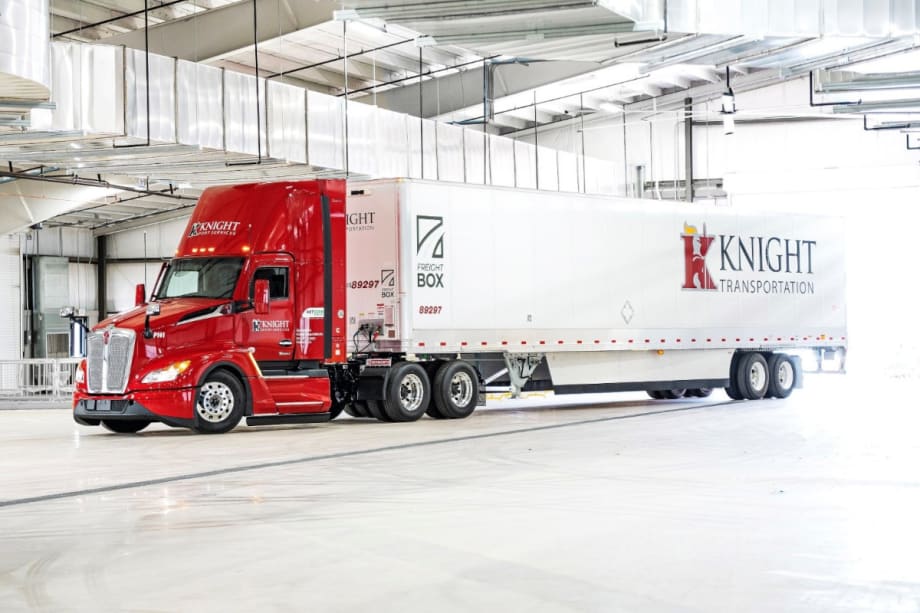
Knight Transportation is testing Cummins’ X15N powertrain in California.
Photo: Knight Transportation
Arizona-based Knight Transportation, part of Knight-Swift Transportation Holdings, has been testing Cummins’ new X15N natural gas engine in Southern California. The truck is fueled by ultra-low carbon renewable natural gas (RNG) by Clean Energy’s station in Carson, California.
The field testing with Knight-Swift will continue through full production of the X15N powertrain in 2024. Knight Swift’s goal is to reduce CO2 emissions generated from the KNX fleet by 50% by 2035.
“We must ensure we are utilizing the most reliable and efficient technologies possible that help us reduce our carbon footprint,” said Dave Williams, Knight-Swift Transportation’s senior vice president of equipment and government relations. “We value our collaboration with Cummins and are encouraged by what we have seen so far with the 15L renewable natural gas technology.”
Coming to market in 2024, the Cummins X15N natural gas engine is expected to deliver diesel-like ratings, durability, and reliability to allow fleets to significantly reduce their carbon footprint without sacrificing capability.
“Arizonans understand how critical equipment costs are to running a business. Renewable natural gas is something we can utilize now with very measurable benefits to both the environment and the economy. This investment will help Arizona truckers adopt low-cost advanced technology,” said Congresswoman Debbie Lesko, who represents Arizona’s 8th Congressional District and serves on the U.S. House Committee on Energy and Commerce.
Negative carbon intensity RNG is created by trapping methane at its biogenic source, preventing it from escaping to the atmosphere, and turning it into transportation-grade renewable fuel, said Derick Turbide, Clean Energy vice president.
“The feedback in the development process is invaluable to the product's long-term success for our customers. The suite of integrated Cummins technologies used on these trucks from engine, aftertreatment, and fuel storage to transmission, axles, and the digital features that pull them all together in their most optimized form demonstrates the value of our next generation of product to our customers,” said José Samperio, vice president North American On-Highway Business, Cummins.
More Fuel Smarts
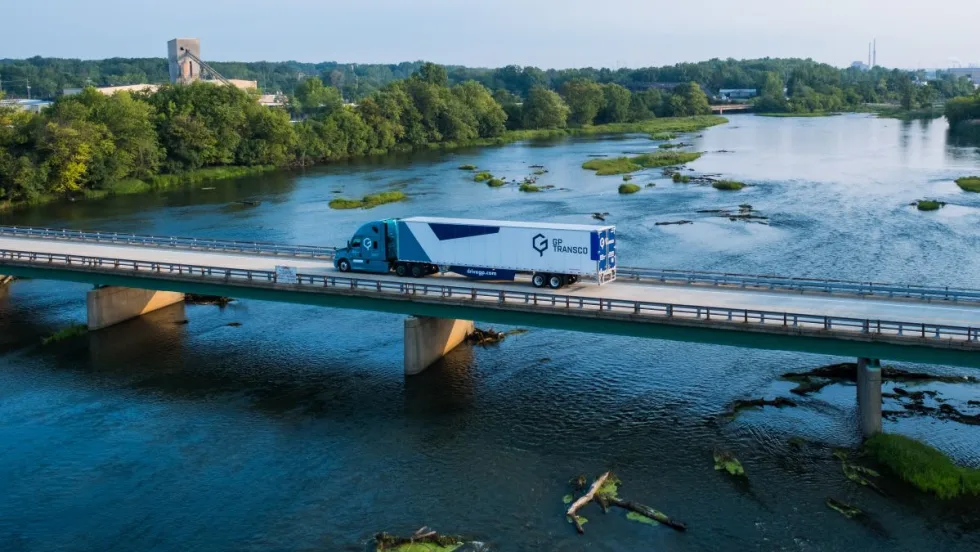
How GP Transco Builds Fuel Savings a Fraction at a Time
Aerodynamic specs, solar panels, and driver incentives help GP Transco turn small efficiency gains into savings it can reinvest in its people.
Read More →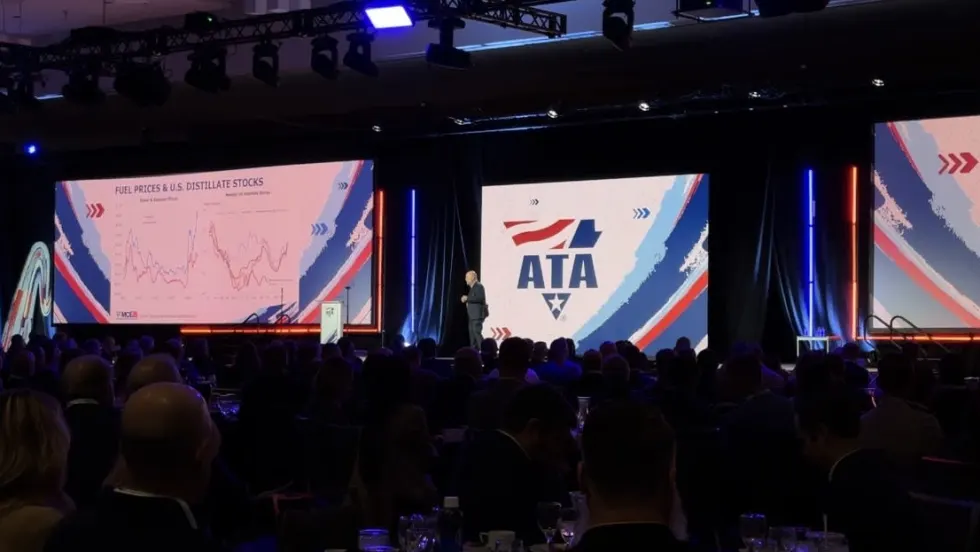
Trucking’s Diesel Squeeze Isn’t Letting Up
With diesel topping $6 a gallon nationally, ATA's Bob Costello explains why fleets should prepare for continued pressure at the pump.
Read More →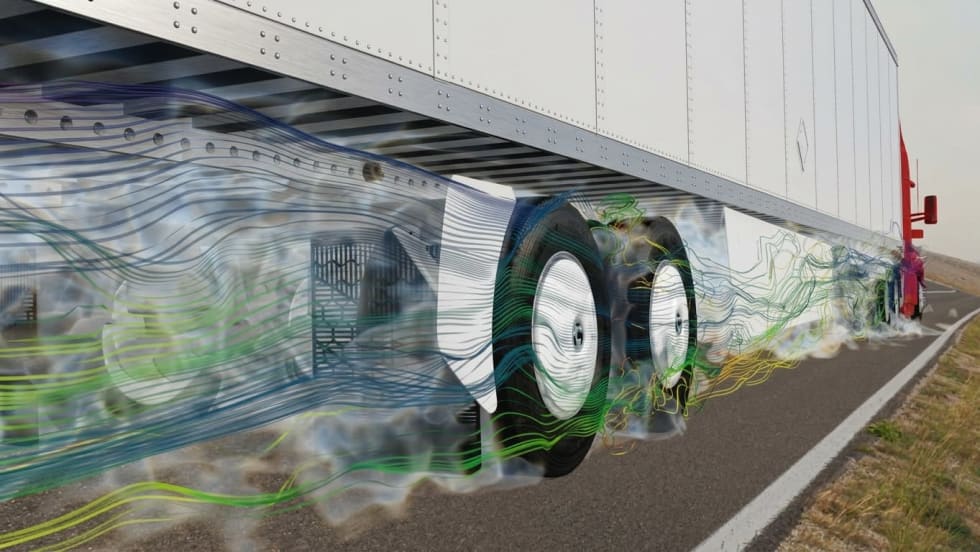
FlowBelow Redesigns Trailer AeroSlider to Cut Fuel Use
The lighter trailer aerodynamic system installs in less than 45 minutes, according to the company, with potential payback in under a year depending on fuel prices and trailer mileage.
Read More →
Why Diesel Price Relief Efforts May Fall Short
Diesel prices have eased from September’s record high, but doubts about additional Russian supply and limits on dyed-diesel tax relief mean trucking fleets still face expensive fuel. And prices could go higher.
Read More →
Why Small Fuel Savings Matter in Trucking
Can better fuel economy help pay for driver raises? In this podcast, GP Transco explains how small efficiency gains create room to reinvest in its people.
Read More →
How GP Transco Cuts Trucking Fuel Costs, a Tenth of a Gallon at a Time
What’s another tenth of a mile per gallon worth? GP Transco shares how equipment upgrades and driver coaching turn small gains into meaningful fuel savings.
Read More →
Electric Yard Tractors Move Beyond Pilots
Operating-cost savings have overtaken sustainability goals as the leading reason surveyed fleets are adopting battery-electric terminal tractors, according to new NACFE research.
Read More →
Geotab Links Fleet Card to Vehicle Data
The new card combines fuel discounts with telematics-based purchase controls. Geotab’s analysis also points to potential savings from choosing lower-priced fuel stops.
Read More →
Fleet Economics Shape Electric Truck Outlook
ACT Research expects costs, charging infrastructure, and technology improvements to drive zero-emission commercial vehicle adoption as federal regulations and incentives retreat.
Read More →
Wex Adds Cardless Fuel Payments for Over-the-Road Customers
A new fuel card feature for Wex customers offers convenience and security.
Read More →