August 1, 2026
How Innovative Trucking Leaders Turn Change Into an Advantage
As the pace of change accelerates in trucking, the fleets that adapt best have more than the latest technology. They have cultures that embrace improvement.
Credit:
Heavy Duty Trucking
6 min to read
- Innovative trucking fleets succeed by integrating adaptive cultures alongside technological advancements.
- Embracing a culture of continuous improvement is essential for trucking fleets to thrive amid rapid industry changes.
- Companies that foster flexible and improvement-oriented cultures leverage change as a strategic advantage.
*Summarized by AI
A quip I hear more and more these days is that, “The only thing constant in trucking is change.”
Changing regulations. Changes in how people buy the things that create the freight the industry moves. Changes in the economic and business environment. “Disruptions.”
At the same time, the new technologies promising to improve safety, efficiency, or profitability are coming at us faster and faster. Artificial intelligence. Electric trucks. Automation. Advanced safety systems.
For decades, trucking had a reputation for resisting change; an attitude of “why fix something that’s not broken.”
At the same time, there always have been innovative leaders willing to break out of the status quo.
Today's fleet leaders are juggling artificial intelligence, electrification, automation, cybersecurity, increasingly sophisticated safety technology, evolving emissions regulations, and an uncertain economy. They barely have time to adapt to one major change before another arrives.
It Starts With a Problem
I’ve interviewed many HDT Truck Fleet Innovators and finalists over the years, and there’s a common theme: Innovation is not just about one invention or being an early adopter of the latest technology. It’s about figuring out how to solve problems and take advantage of opportunities.
This year's Truck Fleet Innovator finalists, even though they’re using technology such as artificial intelligence and electric trucks, are building organizations willing to embrace change — and to drive it.
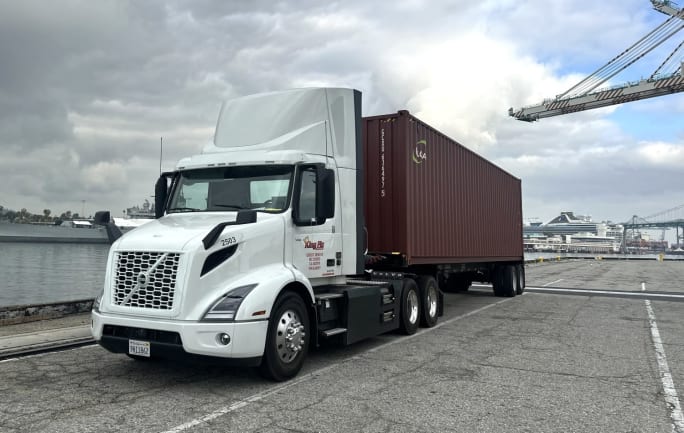
When Jennie Abarca started adding electric trucks to the King Fio Trucking fleet, she relied on her most experienced drivers to help get other drivers excited about the change.
Credit:
King Fio Trucking
Innovation Doesn't Start in the Executive Office
Truly innovative companies are those where people are encouraged to question assumptions, solve problems and look for better ways to do the job. If innovation is just a function of the C-suite, you’re missing out.
This has become even more important as the pace of change has accelerated. To stay competitive and get ahead in that kind of environment, you want all the innovative ideas you can get.
One misconception about innovation is that it begins with a breakthrough idea from senior leadership.
But improvement often starts with someone asking a simple question: Why do we do it this way?
That might be the owner or CEO, but it might be a driver, a dispatcher, a technician, or a safety manager. The important part isn't who asked the question. It's how you respond.
Change Is Easier When People Understand the "Why"
Fleet managers sometimes assume resistance to change means employees don't like new technology.
My conversations with this year’s Innovator nominees and other successful, forward-looking fleets over the years point to a key factor in the success of a new technology, new process, or other change: People will better embrace change when they understand why the change is happening and how it helps them do their jobs better.
That’s why communication is so important. Not as a one-time announcement, but as an ongoing conversation. Before, during, and after a change, as well as throughout everyday operations.
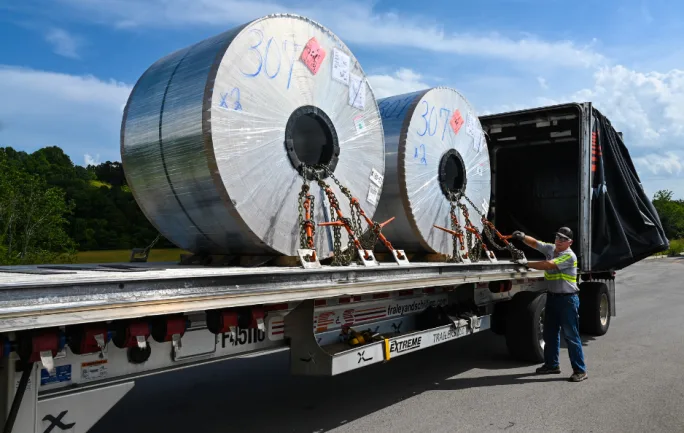
Driver communication was key at Fraley & Schilling when implementing an AI dispatch system.
Credit:
Courtesy Nicky Cupp
Nicky Cupp, director of continual improvement at Fraley & Schilling, cites the company’s former president. “He was like, ‘Communicate until it’s illegal. Communicate as much information as you can.’
“When we're making a change, we start with why,” she explains. “Why are we doing this? I think if people understand why you're doing something, they're more receptive.”
Some people, she adds, may need a little more communication than others.
“You have some people who say, ‘It has always been this way, it will always be this way,’” Cupp says. “But you work with them and you say, ‘I see that it takes you a lot of time to do this thing. And we could do this one little thing that might save you a lot of time every single week.’”
Understanding what a change means to them and how it can improve how they do their job can make all the difference.
Innovation Isn't About One Person or Department
Former Iowa commercial vehicle enforcement officer Lance Evans brought decades of regulatory experience to K&B Transportation, where he now heads up safety.
Yes, he’s been working to bring in technology such as intelligent speed management and AI-powered dash cams. But what may have been more important than the tech was how much safer the fleet became when every department became part of the safety conversation.
If a fleet depends only on its safety department for its safety performance, it’s not going to be successful. It takes everyone, whether they are in maintenance, operations, dispatch, recruiting; whether they’re behind the wheel, behind a desk, or in the corner office.
Deshon L. Brown, who heads up safety at Spur Freight, cautions against managing by dashboards alone.
CSA scores and violation rates matter, he says — but they're lagging indicators. They tell you what already happened.
Real safety comes from understanding what's happening before those numbers ever change. That means riding with drivers, bringing dispatchers into the conversation, and making sure leaders understand what work actually looks like on the road.
When introducing battery-electric trucks into her drayage fleet, Jennie Abarca, owner of King Fio Trucking, put her most seasoned drivers in the first trucks. Their enthusiasm carried more credibility with other drivers than a corporate presentation ever could. Before long, she had a waiting list of drivers wanting electric trucks.
People often trust respected peers more than executives, vendors, or official training materials.
Charles Tarbutton of B-H Transfer focused on hiring and communication so people understood themselves and one another better, changing how the organization worked together.
He introduced a culture index taken by every applicant and employee to help determine the best fit within the company. However, he says, “If you look at my culture index, I am not a change agent.”
But he is pretty analytical, so he can identify issues and areas that could be improved.
“I won't come up with the solution. I just can identify the problem. But I have some individuals on my team that are like, ‘Yeah, let me noodle on that for a couple of days, and I'll have some ideas.’
“My safety guy, he goes and rides his tractor cutting his hayfield, and he'll come back in Monday morning with an answer.”
Continuous Improvement and Learning from Failure
An organization can’t experiment effectively if employees fear being punished whenever a new process does not work perfectly. That’s simply a step in a continuous improvement process.
Tarbutton talked about humility, vulnerability, and allowing employees to make mistakes when they are genuinely trying something new. For instance, he said, the first version of the company’s in-house-developed driver scorecard “was not great.” But they kept improving it.
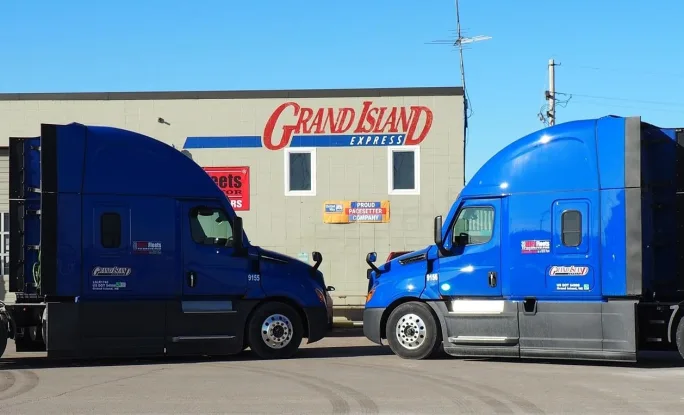
Grand Island Express Vice President Deen Albert says he learned during the company’s implementation of AI dispatch that not only is communication important in implementing change, but also the message framing itself is important.
Credit:
Courtesy Deen Albert
Grand Island Express Vice President Deen Albert says he’s always transparent with drivers, and always will be. But as he learned during the company’s implementation of AI dispatch, it’s also important how you frame the message.
“The messaging backfired a little bit initially,” he says. Drivers heard the buzzword “AI” and immediately filled in the blanks themselves, thinking “the computer's going to go crazy on us.”
“Our drivers understand it very well now, but we probably could have had a better launch had we changed the messaging a little bit to say ‘Yes, a computer is going to help us make decisions, but a person has the ultimate say.’”
Innovation and change is an ongoing process, not a single launch date.
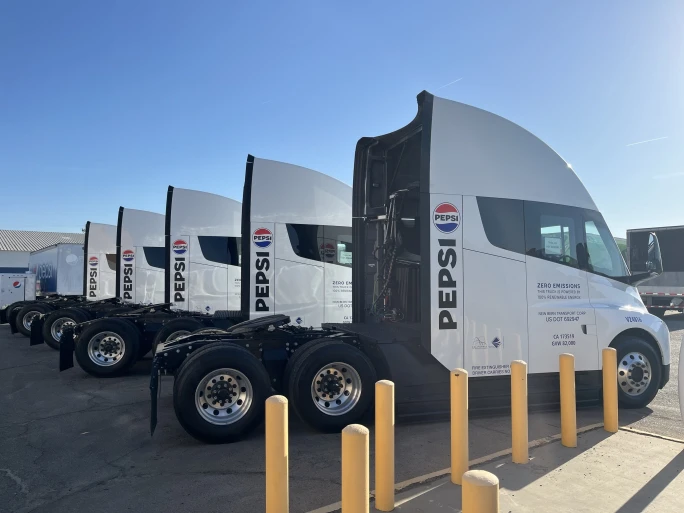
PepsiCo today is growing its fleet of electric trucks, including the Tesla Semi. But the company's electric-truck journey included learning lessons from early stumbles, such as investing in medium-duty electric trucks from a company that soon went out of business.
Credit:
PepsiCo
Faster and Faster
Every organization has a limit to how much change it can absorb at once. Push too fast, and people stop listening. Move too slowly, and competitors pass you.
Innovation has always mattered. What's changed is the speed.
A generation ago, a fleet might spend years adapting to a major shift in technology or regulation before the next one arrived. Today, they must juggle many of these challenges at once. Artificial intelligence is entering fleet operations even as companies are evaluating electric trucks, new safety systems, cybersecurity risks and changes in regulations.
No fleet can predict every change that's coming. Success lies in building a culture that's ready for whatever comes next.
As Deen Albert says, "You have to enjoy the discomfort of change a little bit... If you push against it, it will change on you anyway."
Quick Answers
Trucking companies can benefit from embracing change by gaining competitive advantages, improving efficiency, and adapting to new market demands.
*Summarized by AI
Loading data...