





See Also: Cummins’ X15N: The Right Engine at the Right Time?
Transport Enterprise Leasing to Integrate Cummins’ X15H into HD Fleets
The plan by Transport Enterprise Leasing to integrate Cummins’ X15H into heavy-duty truck fleets includes a new 15L platform capable of running on hydrogen fuel.
September 6, 2022
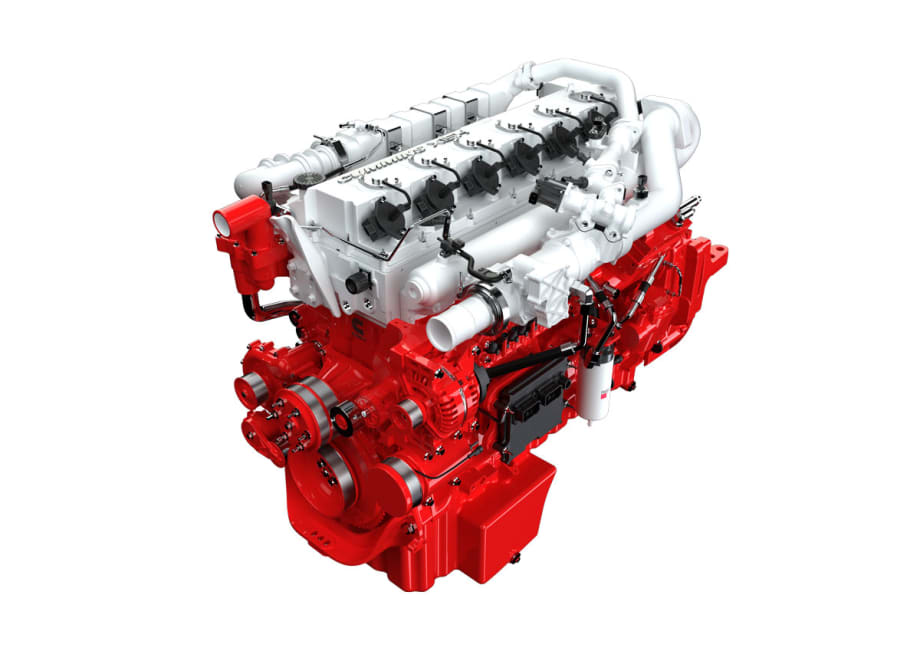
The hydrogen-fuel X15H is built on a fuel-agnostic engine platform, where below the head gasket each fuel type’s engine has largely similar components, and above the head gasket, each has different components for different fuel types.
Photo: Cummins
2 min to read
Transport Enterprise Leasing, a commercial truck and trailer equipment lease and remarketing provider, has signed a letter of intent planning to purchase Cummins’ 15L hydrogen internal combustion engines to be integrated into its fleet of heavy-duty trucks.
“Our customers are at the heart of our company," said TEL CEO Doug Carmichael in the statement. "Providing them with the best-value trucks equipped with lower emissions power options will ensure that we are prioritizing their continued success and also reducing our environmental footprint. Cummins’ investment in multiple technologies minimizing emissions allows us to achieve both.”
Amy Boerger, vice president and general manager of Cummins Engine Business in North America, said hydrogen internal combustion engines will play an important role in helping decarbonize tjat meet varied needs and duty cycles.
“We are pleased to see the leadership of customers like TEL, who are exploring solutions like our fuel agnostic platform to help their own customers," she said.
Since announcing the fuel agnostic platform, which includes the hydrogen option in both the 15L and 6.7L displacements, Cummins has responded to customer interest globally about the potential of the platform, and hydrogen in particular.
“We believe this technology is not only essential for the future of our planet but also for our customers to have access to options that work for them,” said Jim Nebergall, general manager of the Cummins Hydrogen Engine Business. “Internal combustion engines that run on hydrogen will provide customers a financially feasible and familiar power option.”
Hydrogen engines offer OEMs and end-users the benefit of adaptability by continuing to use familiar mechanical drivelines with vehicle and equipment integration, Cummins officials said. This mirrors current powertrains while continuing to provide the power and capability for meeting application needs. Significant reuse of parts and components from Cummins’ existing platforms drives scale advantages on cost and is also projected to deliver reliability and durability equal to diesel.
Hydrogen engines can use zero-carbon green hydrogen fuel, produced by Cummins-manufactured electrolyzers. The projected investment in renewable hydrogen production globally will provide a growing opportunity for the deployment of hydrogen-powered fleets utilizing either Cummins fuel cell or engine power.
Cummins will display both medium- and heavy-duty hydrogen products, highlighting the technology’s ability to support decarbonization across multiple duty-cycles, at the industry’s largest tradeshow in Hannover, Germany, this September.
More Fuel Smarts
Sponsored•July 1, 2026
Enhance Fleet Performance with High-Efficiency Auxiliary Power Units
Drive sustainable cost savings while increasing driver comfort during short- and long-haul logistics operations.
Read More →
Maintenance in the ‘Messy Middle’ Part 2: Renewable Diesel Fuel
NACFE's latest Messy Middle Powertrain Service & Maintenance report says renewable diesel gives fleets an opportunity to reduce carbon emissions without changing trucks, fueling infrastructure or maintenance practices. But technicians still need to understand several important operational differences.
Read More →
The Diesel Engine Enters NACFE’s ‘Messy Middle’
NACFE’s new Messy Middle Powertrain Service & Maintenance report says keeping modern diesel engines running now depends as much on software, diagnostics and data as traditional mechanical service.
Read More →
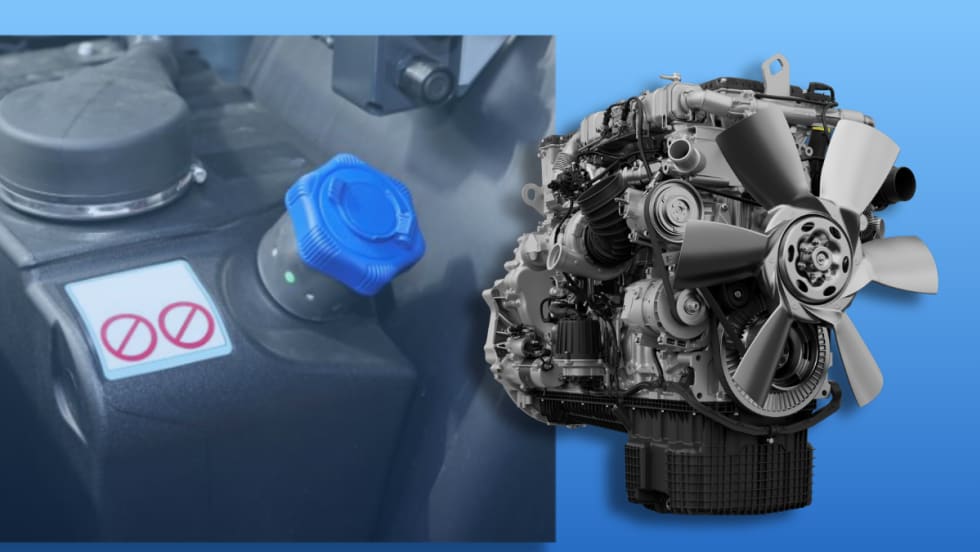
DTNA Software Update Gives Truckers More Time Before DEF Derates Take Effect
The changes reflect EPA guidance aimed at reducing downtime caused by emissions-system faults while maintaining compliance requirements.
Read More →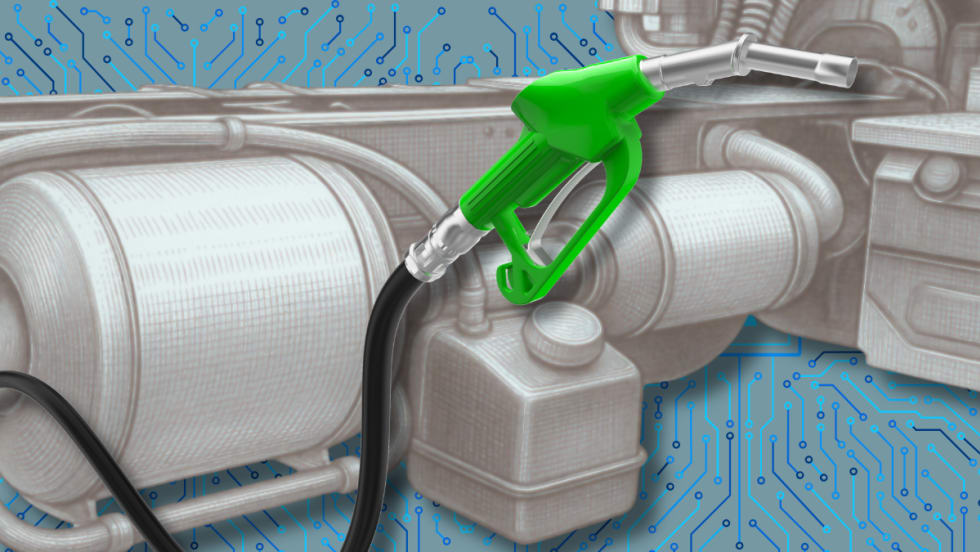
New Agentic Predictive Maintenance Report Demonstrates How Degraded Aftertreatment Systems Waste Fuel
Questar analyzed a large mixed-class fleet and discovered it was wasting as much as $30 in fuel per vehicle, per day, because of mechanically degraded aftertreatment systems.
Read More →
New York City's Microhub Project is Delivering Results
Trucking, last-mile delivery companies, and environmental advocates like what they are seeing so far with New York's microhub program.
Read More →
Lessons Learned About Alternative Fuels: Start Small, Stay Flexible
Practical advice on adopting alternative fuels and ZEVs from HDT's 2026 Top Green Fleets, from renewable diesel and natural gas to electric trucks.
Read More →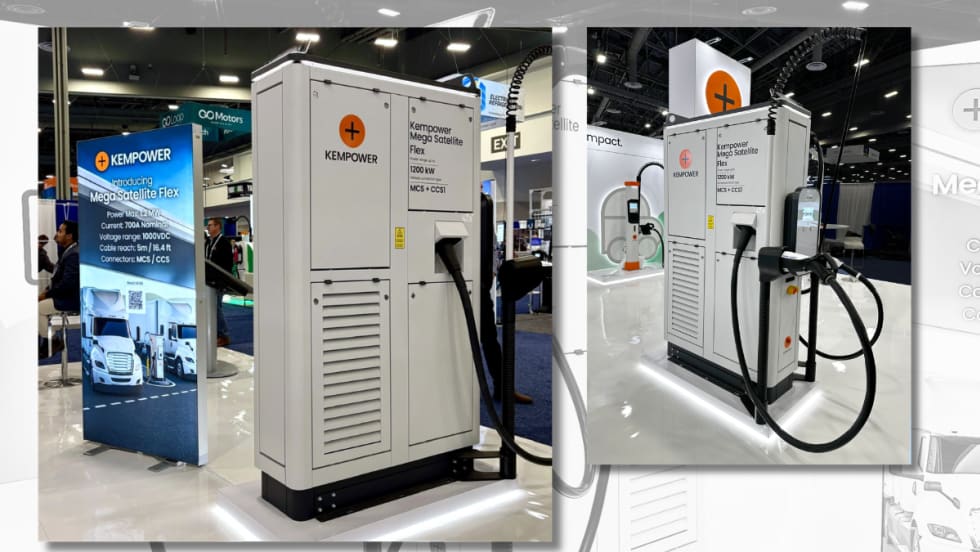
Kempower Adds Flex EV Charger to Help Support Transition to Megawatt Charging
The Kempower Mega Satellite Flex has both a CCS and MCS connector, allowing operators to serve both types of heavy-duty vehicles.
Read More →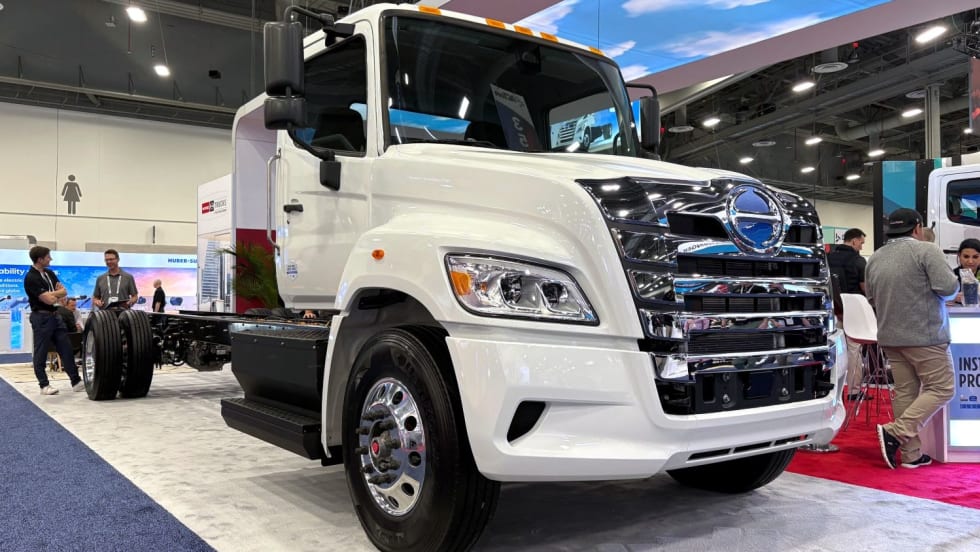
Hino Adds Electric Class 6/7 Truck
Hino says the Le Series is an important step in the company's efforts to reduce environmental impact and support its customers’ sustainability goals.
Read More →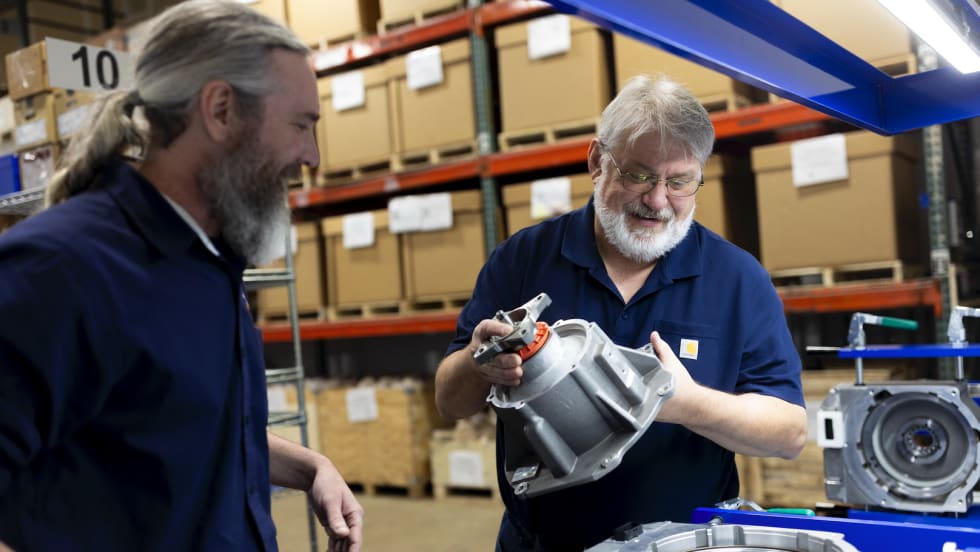
Can Multi-Speed EV Transmissions Solve Heavy Trucking’s Biggest Electric-Vehicle Problems?
A startup called Sigma Powertrain believes purpose-built multi-speed gearboxes can boost efficiency, reduce battery size and improve gradeability for heavy-duty battery-electric trucks.
Read More →