




GHG Phase 2 Glider Kit Restrictions to be Enforced After All
After a court challenge stymied its efforts to give makers of glider kits a reprieve from challenged provisions of its greenhouse gas regulations, the Environmental Protection Agency has withdrawn an order to not enforce those regulations against small manufacturers of glider kits.

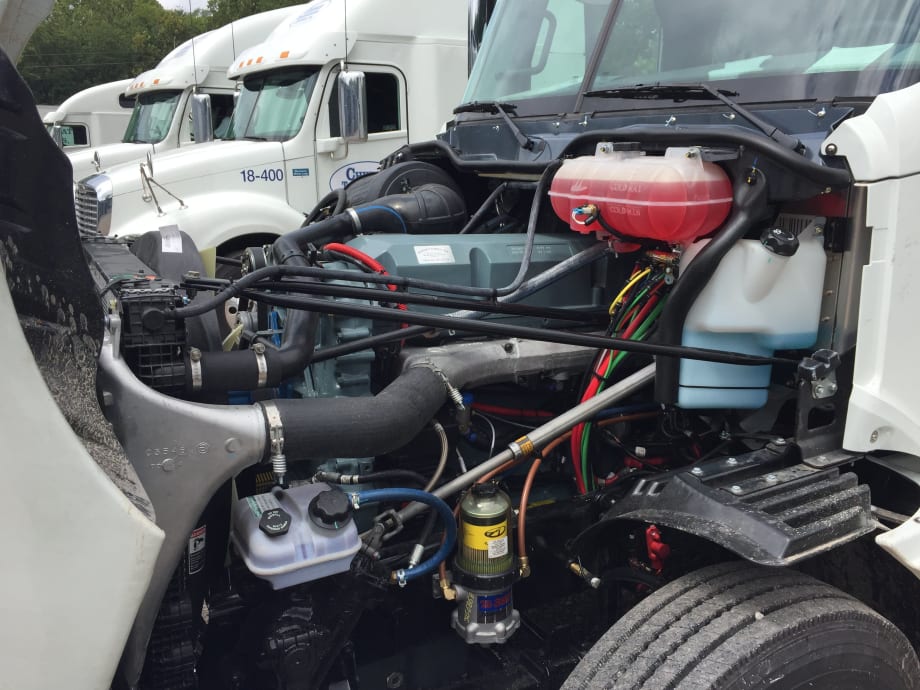
Glider kits allow older engines and drivetrains to be re-used in new truck cabs, but environmental advocates say they are a dangerously polluting loophole to federal emissions rules.
Photo by Deborah Lockridge
After a court challenge stymied its efforts to give small manufacturers of glider kits a reprieve from challenged provisions of its greenhouse gas regulations, the Environmental Protection Agency has withdrawn an order to not enforce those regulations.
On July 6, the EPA said it would not enforce a 300-unit production cap put in place on the manufacture of glider kits/vehicles that do not comply with Phase 2 GHG emission rules. The aim was to protect “small” manufacturers of glider kits as defined by the Small Business Administration. This was on the eve of the departure of EPA Administrator Scott Pruitt, under fire for allegations of unethical behavior.
However, by July 18, a federal court had granted a temporary stay suspending that decision, in response to a motion for an emergency stay by environmental groups.
The environmental groups argued in their brief that the decision not to enforce should be declared unlawful and be vacated because the EPA’s action is “an illegal effort to subvert the Clean Air Act” and “the Glider Decision is arbitrary and capricious.” The three petitioning groups contended that the Phase 2 GHG emissions are current law and were adopted after years of analysis and public comment.
Following the court ruling, late on July 26, Acting EPA head Andrew Wheeler withdrew the agency’s non-enforcement order.
“I have concluded that the application of current regulations to the glider industry does not represent the kind of extreme unusual circumstances that support the EPA’s exercise of enforcement discretion,” Wheeler wrote in a memo released late Thursday night. He cited the court decision, as well as a 1995 internal EPA policy that sought to greatly restrict how often EPA decides not to enforce regulations on the books.
EPA’s withdrawal also follows legal action by a broad coalition of 16 state Attorneys General who opposed the non-enforcement policy.
The GHG Phase 2 rule aimed to limit glider kits to their original purpose of allowing truck owners to repair wrecked vehicles. Instead, truck owners have increasingly used them to have the benefits of new-truck cabs and aerodynamics while using older, more-polluting engines that owners said were more reliable than maintenance-plagued low-emissions engines. Many saw this as a dangerous loophole in federal emissions rules, so it was addressed in the final GHG rule.
In 2017, a number of petitions were filed, most notably by Fitzgerald Glider Kits, saying the EPA’s action was regulatory overreach and that it did not have the authority to regulate these types of vehicles. In response, the EPA issued a regulatory proposal last November to reconsider the glider kit restrictions.
There has been controversy over two separate studies showing very different pollution results from glider kits. One that the EPA cited in its reconsideration of the rule was funded by Fitzgerald and later withdrawn by the university that performed it. The other was done by the EPA, but Fitzgerald and others raised concerns that truck and engine maker Volvo may have had undue influence in that testing.
The Environmental Defense Fund commissioned an analysis and submitted it as part of its court filings that indicates the additional glider trucks produced during EPA’s two-year non-enforcement policy could result in more than 1,700 premature deaths over the life of those vehicles.
Meanwhile, some glider kit makers, such as Freightliner, have decided to go ahead with their planned phase-down of glider kit production no matter what the final outcome is, saying they are abiding by the spirit of the GHG2 rules.
“This is a huge win for all Americans who care about clean air and human health,” said EDF President Fred Krupp. “These super-polluting diesel freight trucks fill our lungs with a toxic stew of pollution. EPA’s effort to create a loophole allowing more of them onto our roads was irresponsible and dangerous. We hope their decision tonight to withdraw that loophole puts a firm and final end to this serious threat to our families’ health.”
Sen. Tom Carper, the top Democrat on the Environment and Public Works Committee, also praised the decision. “With Mr. Pruitt out, I’m glad to see EPA will reverse one of the most egregious — and likely illegal — environmental proposals of his tenure,” Carper said in a statement. “His senseless proposal ignored the science put out by his own EPA and created a Clean Air Act loophole for an industry friend, all while putting the health of Americans and our environment at risk.”
What is not clear at this point is what will happen to the EPA’s proposed rule to permanently repeal the glider kit portion of the GHG regulations.
More Fuel Smarts

EPA Proposal Could Ease 2027 Truck Costs and Buying Uncertainty
The proposal doesn't change the tougher NOx standard, but it would revise key implementation requirements that manufacturers say have driven up costs and complicated fleet purchasing decisions.
Read More →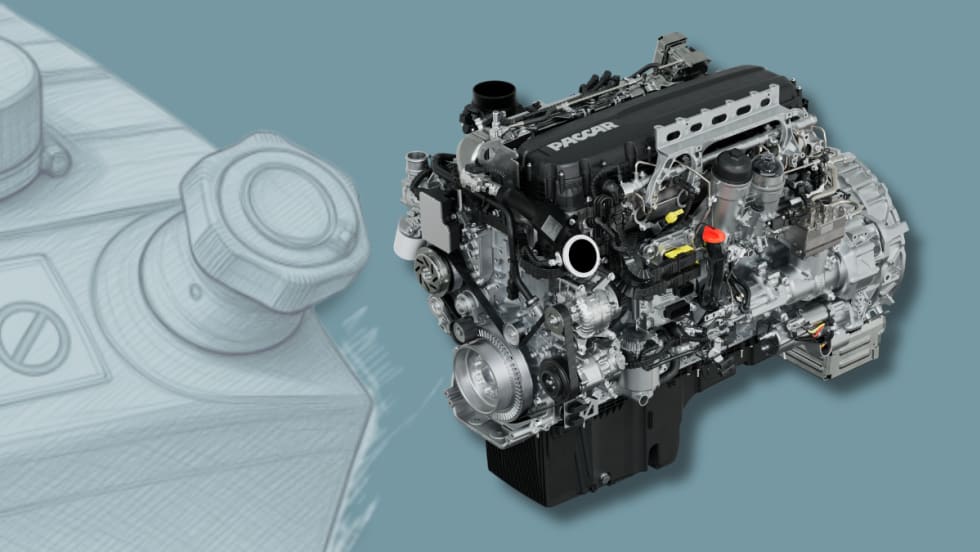
Cummins, Paccar Ease DEF Derates After EPA Guidance
Updated diesel engine software gives truck operators more time to address emissions-system issues while staying compliant with EPA emissions standards.
Read More →
Maintenance in the Messy Middle Part 3: Biodiesel
Biodiesel can reduce emissions, improve fuel-system lubricity and use existing diesel infrastructure. But NACFE’s Messy Middle maintenance report says fleets must actively manage storage, cold-weather operation, filters and oil drain intervals to avoid problems.
Read More →
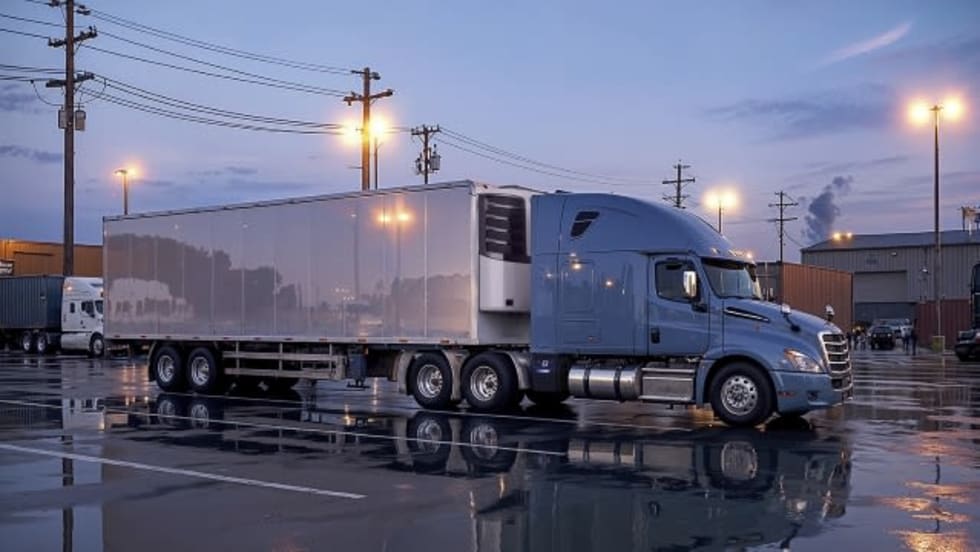
Enhance Fleet Performance with High-Efficiency Auxiliary Power Units
Drive sustainable cost savings while increasing driver comfort during short- and long-haul logistics operations.
Read More →
Maintenance in the ‘Messy Middle’ Part 2: Renewable Diesel Fuel
NACFE's latest Messy Middle Powertrain Service & Maintenance report says renewable diesel gives fleets an opportunity to reduce carbon emissions without changing trucks, fueling infrastructure or maintenance practices. But technicians still need to understand several important operational differences.
Read More →
The Diesel Engine Enters NACFE’s ‘Messy Middle’
NACFE’s new Messy Middle Powertrain Service & Maintenance report says keeping modern diesel engines running now depends as much on software, diagnostics and data as traditional mechanical service.
Read More →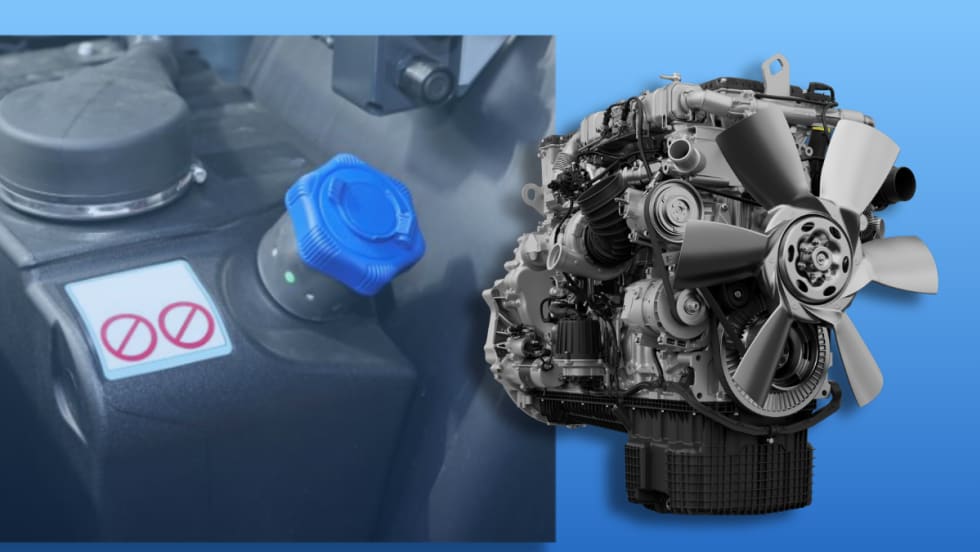
DTNA Software Update Gives Truckers More Time Before DEF Derates Take Effect
The changes reflect EPA guidance aimed at reducing downtime caused by emissions-system faults while maintaining compliance requirements.
Read More →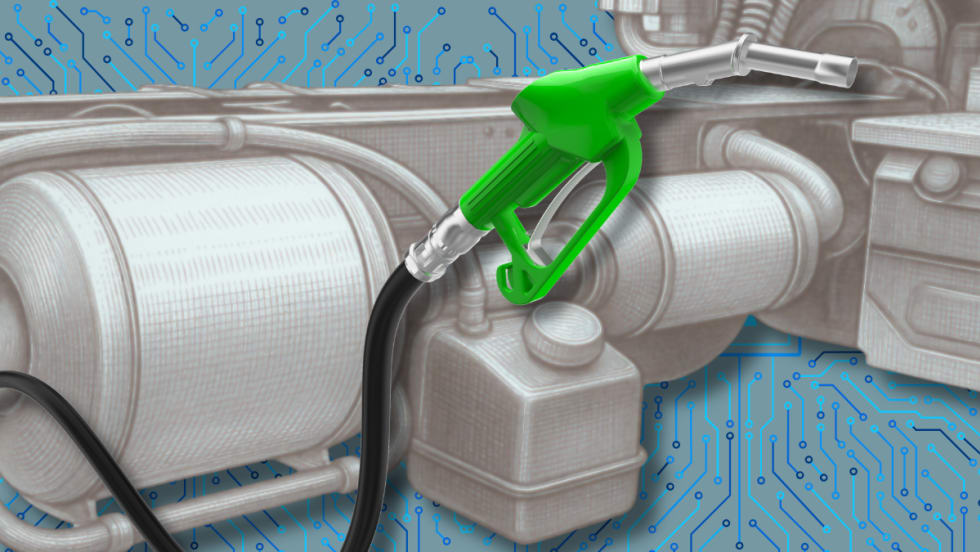
New Agentic Predictive Maintenance Report Demonstrates How Degraded Aftertreatment Systems Waste Fuel
Questar analyzed a large mixed-class fleet and discovered it was wasting as much as $30 in fuel per vehicle, per day, because of mechanically degraded aftertreatment systems.
Read More →
New York City's Microhub Project is Delivering Results
Trucking, last-mile delivery companies, and environmental advocates like what they are seeing so far with New York's microhub program.
Read More →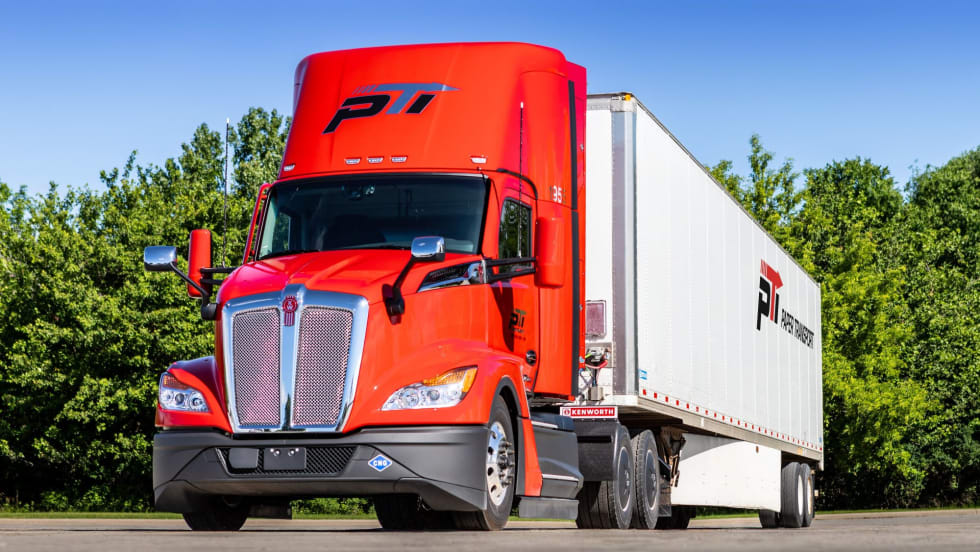
Lessons Learned About Alternative Fuels: Start Small, Stay Flexible
Practical advice on adopting alternative fuels and ZEVs from HDT's 2026 Top Green Fleets, from renewable diesel and natural gas to electric trucks.
Read More →