




EPA Glider Truck Loophole Closed Temporarily by Court
A federal court has granted a temporary stay that suspends the decision by the Environmental Protection Agency to not enforce for 2018 and 2019 a 300-unit production cap put in place on the manufacture of glider kits/vehicles that do not comply with Phase 2 GHG emission rules.

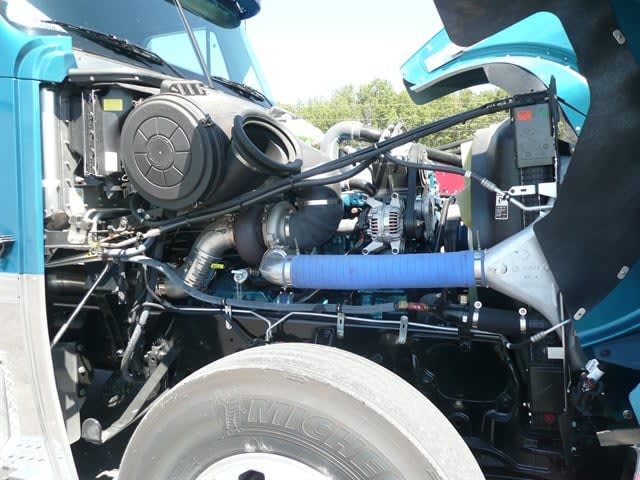
Environmental groups successfully petitioned the court to stay an EPA decision not to enforce emissions-related cap on glider kit production.
Photo: Tom Berg
A federal court has granted a temporary stay that suspends the decisionby the Environmental Protection Agency tonot enforce for 2018 and 2019 a 300-unit production cap put in place on the manufacture of glider kits/vehicles that do not comply with Phase 2 GHG emission rules.
The U.S. Court of Appeals for the District of Columbia on July 18 ruled in favor of an emergency motion filed the day before by the Environmental Defense Fund, the Center for Biological Diversity, and the Sierra Club. The environmental groups argued in their brief that the decision not to enforce should be declared unlawful and be vacated because the EPA’s action is “an illegal effort to subvert the Clean Air Act” and “the Glider Decision is arbitrary and capricious.”
The three petitioning groups contend that the Phase 2 GHG emissions are current law and were adopted after years of analysis and public comment.
“The court’s decision is an important step towards protecting the health of all Americans from super-polluting diesel freight trucks,” said EDF President Fred Krupp. “The Trump administration’s decision to allow more of these dirty diesel trucks on our roads was made without any public input and with reckless disregard for the serious public health threats they will cause. We’re pleased the court has suspended this dangerous loophole and we look forward to presenting a strong case to the court about the need to reverse EPA’s flawed decision.”
The D.C. Circuit Court ruled two-to-one to temporarily suspend implementation of EPA’s decision not to enforce the Phase 2 rules for gliders. In a statement, the petitioners said the court will now consider their request for a longer stay pending consideration of the merits of the case. The stay order directs EPA to respond to the court’s emergency motion with hand-delivery of paper copies of their submissios by 4:00 p.m. EDT on Friday, July 27, 2018.
Earlier this month, EPA said it had decided not to enforce the Phase 2 rules on gliders because it is working to finalize a proposed rule to repeal “certain emission requirements” on glider kits. News of the enforcement loophole was broken by The New York Times one day after the resignation of EPA Administrator Scott Pruitt on July 5.
In July 2017, after Fitzgerald Glider Kits petitioned EPA to do so, the agency announced it intended to revisit the Phase 2 glider kit provisions. In November, the agency issued its official proposal to entirely repeal emission requirements for glider vehicles, glider engines, and glider kits.
The repeal proposal came out only weeks before the 300-unit glider cap was to take effect on Jan. 1 of this year, which was the driving factor behind the enforcement pause.
Unrelated to the court case, this week Daimler Trucks North America restated its position on the future of glider kits, which it manufactures: “DTNA has long expressed support for the EPA and NHSTA to regulate fuel efficiency of and CO2 from heavy-duty vehicles. DTNA supports the GHG Phase 2 rule as written, including the provisions that apply to gliders. DTNA will follow the intent of the 2018 glider restrictions regardless whether the EPA modifies the rules.”
Related: EPA Will Not Enforce 300-Unit Limit on Glider Kits through 2019
More Equipment
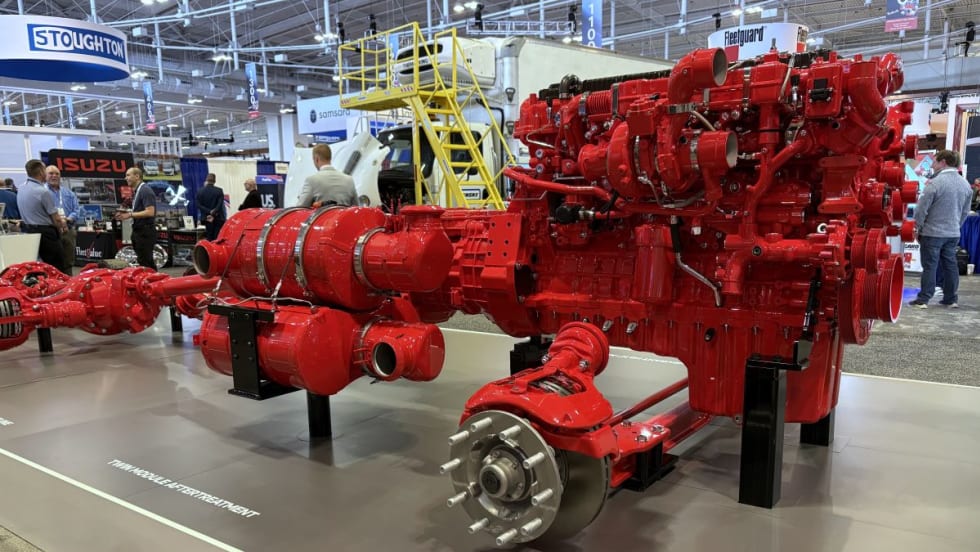
Cummins Adjusts 2027 Engine Rollout After EPA Proposal
The engine maker will gradually introduce its new Model Year 2027 diesel engines while continuing to offer current models during the transition, citing the EPA's proposed emissions rule changes.
Read More →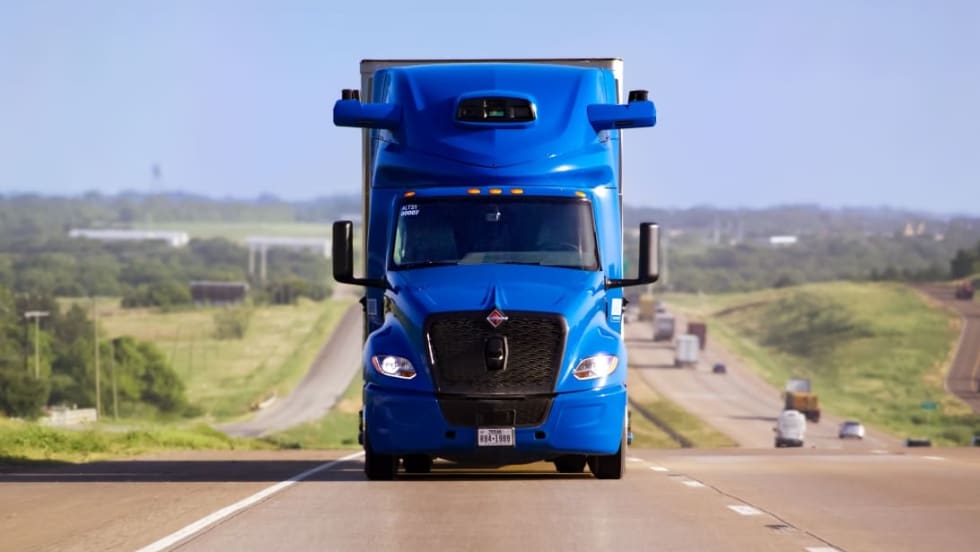
Aurora Rolls Out Next Generation of Driverless Trucks for Commercial Freight
Aurora's latest autonomous trucks it's rolling out with International feature lower-cost hardware designed for a million miles as the company expands commercial driverless freight operations across the U.S. Sun Belt.
Read More →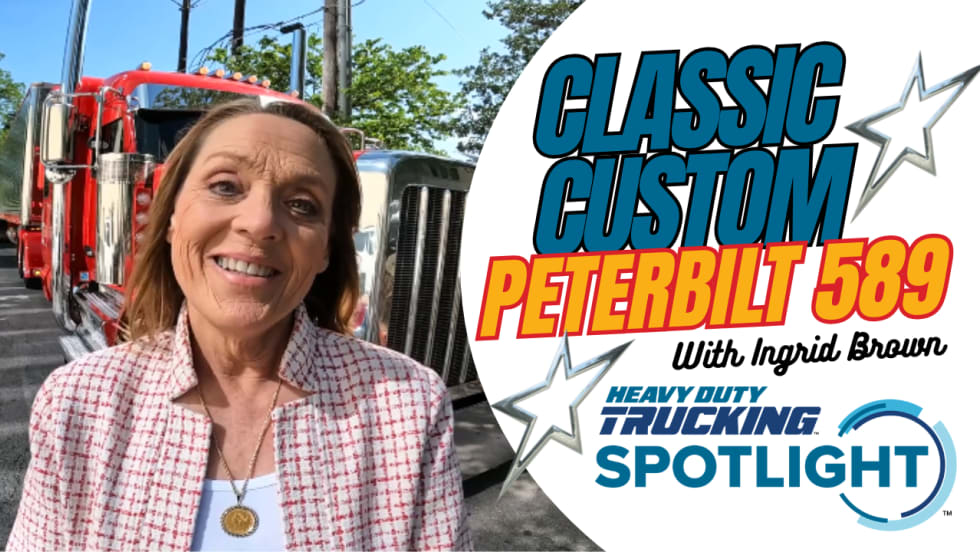
Peterbilt 589 Spotlight: A Close Look at a Custom Working Truck [Video]
There's more to this customized Peterbilt Model 589 and Great Dane refrigerated trailer than chrome and stainless (although there's plenty of that too!) A veteran driver explains the design choices and practical features behind this working truck.
Read More →

Continental Expands Retread Lineup With New ContiTread HDL 5 EP
New long-haul drive retread is designed to improve fuel efficiency, extend tread life, and lower fleets' cost per mile.
Read More →
EPA Proposal Could Ease 2027 Truck Costs and Buying Uncertainty
The proposal doesn't change the tougher NOx standard, but it would revise key implementation requirements that manufacturers say have driven up costs and complicated fleet purchasing decisions.
Read More →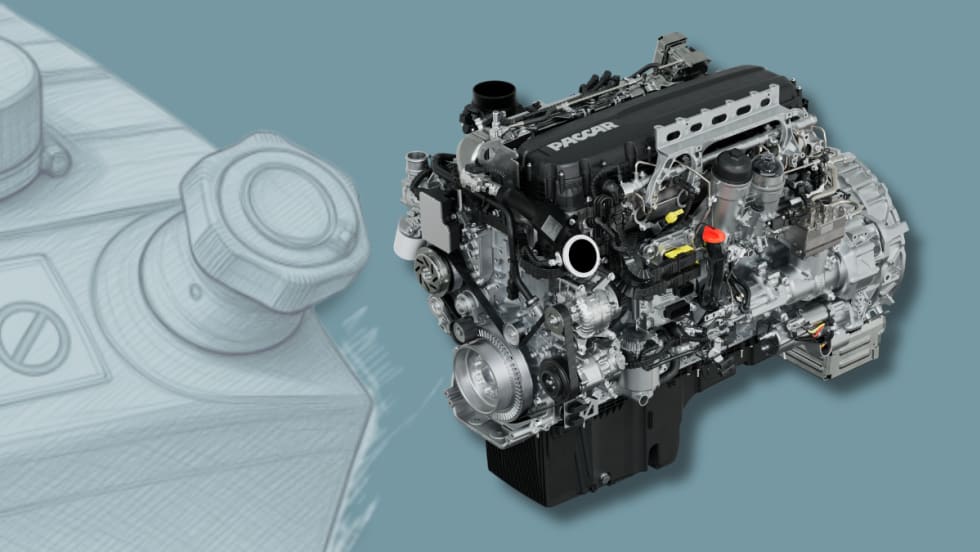
Cummins, Paccar Ease DEF Derates After EPA Guidance
Updated diesel engine software gives truck operators more time to address emissions-system issues while staying compliant with EPA emissions standards.
Read More →
America at 250: How the Truck Helped Connect a Continent
America was founded on revolutionary ideas, but it was built by movement. For 250 years, the nation has depended on ever-better ways to move people, products, and prosperity across a vast continent. No machine has carried that mission further — or more faithfully — than the truck.
Read More →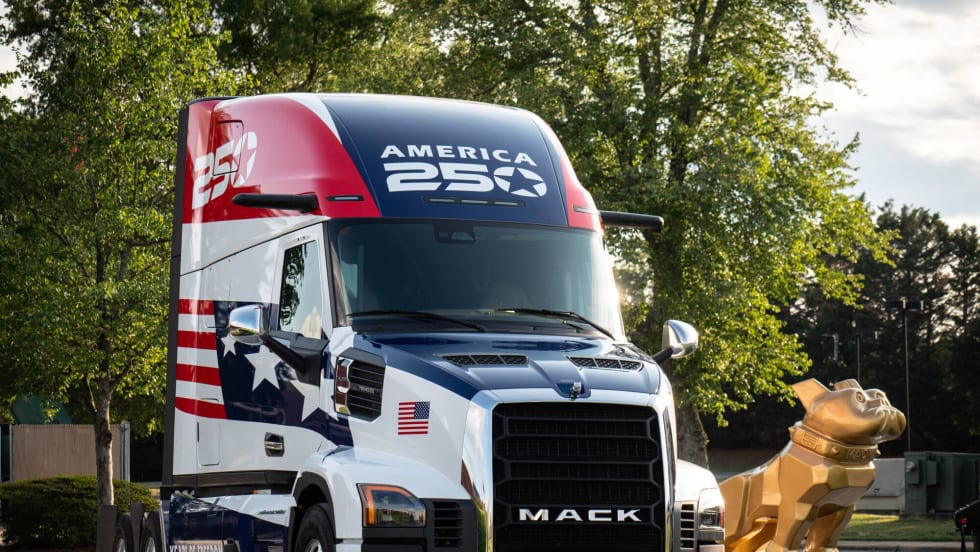
Mack Unveils America 250 Tribute Truck to Celebrate Nation's Semiquincentennial
Just in time for the Fourth of July! Mack unveils a brand-new patriotic, limited-edition, red, white, and blue truck wrap.
Read More →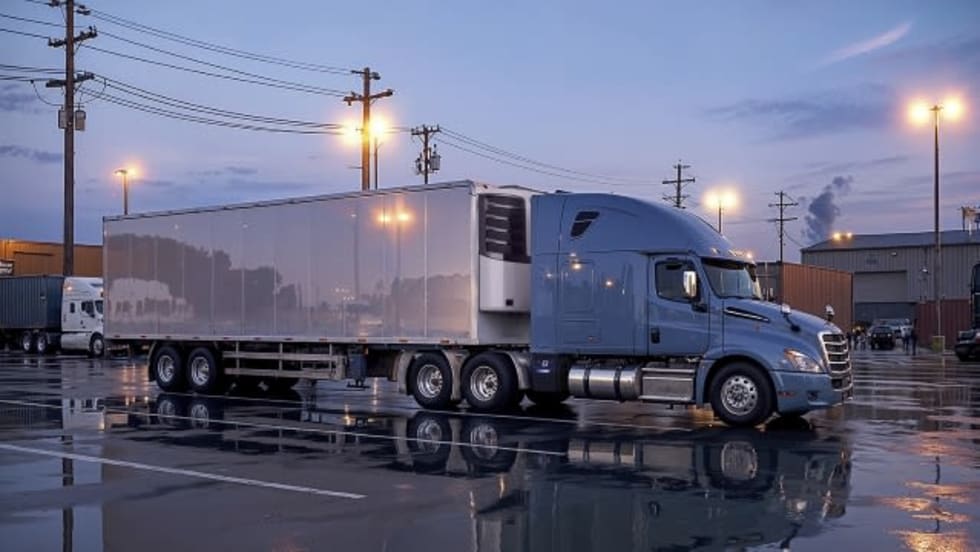
Enhance Fleet Performance with High-Efficiency Auxiliary Power Units
Drive sustainable cost savings while increasing driver comfort during short- and long-haul logistics operations.
Read More →
Rush Expands Gulf Coast Peterbilt Network With Louisiana Acquisition
The expanded Rush network gives fleets additional sales, service, leasing and collision repair support across Louisiana's major trucking markets.
Read More →