




Fourth Lawsuit Filed In Past Week Against Navistar Over International Engines
UPDATED -- The complaint alleges that Navistar actively concealed that its 2008-2013 model trucks, equipped with the MaxxForce Advanced exhaust gas recirculation diesel engines, contained a defective emission system that caused the trucks to suddenly break down.
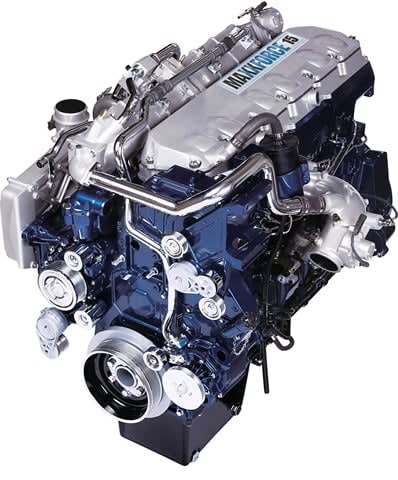
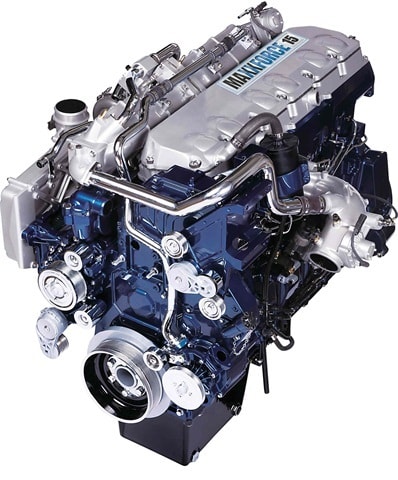
UPDATED -- The numbers of lawsuits filed against Navistar over its International engines are piling, as lawyers for three more trucking companies have filed a federal class action in federal court in Illinois.
The complaint alleges that Navistar actively concealed that its 2008-2013 model trucks, equipped with the MaxxForce Advanced exhaust gas recirculation diesel engines, contained a defective emission system that caused the trucks to suddenly break down.
"The problems with these engines have cost buyers and lessees, including many small, family-owned businesses, thousands of dollars," said Jonathan D. Selbin of the law firm Lieff Cabraser Heimann & Bernstein. "In some cases, the unexpected mechanical problems endangered owners' ability to earn a living. The lawsuit seeks to hold Navistar responsible for the quality of its engines and ensure that buyers and lessees of Navistar trucks get what they paid for."
The law firm is representing Denis Gray Trucking, Washington; Carmichael Leasing d.b.a. Carmichael NationaLease, Illinois, and GTL Enterprises, Washington. The International trucks in question were purchased in California, Illinois, and Washington.
The complaint alleges that the MaxxForce engine is defective and the alleged defects lead to repeated failures, well before completion of its intended and expected useful life, requiring costly repairs often at the expense of owners and lessees. It also claims when the trucks were brought in for repairs during the warranty period, Navistar didn't properly repair the emission system and instead replaced them with another equally defective failure-prone system.
It is also alleged that the defect rendered the MaxxForce engines unreasonably dangerous at the time the Navistar trucks were purchased. “The defect can and has led to sudden breakdowns, forcing trucks, often heavily loaded with cargo, to attempt emergency maneuvers, such as pulling to the side of the road. The defect also causes coolant and exhaust fumes to enter the passenger compartment of the Navistar trucks, causing risks of driver poisoning from the fumes,” according to a statement from the law firm.
The proposed class consists of all current and former purchasers and lessees of 2008-2013 model year Navistar vehicles nationwide equipped with MaxxForce Advanced EGR diesel Engines.
The case follow three separate yet similar lawsuits that were filed days ago by lawyers representing three fleets in their home states of Tennessee, Texas and Washington.
All claim Navistar failed to disclose known defects and problems with its EPA 2010 MaxxForce engines and the company misled its clients regarding Navistar’s exhaust gas recirculation technology on the engines, including them being certified to meet the Environmental Protection Agency’s 2010 emissions standards.
When contacted about these three lawsuits, Navistar spokesperson Elissa Maurer said, “As a matter of a company policy, we don’t comment on pending litigation.”
Update adds the names of the plaintiff trucking companies.
More Equipment
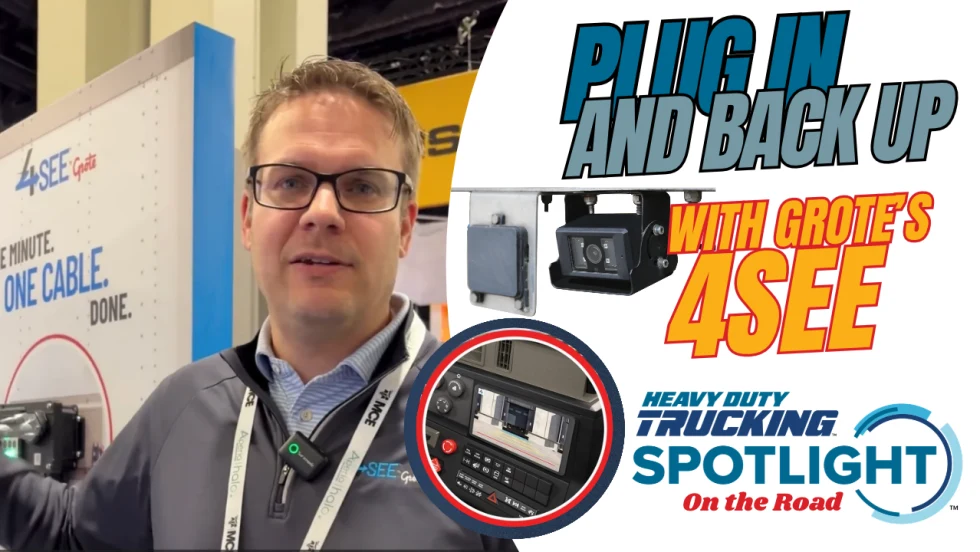
More Trailer Data Through the Same Seven-Way [Video]
Can trucking’s standard seven-way connector handle more cameras and trailer data? Grote’s Adam Slade shows HDT how the company is using new technology with its 4See trailer system, not only to add a new backup camera but also to expand other capabilities — without adding another connection.
Read More →
Grote: More Cameras, Same Seven-Way Connector
The next-generation 4See rear-view backup camera from Grote uses the standard seven-way connector and supports additional cameras and other trailer data.
Read More →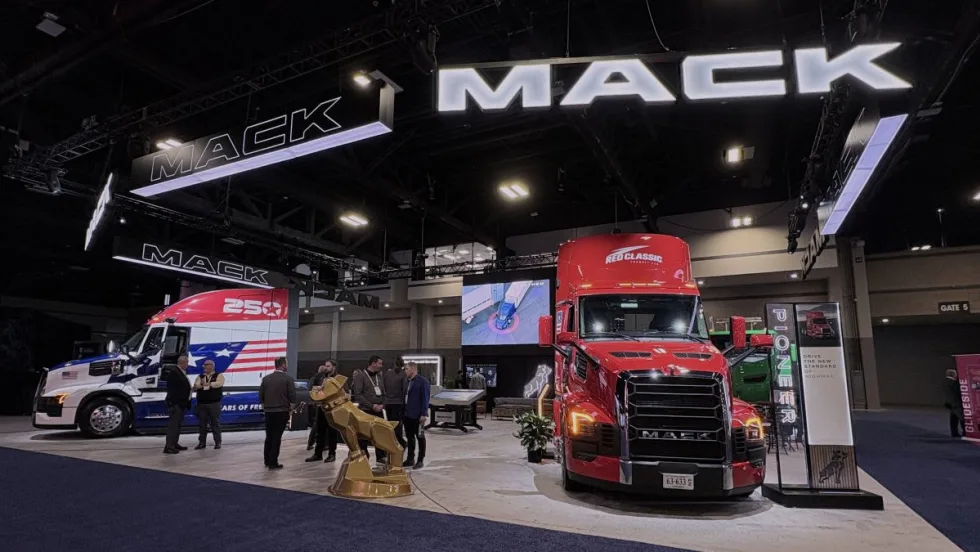
Trucks at ATA's 2026 MC&E in Charlotte, North Carolina [Photos]
From rigs decked out in patriotic America's 250 paint schemes to autonomous trucks and more, check out these photos from ATA's 2026 Management Conference & Exhibition.
Read More →
Help HDT Find Trucking’s Top Products
Have you come across a new product that could make a difference for trucking fleets? Nominate it for HDT’s 2027 Top 20 Products Awards by November 9.
Read More →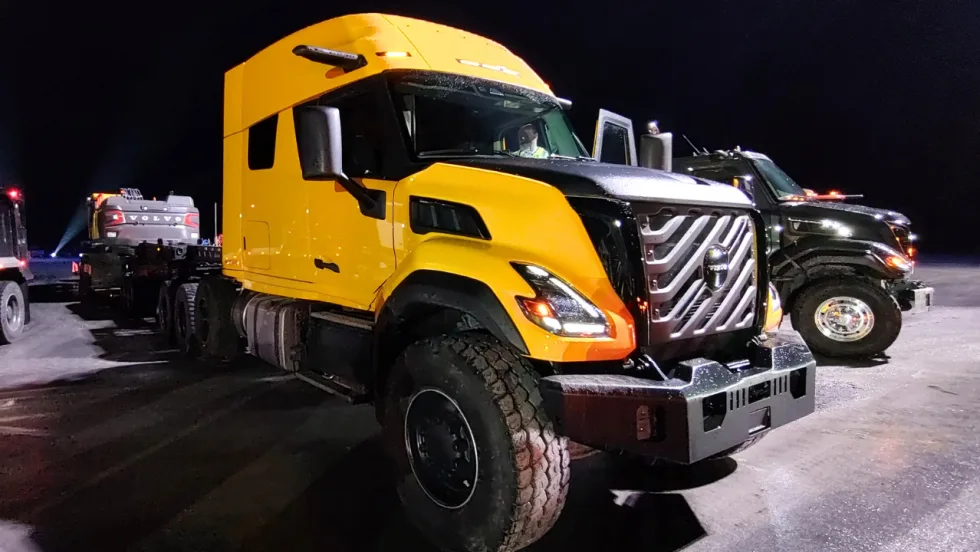
Volvo Unveils New VNX Heavy-Haul and Vocational Truck
Volvo Trucks has launched the VNX, a new vocational truck also available as a tractor in day cab and two sleeper configurations, with one heavy-haul model. The Volvo VNX is powered by Volvo's D13 platform, which delivers up to 540 horsepower and 1,950 pound-feet of torque and is EPA 2027-compliant.
Read More →
How GP Transco Cuts Trucking Fuel Costs, a Tenth of a Gallon at a Time
What’s another tenth of a mile per gallon worth? GP Transco shares how equipment upgrades and driver coaching turn small gains into meaningful fuel savings.
Read More →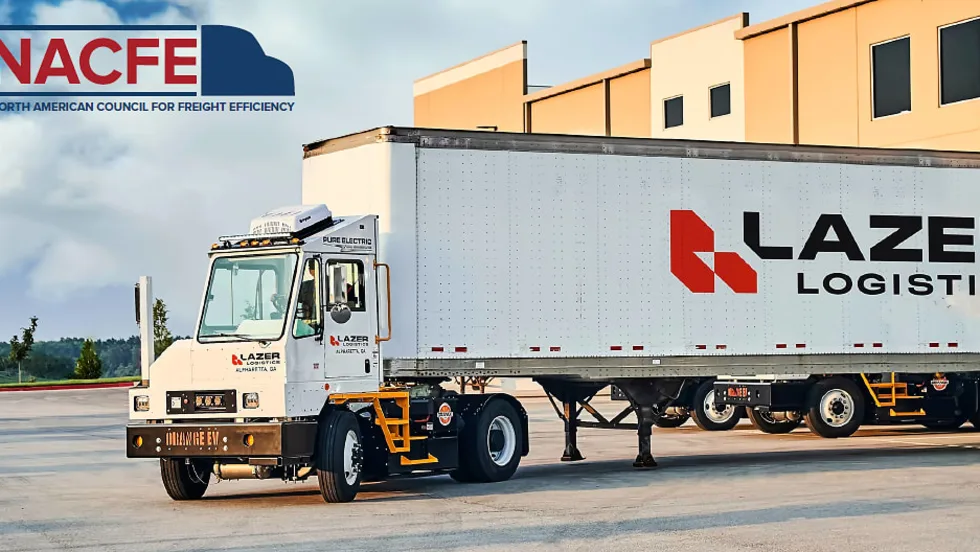
Electric Yard Tractors Move Beyond Pilots
Operating-cost savings have overtaken sustainability goals as the leading reason surveyed fleets are adopting battery-electric terminal tractors, according to new NACFE research.
Read More →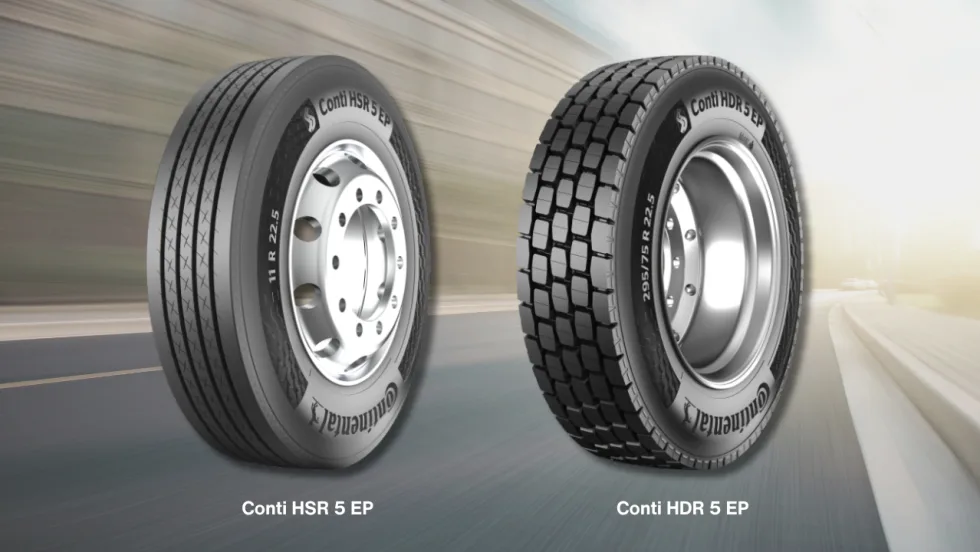
Continental Introduces New Regional Truck Tires
Continental says its new Generation 5 steer and drive tires for regional operations offer longer tread life, with estimated mileage gains of 22% and 19%, respectively.
Read More →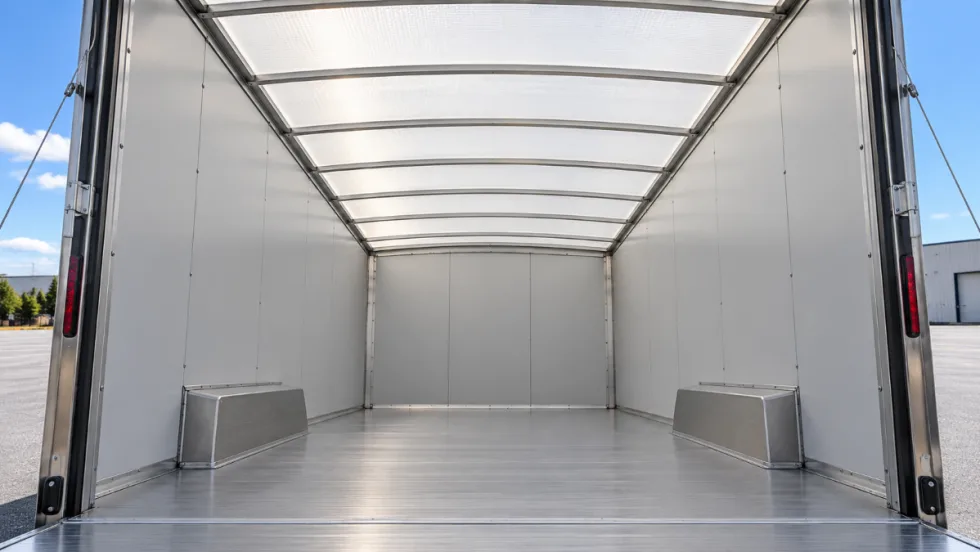
Tekmodo Introduces CargoBright Brand for Translucent Trailer Roofs
CargoBright is designed to diffuse daylight across the cargo area while performing as a working vehicle roof.
Read More →
Fleet Economics Shape Electric Truck Outlook
ACT Research expects costs, charging infrastructure, and technology improvements to drive zero-emission commercial vehicle adoption as federal regulations and incentives retreat.
Read More →