




Economic Watch: Industrial Production Tumbles, Consumer Mood Falls
Industrial production decreased for the second month in a row during March, adding another sign the economy sputtered in the first quarter of the year.

Industrial production decreased for the second month in a row during March, adding another sign the economy sputtered in the first quarter of the year.
According to the Federal Reserve, this measure of output from the nation’s factories, mines and utilities fell 0.6% from February, and dropped at an annual rate of 2.2% in the first quarter. February’s performance was also revised downward to show a 0.6% drop.
This latest monthly performance is the biggest drop in just over a year, according to the Financial Times, and was more than expected in a consensus estimate by analysts.
A substantial portion of the March drop was declines in mining and utilities, which fell 2.9% and 1.2%, respectively. Manufacturing output fell 0.3%.
The sizable decrease in mining production is a continuation of the industry's recent downward trajectory. This measure has fallen in each of the past seven months, at an average pace of 1.6% per month.
At 103.4% of its 2012 average, total industrial production in March was 2% below its year-earlier level.
Capacity utilization for the industrial sector fell 0.5 of a percentage point in March to 74.8%, a rate that is 5.2 percentage points below its long-run 1972–2015 average and its lowest rate since August 2010.
The report joins data on retail sales, business spending, trade and wholesale inventories that all suggest economic growth slowed to crawl at the turn of the year.
First quarter growth estimates are calling for little expansion based on an annual rate. In the fourth quarter of last year, the nation’s gross domestic product expanded at an annual rate of 1.4%, better than earlier estimates. But that compares to a 2% rate of increase in the third quarter of 2015, 3.9% in the second quarter and just 0.6% in the first quarter of last year.
On a more encouraging note, separate reports show manufacturing has started to turn around recently. The Federal Reserve noted in its report for the first quarter that manufacturing output moved up at an annual rate of 0.6%, roughly reversing its small decrease in the fourth quarter of last year.
Consumers React to Disappointing Economic News
The recent raft of disappointing economic news has weighed on consumers' minds, with one survey showing a decline in consumer confidence for the fourth month in a row.
According to preliminary results, April's University of Michigan Survey of Consumers Sentiment Index is down 2.9 points since December 2015. It is also down 6.2 points from a year ago and 8.4 points below the peak in January 2015. The current reading is at 89.7, down 1.4% from the previous month and down 6.5% from April a year ago.
The survey’s measures of consumer feelings about current economic conditions and their expectations showed a year-over-year drop of 1.5% and 10.4%, respectively.
“None of these declines indicate an impending recession, although concerns have risen about the resilience of consumers in the months ahead,” said Surveys of Consumers Chief Economist Richard Curtin. “Consumers reported a slowdown in expected wage gains, weakening inflation-adjusted income expectations, and growing concerns that slowing economic growth would reduce the pace of job creation."
He said these apprehensions should ease as the economy rebounds from its dismal start in the first quarter of 2016.
The lower confidence among consumers appears to have translated into lower retail sales figures, reported a couple days earlier. The Commerce Department said the 0.3% decline in retail sales in March follows no change in February, revised from a 0.1% decline, marking the third consecutive month of zero or negative growth in retail spending.
More Fleet Management
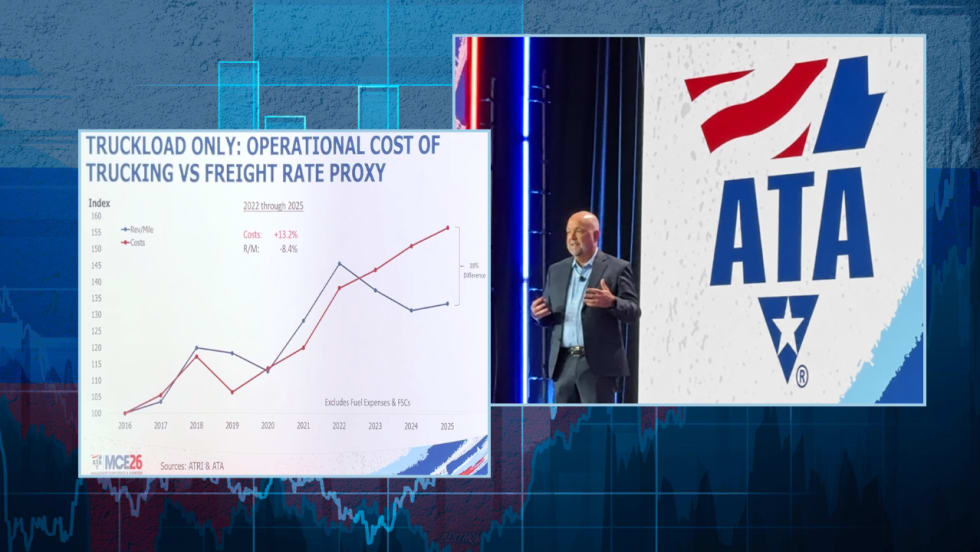
Why This Trucking Recovery Is Different
Freight demand remains sluggish, but rising costs and tougher enforcement have taken enough capacity out of the market to change the outlook for motor carriers.
Read More →
Platform Science Adds Dispatch and Safety Tools
Four additions to PS Fleet help fleets monitor loads, manage driver coaching, share truck locations and adjust video system settings.
Read More →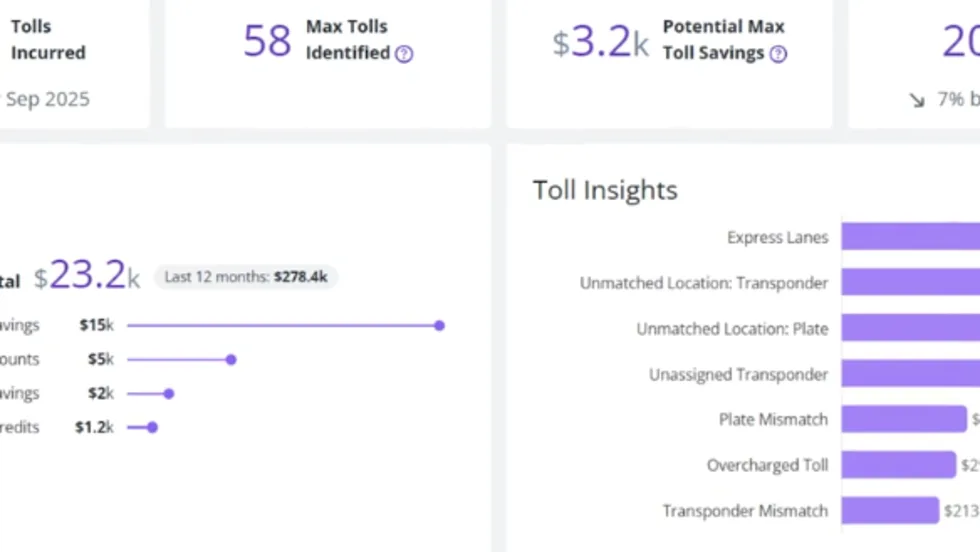
PrePass Intelligence Mines Fleet Bypass, Toll and Safety Data
PrePass Intelligence helps fleets measure bypass savings, flag potential toll overcharges, and spot suspicious transactions by combining data from separate systems.
Read More →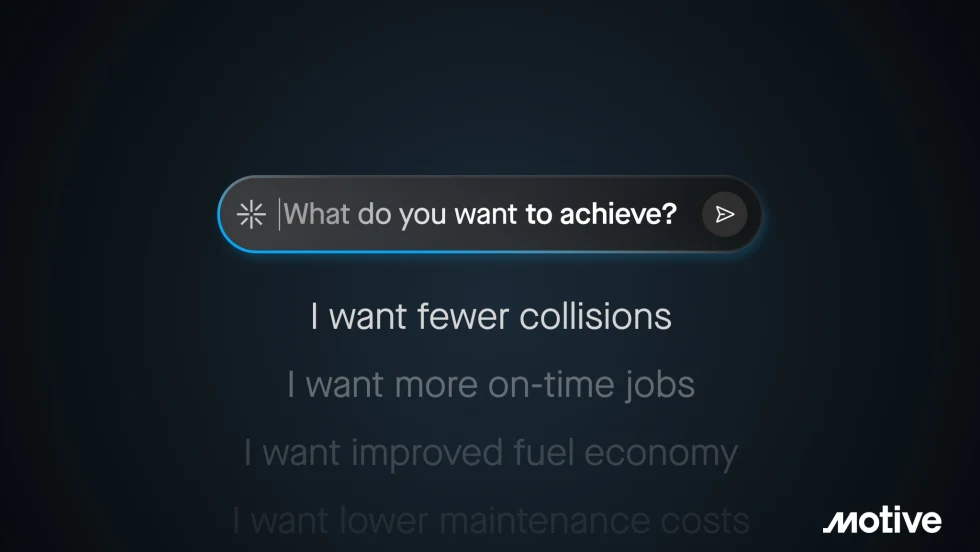
Motive Adds AI Agents for Fleet Operations
New tools automate follow-up on fleet data, from maintenance work orders to driver alerts, with two-way voice conversations planned for later this year.
Read More →
Can You Beat Our Trucking Trivia Challenge?
Test your truck knowledge with 19 trivia questions from Heavy Duty Trucking Exchange. Can you keep up with the fleet pros?
Read More →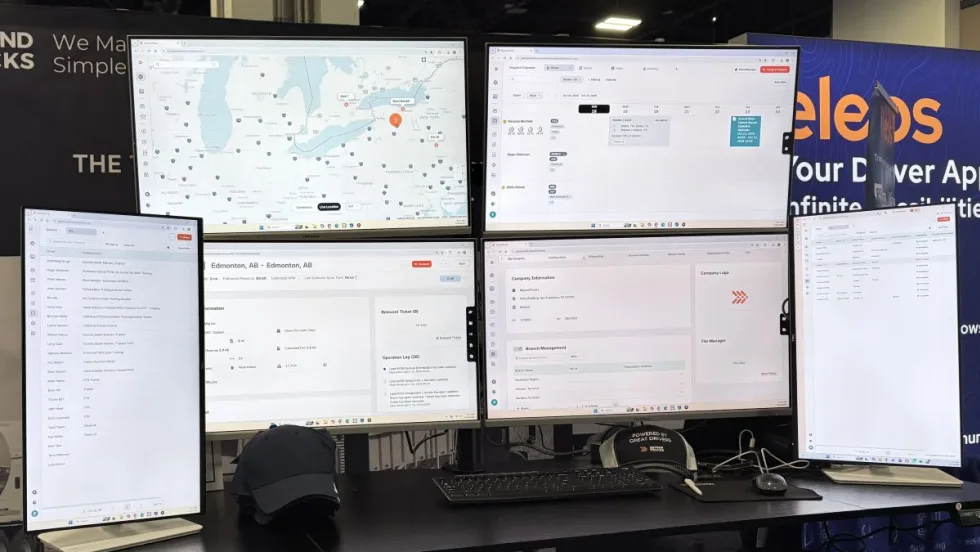
BeyondTrucks Adds Rules Checks to Dispatch
New Compatibility Engine checks driver qualifications, equipment requirements and fleet policies before loads are dispatched.
Read More →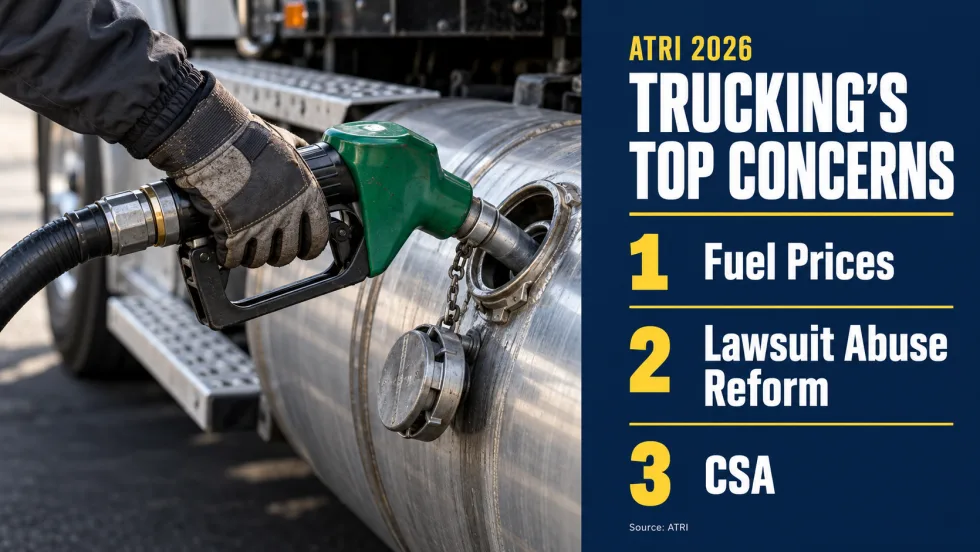
Diesel Prices Hijack Trucking’s Worry List
ATRI’s annual survey finds cautious optimism about freight, but diesel costs, litigation, and insurance continue to squeeze fleets. Drivers have different priorities on several issues.
Read More →
Nomination Deadline Extended for HDT Emerging Leaders
Just a few more days to nominate accomplished trucking fleet professionals under 40 who are making an impact and helping lead the industry forward for the HDT Emerging Leaders award. Deadline extended to October 20!
Read More →
What Will ATA’s New Leader Bring to Trucking's Table?
Incoming President and CEO Mark Colson’s record in Alabama offers clues about his priorities and approach following Chris Spear’s abrupt departure as the head of the American Trucking Associations.
Read More →
Volvo, Waabi Start Commercial Autonomous Operations in Texas
Volvo VNL Autonomous trucks, powered by the Waabi Driver, are hauling freight directly to third-party facilities for a customer in Texas.
Read More →