





Meet an early adopter of Optimal Dynamics technology: Turning a Private Fleet Into a Best-of-Class Motor Carrier
Optimal Dynamics Launches AI System to Help Carriers Choose Better Freight
Optimal Dynamics says its new Scale platform uses AI agents and optimization to help carriers find and secure freight that improves network balance and profitability.
March 12, 2026
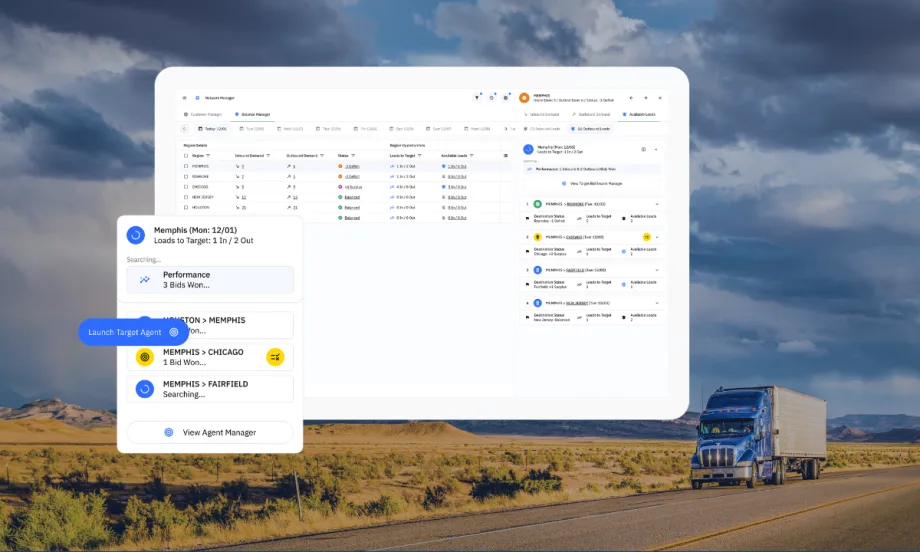
"As a carrier, the hardest part isn't finding freight, it's knowing which freight actually improves your network." Optimal Dynamics said its new Scale AI platform can help.
Credit:
HDT Graphic/Optimal Dynamics
2 min to read
Optimal Dynamics launched Scale, which combines network optimization with autonomous AI agents that search, negotiate, and procure freight across multiple channels using artificial intelligence.
Traditional freight procurement relies on manual effort, gut feel, or reactive tools that treat each load as a standalone decision.
Even traditional agentic AI tools, according to Optimal Dynamics, respond to individual requests or operate in isolation.
In contrast, Scale is a Decision-Native Agentic System, the company said, built around a decision-optimization engine that continuously learns a carrier’s network.
Scale identifies where capacity is constrained, where imbalance is developing, and where additional freight is needed to improve utilization, service, and profitability.
This allows carriers to move from a reactive “accept everything” mindset to a proactive, network-aware strategy.
How Scale Works
While conventional agents follow learned patterns or scripted workflows, Scale is decision-native by design.
It uses a software architecture that tightly couples optimization intelligence with autonomous agents.
Scale deploys an always-on workforce of autonomous AI agents that operate continuously on a customer's behalf. It searches, negotiates, bids, and procures freight across load boards, direct shipper channels, email, and EDI, aggregating freight opportunities from multiple sources.
From there, it determines which freight should be secured, from where, and when it should move, to keep the network balanced and ensure every action supports its strategic needs.
"As a carrier, the hardest part isn't finding freight, it's knowing which freight actually improves your network," said Karen Smerchek, president at Veriha Trucking, in the announcement.
"With Scale, we expect to move from reactive decision-making to a system that continuously tells us where freight is needed ahead of time, and then works the market to secure it."
Breaking the 'Accept Everything' Trap
"In today's market, the pressure to accept more freight is intense, but accepting the wrong freight creates downstream problems," said Daniel Powell, CEO of Optimal Dynamics, in a release.
"Carriers don't just need automation; they need a system that understands their network and proactively works to improve it,” he explained.
Scale makes smarter decisions earlier in the order lifecycle, where imbalance and profit erosion often begin.
Autonomously Sourcing, Negotiating, or Declining Loads
Optimal Dynamics' core optimization engine continuously evaluates opportunities across the entire network. In parallel, the Atlas agentic layer executes the necessary actions by autonomously sourcing, negotiating, or declining freight at scale.
"Instead of our team chasing opportunities manually,” said Michael McGovern, chief operating officer at Leonard's Express, “we expect Scale's agents to aggregate freight from many places, act autonomously, and secure the loads that align with our network strategy without us having to intervene on every decision."
With the launch of Scale, Optimal Dynamics completes the third component of its Transportation Decision System (TDS).
More Fleet Management
Does Your Trucking Fleet Need a New TMS? [Video]
Cloud technology, AI and new integrations are changing what transportation management systems can do. But does taking advantage of those advances mean replacing your existing TMS?
Read More →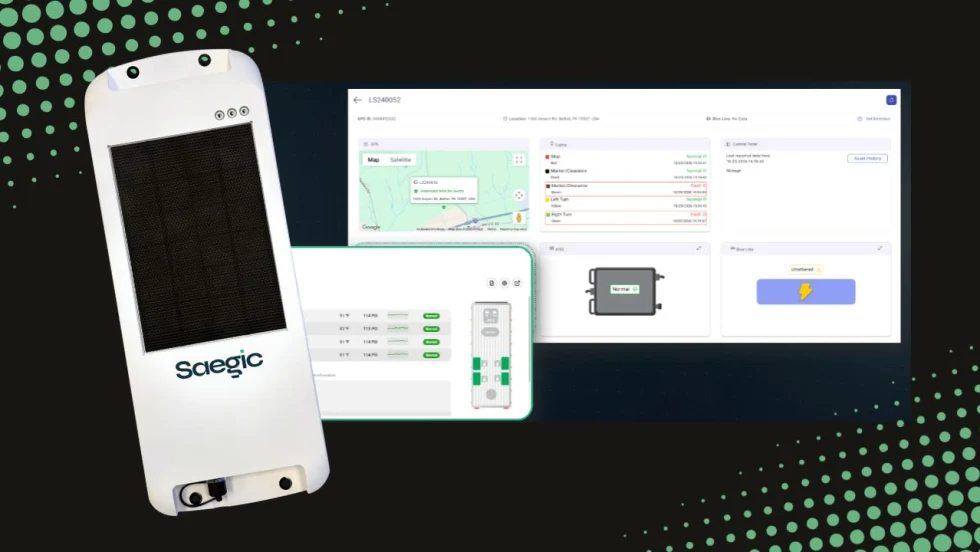
Road Ready Becomes Saegic, Launches New Trailer Telematics Gateway
Clarience Technologies is rolling out new hardware and expanding its plans for connecting trailer telematics, maintenance data, and video.
Read More →
Give Your Trucking Fleet a Cybersecurity Walkaround
Your fleet's cybersecurity policies may look good on paper. These seven checks can help you find out whether they’re working.
Read More →
Kodiak Lines Up Fleets for Driverless Trucking
An agreement for 75 trucks, a new Texas freight lane, and progress on safety validation move Kodiak closer to its planned driverless highway launch.
Read More →
ITS Logistics Settles Religious Harassment Case
The Nevada-based logistics firm agreed to pay more than $396,000 to settle a religious harassment charge involving an employee's Jewish identity.
Read More →
Your Trucks Are Busy. That Doesn’t Mean They’re Winning.
High utilization doesn’t always mean strong margins. Looking beyond the current load can help fleets make better dispatch decisions and get more value from each truck’s time.
Read More →
Why This Trucking Recovery Is Different
Freight demand remains sluggish, but rising costs and tougher enforcement have taken enough capacity out of the market to change the outlook for motor carriers.
Read More →
Platform Science Adds Dispatch and Safety Tools
Four additions to PS Fleet help fleets monitor loads, manage driver coaching, share truck locations and adjust video system settings.
Read More →
PrePass Intelligence Mines Fleet Bypass, Toll and Safety Data
PrePass Intelligence helps fleets measure bypass savings, flag potential toll overcharges, and spot suspicious transactions by combining data from separate systems.
Read More →
Motive Adds AI Agents for Fleet Operations
New tools automate follow-up on fleet data, from maintenance work orders to driver alerts, with two-way voice conversations planned for later this year.
Read More →