




"Reaching the Fed’s longer-term objective of 2% inflation, at this point, remains little more than a policymaker’s dream.”
Economic Watch: Retail Sales Decline, Keeping Inventories High; PPI Drops
Retail sales in the U.S. disappointed once again last month, causing high inventory levels to fall only marginally while wholesales prices declined, according to three separate reports released on Wednesday.

Evan Lockridge・Former Business Contributing Editor
4 min to read
Retail sales in the U.S. disappointed once again last month, causing high inventory levels to fall only a little, while wholesales prices declined, according to reports released on Wednesday.
The Commerce Department said the 0.3% decline in retail sales in March follows no change in February, revised from a 0.1% decline. The latest figure is less than expectations of a 0.1% increase in a poll of economists by Reuters. This marks the third consecutive month of zero or negative growth in retail spending.
Despite this month-over-month decline, the March performance was 1.7% better than the same time in 2015 – down from February's more than 3% year-over-year improvement. Total sales in the first quarter increased 2.8% from a year earlier.
Leading to the overall March decline was a 2.1% drop in spending on vehicles and parts. Excluding them, retail sales increased 0.2% from the month before.
“The slowing in consumer spending growth at the start of this year is surprising given solid employment gains in recent months, accommodative monetary conditions and low gasoline prices,” said Paul Ferley, assistant chief economist at RBC Economics. “Our expectation is that the supportive factors for consumer spending, including the unwinding of the recent increase in the savings rate, will prevent the slowing trend in consumer spending growth continuing, with the pace of [annual] activity rebounding to 2.8% in the second quarter.”
Business Inventories at Post-Recession High
Meantime, a separate Commerce Department report shows U.S. business inventories fell only 0.1% in February from the month before, signaling to trucking that it may take longer to clear out unsold merchandise and replace it with newly shipped products.
While the performance was expected by many economists, retail inventories excluding automobiles rose 0.3% in February following a 0.2% January hike. When February is compared to the same time in 2015, inventories have increased 1.2%.
According to MarketWatch, business inventories remain at their highest level since the Great Recession.
High inventories have received some of the blame for what many feel is a paltry overall economic performance in the U.S. so far this year, as well for reduced freight movements and rates in trucking, according to Eric Starks, president of FTR Transportation Intelligence.
Speaking late last month at the Fleet Forum during the Mid-America Trucking Show in Louisville, Ky., Starks noted, "Inventory levels are now problematic. Too much inventory reduces demand for freight transportation. We need to see inventories go down before [business] orders can pick up.”
PPI Posts Another Decline
Finally, a measure of prices for products and services at the wholesale level fell 0.1% in March from the month before, indicating inflation is far from being a threat to the U.S. economy.
The March performance of the Producer Price Index fell short of many analysts’ expectations, and follows a 0.2% drop in February.
Year-over-year, headline producer inflation has fallen back into negative territory, down 0.1% in March, marking more than a year of zero or below growth.
“Federal Reserve officials’ concerns regarding an unsustainable rise in inflation reported at the start of the year amid ‘downside risks’ appear to be coming to fruition with an unexpected retreat in producer prices at the end of the first quarter,” said Lindsey Piegza, chief economist with Stifel Fixed Income. “With sustained low energy costs, negative import prices and faltering wage growth, reaching the Fed’s longer-term objective of 2% inflation, at this point, remains little more than a policymaker’s dream.”
Earlier Fed officials indicated they wanted to see inflation reach an annual rate of 2% before boosting interest rates, however, they broke that rule while the made the first hike in years last December and there is reportedly little consensus by policy makers for a near-term increase.
According to Piegza, as the Fed noted in the latest March meeting minutes, inflation will likely remain subdued for some time as a result of sluggish international growth, as well as earlier declines in energy prices and appreciation of the dollar.
Piegza said aside from sluggish inflation, Wednesday's slew of disappointing data suggests consumer spending continues to lose momentum as Americans tighten their purse strings without the needed increase in income.
“Wages were on the rise at the end of last year, but have since retreated back down to the stagnant trend established in the aftermath of the Great Recession,” she said. “With expectations for topline activity in the first quarter previously downgraded after back-to-back months of negative retail spending at the start of the year, this morning’s confirmation of a third consecutive month of absent consumer activity will no doubt prompt a further downward revision to first-quarter [overall economic] growth, potentially into negative territory."
More Fleet Management
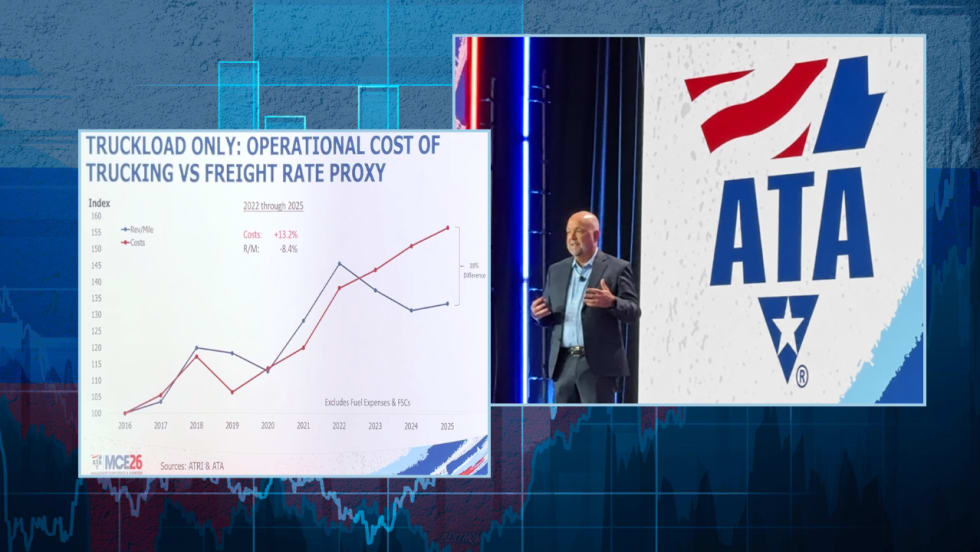
Why This Trucking Recovery Is Different
Freight demand remains sluggish, but rising costs and tougher enforcement have taken enough capacity out of the market to change the outlook for motor carriers.
Read More →
Platform Science Adds Dispatch and Safety Tools
Four additions to PS Fleet help fleets monitor loads, manage driver coaching, share truck locations and adjust video system settings.
Read More →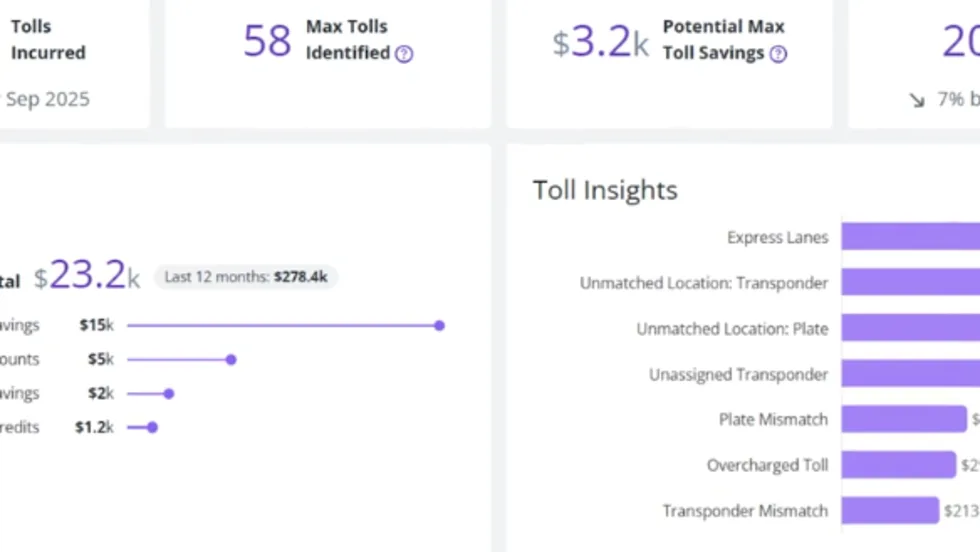
PrePass Intelligence Mines Fleet Bypass, Toll and Safety Data
PrePass Intelligence helps fleets measure bypass savings, flag potential toll overcharges, and spot suspicious transactions by combining data from separate systems.
Read More →
Motive Adds AI Agents for Fleet Operations
New tools automate follow-up on fleet data, from maintenance work orders to driver alerts, with two-way voice conversations planned for later this year.
Read More →
Can You Beat Our Trucking Trivia Challenge?
Test your truck knowledge with 19 trivia questions from Heavy Duty Trucking Exchange. Can you keep up with the fleet pros?
Read More →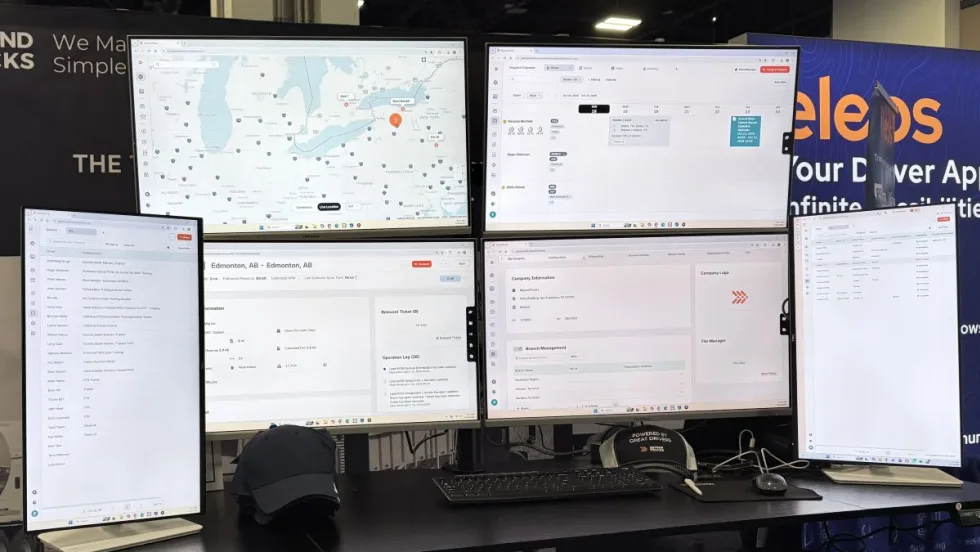
BeyondTrucks Adds Rules Checks to Dispatch
New Compatibility Engine checks driver qualifications, equipment requirements and fleet policies before loads are dispatched.
Read More →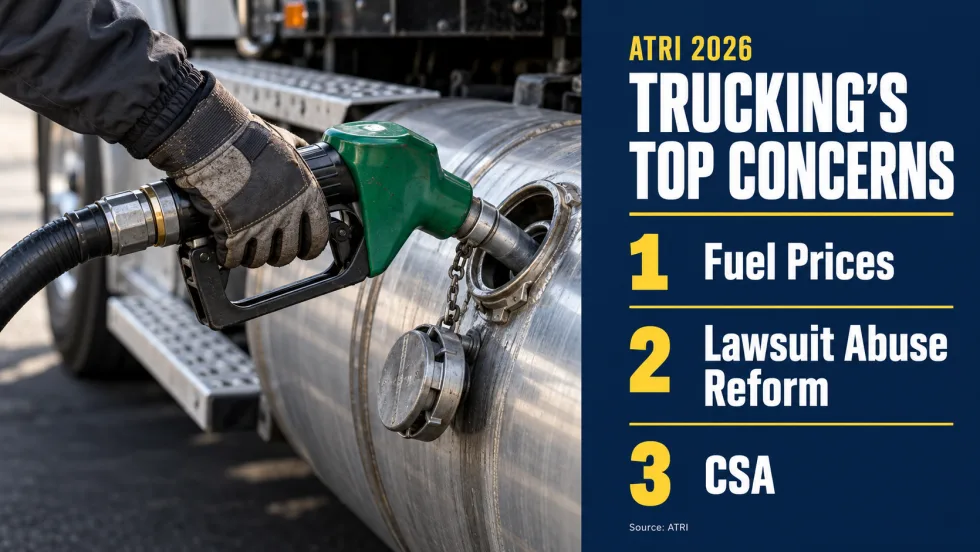
Diesel Prices Hijack Trucking’s Worry List
ATRI’s annual survey finds cautious optimism about freight, but diesel costs, litigation, and insurance continue to squeeze fleets. Drivers have different priorities on several issues.
Read More →
Nomination Deadline Extended for HDT Emerging Leaders
Just a few more days to nominate accomplished trucking fleet professionals under 40 who are making an impact and helping lead the industry forward for the HDT Emerging Leaders award. Deadline extended to October 20!
Read More →
What Will ATA’s New Leader Bring to Trucking's Table?
Incoming President and CEO Mark Colson’s record in Alabama offers clues about his priorities and approach following Chris Spear’s abrupt departure as the head of the American Trucking Associations.
Read More →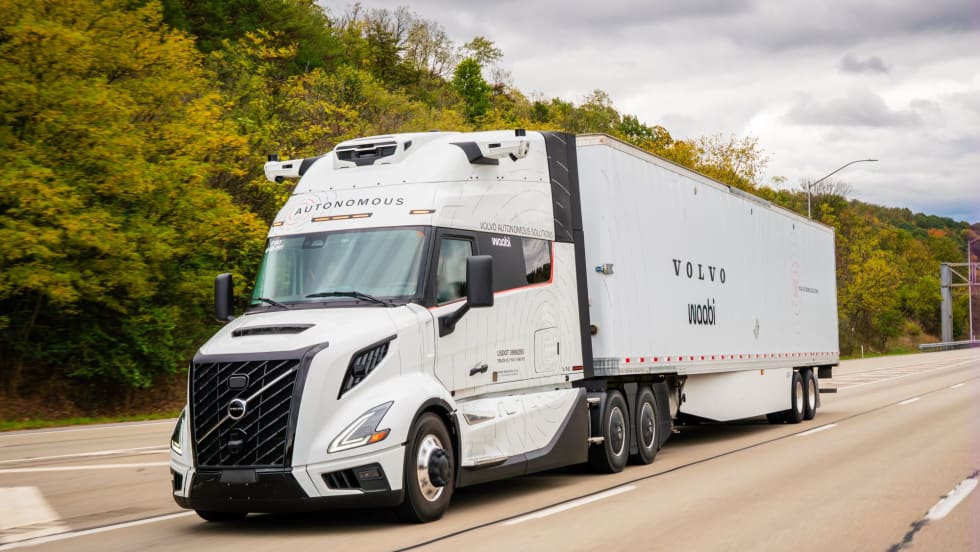
Volvo, Waabi Start Commercial Autonomous Operations in Texas
Volvo VNL Autonomous trucks, powered by the Waabi Driver, are hauling freight directly to third-party facilities for a customer in Texas.
Read More →