




CVSA Offers Two Roadside Inspection Training Courses
The Commercial Vehicle Safety Alliance is offering two roadside inspection training courses to help trucking industry members help better understand roadside regulatory requirements.

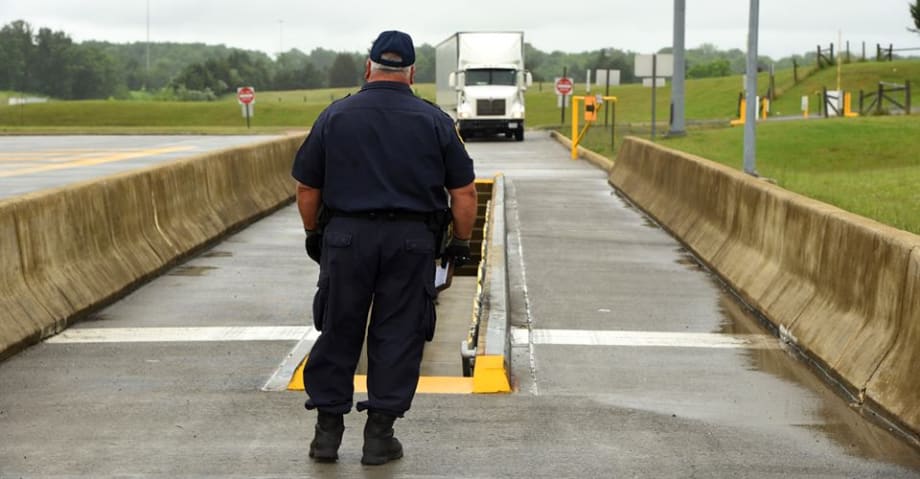
CVSA is offering two courses on roadside inspections for trucking industry members. Photo: CVSA
Photo courtesy CVSA
The Commercial Vehicle Safety Alliance is offering two roadside inspection training courses to help trucking industry members help better understand roadside regulatory requirements.
The goal is to give students the tools and knowledge to comply with roadside safety regulations and better understand the relationship between regulatory violations and out-of-service conditions.
CVSA is offering two separate weeklong courses in Salt Lake City, Utah, one on roadside inspection driver requirements, the other on vehicle requirements.
“Our industry members have been asking for training on the CVSA Roadside Inspection Program for a long time, and we’re now finally able to offer that valuable training,” said Kerri Wirachowsky, CVSA director of roadside inspection program. “This is essentially the same training our inspectors receive, adjusted for industry.”
The first course, Industry Roadside Inspection Course – Driver Requirements, will take place on June 11-15. Offered exclusively to industry members, the focus of the training will be on driver-related roadside requirements and out-of-service conditions. The course includes information on regulatory definitions, intrastate vs. interstate operations, CDL and driver qualification requirements, hazardous materials, hours-of-service rules, annual inspections on commercial motor vehicles, and the DataQs filing process. The deadline for registration is May 25.
The second course, Industry Roadside Inspection Course – Vehicle Requirements, will take place on July 16-20. The training will focus on vehicle-related roadside requirements and out-of-service conditions, including regulatory requirements of 49 CFR 393, 396 and Appendix G. The course is designed to thoroughly explain the regulations, and North American Level I Inspection Procedure and Out-of-Service Criteria as it relates to the vehicle components of a commercial motor vehicle. The deadline for registration is June 29.
The target audience is motor carriers, owner-operators, commercial motor vehicle drivers, technicians, fleet managers, vendors, etc. Both training courses are open to both CVSA members and non-members. The cost is $995 for Class III Associate Members or $1,195 for non-members for each five-day course. There’s a class size limit of 25, so register soon.
For questions or more information, contact CVSA Director of Roadside Inspection Program Kerri Wirachowsky at kerriw@cvsa.org.
Related: RoadCheck Inspections Will Focus on Hours of Service Compliance
More Safety & Compliance
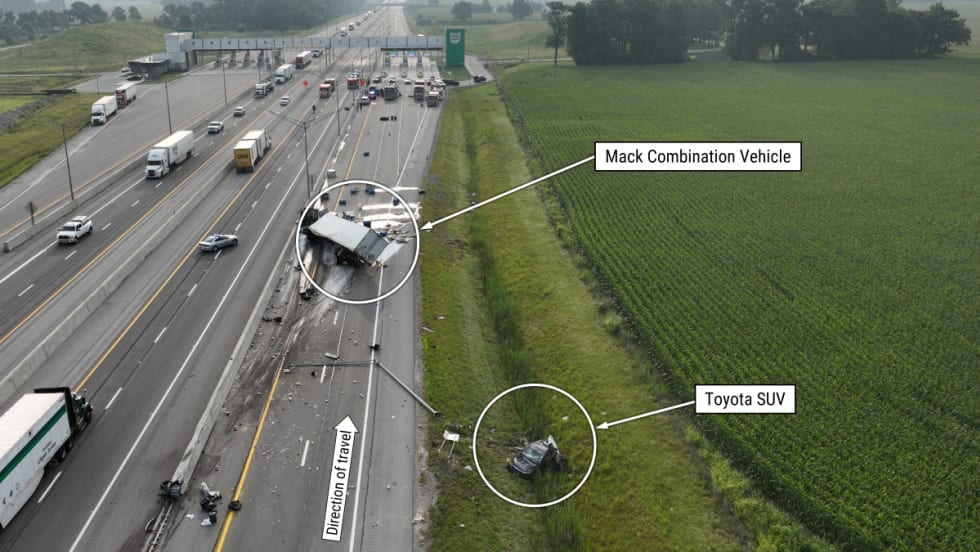
Fatal Crash Exposes Toll Plaza Risks
An NTSB investigation found that last-minute lane changes and large speed differences at an Ohio toll plaza created a hazard the truck driver couldn't avoid in time.
Read More →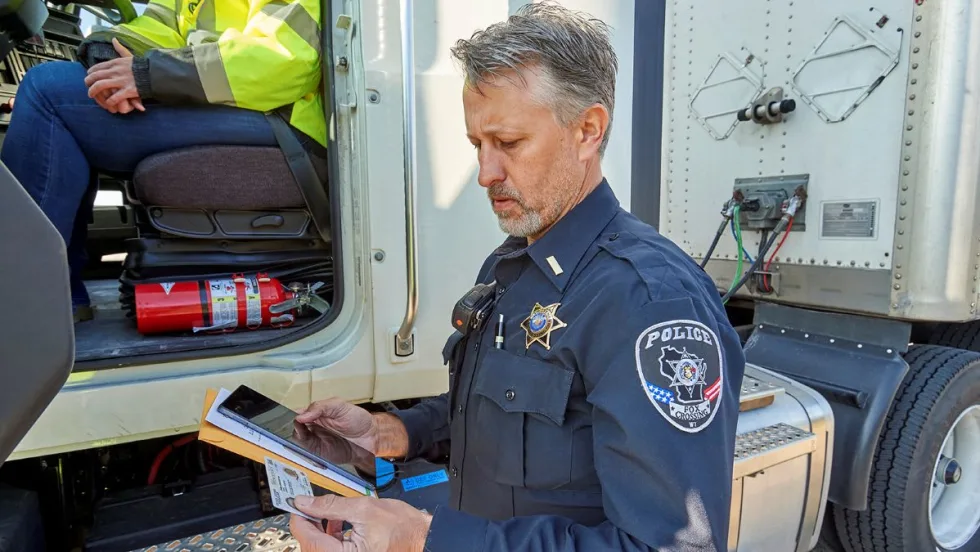
When Language Stops the Truck: The Return of ELP Out-of-Service Orders
English language proficiency rules for commercial drivers aren’t new, but renewed out-of-service enforcement has raised the stakes. Here’s what carriers need to know before a driver reaches a roadside inspection.
Read More →
A Camera Isn't a Safety Program. Here's What Brokers Are Screening for Now
Footage alone may not be enough to pass broker vetting processes. Here's what counts as a defensible safety program now.
Read More →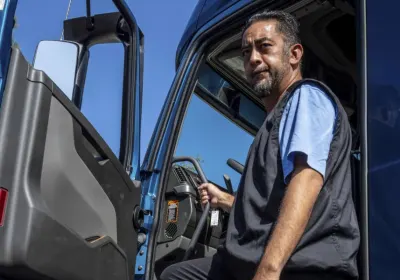

Marijuana and Trucking’s Drug-Testing Dilemma
Marijuana is getting stronger, laws are changing, and drug tests still can’t reliably establish impairment. What does that mean for truck drivers and the fleets that employ them?
Read More →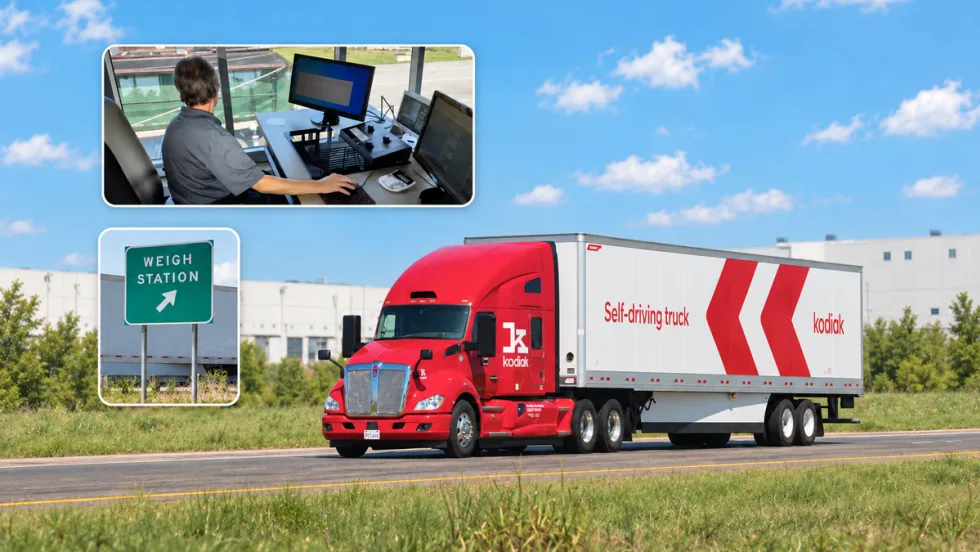
PrePass, Kodiak Connect Driverless Trucks to Roadside Enforcement
The system will allow enforcement agencies to verify Enhanced Inspection information and decide whether Kodiak’s autonomous trucks can bypass roadside screening sites.
Read More →
From One Generation to the Next: How Mentorship Builds Safer Truck Drivers
After three decades in trucking, Harold Perry shares what he's learned about driver safety, mentorship, and helping the next generation build confidence behind the wheel.
Read More →
FMCSA Pauses Biennial-Update Enforcement Amid Motus Transition
Carriers whose updates were due on or after June 1 have more time, while FMCSA works to stabilize its new registration system and warns of phishing sites impersonating its new carrier registration system, Motus.
Read More →
ZF Expands Commercial Vehicle Push in North America
ZF is expanding its North American commercial-vehicle presence with new transmission applications, electrification, trailer technology and autonomous-driving systems.
Read More →
Truck Drivers Need More Than Another Alert
Fleets have more visibility into truck health, safety events, and driver activity than ever. The next challenge is turning all that information into useful guidance for the person who has to decide what to do next.
Read More →
Tesla Wants a Self-Driving Semi. Are Cameras Enough?
Could Tesla’s camera-only autonomous driving technology work on an 80,000-pound Semi? In this commentary, HDT's Deborah Lockridge takes a look at Tesla, Cybercab, and how autonomous trucks see the road.
Read More →