





10 Articles to Help Trucking Companies Prepare for Brake Safety Week
Brake Safety Week to Focus on Drums and Rotors
Commercial vehicle inspectors are focusing on truck brakes during CVSA's Brake Safety Week, August 23-29.
July 31, 2026

In 2025, 113 drum-and-rotor violations were found in 15,175 inspections during Brake Safety Week.
Credit:
HDT/CVSA
2 min to read
- Brake Safety Week, held from August 23-29, focuses on inspecting commercial vehicles' brake systems across Canada, Mexico, and the U.S.
- Special attention during inspections will be given to drums and rotors, as issues with these components can lead to road hazards.
- Inspectors will gather and report data on brake-related violations to the Commercial Vehicle Safety Alliance for analysis and results publication.
*Summarized by AI
Brakes will be a commercial vehicle inspection focus August 23-29 during the Commercial Vehicle Safety Alliance’s Brake Safety Week.
During this seven-day focused inspection and enforcement initiative, inspectors in Canada, Mexico and the U.S. will conduct routine commercial motor vehicle inspections with a special focus on brake systems and components.
Vehicles with brake-related out-of-service violations, or any other out-of-service violations, will be removed from roadways until those violations are corrected.
During 2025's Brake Safety Week, commercial motor vehicle inspectors placed 2,296 vehicles out of service due to brake-related violations. That is a 15.1% out-of-service rate.
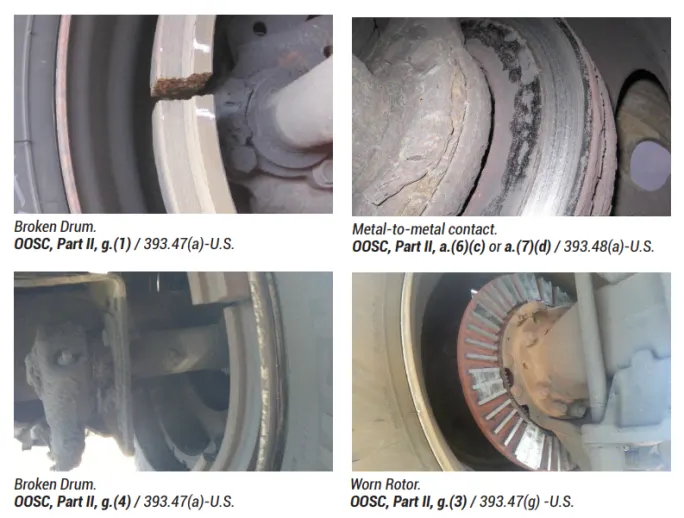
Examples of drum and rotor problems found during brake inspections.
Credit:
CVSA
This year, inspectors will focus on drums and rotors, as they did in 2025.
In 2025, 113 drum-and-rotor violations were found during 15,175 inspections. Thirty-nine commercial motor vehicles were placed out of service for rotor and/or drum violations.
Brake drum and rotor issues not only affect your brake efficiency. Broken pieces of drums and rotors can become dislodged on the road, damaging other vehicles or causing injuries or fatalities.
What is Brake Safety Week?
During Brake Safety Week, inspectors will report data to CVSA about vehicle inspections and brake-related violations. CVSA will collect and analyze all submitted brake-related data and release the results later this year.
In addition to inspections, CVSA said Brake Safety Week also emphasizes education and awareness. Inspectors and officials will engage with drivers, motor carriers and mechanics to highlight the role of preventive maintenance in reducing crashes and saving lives.
Motor carriers and drivers are encouraged to perform thorough pre- and post-trip inspections and ensure all brake components are in proper working condition before operating their vehicles.
CVSA Brake Inspection Tips
CVSA offered some tips from commercial motor vehicle inspectors for drivers and motor carriers.
- Inspect visible portions of the drum or rotor as part of your pre- and post-trip inspections.
- Look for signs of cracked or broken pieces in the friction surface of the rotor.
- Look for cracks that run through to the outer portion of the drum or missing pieces, where visible.
- On disc brakes, pay attention to the condition of the rotor. Heavily rusted rotors across the entire friction surface indicate an inoperative brake.
- If the rotor is grooved, indicating metal-to-metal contact, that means the brake pads are worn and the shoe is making contact with the rotor.
- Ensure the rotor is not worn to the extent that the center vents are exposed.
- Make sure all repairs are consistent with the brake manufacturer’s requirements and guidelines.
- Note any issues in your driver vehicle inspection reports and report them to the motor carrier.
More Maintenance

Truck Drivers Need More Than Another Alert
Fleets have more visibility into truck health, safety events, and driver activity than ever. The next challenge is turning all that information into useful guidance for the person who has to decide what to do next.
Read More →
The Maintenance Checks Trucking Fleets Should Prioritize Before Fall Freight Picks Up
Making it through August isn’t the same as being ready for the next several months of operation. Find out what systems may have suffered from summer heat and need to be checked out before fall.
Read More →
What Three Fleets Are Doing Differently When Buying Truck Parts in 2026
With freight improving but costs still climbing, fleet maintenance executives explain how they're balancing price, quality, and supplier relationships.
Read More →
Paccar Recalls 2027 Trucks Built This Summer for Possible Electrical Problem
The nearly 6,000 Kenworth and Peterbilt trucks in the recall could potentially lose engine power, among other things.
Read More →
Will API PC-12 Oil Change Trucking Fleet Maintenance?
The new API PC-12 heavy-duty engine oil category reflects the changing demands of modern diesel engines. But fleets like Foodliner are looking to getting their own data before making decisions on adopting the new oils and questions such as extending oil drain intervals.
Read More →
Possible Battery-Cable Fires Prompt Recall of 15,000+ International MV and HV Trucks
On the recalled vehicles, manufacturing variations can cause the battery interconnect cable to contact the auxiliary stud and hold down the bracket.
Read More →
Rush, MCT Team Up to Grow Refrigeration Service Network
The joint venture will operate MCT's network of Carrier Transicold dealerships and mobile service locations, with the companies promising greater service capacity and uptime for refrigerated fleets.
Read More →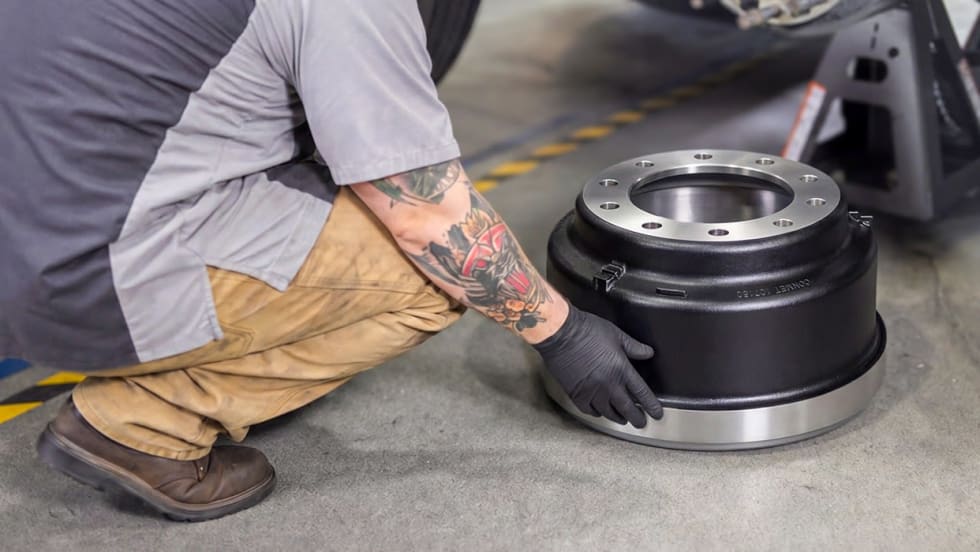
ConMet Expands Aftermarket Brake Drum Lineup With TruCast
A new heavy-duty truck brake drum option in the aftermarket gives customers more flexibility within the ConMet product family.
Read More →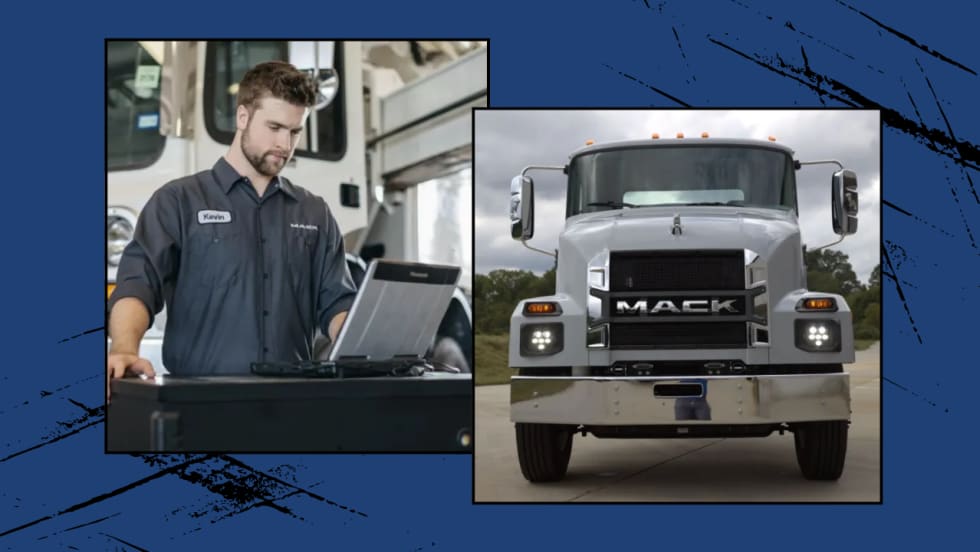
Mack Expands Premium Service Contract Coverage to Medium-Duty MD
With a service contract, inspections, preventive maintenance and repairs can be handled in a single visit instead of multiple ones.
Read More →
Maintenance in the Messy Middle Part 5: Battery-Electric Trucks
No oil changes. No diesel exhaust fluid. No exhaust aftertreatment. But NACFE battery-electric trucks still require specialized maintenance procedures.
Read More →