





How to Get More Out of Commercial Driver Vehicle Inspections
How to Stay Out of Trouble During Brake Safety Week
If CVSA vehicle inspectors manage to find so many brake defects during roadside inspections, why can’t technicians and drivers find them first?
August 23, 2022

Brake Safety Week brings an increased focus on brake safety through targeted inspections. Are your brakes ready?
Photo: CVSA
6 min to read
Brake Safety Week is the Commercial Vehicle Safety Alliance’s seven-day brake inspection and brake-safety outreach campaign designed to raise awareness of brake safety issues. The week-long initiative is not about writing as many tickets as possible and chalking up points for the creeper-cops. It’s more about getting fleets, drivers, and technicians to take brake inspections and maintenance more seriously.
Do we have a problem with brake maintenance? Some would say that putting 15-20% of the vehicles inspected out-of-service for brake defects is a problem. But those numbers also indicated that 80-85% of the vehicles inspected were not placed out of service. They may have had other minor defects, but they were not placed OOS for brake related reasons.
The five-year average brake related out-of-service rate during Brake Safety Week (2016-2021) is 13.2% of the trucks inspected. Those defects included having 20% or more of the brakes on the truck stroking beyond their adjustment limit, contaminated brake linings, badly chafed or damaged brake hoses, or missing or broken brake parts.

This year’s focus is hoses and tubing. Inspectors will be watching closely for indicators of damaged, kinked, or improper brake tubing.
Photo: CVSA
In many aspects of life, and 80-85% pass rate would be considered good. But if your family car was run over by one of the 13-percenters, you wouldn’t be so smug about the pass rate.
The question isn’t whether 87% is an acceptable pass rate. The question is why were those defects not detected by drivers or fleet maintenance personnel? If a CVSA inspector can find brake defects using only his or her eyes and a tape measure, why can’t drivers and technicians spot them too?
Commercial Vehicle Safety Alliance’s Director of Safety Programs Will Schaefer puts it down to a lack of diligence on the drivers’ part, and possibly a lack of understanding on the technicians’ part.
“I think that in some cases, drivers and carriers or personnel who are looking at vehicles could be more informed and could spot things that that are inspectors are putting vehicles out of service for,” he told us in a recent podcast interview.
Schaefer said technicians are versed in maintenance practices but might not understand the regulatory environment surrounding brakes. They might think if a brake appears to be functioning, there’s lining on the shoes, the drums aren’t cracked, and they haven’t had any complaints from drivers, they must be good to go.
“I don't want to speak disparagingly of brake technicians, but I know from many in the industry that even technicians that are working on brakes don't really understand a lot of the violations and how they are applied,” he said. “The regulations don't tell how to do maintenance, but they offer signs that if you have such-and-such violation, something's wrong.”
Do Drivers & Techs Understand Brakes?
Back in the early aughts, and again in 2012, CVSA published a brake quiz aimed at drivers and technicians on how to inspect brakes (we republished some of that quiz a year ago). A total of 895 drivers and 404 technicians participated in the survey. The results were troubling.
The drivers' quiz asked "right or wrong" questions about basic brake stuff that would help drivers in an inspection, the average score was 57%. On one question, responses indicated 62% of drivers were using incorrect and unreliable methods of determining brake adjustment, including the "feel" of the brakes, and the pressure drop during an application.
The service technician survey consisted of 25 questions requiring a total of 31 responses. These required 27 right or wrong responses and were designed to measure technicians’ knowledge of brakes and brake inspection and adjustment methods.
Overall, 59% of the participating technicians scored 60% or higher while 11% scored 30% or lower. Only 18% scored 80% or higher. The average score for technicians who left some of the responses blank was just 53%. For technicians who answered all the questions, the average score was 68%.

CVSA has a collection of images taken during roadside inspection that make it difficult to believe a vehicle had been visually inspected at the beginning of the driving shift.
Photo: CVSA
The obvious question is, if drivers and technicians can’t navigate a brake inspection quiz, how good are they at preforming brake inspections in the real world?
“I think, in some cases, drivers and personnel who are looking at vehicles could be more informed and should be able spot things that inspectors are putting vehicles out of service for,” Schaefer said. “But in some cases, I think they are not even looking. I think that some pre-trip inspections might be, let's say, a little cursory.”
In fairness to drivers, Schaefer acknowledged that some fleets don't allow their drivers to go under their vehicles. “That becomes an OSHA concern or liability concern. Or it could be that drivers just aren’t trained to do things under the vehicle,” he said.
And it should be noted that it’s bloody difficult to get under a tractor today, with all the side skits, aero fairings and the like. Unfortunately, the regulations haven’t kept pace with advancements in aerodynamics -- drivers are still responsible for the condition the brakes on the truck they’re driving, even if inspecting them is almost impossible.
Brake OOS Implications
We’re lucky that heavy truck crash causal-factor statistics do not correlate to the brake OOS rates.
“The percentage of time that that brakes were found to be a principal causal factor in truck crashes is not 20%,” Schaefer acknowledged.
Brake defects are cited as contributing factors in a very small fraction of the crashes investigated. But the OOS rate worries and uninformed media and the public. And a bad record of brake maintenance can haunt a carrier. Intrepid reporters revealed the carrier involved in the Lakewood, Colorado in 2019 had be cited for brake violations several times prior to the crash -- in which the brake condition (coupled with driver error) was a causal factor.
There’s a perception amongst some drivers that brake inspections are simply an excuse to write tickets, and that it’s just not possible maintain brake in 100% perfect condition all the time. There is, in fact, quite a bit of tolerance built into the regulations. Not all defects result in the truck being place out of service. And not all citations are aimed directly at the driver.
For example, axles with mismatched slack adjusters or brake chamber sizes are usually written against the truck’s owner (usually the fleet). But there are other violations that are almost inexcusably obvious, such as oil-soaked brake linings resulting from a wheel-seal failure, broken or outright missing brake parts, or air leaks.

CVSA has a collection of images taken during roadside inspection that make it difficult to believe a vehicle had been visually inspected at the beginning of the driving shift.
Photo: CVSA
Fleets are very concerned these days about monitoring drivers’ on-road performance, using cameras and various bit of technology to watch for tailgating, lane departures, etc., but how many fleets have actually worked with drivers to develop or improve their pre-trip inspections, especially brake inspections?
How many fleets equip their trucks with highly visible brake stroke indicators to help drivers spot potentially over-stroking brakes? How much time is spent during orientation and on-boarding to ensure drivers actually know how to inspect their brakes?
If you want to keep your fleet on the right side of the violation ledger during Brake Safety Week, during Roadcheck, or on any given day of the year, you have to ensure the team is well informed and even trained -- yes, the dreaded T-word -- in brake inspection, including technicians who work on brakes, or the personnel who staff the drive-thru inspection lanes at terminals.
Brake safety is not just the drivers’ responsibility.
More Maintenance
Sponsored•November 6, 2026
Unlocking the performance advantages of PC-12
2027 will mark the arrival of a new generation of heavy-duty engine oils. PC-12 reflects how far engine design has advanced and the demands that progress places on heavy-duty lubricants. Here’s what the transition means to your fleet.
Read More →
Sponsored•November 3, 2026
6 Tips for Troubleshooting Cold-Weather Truck Problem: Don't Guess, Diagnose it
Cold weather can expose hidden truck problems. Discover six practical troubleshooting tips to pinpoint the cause, avoid unnecessary repairs and keep trucks on the road.
Read More →
How GP Transco Builds Fuel Savings a Fraction at a Time
Aerodynamic specs, solar panels, and driver incentives help GP Transco turn small efficiency gains into savings it can reinvest in its people.
Read More →

Oil Crisis Squeezes Trucking Lubricant Supplies
Fleets report higher lubricant costs as Middle East disruptions tighten supplies of ingredients used in synthetic engine oils and some driveline lubricants.
Read More →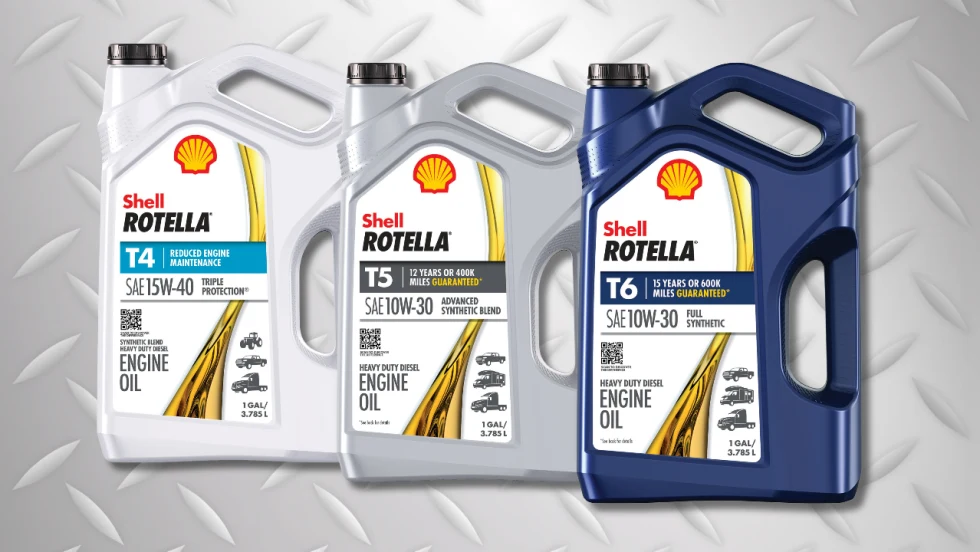
Shell Prepares Rotella Oils for 2027
New CL-4 and FB-4 formulations will begin arriving in early 2027, with improved protection against oil breakdown, wear and deposits, according to Shell.
Read More →
Mack Expands Extended Coverage With Four Chassis System Plans
Mack Trucks' new system-specific coverage options allow heavy-duty fleets to select protection for driveline, cab, HVAC, electronics, and advanced safety components.
Read More →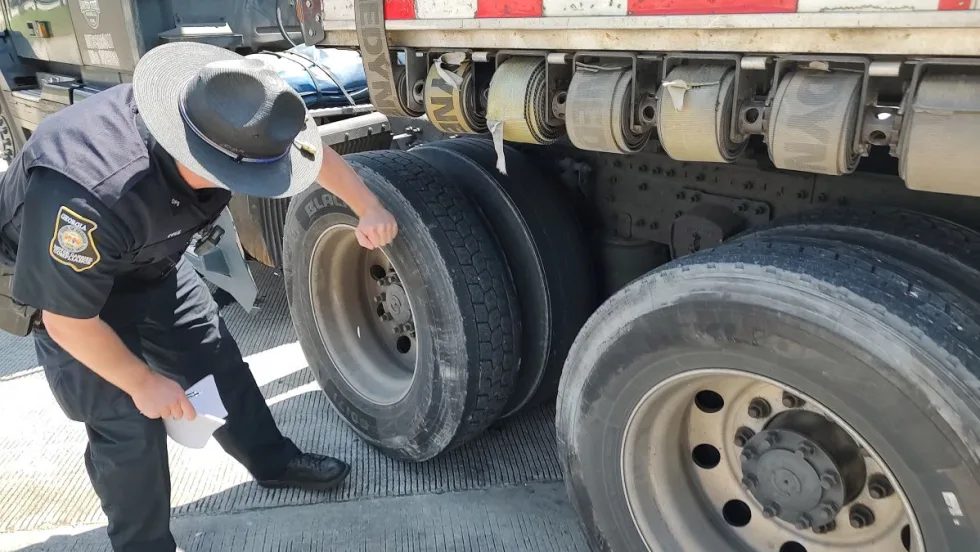
What an Out-of-Service Order Really Costs, and How to Plan for One
The repair invoice is the first number you see — and often one of the smallest. Here’s what else an out-of-service order can cost a fleet, and how planning can reduce the damage.
Read More →
International Launches Online Truck Parts Store
Fleetrite.com lets fleets and repair shops find OEM and all-makes parts, check prices and availability, and order without calling a parts counter.
Read More →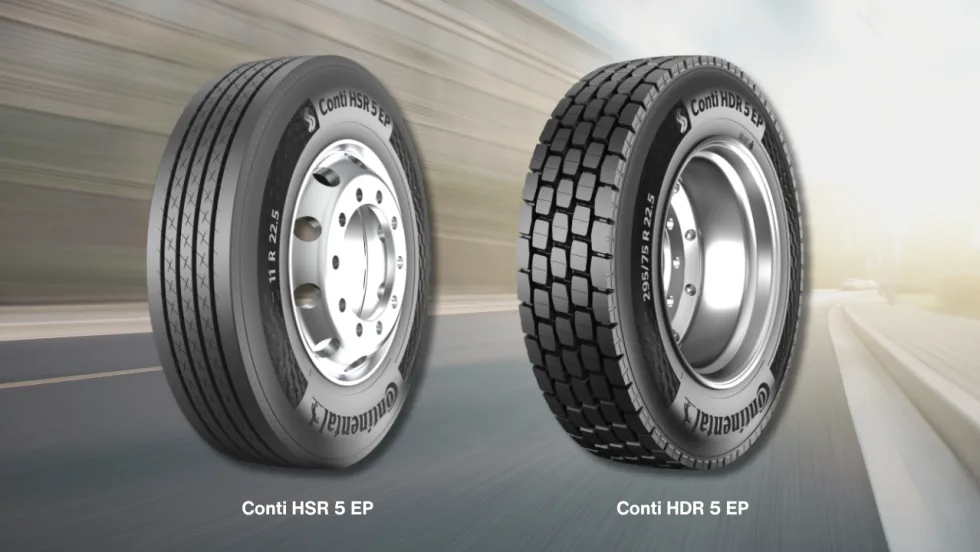
Continental Introduces New Regional Truck Tires
Continental says its new Generation 5 steer and drive tires for regional operations offer longer tread life, with estimated mileage gains of 22% and 19%, respectively.
Read More →
Color Match Smarter: Tools That Restore & Perform
For fleet managers and collision repair professionals keeping heavy-duty trucks on the road, getting the color right the first time isn't just about appearance — it's about efficiency, turnaround time, and bottom-line results. Discover how today's digital color tools are transforming the repair process from guesswork to precision.
Read More →