




Mack Adds 'Lock & Leave' Feature to Simplify Over-the-Air Software Updates
Mack’s new OTA enhancement allows drivers to start eligible software updates, lock the truck and walk away.

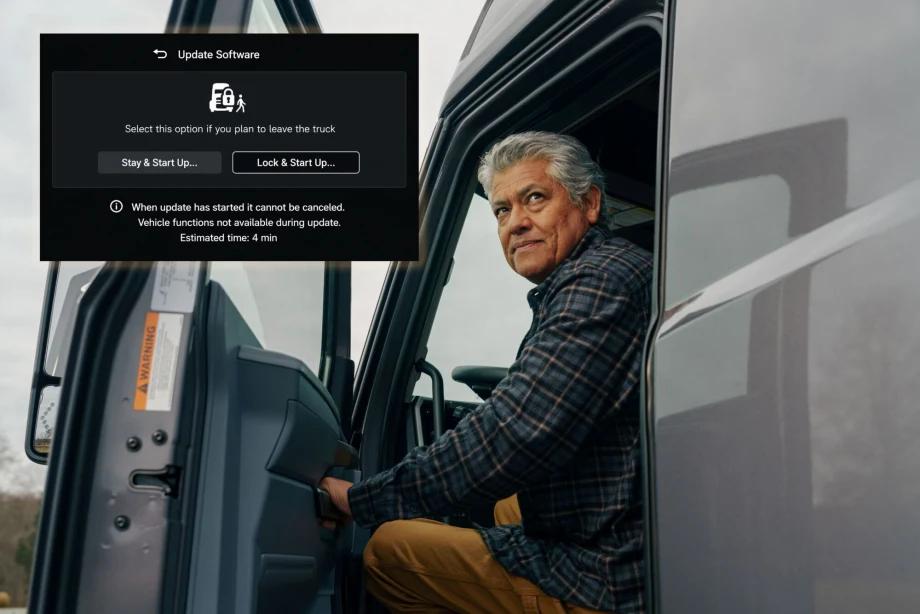
Once a Mack driver initiates an eligible software update through Driver Display Activation, they simply exit the truck, lock it and leave.
Mack Trucks
Mack Trucks is taking another step toward simplifying fleet maintenance with a new Lock & Leave enhancement for its Mack Over-the-Air (OTA) software update platform.
The new feature allows drivers to initiate eligible software updates, exit the truck, lock the doors and leave while the vehicle completes the update on its own. Once installation is finished, the truck automatically powers down and is ready to return to service when the driver comes back.
Mack said the feature is designed to reduce downtime and make software updates less disruptive as commercial trucks become increasingly dependent on software to deliver new features, improve performance and address recalls or service campaigns.
The Lock & Leave capability is expected to be available this fall following final validation.
Designed to Maximize Uptime
According to Mack, the enhancement enables fleets to perform software updates during normal periods of downtime, including overnight, at the end of a driver's shift or during rest breaks.
The same capability also benefits maintenance operations. Technicians can initiate updates on multiple trucks in succession without needing to return to each vehicle once the installation begins.
"Mack customers measure success by how much time their trucks spend on the road," said Jonathan Randall, president of Mack Trucks North America. "Lock & Leave removes another barrier to remote software updates. Drivers can start the update, finish their day, and let the truck take care of the rest."
Building on Existing OTA Capabilities
The new feature expands Mack's existing Over-the-Air update platform, which allows software and parameter updates to be delivered directly to connected trucks without requiring a dealership visit.
Drivers can initiate eligible updates through the truck's Driver Display Activation system, eliminating the need for laptops, cables or diagnostic equipment. Mack's AutoSend capability proactively delivers software updates so fleets can install them during scheduled downtime.
Mack said it has completed more than 50,000 remote software updates over the past 12 months, achieving a 99.99% success rate.
In addition to remote software and parameter updates, Mack OTA supports enterprise-scale deployment across large, connected fleets and includes assistance from Mack connected vehicle specialists.
Lock & Leave will initially be available on Mack's newest truck platforms, including the Mack Pioneer, Mack Anthem, all-new Mack Granite, and Mack Keystone.
The enhancement reflects the trucking industry's continued shift toward software-defined vehicles, where remote updates increasingly play an important role in improving vehicle performance, deploying new capabilities and reducing service interruptions without taking trucks off the road.
More Maintenance
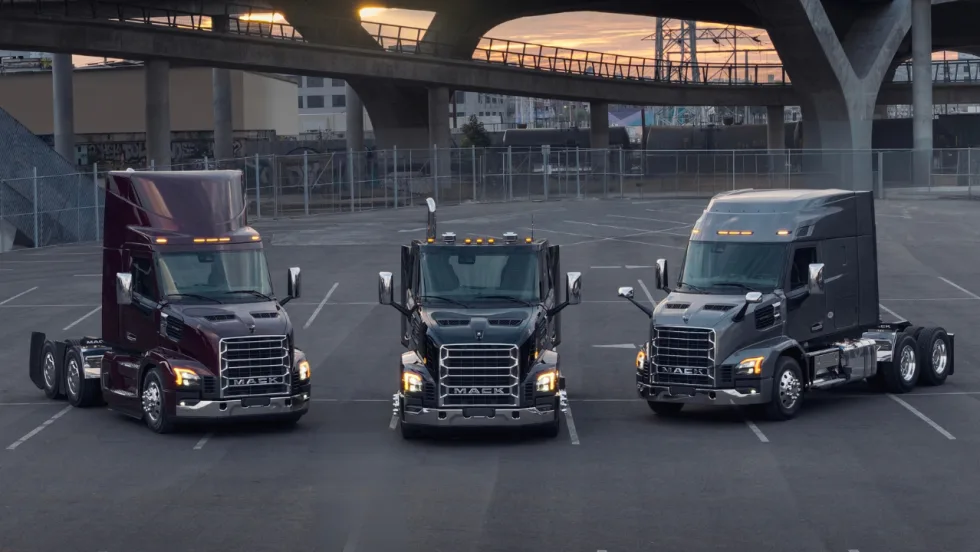
Mack Expands Extended Coverage With Four Chassis System Plans
Mack Trucks' new system-specific coverage options allow heavy-duty fleets to select protection for driveline, cab, HVAC, electronics, and advanced safety components.
Read More →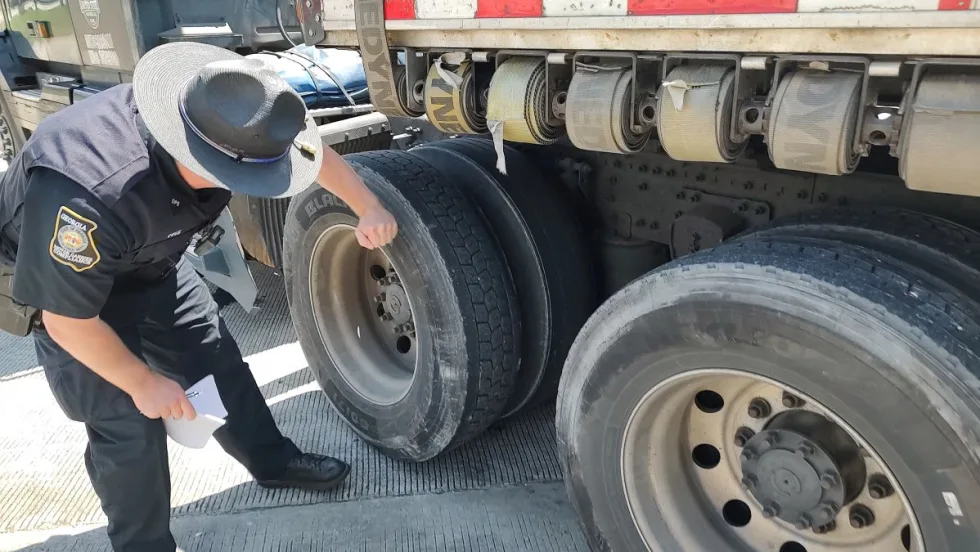
What an Out-of-Service Order Really Costs, and How to Plan for One
The repair invoice is the first number you see — and often one of the smallest. Here’s what else an out-of-service order can cost a fleet, and how planning can reduce the damage.
Read More →
International Launches Online Truck Parts Store
Fleetrite.com lets fleets and repair shops find OEM and all-makes parts, check prices and availability, and order without calling a parts counter.
Read More →

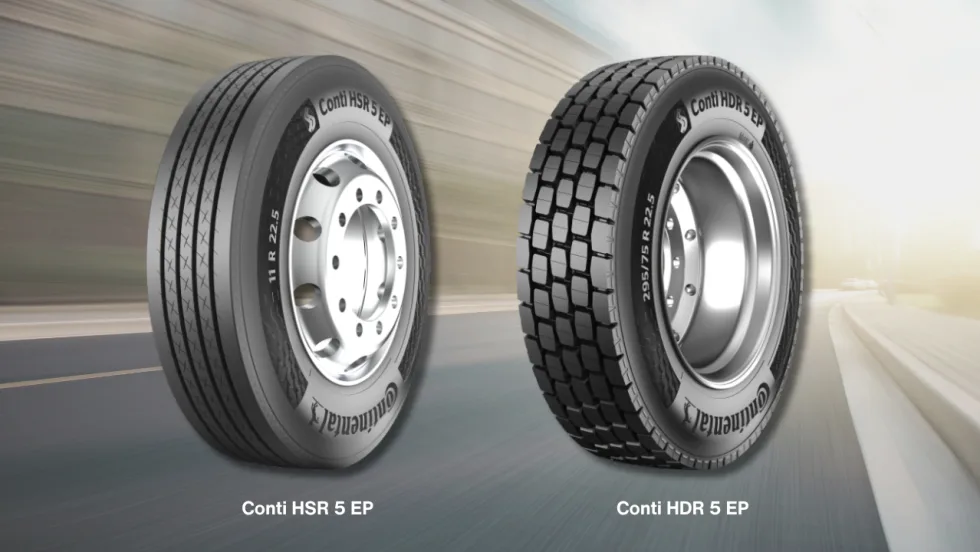
Continental Introduces New Regional Truck Tires
Continental says its new Generation 5 steer and drive tires for regional operations offer longer tread life, with estimated mileage gains of 22% and 19%, respectively.
Read More →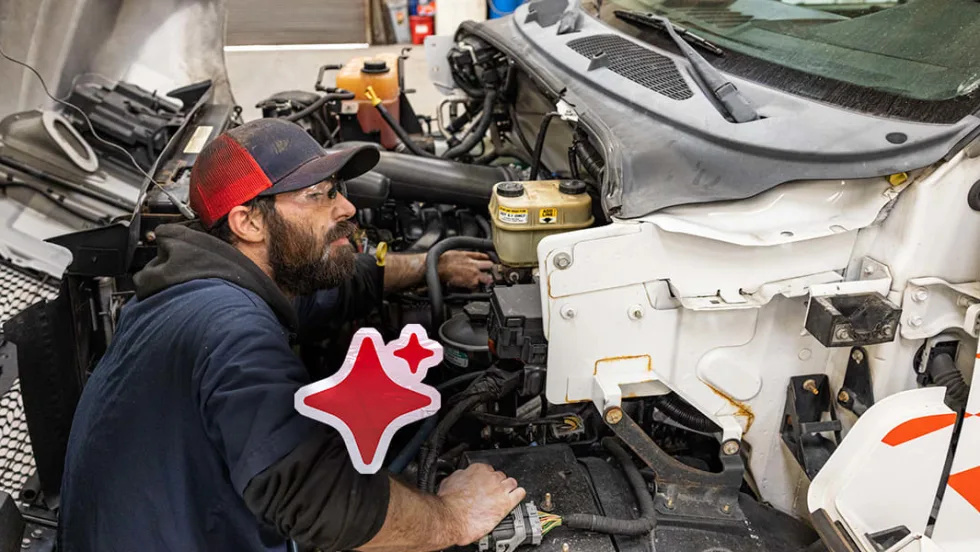
How AI Can Help Your Techs’ Efficiency
The technician shortage isn't going away, and no single fix can close the gap on its own. Trent Broberg makes the case that AI's real job in the shop is protecting the billable hours and job satisfaction of the techs you already have, not asking them to work faster.
Read More →
Color Match Smarter: Tools That Restore & Perform
For fleet managers and collision repair professionals keeping heavy-duty trucks on the road, getting the color right the first time isn't just about appearance — it's about efficiency, turnaround time, and bottom-line results. Discover how today's digital color tools are transforming the repair process from guesswork to precision.
Read More →
Wrong Repair Prompts Recall of Freightliner, Western Star 4x2 Trucks
DTNA is recalling more than 2,400 trucks that received an incompatible software fix instead of the hardware repair required to address brake valve corrosion.
Read More →
Truck Drivers Need More Than Another Alert
Fleets have more visibility into truck health, safety events, and driver activity than ever. The next challenge is turning all that information into useful guidance for the person who has to decide what to do next.
Read More →
The Maintenance Checks Trucking Fleets Should Prioritize Before Fall Freight Picks Up
Making it through August isn’t the same as being ready for the next several months of operation. Find out what systems may have suffered from summer heat and need to be checked out before fall.
Read More →
What Three Fleets Are Doing Differently When Buying Truck Parts in 2026
With freight improving but costs still climbing, fleet maintenance executives explain how they're balancing price, quality, and supplier relationships.
Read More →