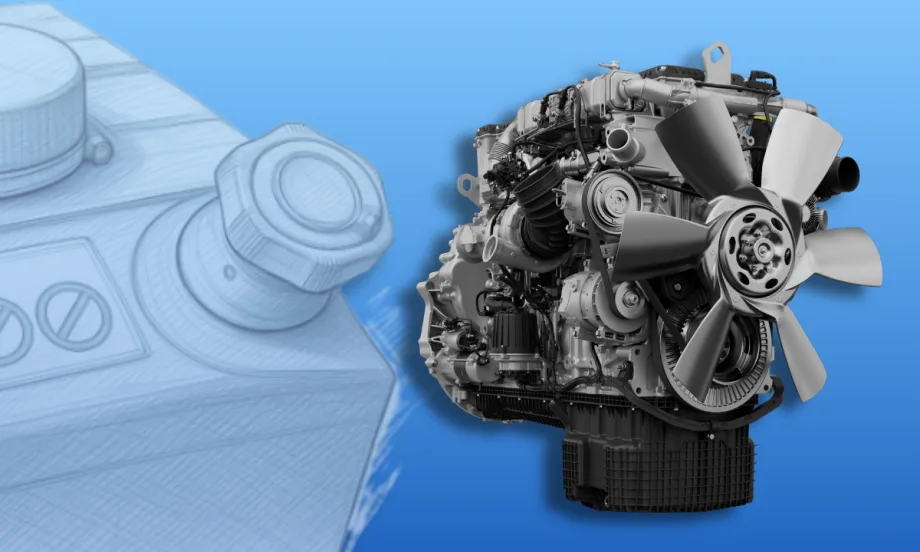
Daimler Truck North America is updating emissions software on about 330,000 Detroit-powered trucks, giving fleets more time to address diesel exhaust fluid system faults before severe derates take effect.
The updated software, already being shipped on DTNA’s latest Detroit-equipped Freightliner and Western Star vehicles, reflects the Environmental Protection Agency’s revised guidance on diesel exhaust fluid inducements.
The company began rolling out the software to approximately 330,000 in-service vehicles in February, covering DD15 engines (model years 2021-2025) and DD13 engines (model years 2022-2025). These updates will continue throughout 2026.
What are DEF Inducements?
DEF is used in selective catalytic reduction technology to convert nitrogen oxides (NOx) into nitrogen and water for compliance with EPA emissions standards.
"Inducements" are built-in safeguards on trucks to help ensure emissions systems work properly.
They reduce vehicle speed and power when issues are detected, such as low DEF levels or reduced performance of the selective catalytic reduction system.
This slowdown “induces” the driver to correct the issue. It may be as simple as refilling the DEF tank or performing a regeneration cycle, or it may require repairing faulty sensors or components.
But those “derates,” as they are often called, have been a headache for trucking and agriculture users of diesel-powered equipment.
For instance, problems with DEF sensors that trigger a derate even when the DEF tank is full have been a common complaint among trucking companies.
What Did the EPA Do to Address DEF Inducements?
Last August, the EPA announced new guidance for manufacturers to increase the time truckers have to refill the DEF tank or make repairs.
After a fault is detected, only a warning light will appear for 650 miles or 10 hours, so there’s no performance impact for at least one workday.
At that point, under the EPA guidance, the engine derates by 15%, but does not limit speed, allowing trucks to operate normally for up to 4,200 miles or about two work weeks.
Only after 10,500 miles, or about four work weeks, will the vehicle see a speed de-rate down to 25 mph, where it will remain until repaired. That previously was set at 5 mph.
EPA also announced that starting with model year 2027, all new diesel on-road trucks must be engineered to avoid sudden and severe power loss after running out of DEF.
To address the problem for vehicles already in use, EPA’s guidance allowed necessary software changes to be made to the existing fleet.
This Doesn’t Mean Emissions Compliance is Optional
DTNA stressed that emissions compliance remains mandatory.
Vehicles must still be repaired to ensure environmental standards are met. The logic for triggering final inducements related to the DEF tank level remains unchanged.
DTNA said in a news release that these updates are designed to improve reliability and reduce unplanned downtime, giving operators more flexibility to address issues without unnecessary disruption to their operations.
The company has also informed its dealer network to ensure consistent implementation and support across its service network.