




The SCR Inducement Battle Wages On
"Inducement" is a word that is getting much play in the Selective Catalytic Reduction debate right now.
"Inducement" is a word that is getting much play in the Selective Catalytic Reduction debate right now.
What are inducements?
Let's step back and consider the SCR process. The diesel engine produces various combustion byproducts that include the nitrogen oxides (NOx) and particulate matter (PM) that have been the focus of EPA emissions regulation over the last 20 years. In the last go-around for 2010, most truck engine manufacturers decided that the final step in the reduction of NOx could best be achieved using SCR technology that chemically washes out the NOx in the exhaust stream after it has left the engine.
Injecting ammonia (NH3) into the hot exhaust reduces the NOx over a catalyst (hence "catalytic reduction" in the name). The result is the nasty NOx is reduced to nitrogen, which constitutes 80 percent of the air we breathe, and water, another very common constituent of our atmosphere. And a jolly good thing, too.
So the process is elegant. And it works. The technology has been used for decades in stationary power generation, and has been applied to heavy diesels over in Europe for more than three years to allow manufacturers there to reach compliance with the Euro V regulations.
But SCR is an aftertreatment process. The engine doesn't care whether it is functioning or not. And less than scrupulous truck operators could care less also, since the ammonia-containing fluid -- Ad Blue in Europe and Diesel Exhaust Fluid here in North America -- costs money.
In the European experience it was found that trucks were running with water in their DEF tanks as there was no anti-cheating strategy - or inducement -- to keep the DEF tank filled. Running without fluid defeated the NOx removal and meant engines were running at orders of magnitude above the NOx limits.
EPA was well aware of this shortcoming and as part of the guidelines to allowing SCR technology to meet EPA2010, the agency required SCR proponents to have strategies to induce operators to keep DEF on board and the aftertreatment systems functional.
As it has shaken out with the cooperation between the SCR proponents and the agency, there are inducements to the driver to fill the DEF tank when its level drops to around the 10 percent level. Then a light comes on or a message on the driver information display lets the driver know that DEF needs attention. At the 5 percent level, warning chimes and lights add to the general clamor and by this time a driver should be pestered enough to add DEF.
If this still doesn't do it, a further inducement is introduced. Here again, different truck manufacturers have their individual ways to get drivers to respond. In some cases, a derate is applied to the engine. It may be an across the board 25 percent reduction in torque, it may be a gradually increasing derate over miles up to 25 percent. For others, notably Detroit Diesel, the strategy is to keep full torque but to limit the truck's road speed to 55 mph.
If even that fails to get the driver's attention, there's a "hard" inducement that effectively stops the truck. Everyone agrees this is 5 mph so that the truck has some mobility. But the trigger has been chosen so as not to endanger the general motoring public with a truck stranded on the highway.
This trigger is at fuel fill, so that a driver could limp in at a 75 percent of torque to a fueling point where there will be available DEF. If more diesel fuel than 5 percent of the tank capacity is added but still without DEF, the truck will start, but will be limited to 5 mph.
The theory is that even the most unscrupulous DEF-dodger would be discouraged by this inducement since it would mean stopping about every hundred miles or so to add fuel, something that just wouldn't happen in the real world.
EPA and the California Air Resources Board are currently reviewing these inducements to see if they are stringent enough. The SCR proponents say 'Yay.' Navistar, the only proponent of in-cylinder Advanced Exhaust-Gas Recirculation, which doesn't use DEF, says 'Nay.'
So we haven't heard the last of this yet.
More Equipment
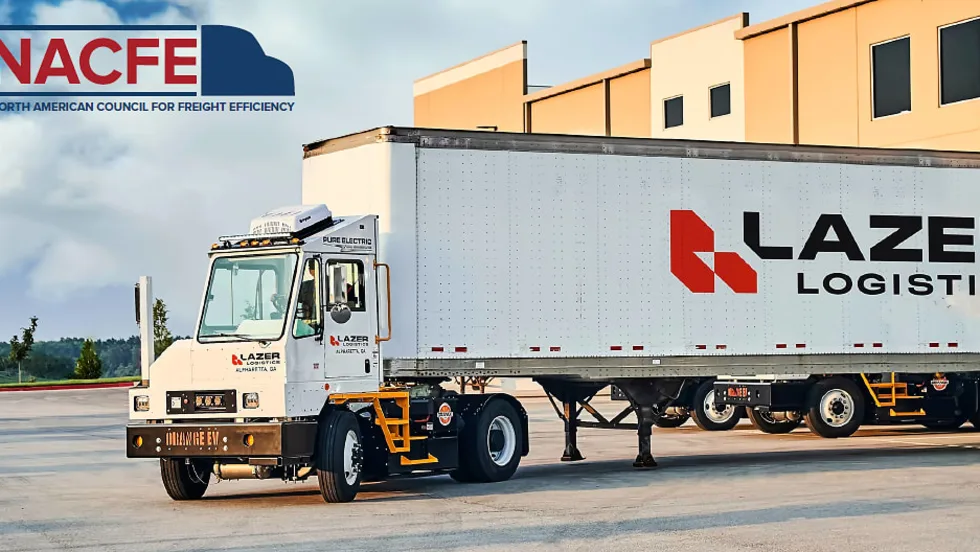
Electric Yard Tractors Move Beyond Pilots
Operating-cost savings have overtaken sustainability goals as the leading reason surveyed fleets are adopting battery-electric terminal tractors, according to new NACFE research.
Read More →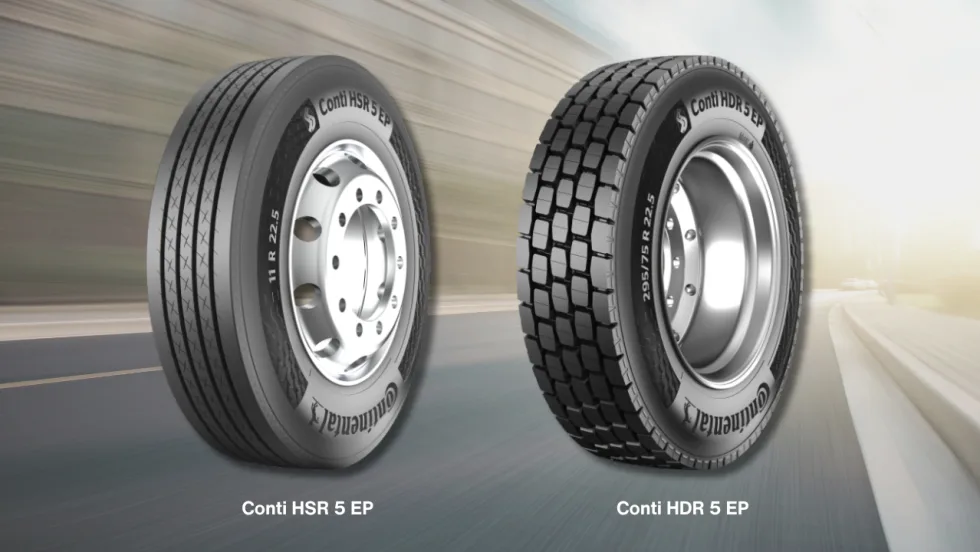
Continental Introduces New Regional Truck Tires
Continental says its new Generation 5 steer and drive tires for regional operations offer longer tread life, with estimated mileage gains of 22% and 19%, respectively.
Read More →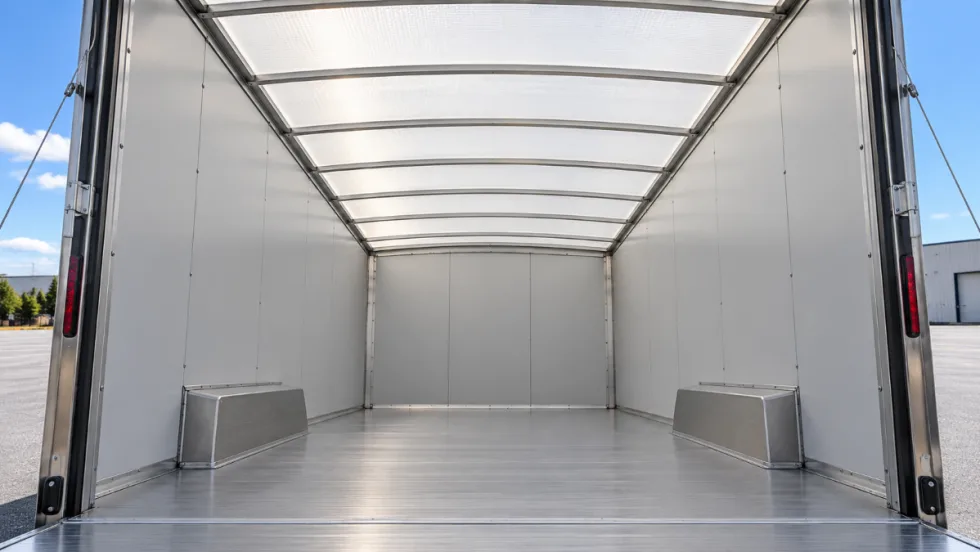
Tekmodo Introduces CargoBright Brand for Translucent Trailer Roofs
CargoBright is designed to diffuse daylight across the cargo area while performing as a working vehicle roof.
Read More →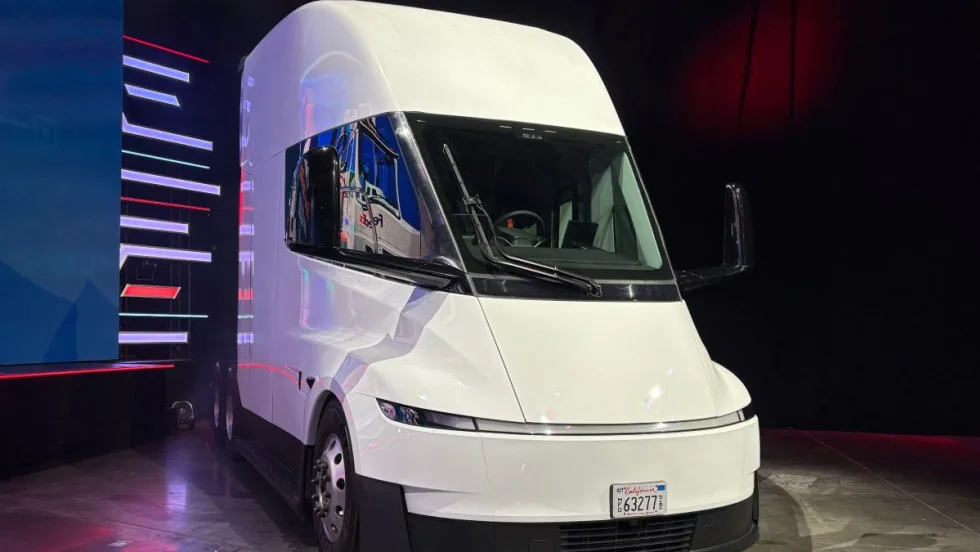
Fleet Economics Shape Electric Truck Outlook
ACT Research expects costs, charging infrastructure, and technology improvements to drive zero-emission commercial vehicle adoption as federal regulations and incentives retreat.
Read More →
Kodiak Targets Dallas–Houston for Driverless Trucks
The company says its autonomous trucks are completing the I-45 run without a safety observer taking control. It plans to remove the observer by the end of 2026.
Read More →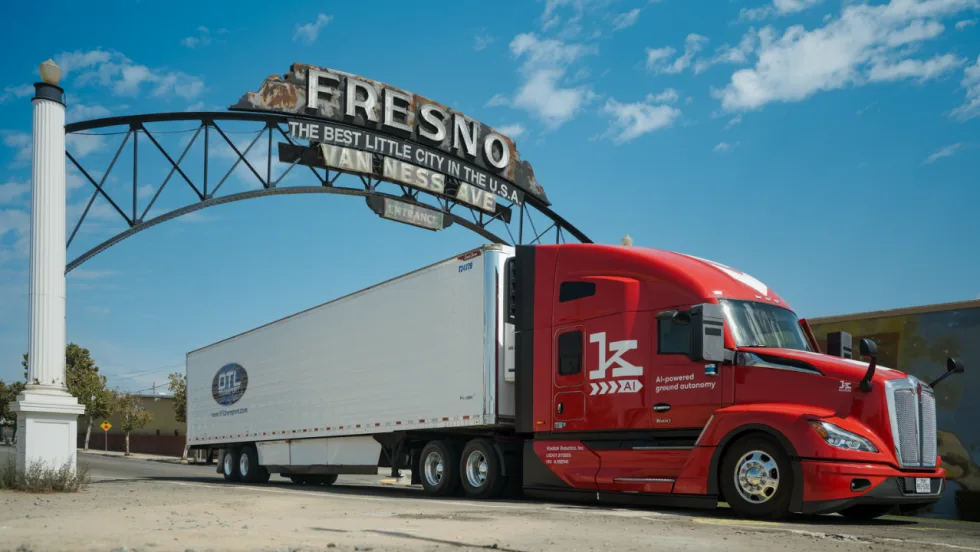
Kodiak Hauls Produce in California Autonomous Truck Pilot
Kodiak AI and DTL Transport have begun hauling produce between Fresno and Los Angeles under California’s new rules for testing heavy-duty autonomous trucks. A safety driver remains behind the wheel.
Read More →
Used-Truck Remarketing Math Is Changing
Used-truck value is no longer just a concern at trade-in. Decisions made throughout a truck’s first life can influence what it’s worth years later.
Read More →
How Volvo Updated Its D13 for EPA 2027 [Watch]
Volvo’s updated D13 promises lower emissions without sacrificing performance or fuel economy. Take a closer look at what changed inside the engine in this HDT Spotlight video.
Read More →
Michelin Tire Improves Efficiency and Durability for Regional Fleets
The Michelin X Multi Energy D2 is a regional haul drive tire engineered to help fleets improve fuel efficiency, durability and traction in demanding stop-and-go operations.
Read More →
ZF Expands Commercial Vehicle Push in North America
ZF is expanding its North American commercial-vehicle presence with new transmission applications, electrification, trailer technology and autonomous-driving systems.
Read More →