




Maintenance in the Messy Middle Part 4: Renewable Natural Gas
The keys to running renewable natural gas as a fleet fuel depend on specialized technician training, rigorous inspection schedules and an understanding of high-pressure fuel systems.

Renewable natural gas is another alternative fuel that allows fleets to reduce their carbon footprint on an existing technology platform.
NACFE/Canva
Released in June, the North American Council for Freight Efficiency's Messy Middle Powertrain Service & Maintenance report is a wealth of information on how maintenance practices are evolving as fleets adopt a growing mix of lower-emission powertrains and fuels.
Part 1 on HDT’ series focused on maintenance for today's advanced diesel engines.
Part 2 explored renewable diesel, a drop-in fuel requiring few operational changes.
Part 3 examined biodiesel and the disciplined maintenance practices needed to use it successfully.
The NACFE report can be viewed in its entirety here.
In Part 4, the spotlight turns to renewable natural gas (RNG). This is another alternative fuel technology that allows fleets to reduce their carbon footprint while building on an existing platform.
And for fleets already operating compressed natural gas trucks, renewable natural gas may be one of the simplest pathways to lower lifecycle emissions. That’s because, from the truck's perspective, nothing changes.
The Truck Doesn't Know the Difference
Renewable natural gas, often called biomethane, is chemically identical to conventional compressed natural gas. Instead of being extracted from underground fossil reserves, however, RNG is produced by capturing methane generated by landfills, wastewater treatment plants and agricultural digesters before refining it into pipeline-quality fuel.
The finished product is the same methane used in conventional natural gas vehicles. That means it can travel through existing natural gas pipelines. It can also be stored in the same 3,600-psi fuel systems and power the same natural gas engines without modification.
"The engine does not know or care if it is fossil or renewable gas," NACFE Director of Emerging Technologies Rick Mihelic explains in the report. "It is all the same. What changes are the carbon intensity of the fuel and the upstream environmental impact."
That compatibility makes RNG attractive for fleets that have already invested in natural gas trucks and fueling infrastructure.
Simpler Exhaust Systems, Cleaner Emissions
One of RNG's biggest advantages is its emissions profile, according to Mihelic.
Modern natural gas engines produce extremely low nitrogen oxide emissions while virtually eliminating particulate matter compared with diesel engines.
They also simplify emissions hardware.
Unlike diesel engines, RNG-powered trucks do not require diesel particulate filters or selective catalytic reduction systems. Instead, they rely on a relatively simple three-way catalyst.
That simplicity eliminates diesel exhaust fluid, DPF regenerations and much of the aftertreatment maintenance familiar to diesel technicians.
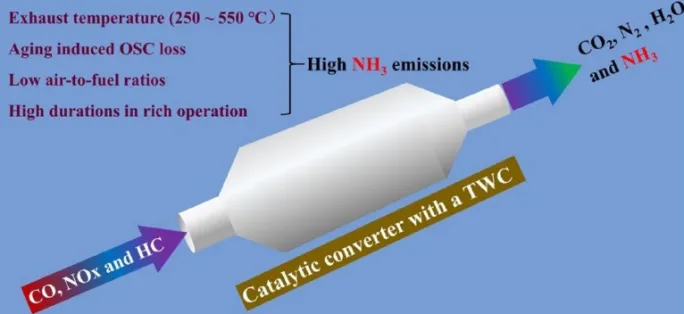
RNG-powered trucks rely on a relatively simple three-way exhaust catalyst.
NACFE/Canva
However, NACFE cautions that "simple" does not mean maintenance-free.
Technicians still need to understand catalyst temperatures, methane slip and sensor performance to maintain emissions compliance.
The report notes that methane emissions can increase during cold starts, extended idling and other operating conditions that prevent catalysts from reaching their optimum operating temperature.
Likewise, catalyst aging can increase ammonia formation under certain operating conditions, making periodic inspection and diagnostics increasingly important throughout a truck's service life.
High Pressure Changes Everything
The biggest maintenance difference between diesel and RNG is not the engine itself.
It's the fuel system.
Renewable natural gas is stored at pressures reaching 3,600 psi, creating an entirely different set of maintenance procedures and safety requirements than technicians encounter with liquid fuels.
Fuel tanks have finite service lives and must be removed from service when they reach their expiration date. Unlike many pressure vessels, they cannot simply be recertified and returned to operation.
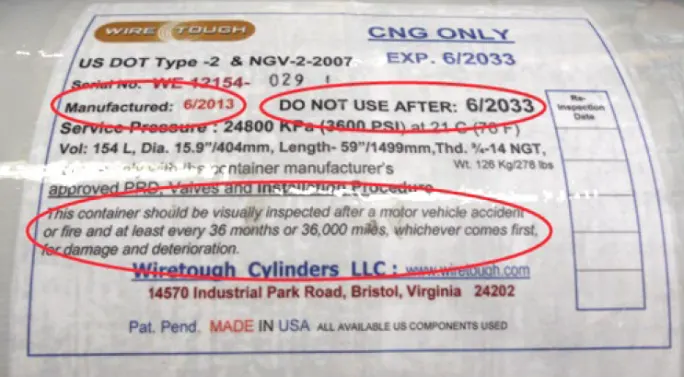
RNG fuel tanks have finite service lives and must be removed from service when they reach their expiration date
NACFE/Canva
NACFE notes that carbon-fiber storage cylinders typically carry service lives of 15 to 20 years and require regular inspections under NFPA 52 standards.
For fleets, those inspections become another lifecycle expense that must be planned years in advance.
The report also emphasizes routine inspection of pressure regulators, fuel lines, valves and pressure relief devices, all of which are critical to safe operation.
Maintenance Costs Look Different
Renewable natural gas can lower fuel costs, NACFE analysts caution. But maintenance economics differ from diesel.
Spark-ignited natural gas engines require spark plug replacement far more frequently than diesel engines require glow plug service.
Depending on the engine and duty cycle, heavy-duty RNG engines may require new spark plugs every 25,000 to 45,000 miles.
Oil change intervals also tend to be shorter.
NACFE reports that many natural gas engines require oil changes every 20,000 to 30,000 miles using specialized low-ash lubricants designed to protect valves and combustion chambers.
And using incorrect oil formulations can accelerate valve wear and increase maintenance costs.
The report also highlights the importance of coolant maintenance.
Pressure regulators rely on engine coolant to prevent freezing as compressed gas rapidly expands through the regulator. Restricted coolant flow can allow regulators to ice over, resulting in fuel starvation or even hazardous service conditions.
Adding coolant-system inspections to every preventive maintenance interval has become common practice among experienced RNG fleets.
Training Becomes Part of Preventive Maintenance
Perhaps no theme appears more consistently throughout NACFE's report than workforce development.
Renewable natural gas introduces maintenance tasks unfamiliar to technicians who have spent their careers working on diesel engines.
Servicing high-pressure fuel systems, inspecting storage cylinders, recognizing methane hazards and following proper depressurization procedures all require specialized training.
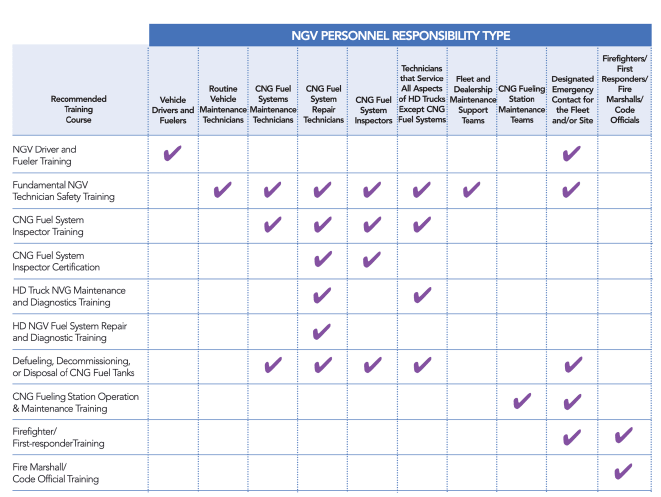
Drivers, service personnel and even local emergency responders all benefit from understanding how compressed natural gas systems behave during routine operation and emergency situations.
NACFE/Canva
That training extends well beyond the maintenance shop.
Drivers, service personnel and even local emergency responders all benefit from understanding how compressed natural gas systems behave during routine operation and emergency situations.
Several fleets interviewed by NACFE described partnering with vocational schools, OEMs and industry organizations to develop technician certification programs and create recruiting pipelines capable of supporting growing alternative-fuel fleets.
Building New Skills for a New Era
Renewable natural gas demonstrates one of the central themes running throughout NACFE's Messy Middle Powertrain Service & Maintenance report.
Lower-emission technologies rarely replace maintenance. Instead, they change it.
Compared with diesel, RNG eliminates particulate filters, SCR systems and diesel exhaust fluid. In their place come high-pressure fuel storage, spark-ignition systems, methane detection, catalyst monitoring and specialized technician certifications.
For fleets already committed to natural gas, those maintenance changes may be well worth the environmental benefits and lower fuel costs.
More Maintenance
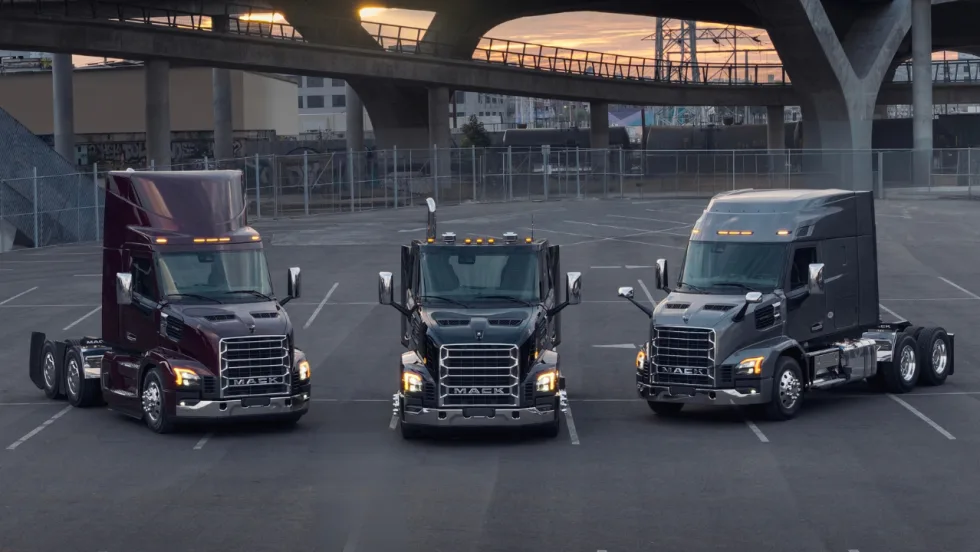
Mack Expands Extended Coverage With Four Chassis System Plans
Mack Trucks' new system-specific coverage options allow heavy-duty fleets to select protection for driveline, cab, HVAC, electronics, and advanced safety components.
Read More →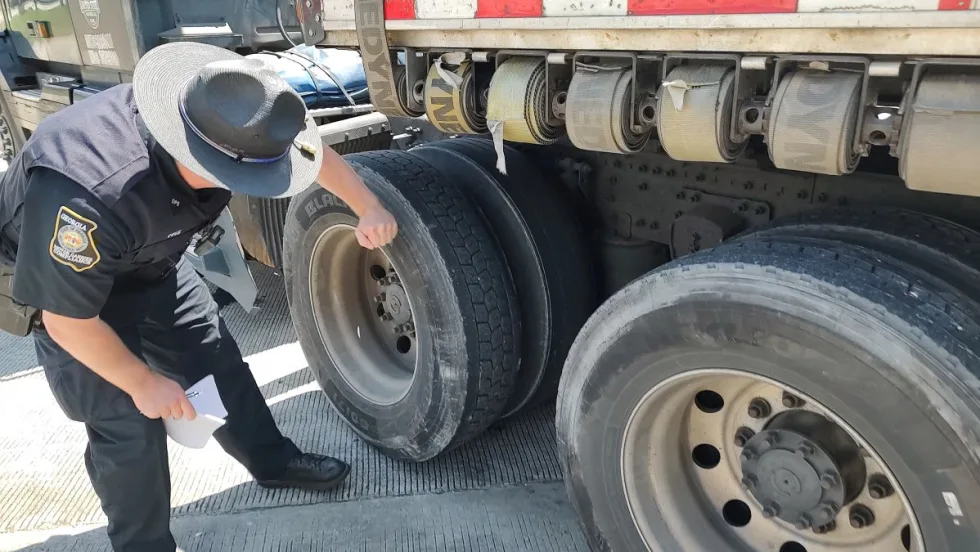
What an Out-of-Service Order Really Costs, and How to Plan for One
The repair invoice is the first number you see — and often one of the smallest. Here’s what else an out-of-service order can cost a fleet, and how planning can reduce the damage.
Read More →
International Launches Online Truck Parts Store
Fleetrite.com lets fleets and repair shops find OEM and all-makes parts, check prices and availability, and order without calling a parts counter.
Read More →


Continental Introduces New Regional Truck Tires
Continental says its new Generation 5 steer and drive tires for regional operations offer longer tread life, with estimated mileage gains of 22% and 19%, respectively.
Read More →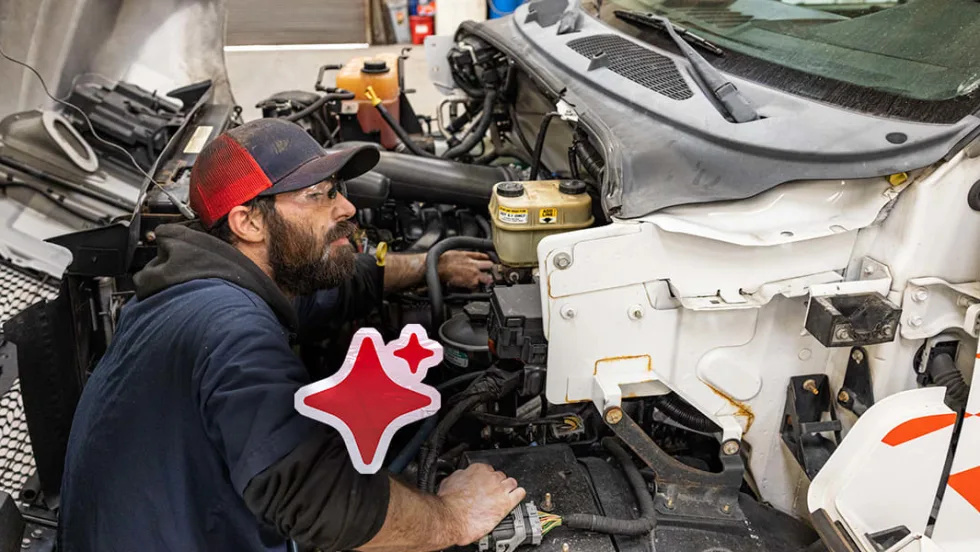
How AI Can Help Your Techs’ Efficiency
The technician shortage isn't going away, and no single fix can close the gap on its own. Trent Broberg makes the case that AI's real job in the shop is protecting the billable hours and job satisfaction of the techs you already have, not asking them to work faster.
Read More →
Color Match Smarter: Tools That Restore & Perform
For fleet managers and collision repair professionals keeping heavy-duty trucks on the road, getting the color right the first time isn't just about appearance — it's about efficiency, turnaround time, and bottom-line results. Discover how today's digital color tools are transforming the repair process from guesswork to precision.
Read More →
Wrong Repair Prompts Recall of Freightliner, Western Star 4x2 Trucks
DTNA is recalling more than 2,400 trucks that received an incompatible software fix instead of the hardware repair required to address brake valve corrosion.
Read More →
Truck Drivers Need More Than Another Alert
Fleets have more visibility into truck health, safety events, and driver activity than ever. The next challenge is turning all that information into useful guidance for the person who has to decide what to do next.
Read More →
The Maintenance Checks Trucking Fleets Should Prioritize Before Fall Freight Picks Up
Making it through August isn’t the same as being ready for the next several months of operation. Find out what systems may have suffered from summer heat and need to be checked out before fall.
Read More →
What Three Fleets Are Doing Differently When Buying Truck Parts in 2026
With freight improving but costs still climbing, fleet maintenance executives explain how they're balancing price, quality, and supplier relationships.
Read More →