





Q&A: Forum Mobility’s Matt Schrap on Helping Drayage Fleets Transition to Electric Trucks
Calstart Becomes Catalyst Mobility, Reflecting Broader Focus
Calstart is now Catalyst Mobility, reflecting the nonprofit’s growing national role in clean transportation, including zero-emission trucks, infrastructure and incentive programs.
September 14, 2026
As its work expanded nationally and internationally, the organization said the Calstart name no longer fit. Catalyst Mobility will work to help electrify both passenger and commercial transportation.
Credit:
HDT
2 min to read
Calstart has a new name — and another clean transportation nonprofit is joining it.
The organization announced Sept. 14 that it is now Catalyst Mobility. It also said Forth Mobility, a nonprofit focused on transportation electrification, will become part of Catalyst Mobility at the beginning of 2027.
The name change reflects how far Calstart has expanded beyond its California roots.
Calstart is a nonprofit that works with fleets, manufacturers and government agencies on cleaner transportation, including zero-emission trucks and infrastructure.
It started as a California-based organization, but its work has increasingly stretched well beyond the West Coast. Most recently, it announced it will administer two zero-emission vehicle incentive programs at the Ports of New York and New Jersey.
The organization also has become increasingly involved in national programs involving medium- and heavy-duty trucks, zero-emission vehicles, charging infrastructure and related policy.
Michael Berube, president and CEO of the new Catalyst Mobility, announced the name change and the Forth combination during Forth’s Roadmap Conference.
“For more than three decades, this organization has existed to catalyze a cleaner, more competitive transportation industry with our members and partners,” Berube said. “This new name does not change who we are. It sharpens how we show up for the next chapter.”
Forth Will Join Catalyst Mobility
Forth is a Portland, Oregon-based nonprofit that has focused largely on electric vehicles and charging infrastructure, along with work in areas such as agriculture and micromobility.
Bringing the two organizations together will expand Catalyst Mobility’s programs, partnerships and funding opportunities. It also gives the organization a stronger presence in the Pacific Northwest, with a regional office planned for Portland.
Jeff Allen, executive director of Forth, said combining the groups will strengthen their ability to expand access to cleaner and more affordable transportation.
The organizations also see plenty of work still to be done, especially when it comes to putting clean transportation technology into everyday use.
“Clean transportation technology is maturing quickly across passenger and freight, and it still has gaps operators feel every day, including standards, infrastructure, financing, and the grid,” said Henrik Holland, chair of the Catalyst Mobility board.
Those are familiar issues for trucking fleets trying to make sense of zero-emission vehicles and the infrastructure needed to support them.
Why Calstart Changed Its Name
Calstart has spent more than 30 years working with fleets, manufacturers, government agencies, and other organizations on cleaner transportation technology and policy.
But as its work expanded nationally and internationally, the organization said the Calstart name no longer fit.
Under the Catalyst Mobility name, that work will continue across passenger and commercial transportation.
Forth is scheduled to officially become part of Catalyst Mobility at the beginning of 2027.
More Fuel Smarts

Record Diesel Prices Squeeze Trucking Fleets
Average U.S. diesel prices have climbed to nearly $6 a gallon, surpassing the 2022 record as tight refinery capacity and Middle East disruptions keep fuel costs elevated.
Read More →
Sponsored•September 9, 2026
How Fuel Delivery Shapes Engine Performance
Fuel delivery depends on more than what happens at the injector. For fleet, maintenance and technical professionals, looking at the full path from pump to injector can provide useful context for understanding engine performance.
Read More →
East Coast Port Launches $45M Electric Truck Push
The Port Authority of New York and New Jersey announced millions in incentives for zero-emission drayage trucks, yard tractors, and new charging hubs near the port.
Read More →

California Bill Could Shed Light on Electric Truck Prices
Why do battery-electric Class 8 trucks remain so expensive? A California bill headed to Gov. Gavin Newsom would give fleets and state agencies more visibility into what manufacturers charge.
Read More →
Detroit Opens Orders for EPA 2027 Engines
Detroit isn’t starting from scratch to meet EPA 2027 diesel emissions standards. Its Gen 6 DD13 and DD15 engines keep much of today’s platform while updating the fuel and aftertreatment systems.
Read More →
Zero-Emission Truck Corridor Planned for West Coast
California, Oregon, Washington, British Columbia and Baja California are coordinating plans for truck charging and hydrogen fueling from Canada to Mexico.
Read More →
A Closer Look at Kenworth’s Electric T880E Vocational Truck [Video]
Learn more about Kenworth's T880E battery-electric vocational truck at the Paccar Technical Center, including its range, applications, upfitting considerations, and PTO options, in this HDT Spotlight video.
Read More →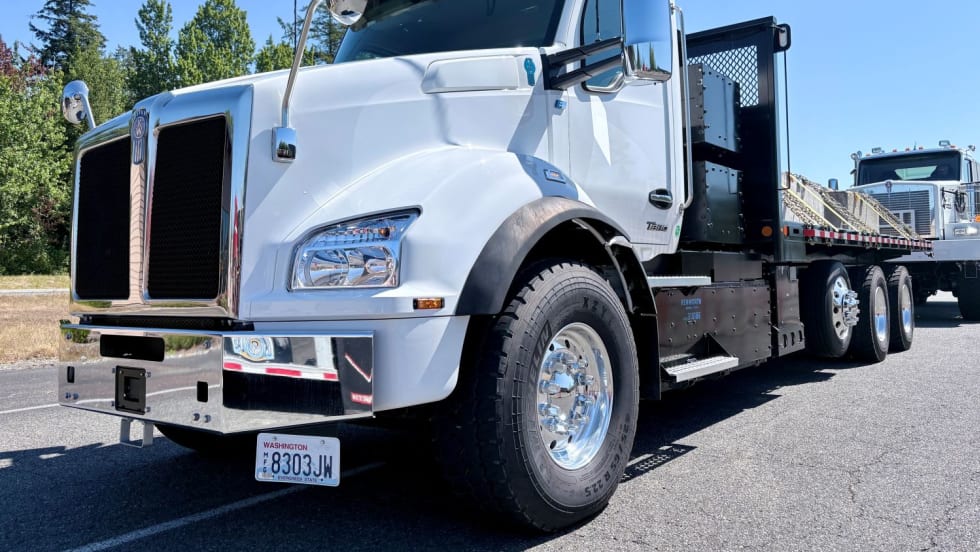
Kenworth T880E Brings EV Power to Vocational Trucks
A closer look at the Kenworth T880E’s range, charging, powertrain and upfit options — and where fleets are showing the most interest.
Read More →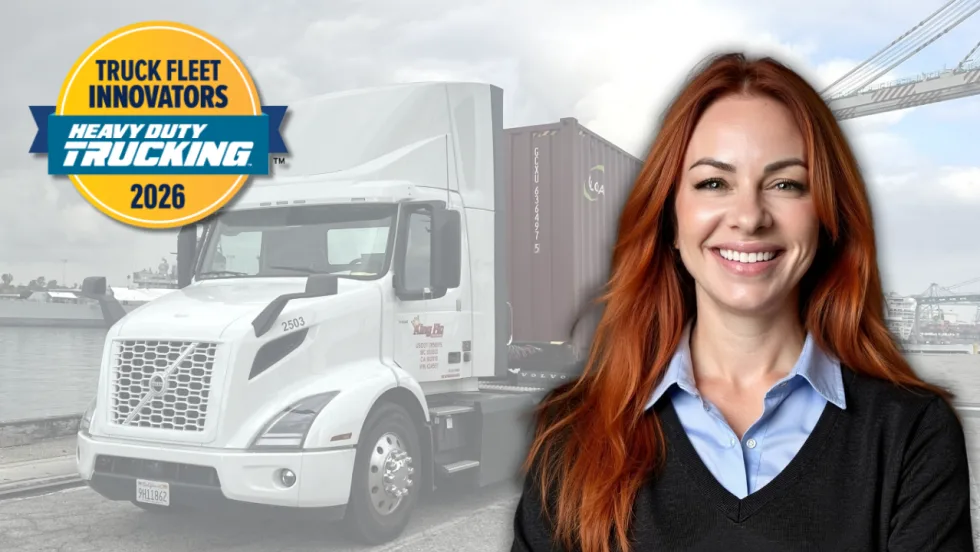
Jennie Abarca Is Proving Electric Trucks Can Do the Job
HDT Truck Fleet Innovator Jennie Abarca is building confidence in fleet electrification one load at a time while openly sharing the challenges she encounters along the way as a small-fleet owner.
Read More →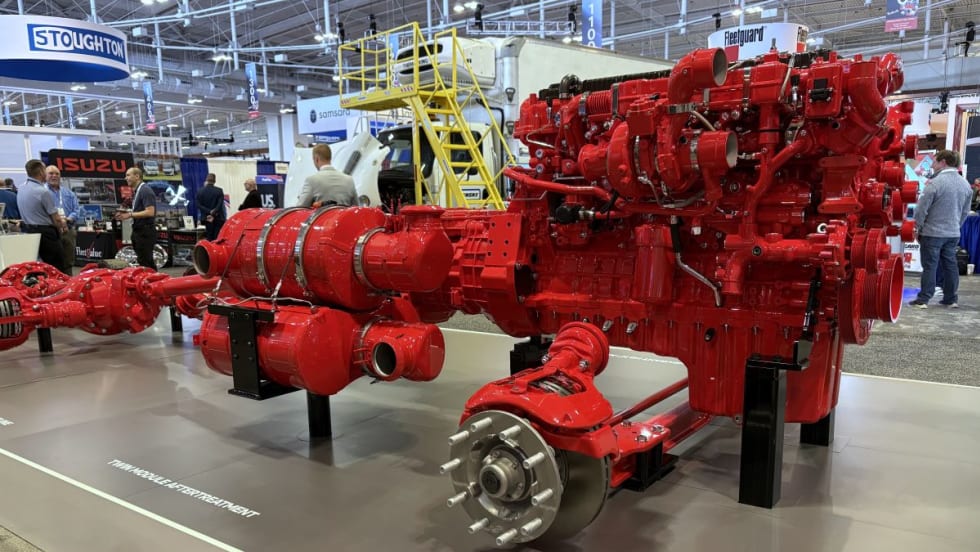
Cummins Adjusts 2027 Engine Rollout After EPA Proposal
The engine maker will gradually introduce its new Model Year 2027 diesel engines while continuing to offer current models during the transition, citing the EPA's proposed emissions rule changes.
Read More →