




California Bill Calls for HD Truck Emissions Testing
Unlike passenger vehicles, which require biennial smog checks in California, heavy-duty diesel trucks are not currently required to undergo regular emissions testing. That might change with the introduction of a bill in the state Senate.


Photo: Jim Park
Unlike passenger vehicles, which require biennial smog checks in California, heavy-duty diesel trucks are not currently required to undergo regular emissions testing. That might change with the introduction of a bill in the state Senate.
SB210, or the Heavy-Duty Vehicle Inspections and Maintenance Program bill, was introduced by Sen. Connie M. Leyva (D-Chino) and would require Class 4-8 trucks to pass certain test procedures not only to register, but even to just operate in California.
The bill initially calls for the creation of test procedures for different Class 4-8 model years and emissions control technologies that “measure the effectiveness of the control of emissions of oxides of nitrogen and particulate matter.” This could include, but is not limited to, using onboard diagnostics system data and test procedures that capture how effectively greenhouse gas emissions are reduced.
“As always happens when talking about diesel emissions, those who are proponents of more stringent regulations on truck owners often repeat outdated statistics, pretending the truck and bus rule never happened,” Joe Rajkovacz, director of governmental affairs and communications for the Western States Trucking Association, told HDT. “Billions have been spent to comply with the rule, yet it’s not enough for those who ultimately don’t want fossil fuel engines in the marketplace.”
The bill also calls for a database to be created to collect and track the data, which would be assessed for compliance and transmitted to the Department of Motor Vehicles to verify if a truck is eligible to register for use on California roads. Any fees collected would then be placed in a newly created Truck Emission Check Fund and used for the regulatory purposes of the program, while penalties would be deposited in the Air Pollution Control Fund.
“[There are a] lot of inaccuracies in statements supporting the need for this legislation from both environmentalists and the bill’s author. This legislation is really unnecessary since [California Air Resources Board] regulations already require annual periodic smoke testing of heavy trucks,” added Rajkovacz.
According to a pamphlet published by the California Air Resources Board’s Heavy-Duty Diesel Enforcement Program, the state’s Heavy-Duty Vehicle Inspection Program already tests trucks and buses with a gross vehicle rating over 6,000 pounds for excessive smoke and tampering. These tests can be performed unannounced and include testing the vehicle’s rpm at idle and at maximum speed, placing a smoke sensing meter just above or inside the vehicle’s exhaust pipe, checking the engine for visible signs of tampering, recording engine data, and ensuring the engine has the appropriate emission control label.
In a recent editorial piece in the San Francisco Chronicle, Rocky Rushing, senior policy advocate for the Coalition for Clean Air, stated that he believes that heavy-duty diesel trucks “get a pass from a comprehensive emissions testing program.” And while CARB recently improved its emission-testing programs, “compliance and enforcement are spotty at best," he contended.
As of this writing, the bill has yet to make it past the introduction stage.
More Fuel Smarts

Why Diesel Price Relief Efforts May Fall Short
Diesel prices have eased from September’s record high, but doubts about additional Russian supply and limits on dyed-diesel tax relief mean trucking fleets still face expensive fuel. And prices could go higher.
Read More →
Why Small Fuel Savings Matter in Trucking
Can better fuel economy help pay for driver raises? In this podcast, GP Transco explains how small efficiency gains create room to reinvest in its people.
Read More →
How GP Transco Cuts Trucking Fuel Costs, a Tenth of a Gallon at a Time
What’s another tenth of a mile per gallon worth? GP Transco shares how equipment upgrades and driver coaching turn small gains into meaningful fuel savings.
Read More →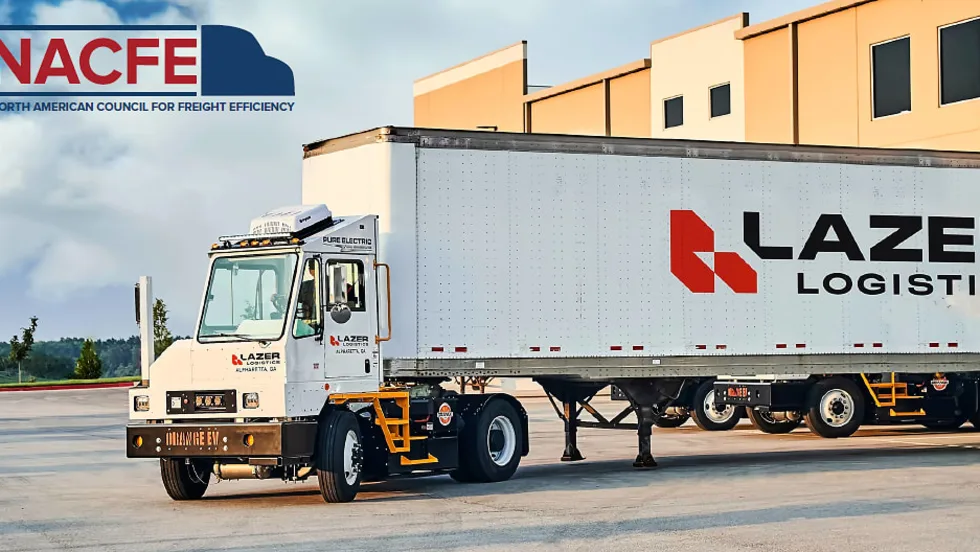
Electric Yard Tractors Move Beyond Pilots
Operating-cost savings have overtaken sustainability goals as the leading reason surveyed fleets are adopting battery-electric terminal tractors, according to new NACFE research.
Read More →
Geotab Links Fleet Card to Vehicle Data
The new card combines fuel discounts with telematics-based purchase controls. Geotab’s analysis also points to potential savings from choosing lower-priced fuel stops.
Read More →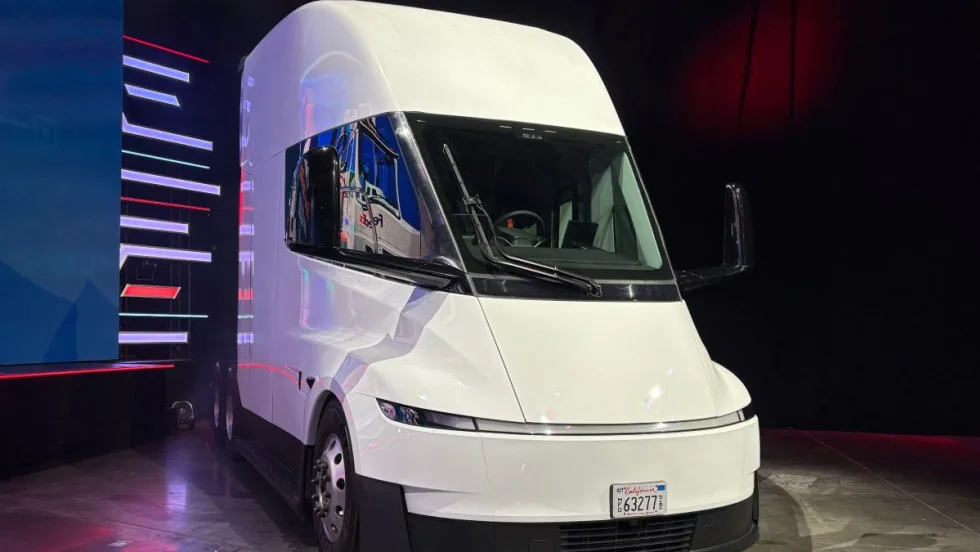
Fleet Economics Shape Electric Truck Outlook
ACT Research expects costs, charging infrastructure, and technology improvements to drive zero-emission commercial vehicle adoption as federal regulations and incentives retreat.
Read More →
Wex Adds Cardless Fuel Payments for Over-the-Road Customers
A new fuel card feature for Wex customers offers convenience and security.
Read More →
New California Law Could Shed Light on Electric Truck Prices
Why do battery-electric Class 8 trucks remain so expensive? A California bill signed by Gov. Gavin Newsom would give fleets and state agencies more visibility into what manufacturers charge.
Read More →
How Volvo Updated Its D13 for EPA 2027 [Watch]
Volvo’s updated D13 promises lower emissions without sacrificing performance or fuel economy. Take a closer look at what changed inside the engine in this HDT Spotlight video.
Read More →
Diesel Price Spike Shortens Payback for Natural Gas Trucks, Report Says
Energy Vision estimates fleets could recover the higher purchase price of an RNG-fueled Class 8 tractor in 1.3 to 2.8 years under current fuel-price scenarios.
Read More →