




5 Ways to Turn a Driver From Recruiting Lead into Employee
How can your fleet look at the driver recruiting spectrum and explore best practices that can help turn candidate leads into full-fledged employees?
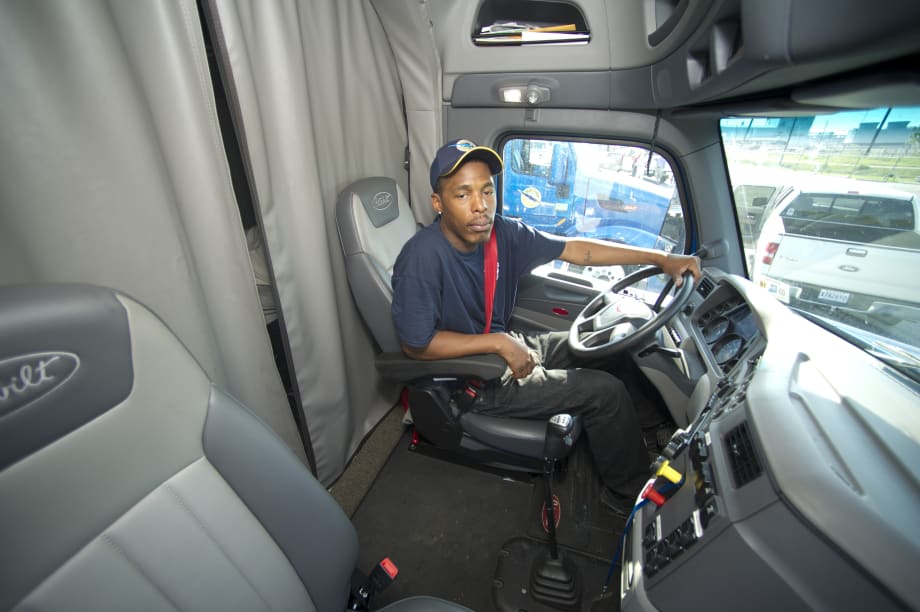
The easier and faster your hiring process, the higher your company’s chances for bringing on new drivers.
Photo: Paccar Financial
In the world of driver recruiting – and in the world of recruiting in general – there is usually an area or two that seems to move along smoothly, and other areas that face constant challenges. Perhaps your team is great at getting drivers to fill out online applications, but then they can’t seem to get drivers on the phone for follow-up conversations. No matter what the problem is, there is usually a technology solution that can help alleviate the pain points to achieve the goal: attract the best drivers and convert them into long-term, fulfilled employees and move the right people up at the best possible time for your company.
1. Target leads where they spend the most time
When it comes to targeting leads, this is really marketing 101 – as your team is looking for new names that are qualified to fill out applications, go directly to where your audience spends a majority of their time. Truck drivers, like just about every professional these days, spend most of their time on their smartphones.
This means innovative recruiters should leverage mobile-optimized web pages, social media pages, and even text message campaigns to capitalize on the smartphone opportunity. It may seem strange to post Facebook or Twitter updates about career opportunities, but in today’s world of modern recruiting, this is the new normal.
2. Be faster than your competition
When drivers are looking for new opportunities, they’re likely not only applying to your company. Due to the notoriously slow verification of employment process, drivers know that the more companies they apply to, the chances of getting into a new job faster are improved – and in many cases, the first to respond wins them over.
Recruiters can move more leads through the application process to fill empty trucks faster simply by working more efficiently than their competitors. If a new candidate form fill is received, don’t wait – call that candidate immediately. If your team is stuck leaving a voicemail for a candidate, use text messages to follow up before they have a chance to talk to another company. And once the recruiter does get them on the phone, remember to relax, have an open and honest conversation, and even fill out the application form for the driver so they can simply review and sign the document electronically after the call ends.
Remember: The easier and faster the process, the higher your company’s chances for bringing on new drivers.
3. Have a network of ambassadors
When drivers ask your recruiters (and trust us, they’ll ask) about driver satisfaction, refrain from reciting stats that sound impersonal and suspicious. Instead, use an engaged group of driver ambassadors from your company to speak with prospects one-on-one or provide interviews that your marketing team can capture in videos or with case studies.
Every company has a group of loyal, engaged drivers who are true advocates of the organization. Candidates who ask about driver satisfaction and company culture are obviously weighing the merits of a position with your company very closely, and this unique take on a common question can cement your reputation as a value-focused, employee-driven organization. Ambassadors and first-person testimonials are also a great way to be transparent upfront with new candidates and remove any chance of the usual skepticism they have when talking to a driver recruiter.
4. Visualize the recruitment process through the driver’s eyes
Thinking about the recruitment process from the driver’s standpoint is critical – especially for candidate leads further along in the application process. No matter how transparent, easy-to-use, and intuitive a process may be to a recruiter, it’s always necessary to think about the application process from a driver’s perspective.
Often, it’s small things that simply slip through the cracks. For instance, if a candidate is on the road all day, how will they be able to print a PDF, sign it, and scan it back? What if the only two time slots available for an interview happen to be during critically important sleeping hours? Recruiters must weigh every aspect of the application process to ensure it’s tailored to truck drivers and their unique lifestyles. Consider how your team would respond to these two questions:
• “How would a driver explain their first impression of our recruiting process?”
• “Are we providing them a better applicant experience than our competitor?”
Mulling over these questions as a team and then responding with actionable, proactive answers is a great way to keep on top of candidate expectations and to keep moving candidates through the pipeline.
5. Don’t shy away from technology
When it comes to moving candidates through from leads to new hires, technology plays a pivotal role in delivering continuous engagement without being overbearing. From automated emails through a CRM to real-time employment verification through an ATS, technology helps recruiters get more done without wasting tons of manual time or resources.
Jeremy Reymer is CEO of DriverReach, developers of the Driver Recruiting Management System and other software that helps recruiters convert driver leads faster to place drivers quicker and build better professional relationships. This article was authored under the guidance and editorial standards of HDT’s editors to provide useful information to our readers.
More Fleet Management
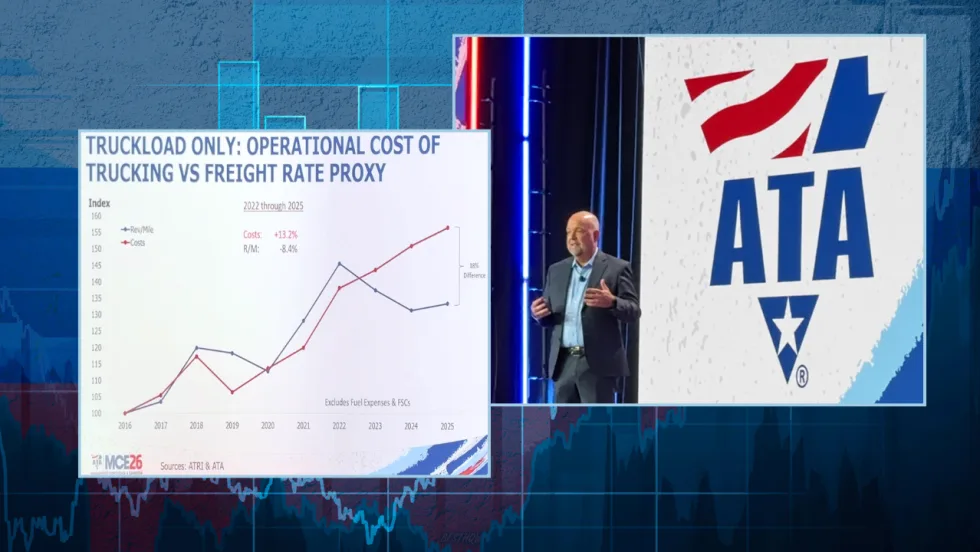
Why This Trucking Recovery Is Different
Freight demand remains sluggish, but rising costs and tougher enforcement have taken enough capacity out of the market to change the outlook for motor carriers.
Read More →
Platform Science Adds Dispatch and Safety Tools
Four additions to PS Fleet help fleets monitor loads, manage driver coaching, share truck locations and adjust video system settings.
Read More →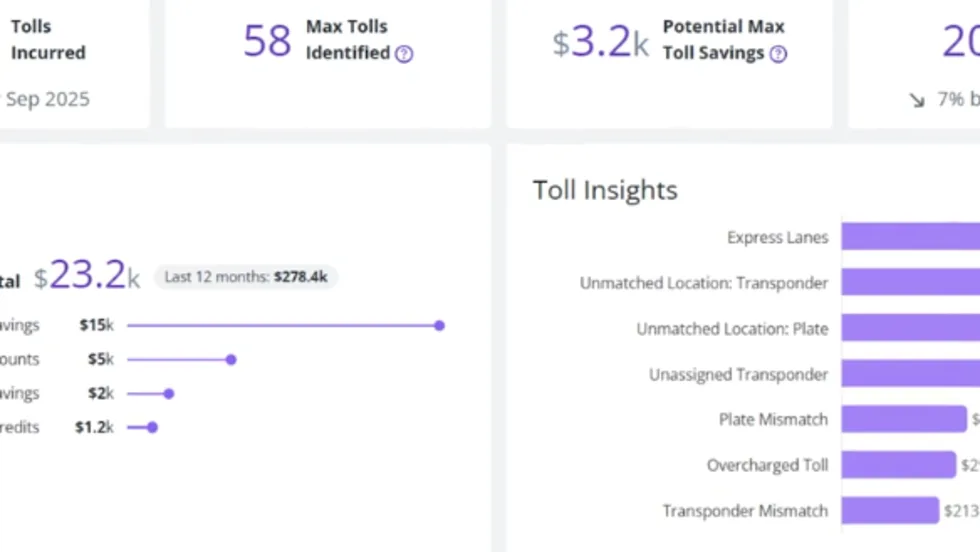
PrePass Intelligence Mines Fleet Bypass, Toll and Safety Data
PrePass Intelligence helps fleets measure bypass savings, flag potential toll overcharges, and spot suspicious transactions by combining data from separate systems.
Read More →
Motive Adds AI Agents for Fleet Operations
New tools automate follow-up on fleet data, from maintenance work orders to driver alerts, with two-way voice conversations planned for later this year.
Read More →
Can You Beat Our Trucking Trivia Challenge?
Test your truck knowledge with 19 trivia questions from Heavy Duty Trucking Exchange. Can you keep up with the fleet pros?
Read More →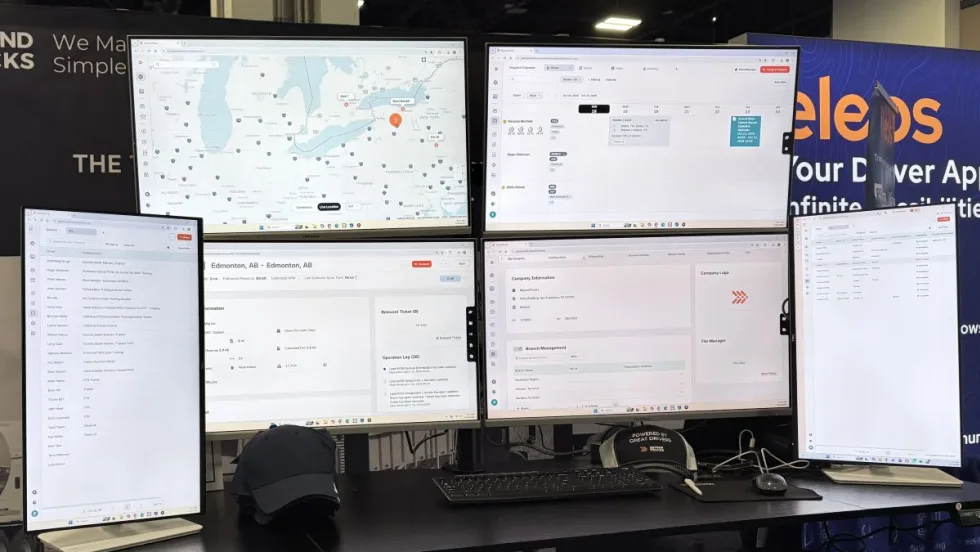
BeyondTrucks Adds Rules Checks to Dispatch
New Compatibility Engine checks driver qualifications, equipment requirements and fleet policies before loads are dispatched.
Read More →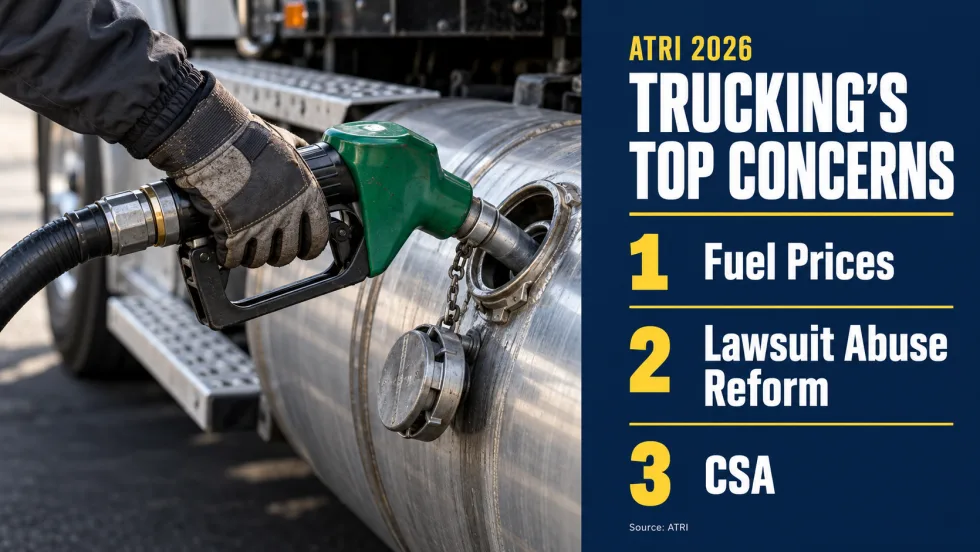
Diesel Prices Hijack Trucking’s Worry List
ATRI’s annual survey finds cautious optimism about freight, but diesel costs, litigation, and insurance continue to squeeze fleets. Drivers have different priorities on several issues.
Read More →
Nomination Deadline Extended for HDT Emerging Leaders
Just a few more days to nominate accomplished trucking fleet professionals under 40 who are making an impact and helping lead the industry forward for the HDT Emerging Leaders award. Deadline extended to October 20!
Read More →
What Will ATA’s New Leader Bring to Trucking's Table?
Incoming President and CEO Mark Colson’s record in Alabama offers clues about his priorities and approach following Chris Spear’s abrupt departure as the head of the American Trucking Associations.
Read More →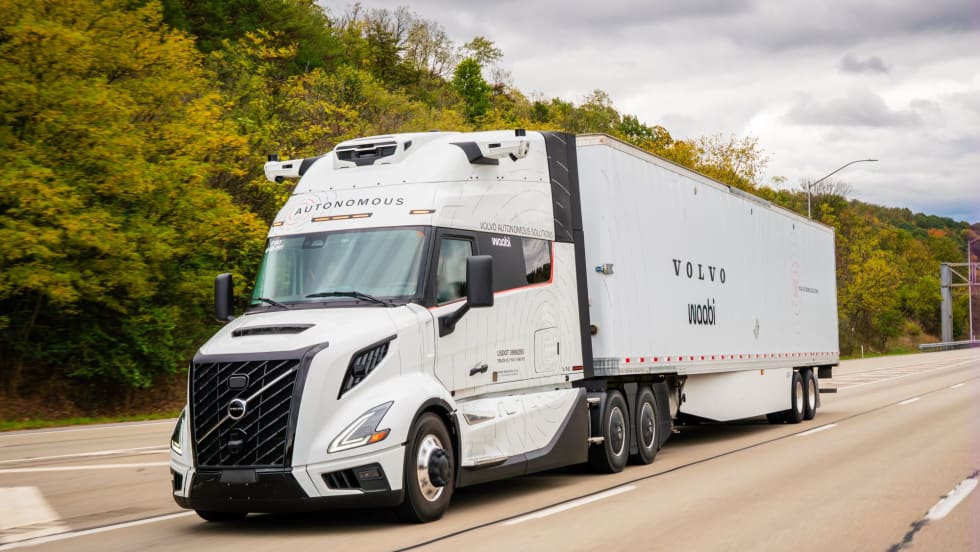
Volvo, Waabi Start Commercial Autonomous Operations in Texas
Volvo VNL Autonomous trucks, powered by the Waabi Driver, are hauling freight directly to third-party facilities for a customer in Texas.
Read More →