




Pilot Program to Allow Under-21 Veterans to Drive Trucks in Interstate Commerce
The U.S. DOT plans to launch a pilot program that would allow 18-20 year olds who have the military equivalent of a commercial driver’s license to operate large trucks in interstate commerce. The results could play a vital role in lowering the age of eligibility for some truck drivers.


The Department of Transportation plans to launch a pilot program that would allow 18-20 year olds who have the military equivalent of a commercial driver’s license to operate large trucks in interstate commerce.
The pilot program allows a limited number of eligible 18-20 year olds who have served in the military or are current reservists or guardsmen to operate trucks in interstate commerce, provided they are sponsored by a participating trucking company. Announced by Transportation Secretary Elaine Chao, the three-year program is a fulfillment of Section 5404 of the Fixing Americas Surface Transportation Act.
“This program will allow our Veterans and Reservists to translate their extensive training into good-paying jobs operating commercial vehicles safely across the country, while also addressing the nationwide driver shortage,” said Chao.
Safety and performance data from the 18-20 year olds will be compared to a control group of 21-24 year old drivers in order to see if there is any significant difference in performance from the youngest group of drivers currently employed in the trucking field.
Even with comparable military experience, pilot program drivers will be required to train with their fleet sponsors to close the experience gap on regulations such as records of duty status and hours of service.
After the pilot program, the Federal Motor Carrier Safety Administration will report its findings to Congress along with its own conclusions and recommendations. The information could be instrumental in amending laws which currently prevent any drivers who are younger than 21 from driving a large commercial truck in interstate commerce.
The FMCSA expects to need 70 carriers to hire at least 200 drivers and will compare that group to a control group of 200 drivers and/or intrastate drivers so that pilot program results will allow for the highest confidence level. The carriers will have to apply with the FMCSA to participate.
Information on the pilot program is scheduled to be released in the Federal Register on July 5, 2018. Before the pilot program can officially commence, the FMCSA is required by Federal statute to allow a public comment period, followed by the Agency’s published responses in the Federal Register. For more information on the U.S. DOT's Veteran transition programs, click here.
Related: House Being Lobbied by 42 Groups to Pass Younger Trucker Bill
More Drivers
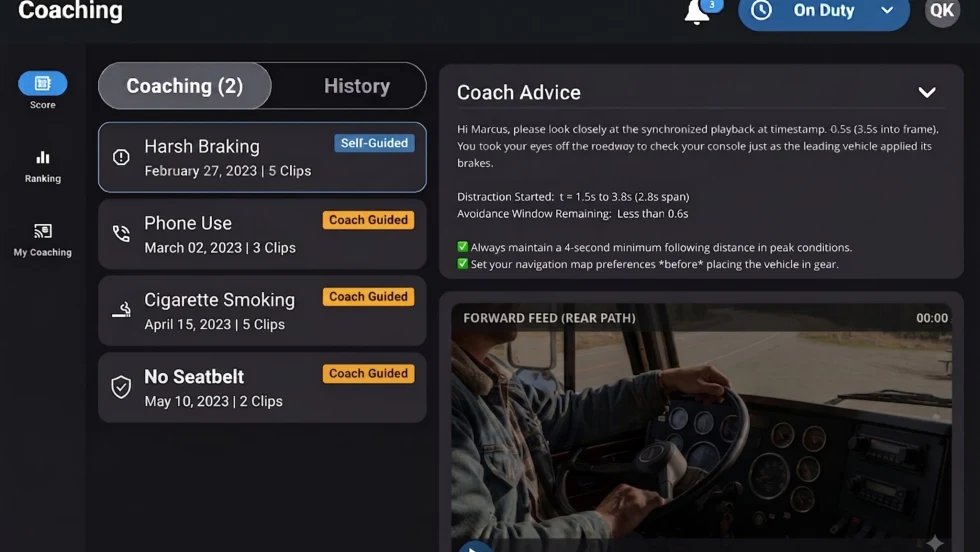
Platform Science Adds Dispatch and Safety Tools
Four additions to PS Fleet help fleets monitor loads, manage driver coaching, share truck locations and adjust video system settings.
Read More →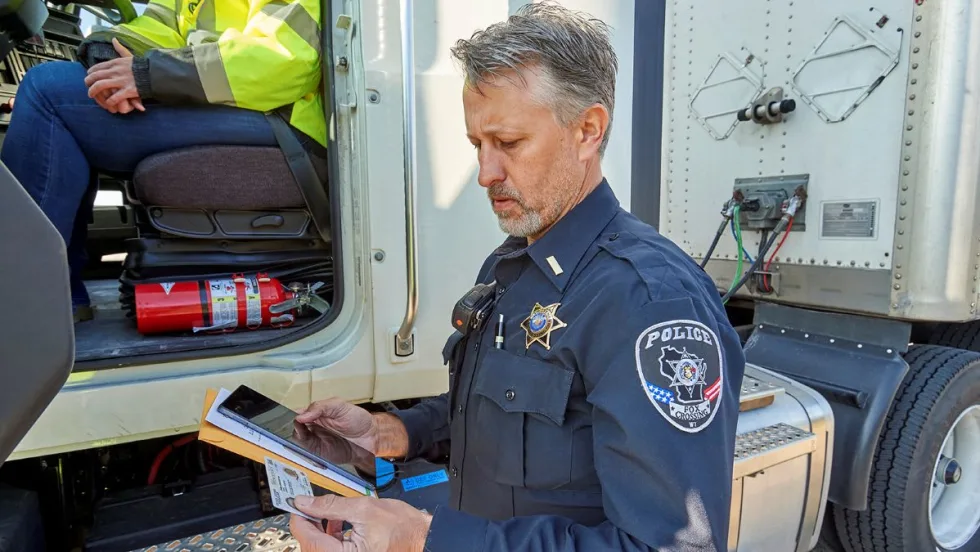
When Language Stops the Truck: The Return of ELP Out-of-Service Orders
English language proficiency rules for commercial drivers aren’t new, but renewed out-of-service enforcement has raised the stakes. Here’s what carriers need to know before a driver reaches a roadside inspection.
Read More →
Samsara Launches Custom AI Agent Builder
Agent Studio lets fleets create AI tools for hours-of-service monitoring, reporting and driver support, including agents that communicate by phone.
Read More →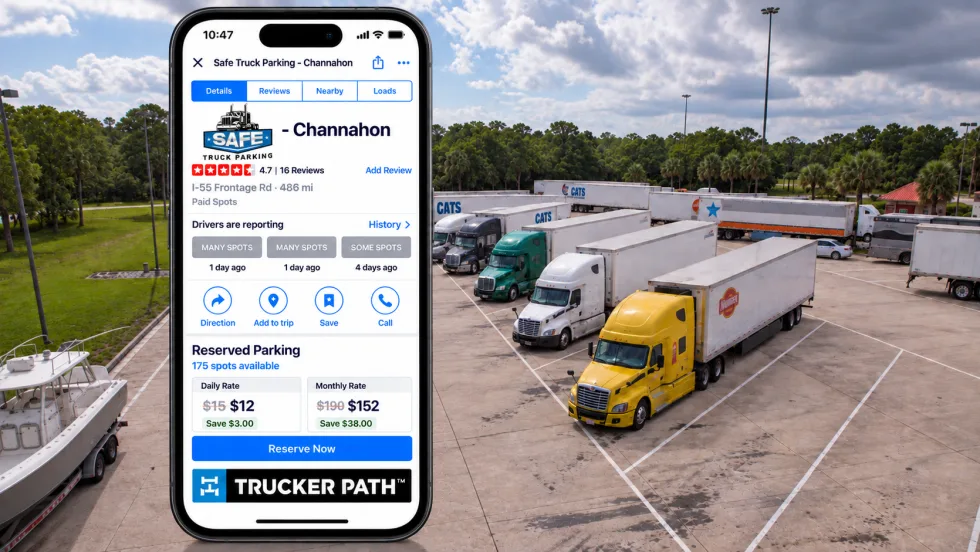
Trucker Path Expands Reserved Parking Network
Trucker Path has added close to 6,000 more truck parking spaces to its Trucker Path Reserved Parking Network with the addition of Safe Truck Parking.
Read More →
EEOC Sues Texas Trucking Company Over Driver Age Limits
The agency says Trancasa USA rejected applicants over 65 and applied tougher driving-record standards to those over 60.
Read More →
Nussbaum, Roehl Announce Second Driver Pay Increase This Year
This year has seen a swath of major truck driver pay increases as freight capacity has tightened.
Read More →
From One Generation to the Next: How Mentorship Builds Safer Truck Drivers
After three decades in trucking, Harold Perry shares what he's learned about driver safety, mentorship, and helping the next generation build confidence behind the wheel.
Read More →
Truck Drivers Need More Than Another Alert
Fleets have more visibility into truck health, safety events, and driver activity than ever. The next challenge is turning all that information into useful guidance for the person who has to decide what to do next.
Read More →
FMCSA Removes 110 Truck Driver Training Schools from Certified ELDT List
Federal regulators also are targeting more than 160 additional training providers and launching a nationwide audit of third-party CDL skills testers as part of a broader crackdown on trucking fraud.
Read More →
Hours of Service Pilot Programs: FMCSA Readies for 2027 Rollout
Two pilot programs could eventually reshape hours-of-service rules, giving truck drivers options to pause their 14-hour clock or use longer split sleeper rest periods.
Read More →