




Related: Southern California Ports Plan for Zero-Emission Trucks
Clean Air Action Plan Approved by SoCal Ports
The Clean Air Action Plan, which seeks to aggressively reduce emissions at the Ports of Los Angeles and Long Beach, has been approved by the harbor commissions of both ports.

Steven Martinez・Web Editor
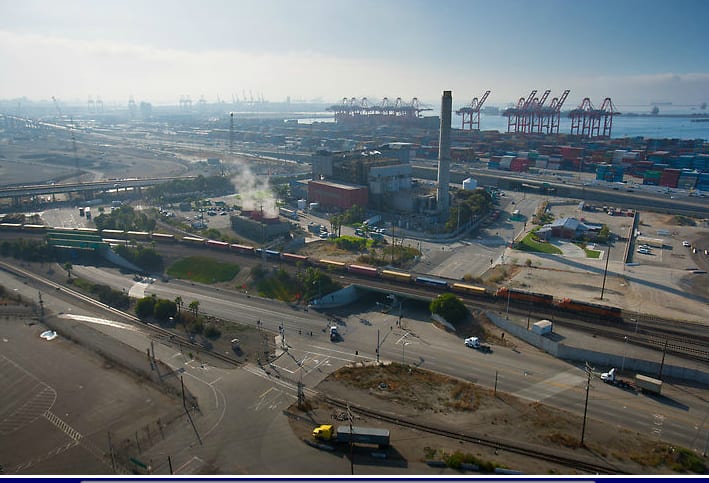
Photo: Port of Long Beach
3 min to read
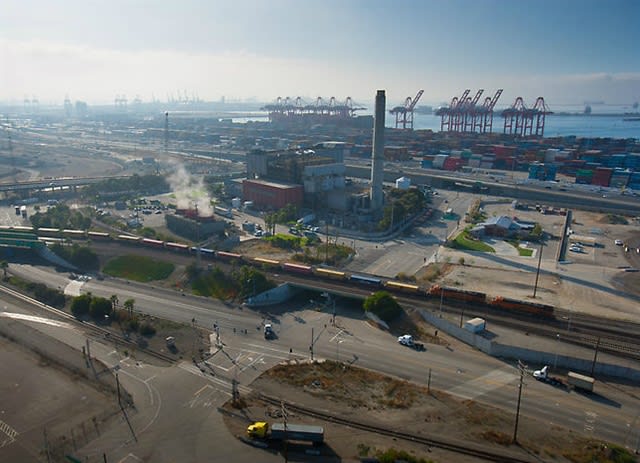
Photo: Port of Long Beach
By 2035 only zero-emissions vehicles will be able to enter the Ports of Los Angeles and Long Beach without paying a penalty. That's part of the Clean Air Action Plan approved by the harbor commissions of both ports.
The 2017 CAAP Update is designed to push for zero emissions by 2035. The plan to reduce emissions will include cleaner vehicles and equipment, better freight infrastructure and planning, and improved freight efficiency.
For trucking companies servicing the ports, newly registered vehicles will be required to meet stringent environmental regulations or face penalties. By mid-2018, all new trucks on the registry must have at least 2014 model year engines. By 2020, a near-zero emissions standard will be enforced with a fee charged when entering port terminals. By 2023, trucks must meet near-zero emissions to enter the registry, and by 2035 only zero-emissions vehicles will be able to enter the port without being charged.
The ports estimate incremental costs of between $7 billion and $14 billion for new technologies, infrastructure investments, and incentive programs to support the CAAP strategies outlined in the latest version of the plan. The plan was developed with feedback from industry stakeholders, according to port officials.
The Harbor Trucking Association, which represents many of the stakeholders at the affected ports, took a positive but circumspect position on the approved plan.
“The Harbor Trucking Association is very thankful to the Ports of Los Angeles and Long Beach for engaging with us in the development of the Clean Air Action Plan update,” said Weston LaBar, executive director of the association. “While we appreciate the ports' approach, we feel the milestones are very ambitious and will be hard to meet."
The CAAP is one of the most ambitious environmental investments ever undertaken by a port complex and must strike a delicate balance of improving air quality through drastic measures and maintaining competitiveness with other ports.
Strategies to deliver on the plan are expected to place a large financial burden on the ports and goods movement industry, and the plan states that it will only be successful with the financial support of the California and federal governments.
“We look forward to working with the ports through the implementation process and the vetting of the feasibility of deploying new equipment in the market,” said LaBar. “Above all, we need to first ensure the port is economically sustainable and competitive, as we work towards increased environmental sustainability and continuing the journey to improve our region’s air quality.”
Not all industry stakeholders are as cautiously optimistic. Western States Trucking Association Director of Governmental Affairs Joe Rajkovacz expressed concern that requirements for newer, cleaner vehicles would hinder the abilities of small trucking companies to compete.
“In our view, it’s really going to handicap small businesses. It essentially tells small business that you aren’t going to be able to repurpose older vehicles,” Rajkovacz told HDT. “This certainly has the specter of the ports doing the bidding of organized labor to try to do everything they can to screw over small businesses.”
Rajkovacz also said that the regulations could really hurt the Ports of Los Angeles' and the Port of Long Beach's ability to compete with other ports and could ultimately cost them serious business.
For funding, CAAP states that federal, state and regional government incentives can help offset costs of new equipment and subsidize critical infrastructure needed to support new technologies. A request will be made for incentive funding from federal, state, and regional sources to assist with these efforts, and the ports will remain actively involved in these discussions throughout the implementation of the plan.
“When the cost of shipping goods through those ports becomes so high, and they’re already seeing declines in market share, it's going to accelerate,” WSTA's Rajkovacz said. “The self-righteous, sanctimonious people are going to kill the goose that lays the golden egg in Southern California.”
More Fleet Management

Kodiak Lines Up Fleets for Driverless Trucking
An agreement for 75 trucks, a new Texas freight lane, and progress on safety validation move Kodiak closer to its planned driverless highway launch.
Read More →
ITS Logistics Settles Religious Harassment Case
The Nevada-based logistics firm agreed to pay more than $396,000 to settle a religious harassment charge involving an employee's Jewish identity.
Read More →
Your Trucks Are Busy. That Doesn’t Mean They’re Winning.
High utilization doesn’t always mean strong margins. Looking beyond the current load can help fleets make better dispatch decisions and get more value from each truck’s time.
Read More →
Why This Trucking Recovery Is Different
Freight demand remains sluggish, but rising costs and tougher enforcement have taken enough capacity out of the market to change the outlook for motor carriers.
Read More →
Platform Science Adds Dispatch and Safety Tools
Four additions to PS Fleet help fleets monitor loads, manage driver coaching, share truck locations and adjust video system settings.
Read More →
PrePass Intelligence Mines Fleet Bypass, Toll and Safety Data
PrePass Intelligence helps fleets measure bypass savings, flag potential toll overcharges, and spot suspicious transactions by combining data from separate systems.
Read More →
Motive Adds AI Agents for Fleet Operations
New tools automate follow-up on fleet data, from maintenance work orders to driver alerts, with two-way voice conversations planned for later this year.
Read More →
Can You Beat Our Trucking Trivia Challenge?
Test your truck knowledge with 19 trivia questions from Heavy Duty Trucking Exchange. Can you keep up with the fleet pros?
Read More →
BeyondTrucks Adds Rules Checks to Dispatch
New Compatibility Engine checks driver qualifications, equipment requirements and fleet policies before loads are dispatched.
Read More →
Diesel Prices Hijack Trucking’s Worry List
ATRI’s annual survey finds cautious optimism about freight, but diesel costs, litigation, and insurance continue to squeeze fleets. Drivers have different priorities on several issues.
Read More →