




Not So Fast: Truck Groups Contend Safety Fitness Proposal Violates FAST Act
The validity of a rule proposed by the Federal Motor Carrier Safety Administration that would increase the use of inspection data in making Safety Fitness Determinations for motor carriers has been challenged by a coalition of eight associations representing trucking interests.



The validity of a rule proposed by the Federal Motor Carrier Safety Administration that would increase the use of inspection data in making Safety Fitness Determinations for motor carriers has been challenged by a coalition of eight associations representing trucking interests.
The group of stakeholders, which includes the Western States Trucking Association and the National Association of Small Trucking Companies, contends that “FMCSA plans to ignore the clear mandates of the FAST Act [the recently passed highway bill] when it opens a rulemaking this month that would change existing standards for determining the safety fitness of individual motor carriers.”
That’s the gist of a detail-rich, four-page letter that the leaders of the associations sent to several lawmakers who championed FMCSA reform provisions within the FAST Act. FMCSA Chief Counsel T.F. Scott Darling III was copied as well.
FMCSA has been at work on the Carrier Safety Fitness Determination (RIN 2126-AB11) rulemaking since 2007. However, few details on the proposal have yet been divulged.
The agency has said it proposes to adopt “revised methodologies” for determining when a motor carrier is not fit to operate based on: (1) the carrier's on-road safety performance in relation to five of the seven Behavioral Analysis and Safety Improvement Categories (BASICs) tracked by the agency’s CSA program; (2) an investigation; or (3) a combination of on-road safety data and investigation information.
In their Jan. 12 letter, the eight associations state that FMCSA’s Darling had advised the Transportation Research Board on Jan. 11 that the SFD Notice of Proposed Rulemaking will be published “before the end of this month” and will “incorporat[e] current on-road safety performance data.”
From there, they argue that “it is apparent that the proposed [SFD] rule would incorporate the same ‘on-road safety performance data’ that FMCSA has used in calculating BASICs” under SMS and CSA. “We believe that if FMCSA goes ahead with its proposed ‘quickie’ rulemaking on use of SMS/CSA data,” such action would disregard at least three provisions of the FAST Act.
“By copy of this letter to Administrator Darling,” the authors conclude, “we are expressing our concerns that any Notice of Proposed Rulemaking involving a safety fitness determination at this time in light of the strictures imposed by the FAST Act is highly inappropriate and will be challenged.”
In an explanatory note that FMCSA issued in December, the agency said the Safety Fitness Determination rulemaking had been delayed by a need for additional coordination as well as "unanticipated issues requiring further analysis.”
More Fleet Management
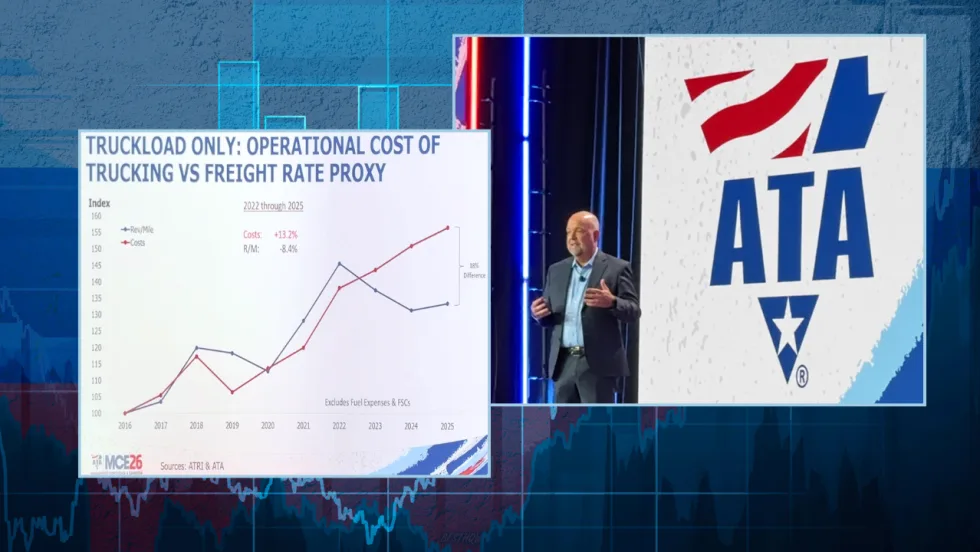
Why This Trucking Recovery Is Different
Freight demand remains sluggish, but rising costs and tougher enforcement have taken enough capacity out of the market to change the outlook for motor carriers.
Read More →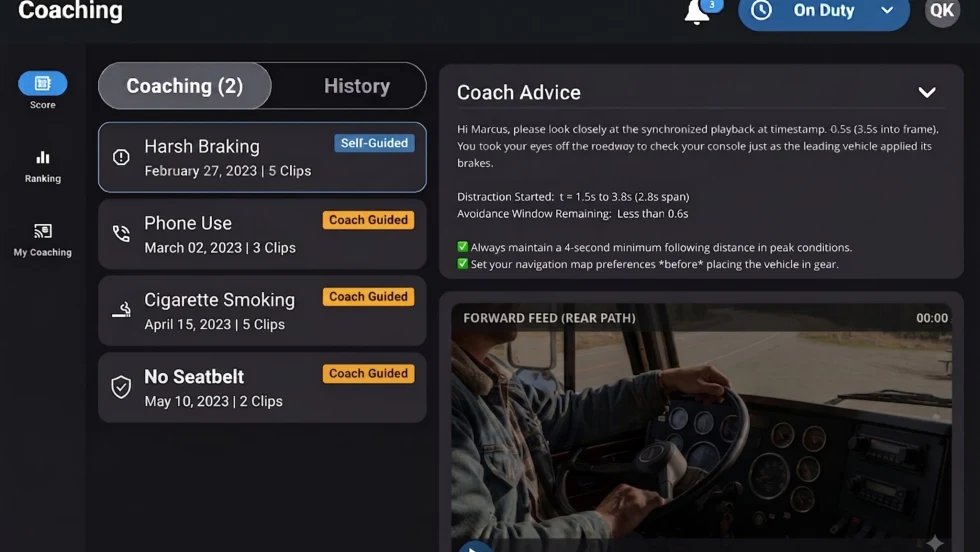
Platform Science Adds Dispatch and Safety Tools
Four additions to PS Fleet help fleets monitor loads, manage driver coaching, share truck locations and adjust video system settings.
Read More →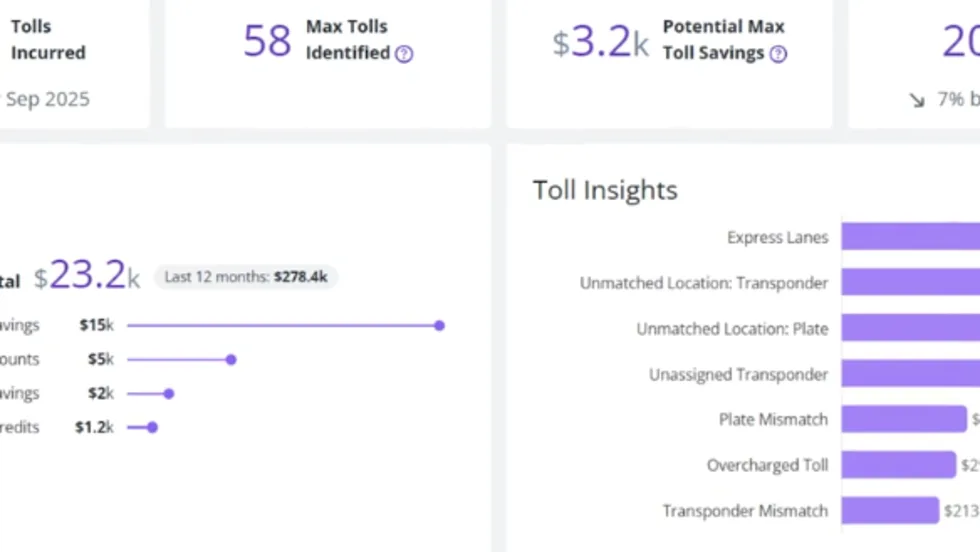
PrePass Intelligence Mines Fleet Bypass, Toll and Safety Data
PrePass Intelligence helps fleets measure bypass savings, flag potential toll overcharges, and spot suspicious transactions by combining data from separate systems.
Read More →
Motive Adds AI Agents for Fleet Operations
New tools automate follow-up on fleet data, from maintenance work orders to driver alerts, with two-way voice conversations planned for later this year.
Read More →
Can You Beat Our Trucking Trivia Challenge?
Test your truck knowledge with 19 trivia questions from Heavy Duty Trucking Exchange. Can you keep up with the fleet pros?
Read More →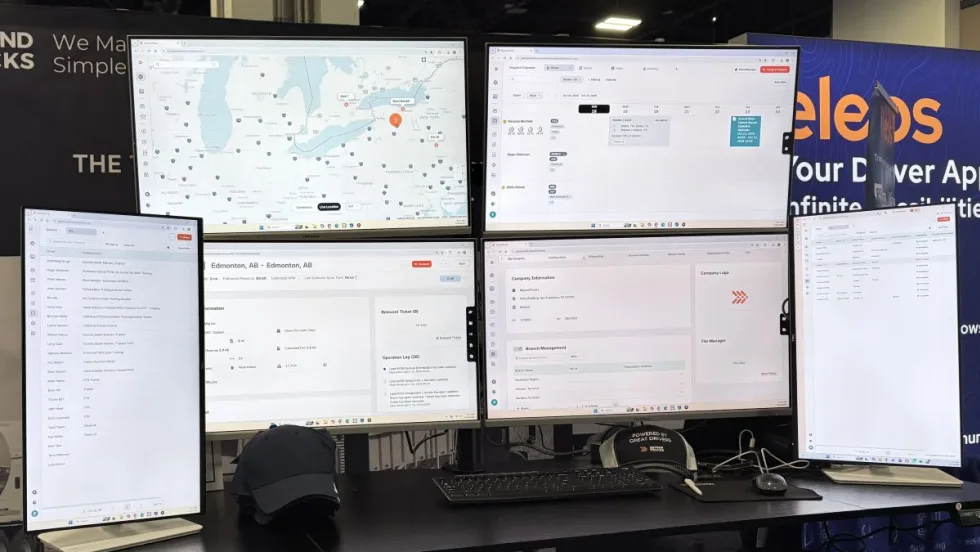
BeyondTrucks Adds Rules Checks to Dispatch
New Compatibility Engine checks driver qualifications, equipment requirements and fleet policies before loads are dispatched.
Read More →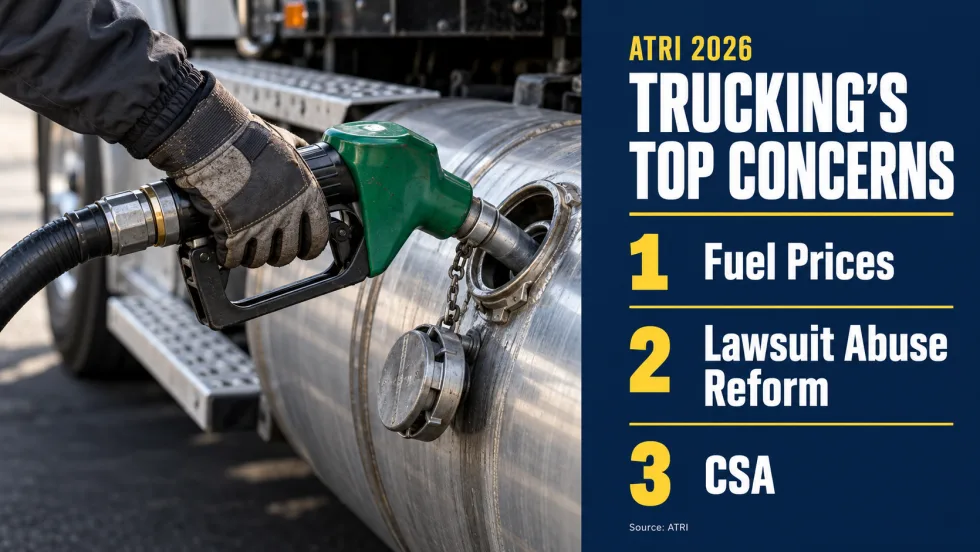
Diesel Prices Hijack Trucking’s Worry List
ATRI’s annual survey finds cautious optimism about freight, but diesel costs, litigation, and insurance continue to squeeze fleets. Drivers have different priorities on several issues.
Read More →
Nomination Deadline Extended for HDT Emerging Leaders
Just a few more days to nominate accomplished trucking fleet professionals under 40 who are making an impact and helping lead the industry forward for the HDT Emerging Leaders award. Deadline extended to October 20!
Read More →
What Will ATA’s New Leader Bring to Trucking's Table?
Incoming President and CEO Mark Colson’s record in Alabama offers clues about his priorities and approach following Chris Spear’s abrupt departure as the head of the American Trucking Associations.
Read More →
Volvo, Waabi Start Commercial Autonomous Operations in Texas
Volvo VNL Autonomous trucks, powered by the Waabi Driver, are hauling freight directly to third-party facilities for a customer in Texas.
Read More →