




Multiple Lawsuits Filed Against Navistar Over International MaxxForce Engines
Lawyers for trucking companies have filed lawsuits in three states against the parent company of International Trucks, claiming Navistar failed to disclose known defects and problems with its EPA 2010 MaxxForce engines.
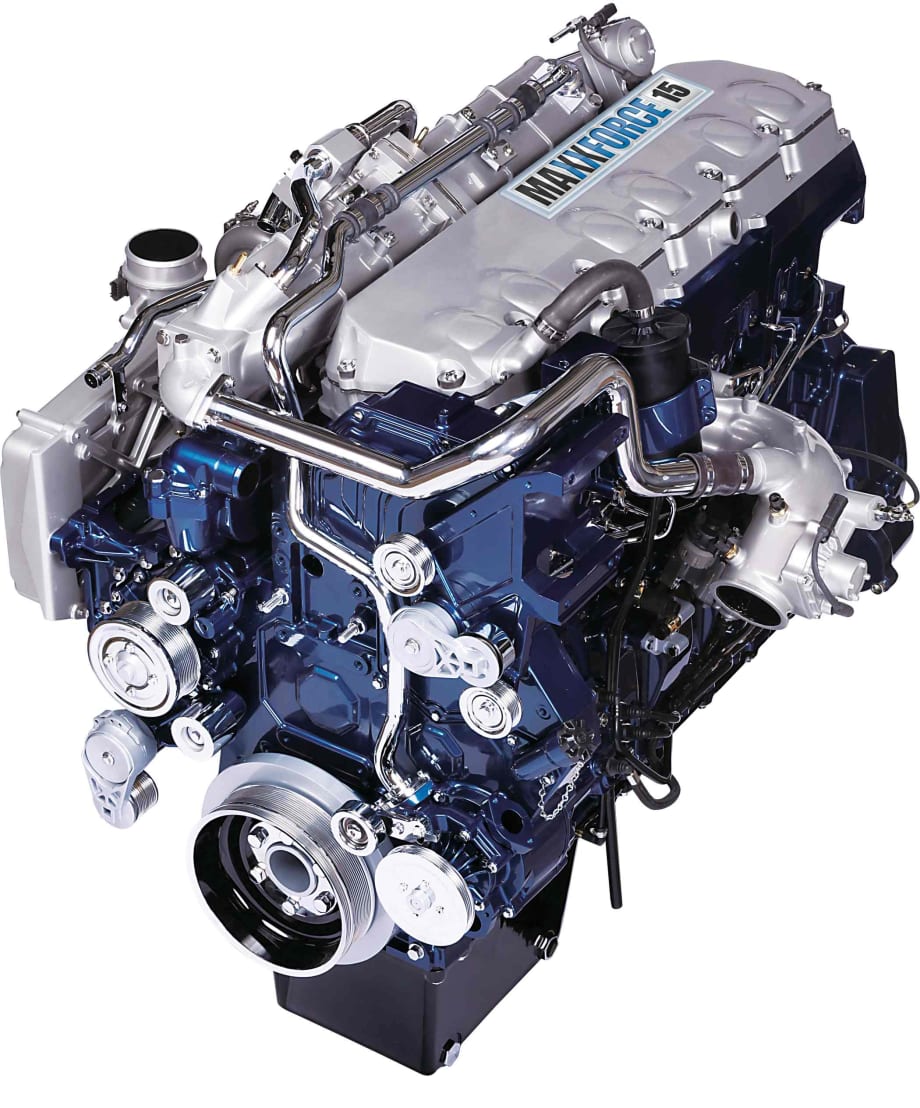
Lawyers for trucking companies have filed lawsuits in three states against the parent company of International Trucks, claiming Navistar failed to disclose known defects and problems with its EPA 2010 MaxxForce engines.
According to a release from the law firm Miller Weisbrod, Dallas, Navistar also misled its clients regarding Navistar’s exhaust gas recirculation technology on the engines, including them being certified to meet the Environmental Protection Agency’s 2010 emissions standards.
The law firm is representing Americorp Xpress Carriers, Texas; First Express, Tenn.; and Floyd Blinsky Trucking, Washington, in the suits.
The lawsuits involve model years 2011 and 2012 International tractors with MaxxForce engines. They also name the clients’ respective International truck dealers, who sold and/or performed repairs on their tractor-trailers. The cases were filed in state courts in Dallas, Nashville, and Tacoma.
The lawsuits allege that the trucking companies have experienced repeated and excessive breakdowns to their trucks powered by the MaxxForce engines, including components such as the EGR cooler, EGR valve, turbochargers, and clogged fuel injectors.
They seek “to recover lost profits due to the unreasonable downtime, out-of-pocket expenses related to the breakdowns and the diminished value on trade-in or resell for the units due to their excessive repair histories and failure to be EPA 2010 emissions regulations certified,” according to a press release from the law firm.
“We believe the evidence is going to show that Navistar chose a path different than all other engine manufacturers when it decided to forgo the selective catalytic reduction technology and rely upon engine heat to lower the NOx emissions to EPA permissible levels,” said Clay Miller, partner, Miller Weisbrod, in the release. “It should have been obvious that raising engine heat to such high levels would lead to breakdowns and component part failure. We believe that engineers inside the company were warning management of the risks of raising the engine heat and that the EGR-only strategy would not meet the EPA requirements for NOx emissions.”
In July 2012, Navistar announced that it was ceasing the production of all 15-liter MaxxForce Class 8 heavy-duty diesel engines and was abandoning the use of its EGR-only technology on all other Class 8 engines.
“Our investigation has revealed the problems with the MaxxForce engine are pervasive throughout the trucking industry. Our firm is representing numerous other companies and anticipate filing dozens of more cases in states across the country,” said Miller.
When contacted about the lawsuit, Navistar spokesperson Elissa Maurer said, “As a matter of a company policy, we don’t comment on pending litigation.”
Previously, Miller Weisbrod successfully represented dozens of trucking companies in over 15 states in the nationwide litigation against Caterpillar relating to problems in its Class 8 engines and the emissions control system that were designed to meet the 2007 EPA emissions requirements. The law firm said it took numerous depositions of top Caterpillar engineers and truck engine management personnel before resolving the cases for a confidential sum.
Related Stories:
Navistar's Turnaround Progress Overshadowed by Warranty Problems
Navistar Details Product Changes, Thinking Behind Emissions Strategy Change
More Equipment

How Volvo Updated Its D13 for EPA 2027 [Watch]
Volvo’s updated D13 promises lower emissions without sacrificing performance or fuel economy. Take a closer look at what changed inside the engine in this HDT Spotlight video.
Read More →
Michelin Tire Improves Efficiency and Durability for Regional Fleets
The Michelin X Multi Energy D2 is a regional haul drive tire engineered to help fleets improve fuel efficiency, durability and traction in demanding stop-and-go operations.
Read More →
ZF Expands Commercial Vehicle Push in North America
ZF is expanding its North American commercial-vehicle presence with new transmission applications, electrification, trailer technology and autonomous-driving systems.
Read More →
Tesla Wants a Self-Driving Semi. Are Cameras Enough?
Could Tesla’s camera-only autonomous driving technology work on an 80,000-pound Semi? In this commentary, HDT's Deborah Lockridge takes a look at Tesla, Cybercab, and how autonomous trucks see the road.
Read More →
Kodiak: Driverless Long-Haul Truck Launch on Track for 2026
Kodiak AI says its driverless long-haul safety case is 93% complete and it remains on track to begin commercial operations by year-end 2026.
Read More →
What DOT’s Automated Vehicle Strategy Means for Trucking
The U.S. Department of Transportation issued a new automated-vehicle strategy that outlines plans for driverless-truck regulations, cross-state freight corridors, and federal safety standards.
Read More →
East Coast Port Launches $45M Electric Truck Push
The Port Authority of New York and New Jersey announced millions in incentives for zero-emission drayage trucks, yard tractors, and new charging hubs near the port.
Read More →
PlusAI Going Public to Fund Autonomous Truck Launch
A SPAC deal could provide PlusAI with up to $300 million as it works toward a 2027 commercial launch of factory-built autonomous trucks.
Read More →
NHTSA Moves to Rewrite Truck Fuel-Economy Rules
The National Highway Traffic Safety Administration says it lacks authority to regulate medium- and heavy-duty truck engines separately from complete vehicles, but the existing standards have not yet been eliminated.
Read More →
Detroit Opens Orders for EPA 2027 Engines
Detroit isn’t starting from scratch to meet EPA 2027 diesel emissions standards. Its Gen 6 DD13 and DD15 engines keep much of today’s platform while updating the fuel and aftertreatment systems.
Read More →