




Trailer Orders Hold Steady in January as Backlogs Rebuild
FTR says net trailer orders are flat month over month at 24,206 units, with 2026 orders still trailing last year.

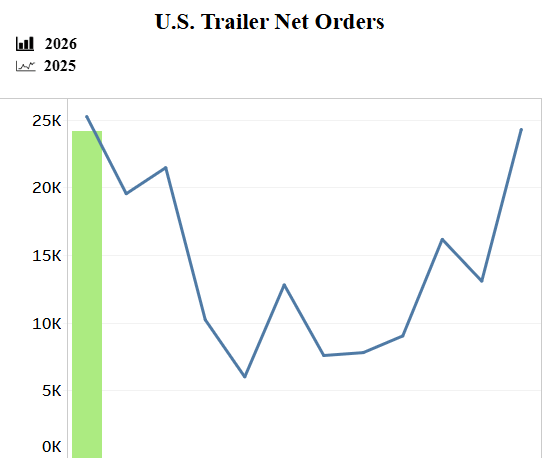
U.S. trailer orders remain flat, according to FTR and Associates.
FTR and Associates
U.S. trailer net orders were essentially flat month over month in January, totaling 24,206 units. Still, according to FTR, those numbers are sustaining the stronger trailer market momentum that emerged late last year.
FTR reported that January orders were down 4% year over year and trailed the 10-year January average of 26,340 units. The analyst firm said the steady pace reflects a market that has found firmer footing after much of 2025’s volatility.
Even so, FTR noted, the 2026 order season -- spanning September 2025 through January 2026 -- remains down 16% compared to the same period a year earlier.
Some Signs of Recovery
FTR attributed January’s performance to several converging factors. These include the ongoing release of deferred orders from September through November and improving carrier fundamentals.
The firm noted its Trucking Conditions Index reached its strongest level since February 2022 in December, signaling healthier operating conditions for fleets.
Firmer freight rates and tighter capacity utilization also supported trailer demand. Spot rates posted outsized increases in December and again in January, driven in part by weather disruptions.
At the same time, some fleets appear to be advancing equipment purchases ahead of potential tariff-related cost pass-throughs and amid improved capital planning visibility tied to greater regulatory clarity in the Class 8 market.
Production rose in line with seasonal expectations in January but remained subdued, hovering near the lowest levels since the fourth quarter of 2010.
Net orders exceeded build by a wide margin, pushing backlogs higher sequentially. However, backlogs were still substantially below January 2025 levels.
“Positive indicators from the truck freight market and improved regulatory clarity are much-needed boosts to the U.S. trailer market,” said Dan Moyer, senior analyst, commercial vehicles at FTR. “But manufacturers and fleet purchasers still must deal with cost inflation and trade uncertainty that continue to shape pricing and demand.”
Trade Issues Complicate Matters
Moyer pointed to ongoing trade developments as a key variable in boosting trailer sales.
The Trump administration reportedly is considering a narrower approach to certain Section 232 steel and aluminum tariffs. That move could ease cost pass-through pressures at the margin. No formal policy change has been announced.
However, on Feb. 20, the United States Supreme Court struck down President Trump’s tariffs as unconstitutional.
Meanwhile, Moyer noted that trade risk in the van segment has become more tangible with the advancement of an antidumping and countervailing duty investigation being conducted by the U.S. Department of Commerce and the International Trade Commission.
That investigation is looking into allegations of unfair trade practices by foreign trailer manufacturers from Canada, China, and Mexico. The American Trailer Manufacturers Coalition and other industry groups allege that foreign trailer manufacturers are selling units at less than fair value and receiving government subsidies, which are harming the U.S. trailer industry.
The ITC is expected to issue preliminary determinations regarding the investigations, which could lead to duties being imposed on imports from these countries.
Although any resulting changes would likely be months away, Moyer said the investigation is already influencing sourcing strategies and pricing decisions.
Overall, FTR said existing metals tariffs and the advancing van investigation are likely to keep costs elevated and demand selective, even as freight conditions show signs of sustained improvement.
More Equipment
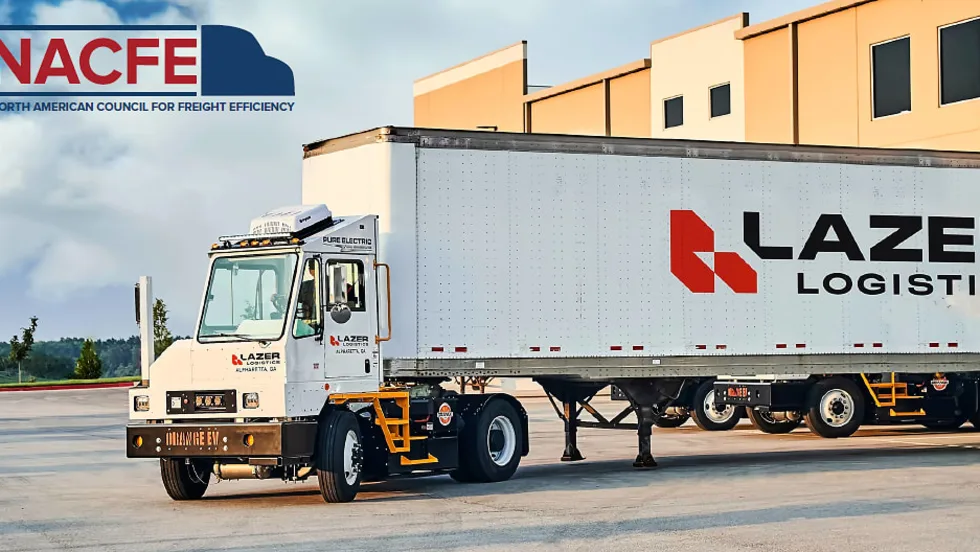
Electric Yard Tractors Move Beyond Pilots
Operating-cost savings have overtaken sustainability goals as the leading reason surveyed fleets are adopting battery-electric terminal tractors, according to new NACFE research.
Read More →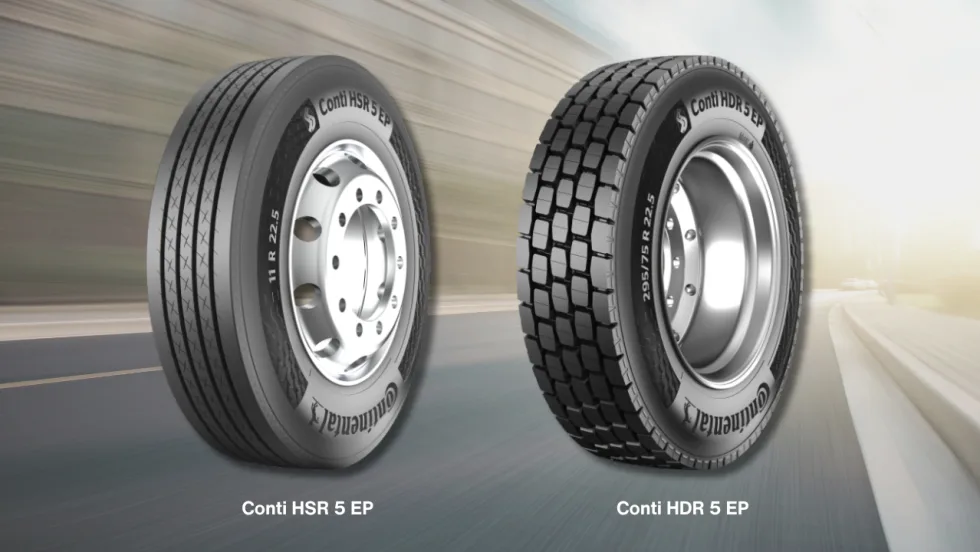
Continental Introduces New Regional Truck Tires
Continental says its new Generation 5 steer and drive tires for regional operations offer longer tread life, with estimated mileage gains of 22% and 19%, respectively.
Read More →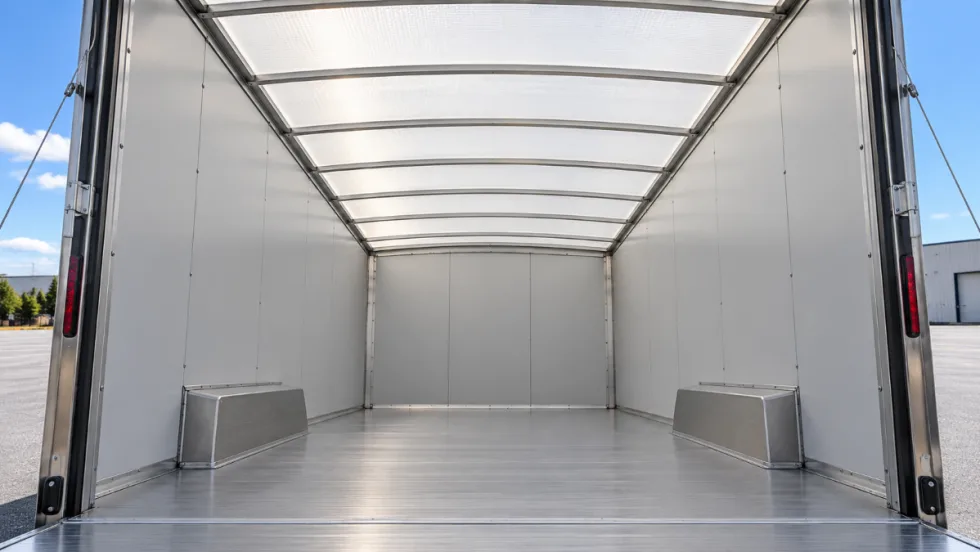
Tekmodo Introduces CargoBright Brand for Translucent Trailer Roofs
CargoBright is designed to diffuse daylight across the cargo area while performing as a working vehicle roof.
Read More →
Fleet Economics Shape Electric Truck Outlook
ACT Research expects costs, charging infrastructure, and technology improvements to drive zero-emission commercial vehicle adoption as federal regulations and incentives retreat.
Read More →
Kodiak Targets Dallas–Houston for Driverless Trucks
The company says its autonomous trucks are completing the I-45 run without a safety observer taking control. It plans to remove the observer by the end of 2026.
Read More →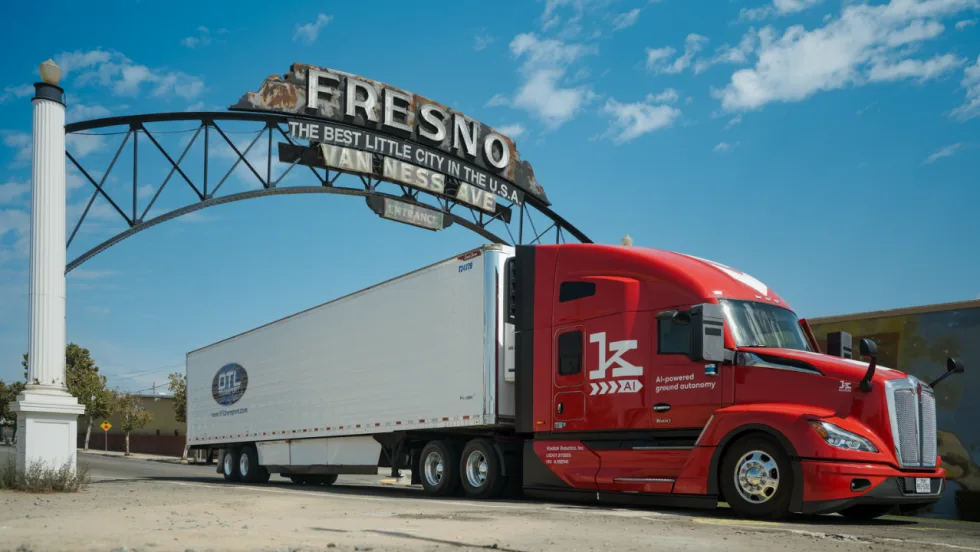
Kodiak Hauls Produce in California Autonomous Truck Pilot
Kodiak AI and DTL Transport have begun hauling produce between Fresno and Los Angeles under California’s new rules for testing heavy-duty autonomous trucks. A safety driver remains behind the wheel.
Read More →
Used-Truck Remarketing Math Is Changing
Used-truck value is no longer just a concern at trade-in. Decisions made throughout a truck’s first life can influence what it’s worth years later.
Read More →
How Volvo Updated Its D13 for EPA 2027 [Watch]
Volvo’s updated D13 promises lower emissions without sacrificing performance or fuel economy. Take a closer look at what changed inside the engine in this HDT Spotlight video.
Read More →
Michelin Tire Improves Efficiency and Durability for Regional Fleets
The Michelin X Multi Energy D2 is a regional haul drive tire engineered to help fleets improve fuel efficiency, durability and traction in demanding stop-and-go operations.
Read More →
ZF Expands Commercial Vehicle Push in North America
ZF is expanding its North American commercial-vehicle presence with new transmission applications, electrification, trailer technology and autonomous-driving systems.
Read More →