




Cummins, Foton Launch Engine Joint Venture for China
The world’s largest independent engine maker, Cummins Inc., is partnering with the biggest truck builder, Beiqi Foton Motor Co. Ltd. of China, in a joint venture that will see Foton use Cummins ISG diesels in a new truck series developed with Daimler of Germany.

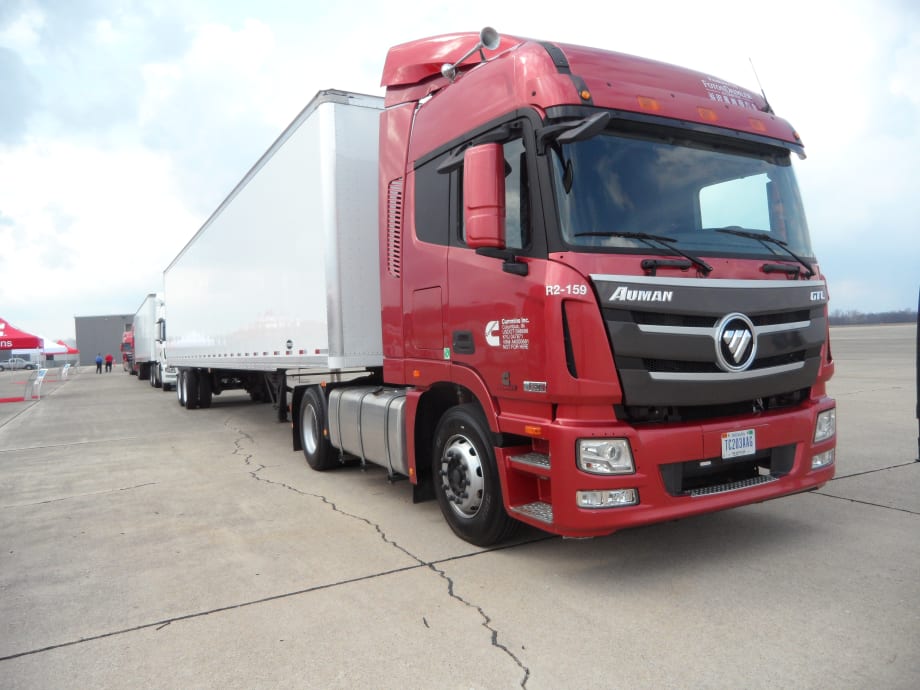
Jointly developed by Foton Motor and Daimler AG for sale in the huge China market, Auman GTL cabovers and their Cummins ISG diesels were tested in China, Tibet and the U.S

The world’s largest independent engine maker, Cummins Inc., is partnering with the biggest truck builder, Beiqi Foton Motor Co. Ltd. of China, in a joint venture that will see Foton use Cummins ISG diesels in a new truck series developed with Daimler of Germany.
At an April 8 event in the Cummins Technical Center in Columbus, Ind., representatives of Cummins and Foton officially launched the deal, and explained to reporters how they’ve been working together for the past five years on the new heavy-duty engine series, called ISG.
Foton worked with Daimler AG for seven years on development of the Auman GTL “Super Power” heavy duty truck that will employ the Cummins engines. The truck is a high cab-over-engine configuration that resembles the Mercedes Actros series produced in Germany and elsewhere by Daimler.
There are no plans to bring either the engines or the trucks to North America, but the 50-50 joint venture is a significant deal for Cummins and Foton alike, executives indicated.

Foton Motor sold more than 640,000 vehicles in 2011, according to a Wikepedia listing. It makes trucks, buses, sport-utility vehicles, vans and agricultural equipment in China.
The Cummins-powered Auman GTL is initially aimed solely at the huge Chinese market. But Foton’s general manager, Wang Jinyu, is casting his eyes in other directions.
“With this launch today we are able to meet consumer needs in the entire world,” he declared. “The U.S., North America and south Asia are markets that we will pay more attention to.”
Cummins announced the inline six-cylinder ISG diesels last fall. They will be built in a new plant run by the joint venture in Beijing.
The 10.5-liter ISG11 and 11.8-liter ISG12 engines have ratings of 310 to 490 horsepower and torque of 1,100 to 1,700 pound-feet, Cummins literature says.
They are modern, fuel-efficient, produce low exhaust emissions and are lightweight in design, but for now will be used only in China. (At the Mid-America Trucking Show last month, company officials said the ISG "is certainly capable" of making the transition to North America and indicated we may eventually see a version here.)

“G” is the first letter in the Chinese word for “revolutionary,” so the heavy duty engine series has an auspicious name, said Ric Kleine, a Cummins vice president and head of its Global Highway Business.
The engines were successfully tested at high altitudes and under extreme loading conditions in Asia and North America, he said. Testing included actual fleet service.
Engineers achieved several “breakthroughs” during development of the ISG, Kleine said. They include a “streamlined architecture” with 50% fewer parts that help reduce normal maintenance by 50%. The engine weighs 30% less than Cummins’ ISX11.9.
High-pressure, multi-event fuel injection improves economy and reduces emissions. Advanced electronic engine controls limit speeds at low revs and light loadings but allow higher revs when more power is needed.
Advanced air and oil filtration using Cummins’ Nanonet elements allow normal service intervals at 100,000 kilometers (61,000 miles), he said. An integrated engine brake will improve safety and reduce wear on the trucks’ service brakes.
Advanced combustion design allows the ISG to meet China's latest NS 4 emissions limits as well as Euro 4 and the American Tier 4 Final off-road limits, while using only a catalytic converter and urea injection in the exhaust stream, Kleine said.
ISG design and development were led by a team in the United States, and supported by technical and marketing people knowledgeable of local market and customer needs, a Cummins statement said.
Foton is planning new plants in India and South America, so the engines may see use in those regions.
The ISG follows a smaller ISF series that Cummins and Foton developed earlier. The 2.8- and 3.8-liter diesels are used in Foton’s light-duty trucks in China and have begun seeing industrial applications in North America.
The four-cylinder 2.8 version was shown in a Nissan Frontier pickup truck exhibited at the Chicago Auto Show in February. There it was described as a “concept” engine.
Nissan is preparing to use another new Cummins diesel, the ISV5.0 V-8, in its 2015-model Titan full-size pickup. The engine will be built in Indiana and the truck in Mississippi.
More Equipment
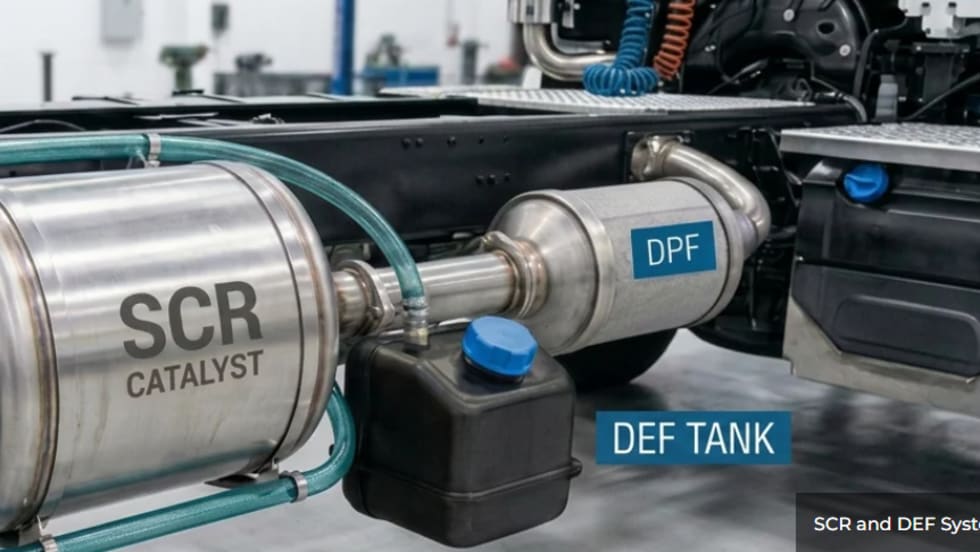
Engine Technology Forum Launches SCR, DEF Resource Center Amid Emissions Debate
The Engine Technology Forum’s new online hub aims to provide fleets, policymakers, and equipment owners with fact-based information about selective catalytic reduction technology, diesel exhaust fluid and emissions compliance.
Read More →
Prime Inc. to Open $7.9M Flagship Used-Truck Dealership
A new driver-focused facility to sell Prime Inc's used trucks and trailers will be the first purpose-built location in the company's history.
Read More →
Lessons Learned About Alternative Fuels: Start Small, Stay Flexible
Practical advice on adopting alternative fuels and ZEVs from HDT's 2026 Top Green Fleets, from renewable diesel and natural gas to electric trucks.
Read More →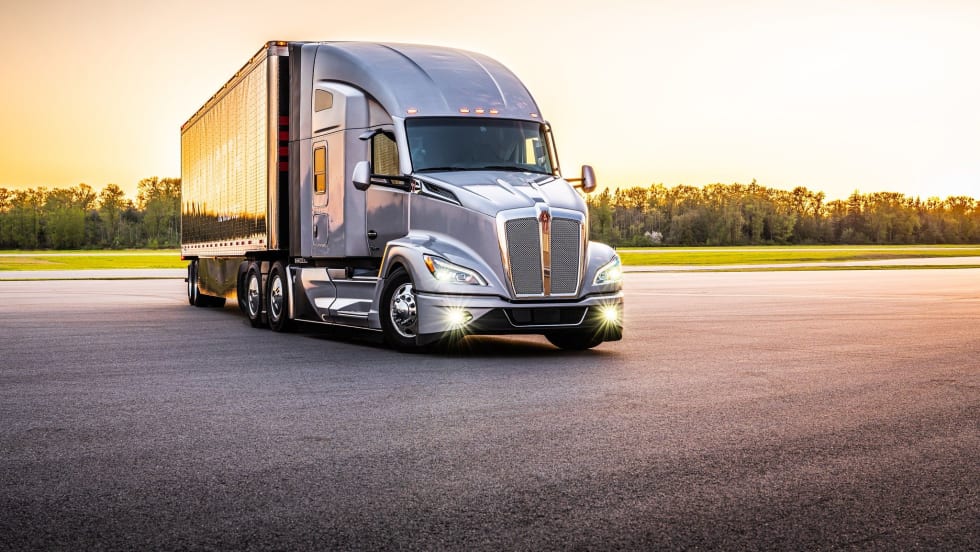
Kenworth Names Peter Ahrens General Manager
Leadership changes at Kenworth take effect July 1 as the OEM promotes two longtime Paccar executives to key management roles.
Read More →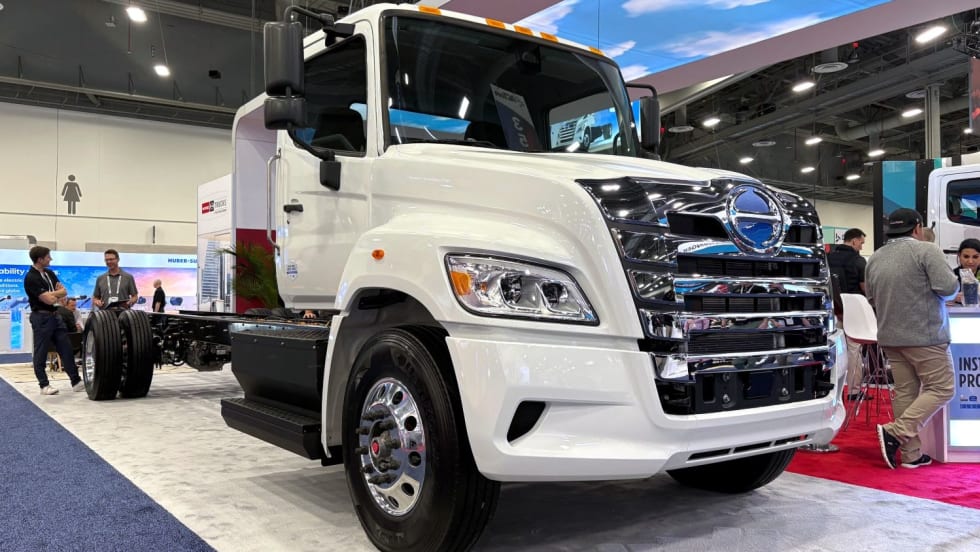
Hino Adds Electric Class 6/7 Truck
Hino says the Le Series is an important step in the company's efforts to reduce environmental impact and support its customers’ sustainability goals.
Read More →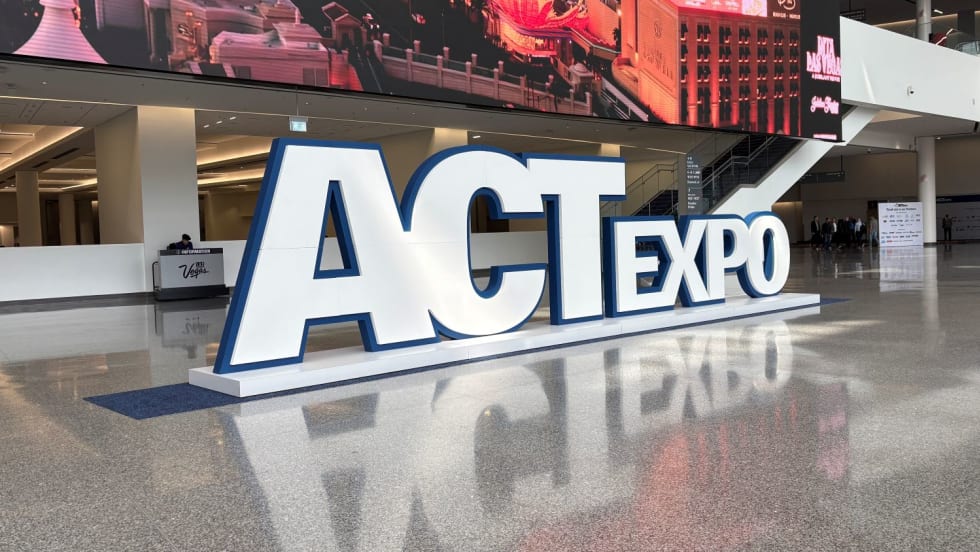
ACT Expo 2026: Highlights in Photos
The 2026 Advanced Clean Transportation Expo featured a broad range of commercial vehicle technologies, from EVs to autonomous trucks to the latest diesel and alternative-fuel engines.
Read More →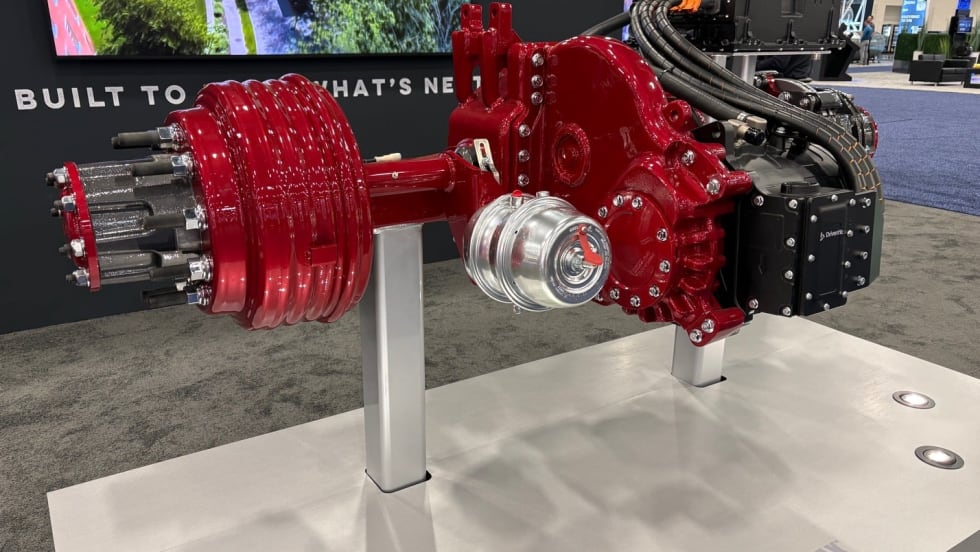
Hendrickson Debuts Electraax E-Axle for Medium-Duty Trucks
Developed with Driventic, Hendrickson's new integrated e-axle is designed to improve efficiency, reduce weight, and extend range in Class 6-7 EV applications.
Read More →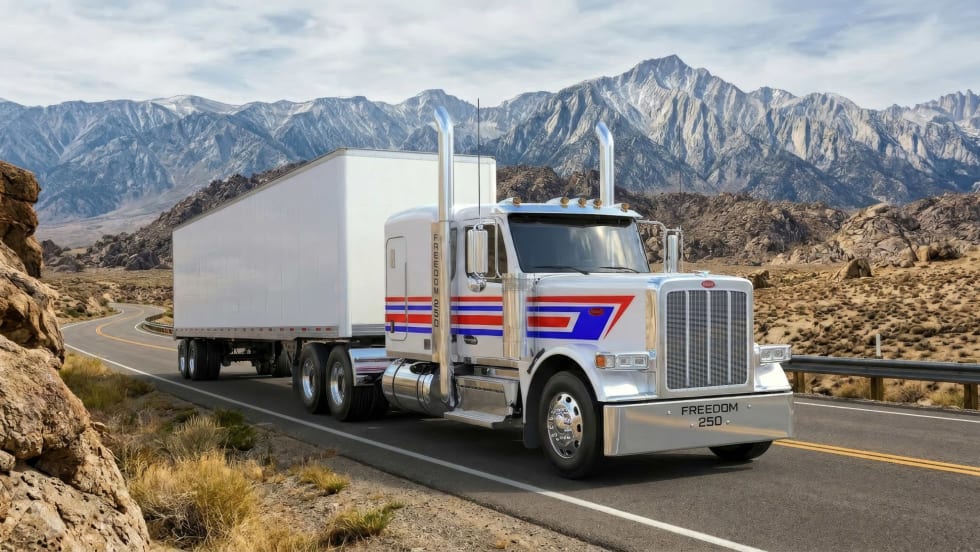
Peterbilt Unveils Freedom 250 Special Edition Model 589
Peterbilt’s just-announced limited-run patriotic Model 579 tractor celebrates America’s 250th birthday with custom styling and premium features.
Read More →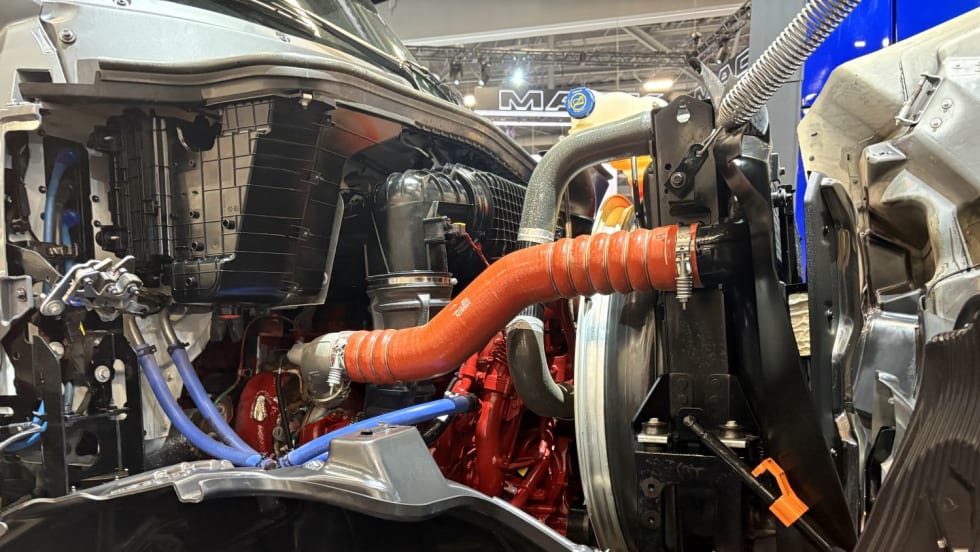
Mack Unveils EPA 2027-Compliant MP13 Engine With More Power, Better Fuel Economy
Along with unveiling its EPA 2027-compliant MP13 engine, Mack outlined powertrain changes across its Class 6-8 lineup, including new Cummins-based X10 engines.
Read More →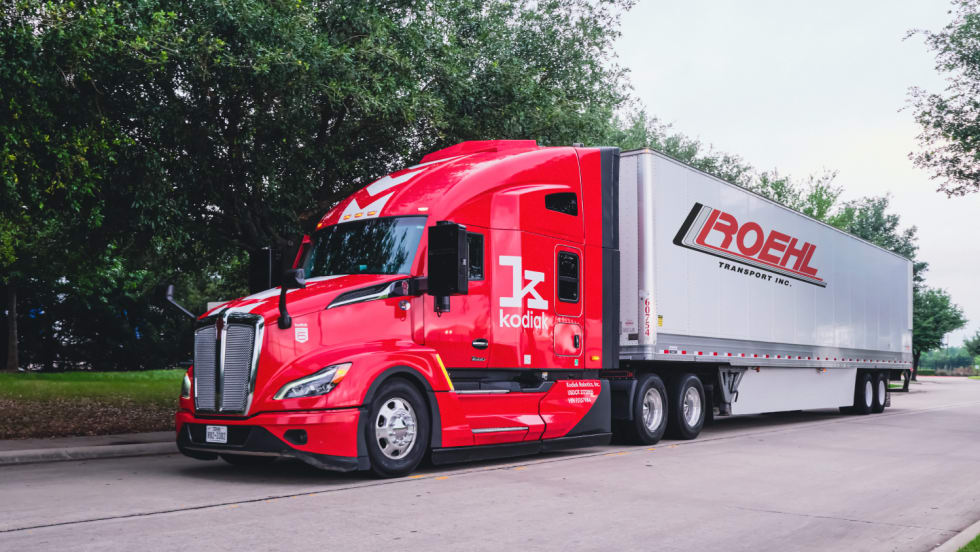
Kodiak and Roehl Transport Launch Autonomous Route Between Dallas and Houston
Kodiak AI and Roehl Transport have begun autonomous freight operations on a regular Dallas-Houston route, marking another step toward Kodiak’s planned driverless launch by the end of 2026.
Read More →