




Cummins Introduces New Global Engine Platform
Cummins Monday announced a new global heavy-duty engine platform. The G Series platform is an in-line six cylinder engine, and will be available in 10.5- and 11.8-liter displacements to meet a broad variety of on-highway and off-highway global market requirements and emissions standards.

For on-highway markets, the G Series Heavy-Duty engine platform will be introduced as the Cummins ISG11 and Cummins ISG12 (shown here).
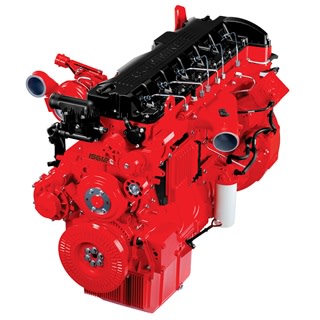
For on-highway markets, the G Series Heavy-Duty engine platform will be introduced as the Cummins ISG11 and Cummins ISG12 (shown here).
Cummins Monday announced a new global heavy-duty engine platform. The G Series platform is an in-line six cylinder engine, and will be available in 10.5- and 11.8-liter displacements to meet a broad variety of on-highway and off-highway global market requirements and emissions standards.
Initial engines are designed to run on diesel fuel.
Design and development of the engine has been led by a team in the United States. The G Series minimizes engineering requirements for vehicle and equipment manufacturers with a common, compact installation envelope.
Engines will be available to meet global variations in emissions requirements. At launch in 2014, engines will meet Euro III, Euro IV and China NS4 emissions requirements. Engines for Euro V, Euro VI and U.S. Environmental Protection Agency are also in development.
"The G Series global design approach is a vivid demonstration of how Cummins is transforming from a multinational to a truly global company," said Steve Chapman, Cummins vice president and group vice president - China and Russia. "This engine platform has been designed for diverse and global markets by utilizing the expertise and local knowledge of our engineers from around the world."
A key design focus for the G Series has been to achieve significant weight savings in order to increase the power-to-weight ratio.
A sculptured block retains high rigidity while removing unnecessary mass. The use of composite material for the oil pan and valve cover provides further weight savings. The G Series achieves an engine weight of just 1,900 pounds (862 kg) while retaining structural strength and durability, says the company.
The G Series incorporates Cummins Xtra-High Pressure Injection (XPI) fuel system, derived from the larger and more powerful X Series engine. With multiple injection events driven by high-precision Cummins electronic controls, the XPI fuel system contributes to a peak torque for the G Series of 1700 pounds-feet (2305 N•m), together with a torque rise as high as 60% available.
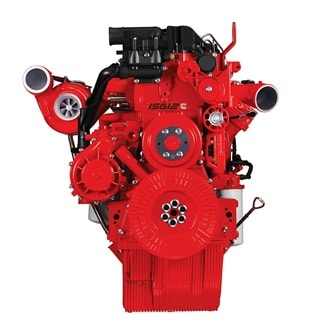
The G Series offers fuel efficiency through parasitic-reducing technology without variable-flow pumps that add unnecessary cost and reduce reliability. Its Single Cam In Head (SCIH) design with roller valve train and high-efficiency intake ports continues the design theme of minimum complexity and maximum efficiency.
For on-highway markets, the G Series Heavy-Duty engine platform will be introduced as the Cummins ISG11 and Cummins ISG12. These engines offer a power range from 290 hp to 512 horsepower (216-382 kW) in a compact and lightweight package.
Cummins says the ISG11 and ISG12 are ideal power solutions for heavy-duty trucks in long-haul, regional-haul and vocational service, as well as buses, motor coaches, fire trucks and recreational vehicles.
The G Series will initially be manufactured at the Beijing Foton Cummins Engine Co., serving customers on a global basis. Production will start during the first half of 2014.
More Products

More Trailer Data Through the Same Seven-Way [Video]
Can trucking’s standard seven-way connector handle more cameras and trailer data? Grote’s Adam Slade shows HDT how the company is using new technology with its 4See trailer system, not only to add a new backup camera but also to expand other capabilities — without adding another connection.
Read More →
FlowBelow Redesigns Trailer AeroSlider to Cut Fuel Use
The lighter trailer aerodynamic system installs in less than 45 minutes, according to the company, with potential payback in under a year depending on fuel prices and trailer mileage.
Read More →
Shell Prepares Rotella Oils for 2027
New CL-4 and FB-4 formulations will begin arriving in early 2027, with improved protection against oil breakdown, wear and deposits, according to Shell.
Read More →
Einride Driverless Electric Trucks Begin Daily Freight Operations in Ohio
Two cabless electric trucks are hauling freight between EASE Logistics facilities in Marysville, Ohio, as part of a multi-state truck automation project.
Read More →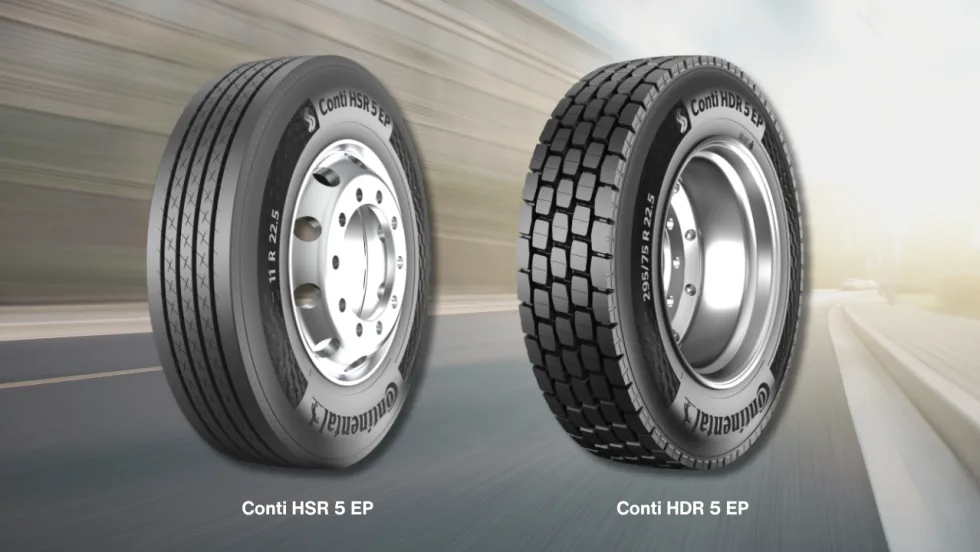
Continental Introduces New Regional Truck Tires
Continental says its new Generation 5 steer and drive tires for regional operations offer longer tread life, with estimated mileage gains of 22% and 19%, respectively.
Read More →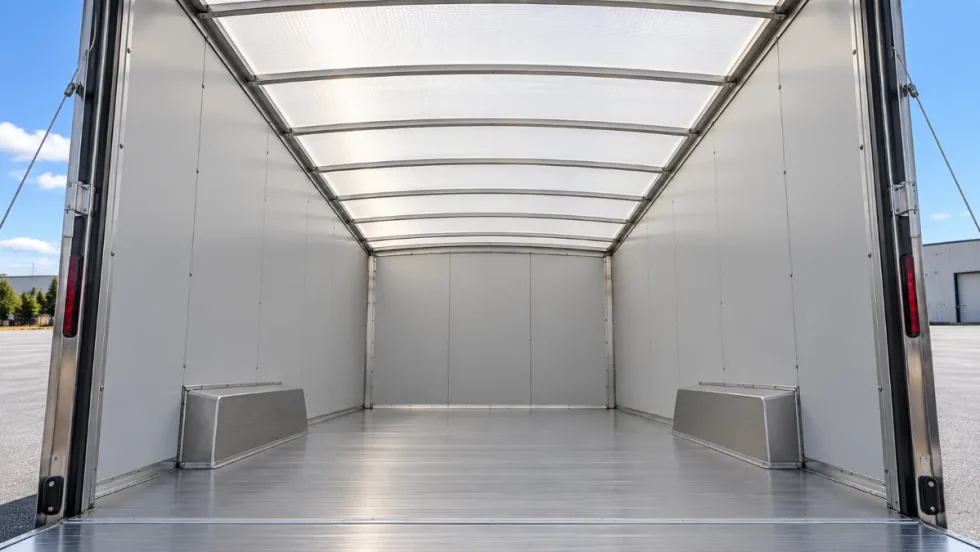
Tekmodo Introduces CargoBright Brand for Translucent Trailer Roofs
CargoBright is designed to diffuse daylight across the cargo area while performing as a working vehicle roof.
Read More →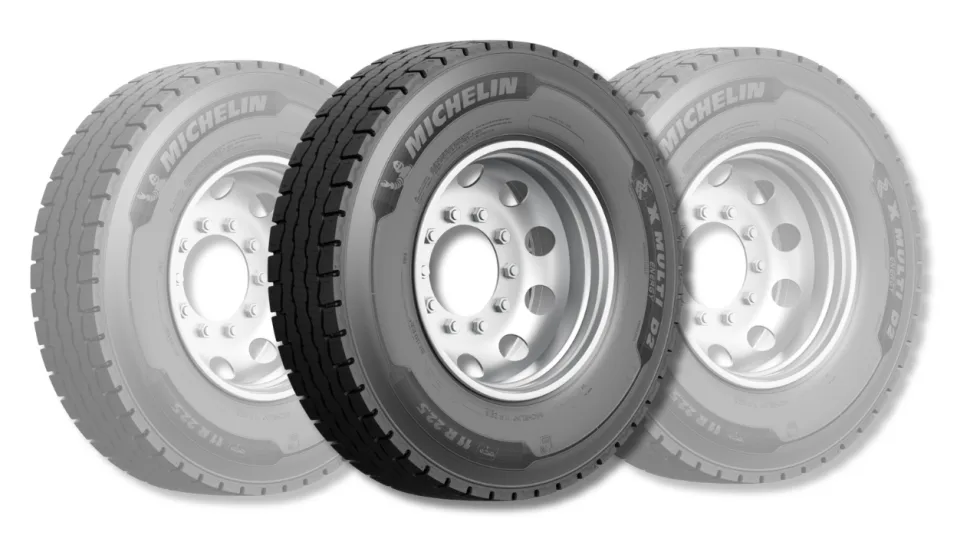
Michelin Tire Improves Efficiency and Durability for Regional Fleets
The Michelin X Multi Energy D2 is a regional haul drive tire engineered to help fleets improve fuel efficiency, durability and traction in demanding stop-and-go operations.
Read More →
What Geotab's New AI Connector Means for Fleets
Fleets can now ask their usual AI assistants questions about maintenance, safety, fuel use, and vehicle performance, using their live Geotab data, and take action on the answers without leaving their preferred AI tool.
Read More →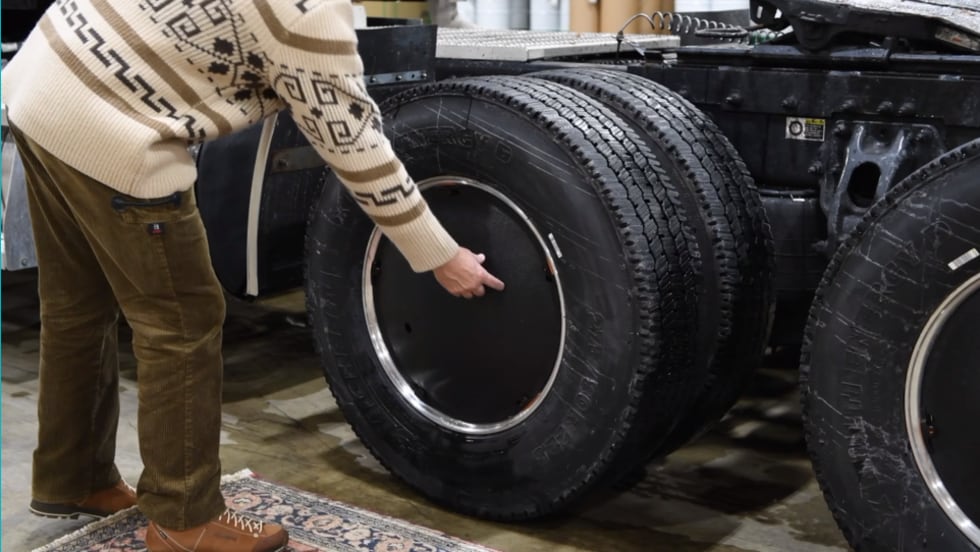
Deflecktor: Hubbub Aerodynamic Wheel Cover Cost-Effective Even for Trailers
Aerodynamic wheel covers can deliver small but meaningful fuel-economy gains for fleets, and Deflecktor says its latest design aims to make the technology easier and more affordable to deploy.
Read More →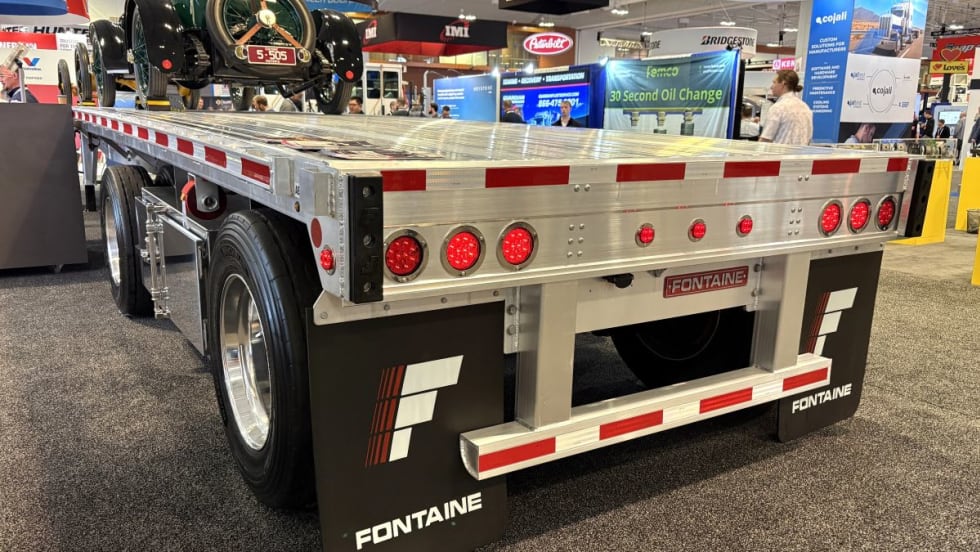
Fontaine Expands Flatbed Lineup with New Fleet-Focused Models, Eyes 2027 Launch
Fontaine is broadening its flatbed lineup with new models aimed at fleets, including a lightweight aluminum trailer expected in 2027 that emphasizes durability, repairability, and lower cost.
Read More →