




NACFE: eTRU Technology Evolving Rapidly
Although challenges remain, a new report by the National Council for Freight Efficiency has found considerable progress has been made in terms of technology and standardization electric transport refrigeration units.

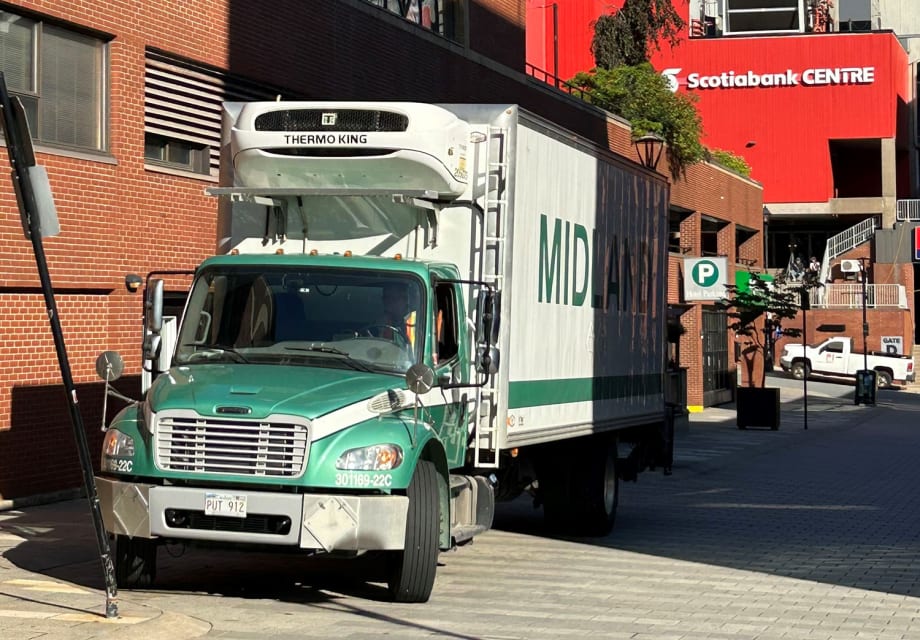
Electrification soon encompass every aspect of fleet operations nationally, including refrigerated transport of goods.
Photo: NACFE
The North American Council for Freight Efficiency (NACFE) has released its first-ever report on transport refrigeration. The report, entitled Decarbonizing Truck and Trailer Refrigeration provides basic information about transport refrigeration units (TRUs) and electric transportation refrigeration units (eTRUs).
The report also identifies and discusses key challenges and opportunities facing the trucking industry ecosystem and its support systems as the CARB eTRU rules come into effect, and as the industry begins to transition away from fossil-fuel powered refrigeration.
“About one of every seven straight trucks and trailers on the road uses transport refrigeration units to keep their freight in a specified temperature range,” says Rob Graff, NACFE’s senior technical consultant and study lead.
“Most TRUs today are diesel powered. These are increasingly subject to regulations on their emissions — including GHGs. We’ve seen the development of low- to no-emissions TRU technologies emerging to meet these requirements.”
“What we want fleets outside of California to understand is that electrification is about more than just propulsion,” said Mike Roeth, executive director, NACFE. “Sooner or later, electrification will encompass everything. Electrification is our future. But, the good news is that when it comes to eTRUs, people are all ready working on it and the products are coming.”
A Complex Application
There are benefits and challenges of switching to eTRUs from both a cost and operational standpoint, and the report explains those in detail.
Based on its research and analysis, the study team came to the following conclusions about the state of transport refrigeration today:
Freight requiring transport in a specified temperature range encompasses about 15% of straight trucks and trailers.
Regulations and heightened sustainability expectations are converging to require more sustainable solutions for moving refrigerated goods.
New refrigeration units have been developed to run with zero emissions using electricity.
Other allied solutions are emerging to support eTRUs.
Moving and delivering refrigerated goods with zero or significantly lower emissions while maintaining quality is a large challenge.
Activities are underway to plan for and harmonize the connectors and power requirements for charging electric trucks, charging eTRU batteries, and providing shore power when electric reefers are parked or idling.
The report notes that emissions from dedicated diesel engines powering TRUs or by the vehicle engines powering alternators or compressors can be major sources of unwanted emissions. These include particulate matter, oxides of nitrogen, and greenhouse gases.
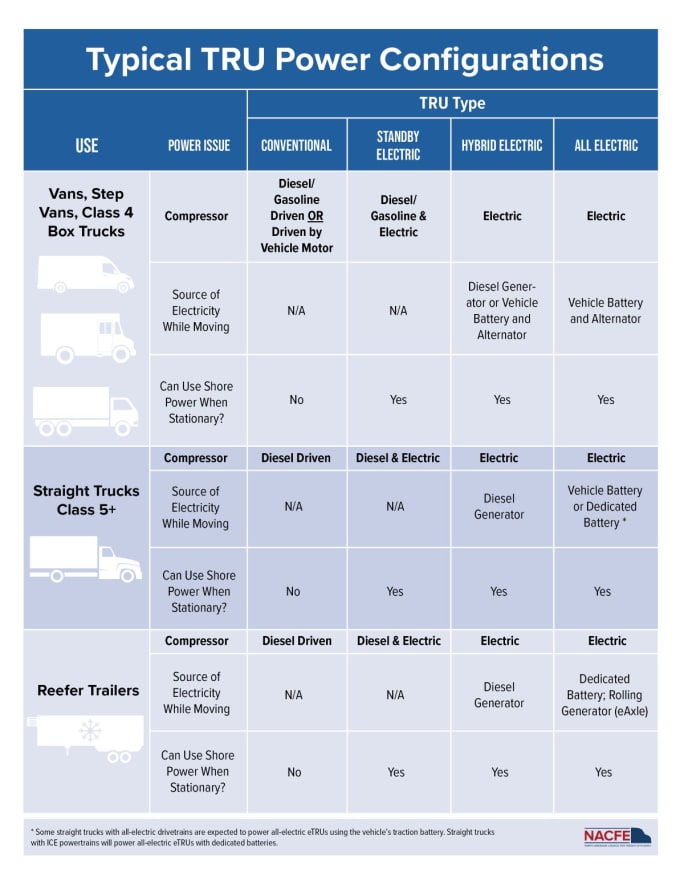
There are already a wide range of eTRU options available for fleets today.
Graphic: NACFE
The noise produced by truck refrigeration units is also a concern, particularly in communities where deliveries are made in close proximity to residences or for stationary reefer vans parked near residential areas. Refrigerant leakage is also a concern as many refrigerants have a very high global warming potential.
TRU Benefits
NACFE found that there are many benefits from switching to eTRus for refrigeration:
Operating Cost savings: All three eTRU configurations can be plugged into shore power when the vehicle or trailer is parked for extended periods of time. This not only reduces emissions, but also can save money.
Noise reduction: Electric motors are inherently quieter than diesel engines, so eTRUs are significantly quieter than diesel-powered TRUs.
Reduced maintenance costs: Electric motors are simpler with fewer moving parts than diesel engines, so fleets using eTRUs may face significantly lower maintenance costs.
But NACFE analysts also found significant barriers to expanded eTRU use, mainly in terms of operational and cost challenges with eTRUs:
Battery size: Users of all-electric eTRUs want to use the right sized battery for the duty cycle. Too large a battery adds unnecessary capital cost and weight, while an undersized battery could fail to power the eTRU throughout the duty cycle.
Weight: All-electric eTRUs require batteries and power electronics in addition to the eTRU itself, which results in a weight penalty compared to conventional TRUs.
Operational changes: Switching to an eTRU will require closely monitoring battery state of charge, and paying extra attention to keeping doors closed, seals well maintained, and plugging into shore power for temperature pulldown at loading docks and in yards.
Proper training: eTRUs run at a much higher voltage than diesel TRUs. In addition, therefore it is critical that service technicians are properly trained.
Operator changes: Operators of trucks supplied with eTRUs need to ensure they perform several duties differently than they do with diesel TRUs.
Initial cost: The initial cost of an eTRU is higher than that of a diesel-powered TRU. The “out the door cost” paid by a particular carrier will depend on a range of factors, such as federal, state, local, and utility incentives.
Charging infrastructure and shore power cost: CARB estimates the electric infrastructure cost for an all-electric TRU will range from $4,300 to $5,700. A facility may also face significant costs for getting electricity to a site that does not currently have sufficient electrical service.
Availability: The variety of eTRUs commercially available is significantly smaller than that of conventional TRUs. In addition, as of mid-2024, there is a lack of eTRUs that can serve multi-temperature operations.
Moving Toward Market Alignment
ETRU technology is still in its early stages, NACFE found. But, among other findings, the report notes that the market is already aligning to serve customer needs.
NACFE found that:
Regulations and heightened sustainability expectations are converging to require more sustainable solutions for moving refrigerated goods. CARB has been driving regulations that require zero-emission refrigeration and freeze protection for moving goods. This can be a large challenge as today’s diesel eTRUs run off the diesel truck’s engine or from dedicated engines integrated into the TRUs. These have long run times for when the vehicles are in motion or sitting at warehouses or stores to be loaded or unloaded.
Activities are underway to plan for and harmonize the connectors and power requirements for charging electric trucks, charging eTRU batteries, and providing shore power when electric reefers are parked or idling. The broad efforts being made to provide charging infrastructure for electric trucks should be expanded to incorporate the requirements of electric transport refrigeration units.
“Range Energy is excited to see NACFE publishing this important report about eTRUs. There are a lot of challenges and opportunities in the transition to electric TRUs,” says Collin MacGregor, head of systems engineering at Range Energy. “This report will be valuable to the trucking industry as it moves forward to adopt this technology.”
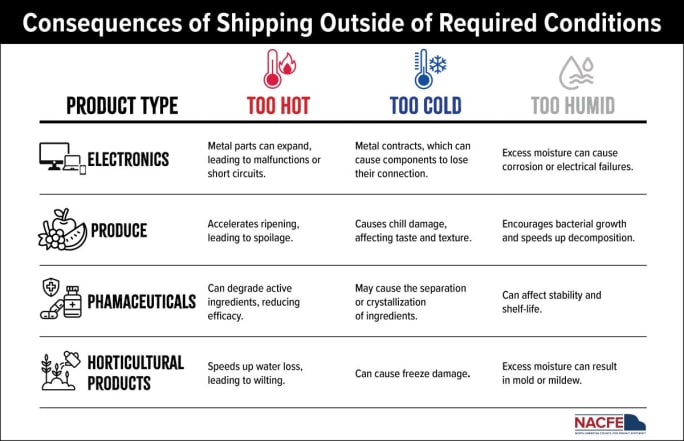
One challenge eTRU designers must contend with are the wide range of temperature control challenges refrigerated carriers must deal with on a daily basis.
Chart: NACFE
“We’re early really in eTRU technology,” Roeth added. “The regulatory side of this is very real. On the other hand, not all fleets run refrigerated units. And it’s only California, right now. So, it’s easy for fleets around the country to think this isn’t a big deal.
"But a lot of work is being done now to standardize this technology. There are still some big challenges out there. But hopefully many – if not all – of these outstanding issues will be largely worked out by the time eTRUs do become a national requirement.”
The full NAFCE report on eTRUs can be downloaded here.
More Fuel Smarts
Trucking’s Diesel Squeeze Isn’t Letting Up
With diesel topping $6 a gallon nationally, ATA's Bob Costello explains why fleets should prepare for continued pressure at the pump.
Read More →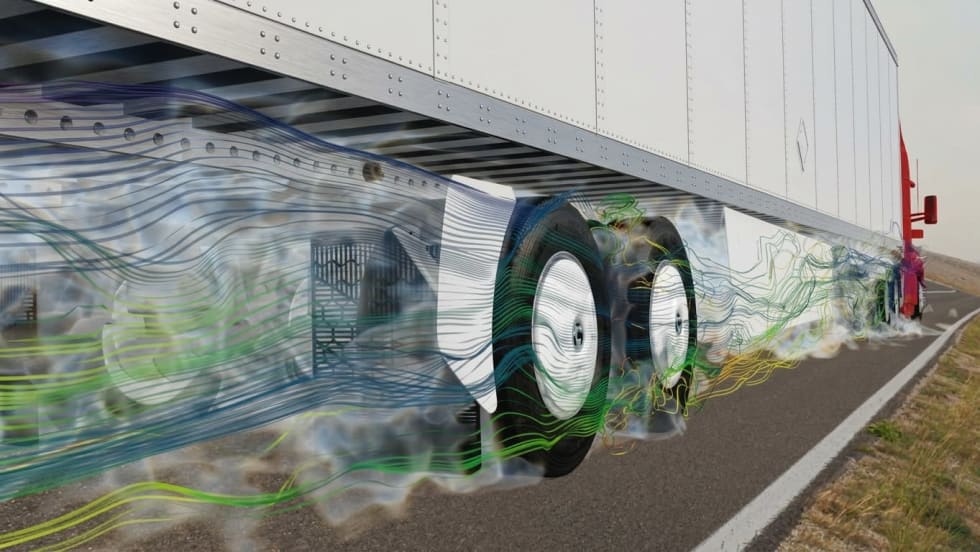
FlowBelow Redesigns Trailer AeroSlider to Cut Fuel Use
The lighter trailer aerodynamic system installs in less than 45 minutes, according to the company, with potential payback in under a year depending on fuel prices and trailer mileage.
Read More →
Why Diesel Price Relief Efforts May Fall Short
Diesel prices have eased from September’s record high, but doubts about additional Russian supply and limits on dyed-diesel tax relief mean trucking fleets still face expensive fuel. And prices could go higher.
Read More →
Why Small Fuel Savings Matter in Trucking
Can better fuel economy help pay for driver raises? In this podcast, GP Transco explains how small efficiency gains create room to reinvest in its people.
Read More →
How GP Transco Cuts Trucking Fuel Costs, a Tenth of a Gallon at a Time
What’s another tenth of a mile per gallon worth? GP Transco shares how equipment upgrades and driver coaching turn small gains into meaningful fuel savings.
Read More →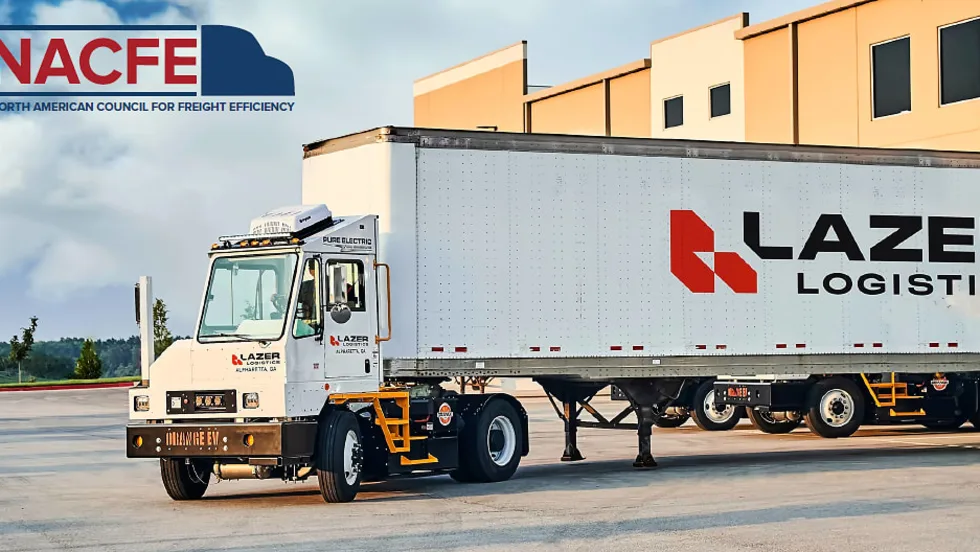
Electric Yard Tractors Move Beyond Pilots
Operating-cost savings have overtaken sustainability goals as the leading reason surveyed fleets are adopting battery-electric terminal tractors, according to new NACFE research.
Read More →
Geotab Links Fleet Card to Vehicle Data
The new card combines fuel discounts with telematics-based purchase controls. Geotab’s analysis also points to potential savings from choosing lower-priced fuel stops.
Read More →
Fleet Economics Shape Electric Truck Outlook
ACT Research expects costs, charging infrastructure, and technology improvements to drive zero-emission commercial vehicle adoption as federal regulations and incentives retreat.
Read More →
Wex Adds Cardless Fuel Payments for Over-the-Road Customers
A new fuel card feature for Wex customers offers convenience and security.
Read More →
New California Law Could Shed Light on Electric Truck Prices
Why do battery-electric Class 8 trucks remain so expensive? A California bill signed by Gov. Gavin Newsom would give fleets and state agencies more visibility into what manufacturers charge.
Read More →