




Joel Morrow's 200K Oil Experiment
Joel Morrow is pushing the envelope for oil drain intervals with his Volvo VNL, setting his sights on 200,000 miles. He’s worked closely with Volvo on several cutting-edge engineering initiatives.

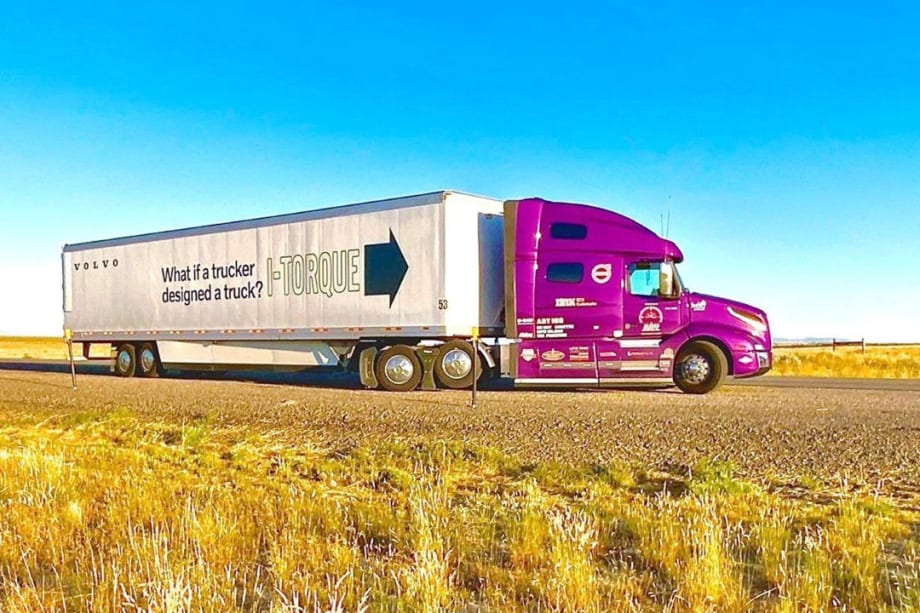
Joel Morrow is using his Purple Haze Volvo VNL as a test bed to see just how far he can push diesel engine oil drain intervals.
Photo: Joel Morrow
Joel Morrow wants to get down to one oil change per year — and he’s set his sights on 200,000 miles to get there.
A self-professed engineering geek, Morrow has made a name for himself as a social media “influencer,” pushing the envelope of Class 8 diesel performance and fuel efficiency. He’s worked closely with Volvo on several cutting-edge engineering initiatives.
He's been doing this for years with Ploger Transportation, his family-owned small over-the-road fleet. Now he’s driving for himself and using his "Purple Haze" Volvo VNL to further push the envelope.
“At Ploger, we continually pushed out our drain intervals over 10 years and never had an oil-related engine failure,” Morrow says. “Now, I’m using oil analysis to track the oil’s depleted base and oxidation levels, so I always know what’s going on in the engine as I push those intervals out even further.”
Morrow also is using oil additives to replenish the engine oil before a change is necessary.
“I’m using Hot Shot oil additive when an analysis tells me the oil base is getting low,” he explains, and to help with oxidation, especially in summer months and hot climates.
"Hotter oil is also a factor with today’s downsped powertrains," he says. "I’m currently cruising at 850 rpm — which is great for fuel efficiency, but hard on oil.”
A bypass oil filter and a high-capacity oil pan give him an extra 5 gallons of oil, which Morrow says also helps with oil oxidation.
Running engine oil meeting Volvo’s VDS-5 standard, Morrow adds to the base every 90 to 120 days. He religiously sends in oil samples to see how it’s holding up in the meantime.
“Using both, I’ve been able to keep both the base and the oxidation levels wherever I want,” he says. “They never move once I figured out when to replenish them.”
Morrow is working closely with his engine maker and oil supplier and documenting everything he does.
“When you start talking about doing this sort of thing in terms of warranties, you don’t want anything to get too funky,” he says. “But we’re at 100,000 miles without a change on Purple Haze now. We’ve got really good oil samples, and we’ll be doing the same program with another truck coming on in the spring.”
Morrow thinks he's well on his way to his one-oil-change goal of 200,000-mile drain intervals. “I think I’m going to make that with no problem.”
More Maintenance
Oil Crisis Squeezes Trucking Lubricant Supplies
Fleets report higher lubricant costs as Middle East disruptions tighten supplies of ingredients used in synthetic engine oils and some driveline lubricants.
Read More →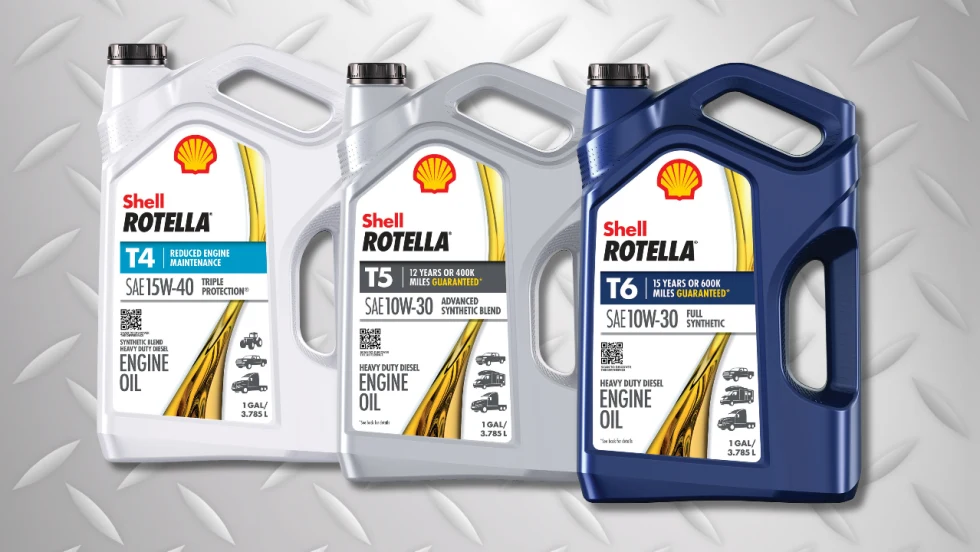
Shell Prepares Rotella Oils for 2027
New CL-4 and FB-4 formulations will begin arriving in early 2027, with improved protection against oil breakdown, wear and deposits, according to Shell.
Read More →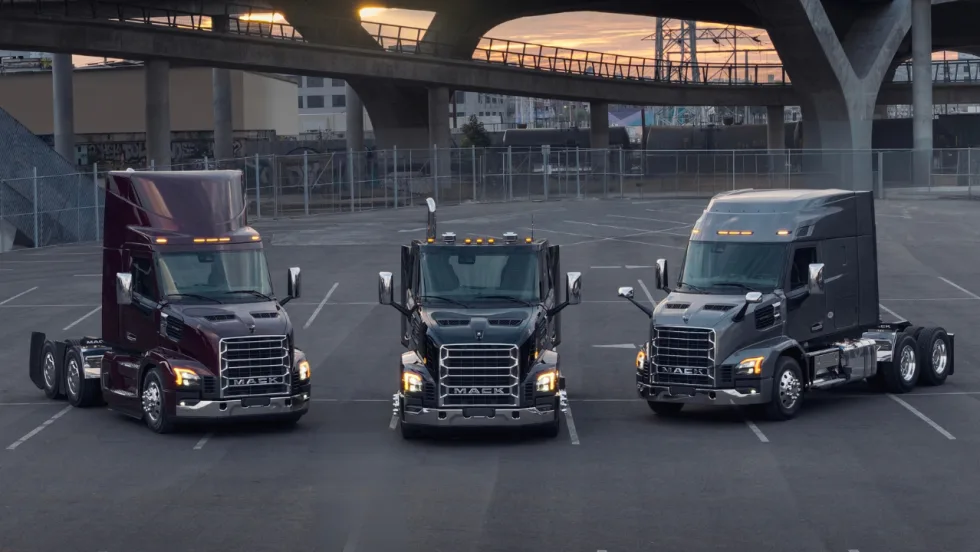
Mack Expands Extended Coverage With Four Chassis System Plans
Mack Trucks' new system-specific coverage options allow heavy-duty fleets to select protection for driveline, cab, HVAC, electronics, and advanced safety components.
Read More →
What an Out-of-Service Order Really Costs, and How to Plan for One
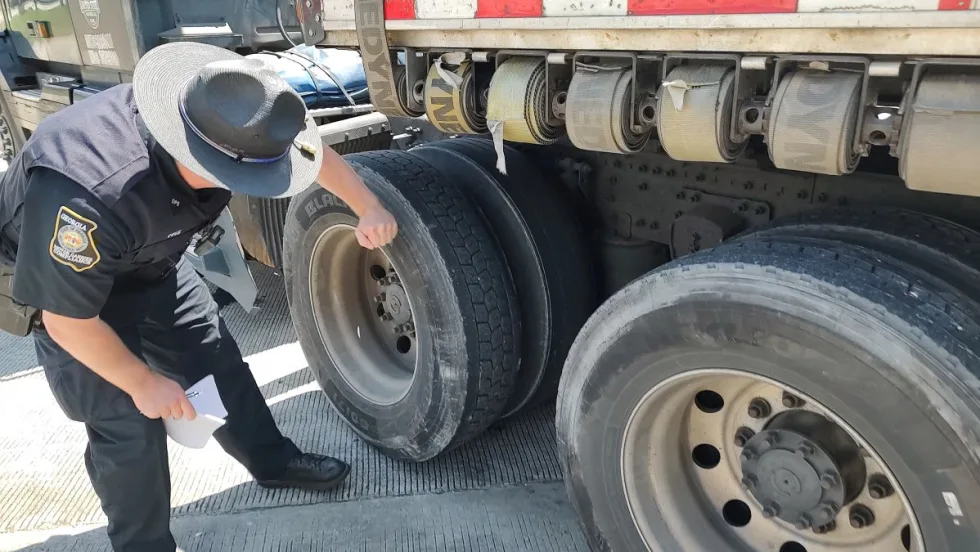
The repair invoice is the first number you see — and often one of the smallest. Here’s what else an out-of-service order can cost a fleet, and how planning can reduce the damage.
Read More →
International Launches Online Truck Parts Store
Fleetrite.com lets fleets and repair shops find OEM and all-makes parts, check prices and availability, and order without calling a parts counter.
Read More →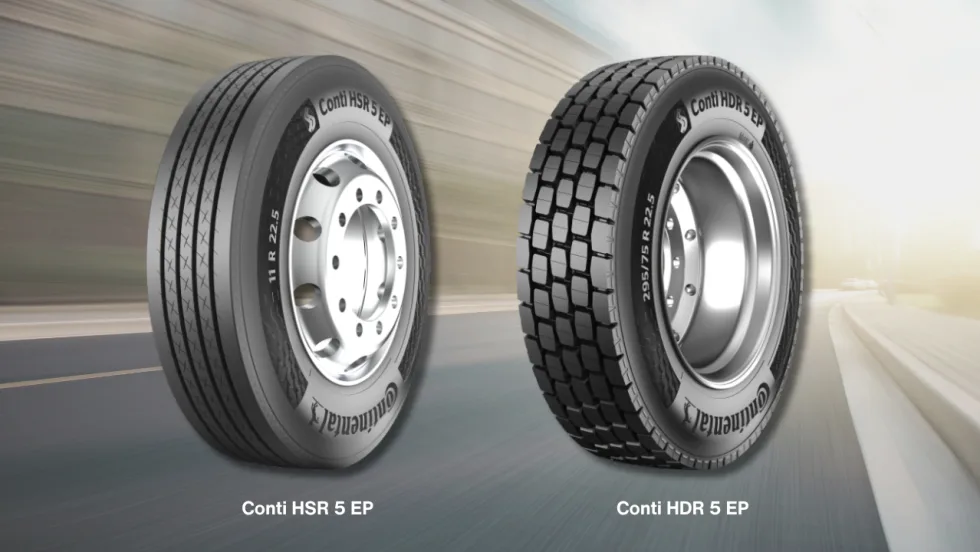
Continental Introduces New Regional Truck Tires
Continental says its new Generation 5 steer and drive tires for regional operations offer longer tread life, with estimated mileage gains of 22% and 19%, respectively.
Read More →
How AI Can Help Your Techs’ Efficiency
The technician shortage isn't going away, and no single fix can close the gap on its own. Trent Broberg makes the case that AI's real job in the shop is protecting the billable hours and job satisfaction of the techs you already have, not asking them to work faster.
Read More →
Color Match Smarter: Tools That Restore & Perform
For fleet managers and collision repair professionals keeping heavy-duty trucks on the road, getting the color right the first time isn't just about appearance — it's about efficiency, turnaround time, and bottom-line results. Discover how today's digital color tools are transforming the repair process from guesswork to precision.
Read More →
Wrong Repair Prompts Recall of Freightliner, Western Star 4x2 Trucks
DTNA is recalling more than 2,400 trucks that received an incompatible software fix instead of the hardware repair required to address brake valve corrosion.
Read More →
Truck Drivers Need More Than Another Alert
Fleets have more visibility into truck health, safety events, and driver activity than ever. The next challenge is turning all that information into useful guidance for the person who has to decide what to do next.
Read More →