




Cummins Collaborates on Open Telematics Framework
Open Telematics Framework is a significant development in the trucking technology space as it eliminates the complex customization and reprogramming efforts that have historically burdened developers and incorporates the latest cybersecurity capabilities.


A write-once, run-anywhere approach eliminates complex customization and reprogramming efforts that have historically burdened telematics application developers.
Photo: Cummins
With an innovative approach to developing telematics software for commercial vehicles, Cummins will open some of its digital architecture to suppliers and other industry partners. Cummins has entered into a collaboration agreement with the Eclipse Foundation and Microsoft, along with several dozen industry partners, to reduce app development costs and accelerate time to market.
The wide-scale partnership allows participating companies to write their telematics application once and deploy it to any telematics hardware running the Open Telematics Framework. Cummins says this write-once, run-anywhere approach will eliminate the complex customization and reprogramming efforts that have historically burdened telematics application developers.
Right now, for example, Cummins has dozens of different connectivity partners, all writing Cummins’ apps their way. Each app is written differently by the partner and put on their device. Cummins believes there are many gains to be seen in using a common telematics framework.
“Why have 35 different companies write these applications 35 different ways 35 different times?” asks Carlton Bale, Cummins’ director of digital product planning. “We need a way that Cummins can write these applications and then give them to the partners without them having to understand how to write this very detailed engineering, technical, command-specific application. We can just give them the application and they can run it on their device in a way that is secure for them and secure for us.”
The Partners
First introduced to this project through its relationship with Microsoft, Cummins will be releasing the Open Telematics Framework through the Eclipse Foundation’s Software Defined Vehicle (SDV) Working Group. The group’s website defines its mandate this way: "An open technology platform for the software-defined vehicle of the future; focused on accelerating innovation of automotive-grade in-car software stacks using open source and open specifications ..."
Microsoft will bring its cloud management capabilities, which when combined with the in-vehicle capabilities contributed by Cummins, will result in an open and comprehensive end-to-end solution. The Eclipse Foundation’s Software Defined Vehicle Working Group includes a growing list of 38 different automotive and technology companies, including Qualcomm, General Motors, Cummins, ZF Group, Denso, Bosch, and others.
The Open Telematics Framework is a collaboration between numerous companies in the industry and not just a Cummins-focused effort. Participants will not be locked into any proprietary solutions, Cummins said in a press release.
The goal is for companies to collaborate on a solution to grow capabilities, enhancing the Open Telematics Framework to serve an even broader range of developers, OEMs, and aftermarket telematics providers, including Saucon Technologies and Platform Science.
“[This will] allow OEM’s to substantially reduce the time and effort required to implement core standardized capabilities on their connected vehicles.
These foundational connected vehicle elements continue to further partner, developer, and customer efforts to push the innovation envelope,” said Jake Fields, CTO and co-founder at Platform Science.
A Win for Fleets, Too
The biggest difference for fleets will be more consistency and faster availability of digital features throughout the industry.
Think of it as an evolution, Bale says. In the past, the industry had flywheel interface standards for hardware. And then, 25 years ago or more, along came the J1939 data link to facilitate communication between the various onboard ECUs. And now we're at the digital connectivity phase.
“We're trying to come up with that same level of standardization and a common approach across the industry. This will save everyone time and money,” Bale says, adding, it’ll be a win for everybody. “Once the infrastructure to run all those applications is there, each company can focus on building their own application. That's really where the customer value is when we're focused on fleet-facing applications.”
Bale says the industry will start to see the fruits of these efforts next year when newer and more powerful telematic devices come to market. The more advanced capabilities will require a current generation of hardware.
"That's why we can't just roll it out to every device that's in production today," he said. "We'll see this with the devices launched in 2024 and beyond that have enough processing power and memory to be able to run these applications and to run this framework."
To learn more about the Open Telematics Framework, visit http://www.cummins.com/technology/telematics.
More Fleet Management
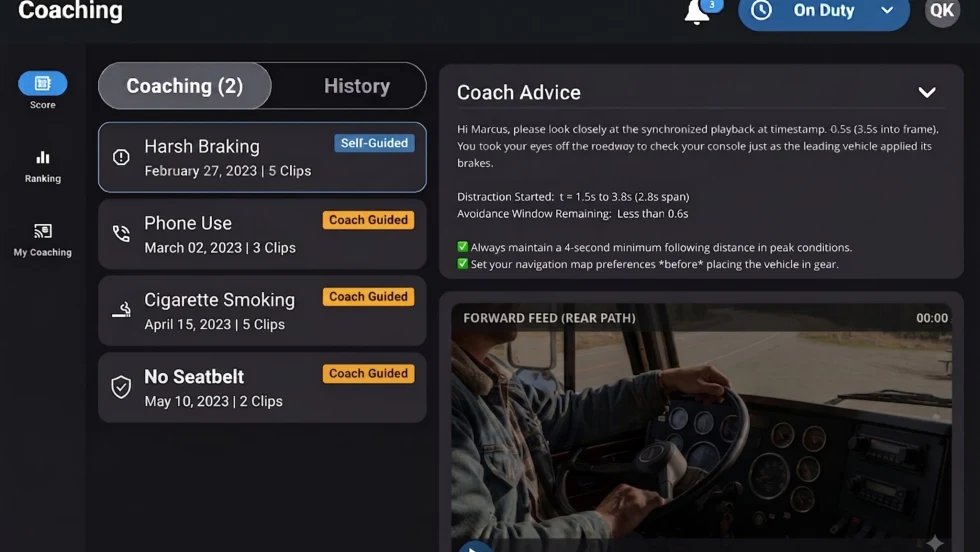
Platform Science Adds Dispatch and Safety Tools
Four additions to PS Fleet help fleets monitor loads, manage driver coaching, share truck locations and adjust video system settings.
Read More →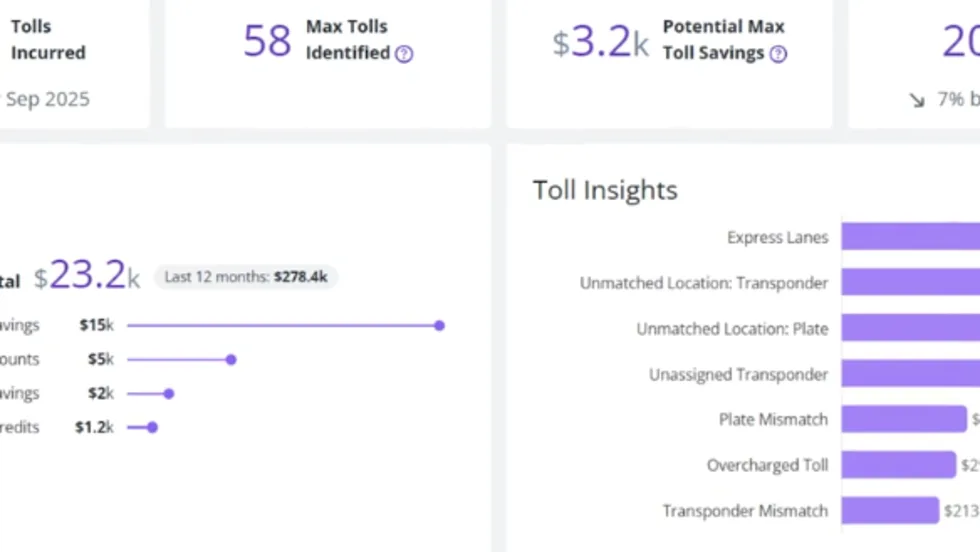
PrePass Intelligence Mines Fleet Bypass, Toll and Safety Data
PrePass Intelligence helps fleets measure bypass savings, flag potential toll overcharges, and spot suspicious transactions by combining data from separate systems.
Read More →
Motive Adds AI Agents for Fleet Operations
New tools automate follow-up on fleet data, from maintenance work orders to driver alerts, with two-way voice conversations planned for later this year.
Read More →
Can You Beat Our Trucking Trivia Challenge?
Test your truck knowledge with 19 trivia questions from Heavy Duty Trucking Exchange. Can you keep up with the fleet pros?
Read More →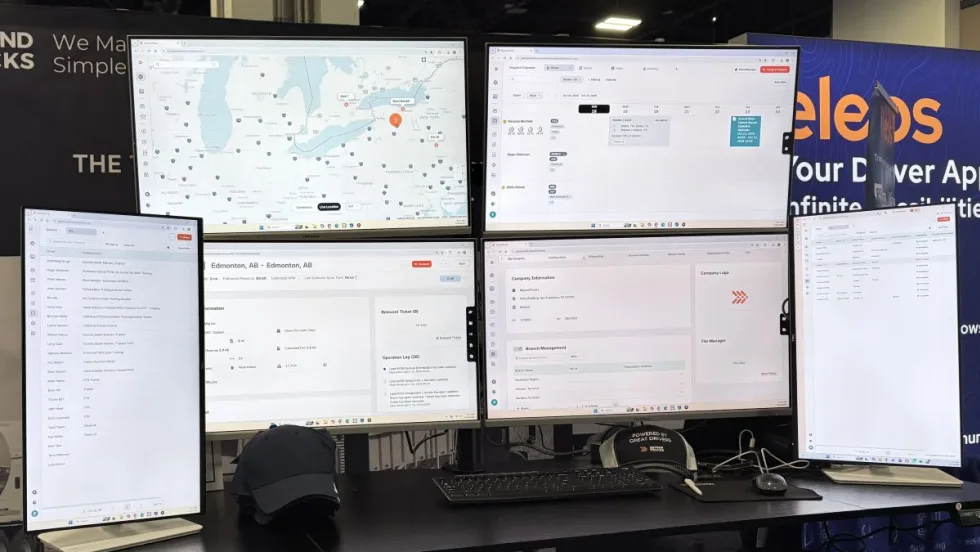
BeyondTrucks Adds Rules Checks to Dispatch
New Compatibility Engine checks driver qualifications, equipment requirements and fleet policies before loads are dispatched.
Read More →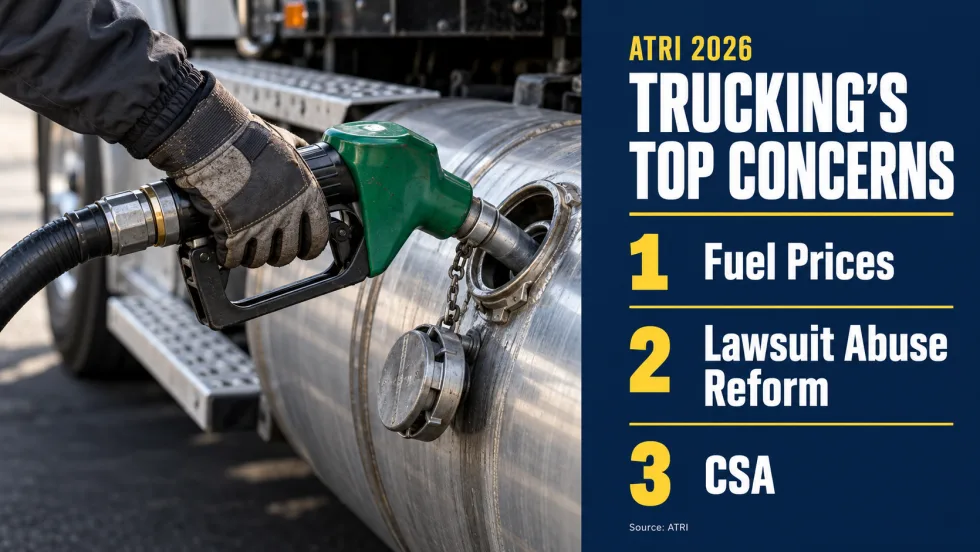
Diesel Prices Hijack Trucking’s Worry List
ATRI’s annual survey finds cautious optimism about freight, but diesel costs, litigation, and insurance continue to squeeze fleets. Drivers have different priorities on several issues.
Read More →
Nomination Deadline Extended for HDT Emerging Leaders
Just a few more days to nominate accomplished trucking fleet professionals under 40 who are making an impact and helping lead the industry forward for the HDT Emerging Leaders award. Deadline extended to October 20!
Read More →
What Will ATA’s New Leader Bring to Trucking's Table?
Incoming President and CEO Mark Colson’s record in Alabama offers clues about his priorities and approach following Chris Spear’s abrupt departure as the head of the American Trucking Associations.
Read More →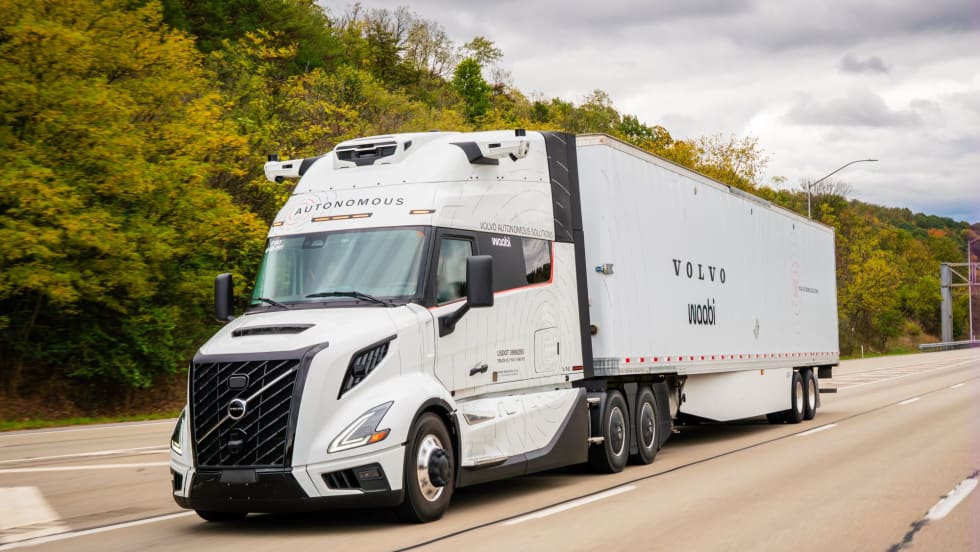
Volvo, Waabi Start Commercial Autonomous Operations in Texas
Volvo VNL Autonomous trucks, powered by the Waabi Driver, are hauling freight directly to third-party facilities for a customer in Texas.
Read More →
Samsara Launches Custom AI Agent Builder
Agent Studio lets fleets create AI tools for hours-of-service monitoring, reporting and driver support, including agents that communicate by phone.
Read More →