




How Telematics are Changing the Cold Chain
For refrigerated haulers, telematics introduces a first-ever capability — the ability to monitor and control transport refrigeration equipment from a central location.


For refrigerated haulers, telematics introduces a first-ever capability — the ability to monitor and control transport refrigeration equipment from a central location.
Photo: Thermo King
For refrigerated haulers, telematics introduces a first-ever capability — the ability to monitor and control transport refrigeration equipment from a central location, including changing cargo temperature profiles and setpoints, and making adjustments if needed while cargo is in transit.
“Telematics provides a view of the data around how the fleet performs and allows for quick changes when problems are found,” says Carl Breczinski, product manager for controls and digital solutions at Thermo King. “This could be as simple as understanding if policies on set-point and run mode are followed.”
But today’s systems can go far beyond that.
Both Thermo King’s ConnectedSuite and Carrier Transicold’s eSolutions platforms allow fleets to remotely monitor and download data reports from their trailers, with information such as temperature, operating mode, running hours, battery voltage, fuel level, and more available in real time.
Beyond that, they allow remote control of the refrigeration unit, allowing fleet managers to remotely turn the unit on or off, initiate defrost, initiate pre-trip, or change the unit running mode.
David Brondum, director of telematics for Carrier Transicold, Truck/Trailer/Rail Americas, explains that information can be shared with key cold chain stakeholders, including a fleet’s customers, without having to collect data onsite at the point of delivery.
Centralized monitoring streamlines cold chain compliance, saving time by supporting recordkeeping needed for Food Safety Modernization Act compliance.
The technology also creates new efficiencies for refrigerated operations.
“For example, fleets can activate units remotely for hands-free trailer precooling,” Brondum explains. And when trailer temperature settings are pre-configured remotely, the driver is removed from the equation, eliminating the chance of driver input errors.
Pre-trip diagnostic routines can be automated, setpoints can be managed remotely, and data downloads can be completed wirelessly. Refrigeration unit telematics can also help in theft avoidance. Alerts about unanticipated door openings or even sudden fuel loss, events that can be tied to geolocation data, can quickly identify potential theft situations.
Centralized oversight of temperature compliance not only helps in mitigating risk to refrigerated loads, but data recorded by the system also can easily validate temperature compliance from point to point, providing documentation to help avoid costly loss claims.
This article first appeared as a sidebar in the September 2021 issue of Heavy Duty Trucking.
More Equipment
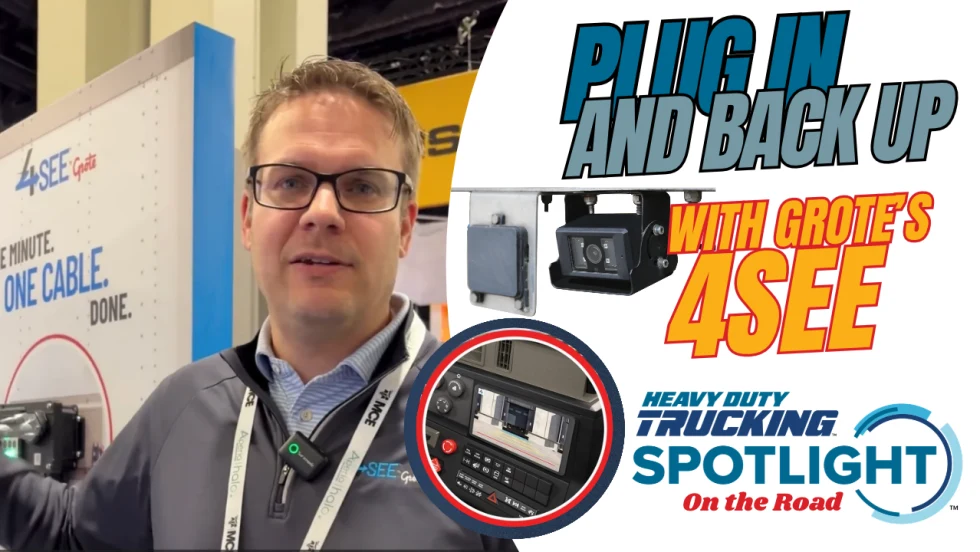
More Trailer Data Through the Same Seven-Way [Video]
Can trucking’s standard seven-way connector handle more cameras and trailer data? Grote’s Adam Slade shows HDT how the company is using new technology with its 4See trailer system, not only to add a new backup camera but also to expand other capabilities — without adding another connection.
Read More →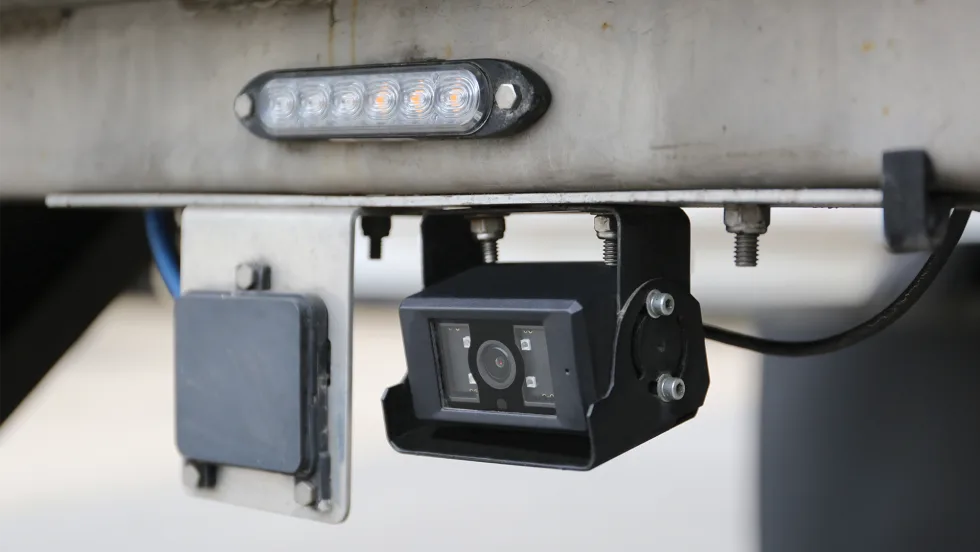
Grote: More Cameras, Same Seven-Way Connector
The next-generation 4See rear-view backup camera from Grote uses the standard seven-way connector and supports additional cameras and other trailer data.
Read More →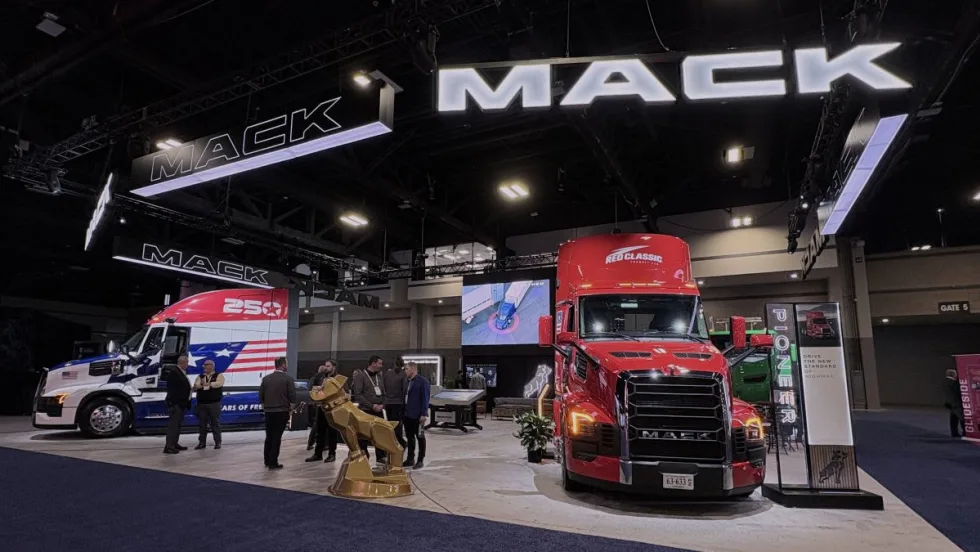
Trucks at ATA's 2026 MC&E in Charlotte, North Carolina [Photos]
From rigs decked out in patriotic America's 250 paint schemes to autonomous trucks and more, check out these photos from ATA's 2026 Management Conference & Exhibition.
Read More →
Help HDT Find Trucking’s Top Products
Have you come across a new product that could make a difference for trucking fleets? Nominate it for HDT’s 2027 Top 20 Products Awards by November 9.
Read More →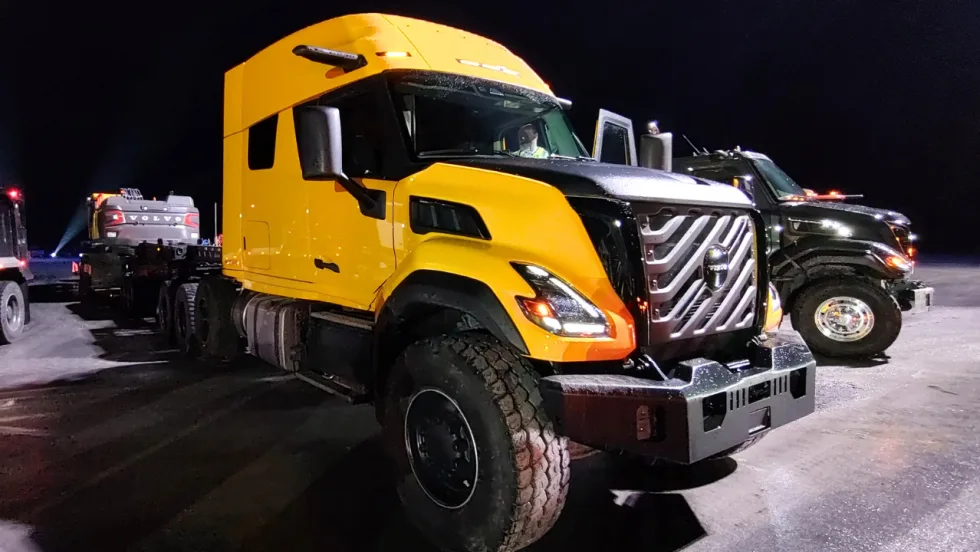
Volvo Unveils New VNX Heavy-Haul and Vocational Truck
Volvo Trucks has launched the VNX, a new vocational truck also available as a tractor in day cab and two sleeper configurations, with one heavy-haul model. The Volvo VNX is powered by Volvo's D13 platform, which delivers up to 540 horsepower and 1,950 pound-feet of torque and is EPA 2027-compliant.
Read More →
How GP Transco Cuts Trucking Fuel Costs, a Tenth of a Gallon at a Time
What’s another tenth of a mile per gallon worth? GP Transco shares how equipment upgrades and driver coaching turn small gains into meaningful fuel savings.
Read More →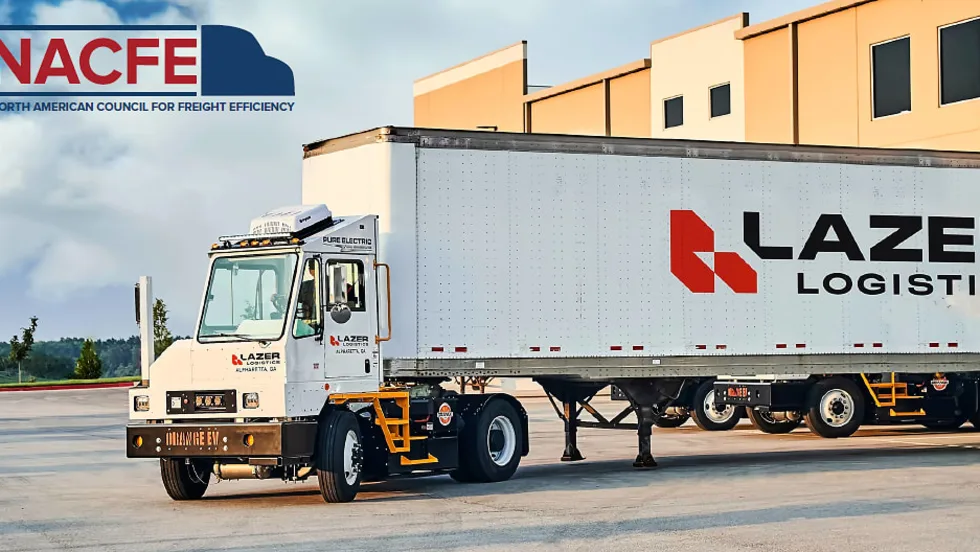
Electric Yard Tractors Move Beyond Pilots
Operating-cost savings have overtaken sustainability goals as the leading reason surveyed fleets are adopting battery-electric terminal tractors, according to new NACFE research.
Read More →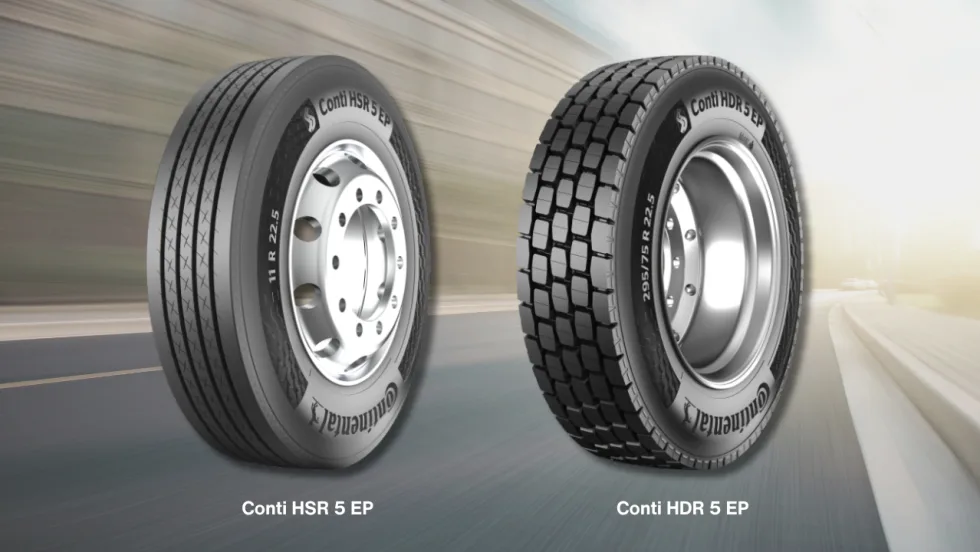
Continental Introduces New Regional Truck Tires
Continental says its new Generation 5 steer and drive tires for regional operations offer longer tread life, with estimated mileage gains of 22% and 19%, respectively.
Read More →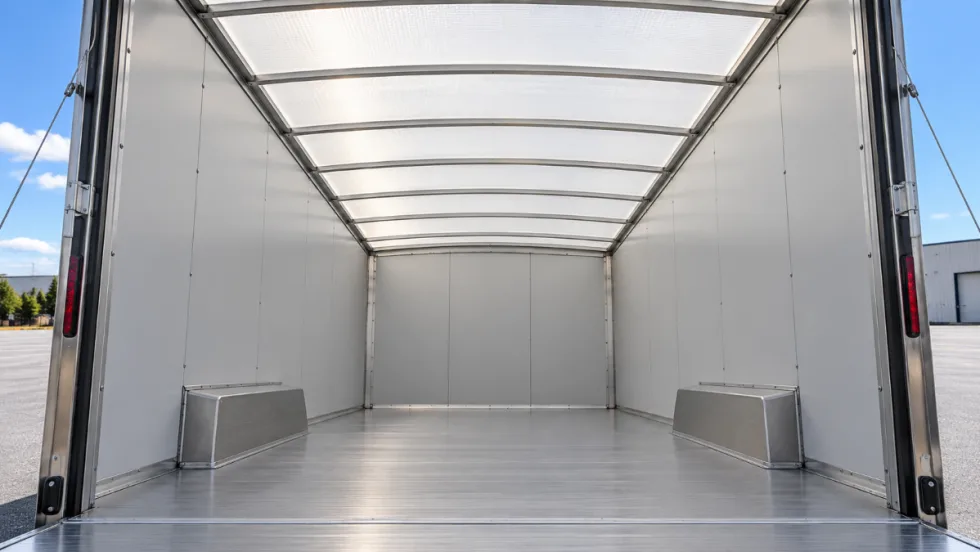
Tekmodo Introduces CargoBright Brand for Translucent Trailer Roofs
CargoBright is designed to diffuse daylight across the cargo area while performing as a working vehicle roof.
Read More →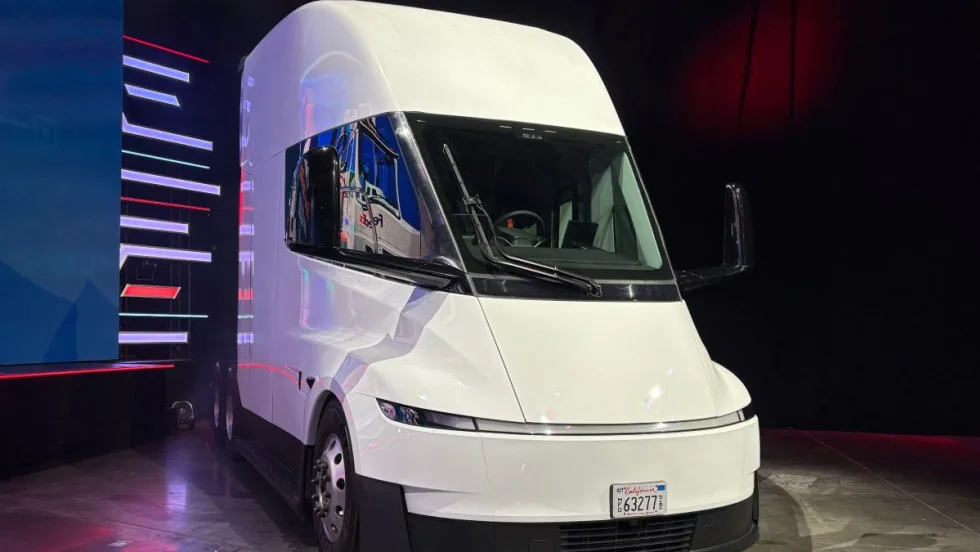
Fleet Economics Shape Electric Truck Outlook
ACT Research expects costs, charging infrastructure, and technology improvements to drive zero-emission commercial vehicle adoption as federal regulations and incentives retreat.
Read More →