




Dragonfly Energy Introduces All-Electric APU
Dragonfly Energy said its new Battle Born all-electric auxiliary power unit for trucks enables compliance with increasing anti-idling regulations while saving fuel, increasing uptime and payload, and reducing emissions.

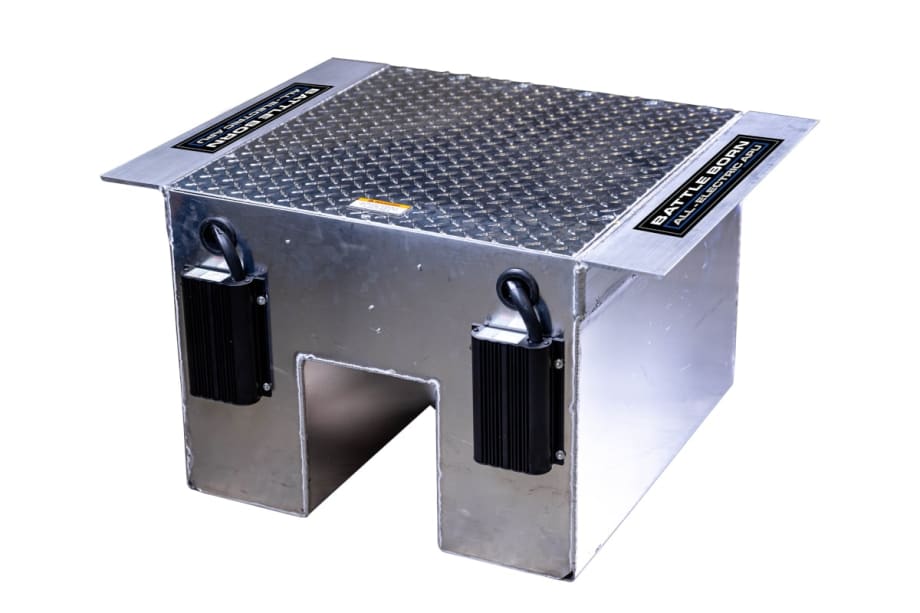
Dragonfly Energy's Battle Born all-electric auxiliary power unit provides ample wattage to run auxiliary power on trucks, even when the engine is off.
Photo: Dragonfly Energy
Dragonfly Energy has entered the trucking industry with its new Battle Born all-electric auxiliary power unit. The company said its lithium-ion battery system provides ample wattage to run auxiliary power on trucks, even when the engine is off.
In a press release, the company said the transition to lithium-based APU systems presents a significant opportunity for the trucking industry to potentially save billions of dollars on fuel costs and reduce harmful emissions during idle periods.
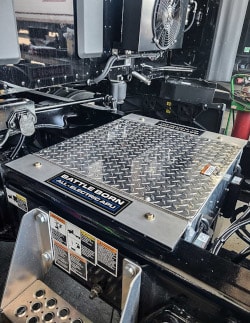
The Battle Born all-electric APU was designed by Dragonfly Energy to be a more reliable, efficient, and environmentally friendly way to power hotel loads on sleeper trucks.
Photo: Dragonfly Energy
"As the trucking industry faces stricter regulations, we believe an all-electric APU is a crucial first step in reducing fuel consumption and emissions," said Wade Seaburg, chief revenue officer, Dragonfly Energy.
Seaburg said the company has secured pilot programs with fleets representing roughly 15% of the North American heavy-duty trucking market.
"We believe this is a significant opportunity for Dragonfly Energy to diversify and grow its revenue while providing a compelling return on investment to fleet operators."
Reliable, Efficient and Environmentally Friendly
Dragonfly Energy said it has deployed hundreds of thousands of similar APU systems in adjacent markets.
The new Battle Born all-electric APU was designed to be a more reliable, efficient, and environmentally friendly way to power the hotel loads on sleeper trucks compared to traditional lead-acid batteries, the company said.
“Over the years, there have been many attempts to eliminate unnecessary engine idling by harnessing electric APUs,” said John Larkin, transportation industry veteran and analyst. “Recently, lithium-ion batteries are proving to dramatically improve upon the mixed results generated by previous attempts. The ability to address these problems today, rather than waiting for BEVs [battery-electric vehicles], can lead to immediate major operational savings for fleet operators.”
Dragonfly Energy said it has pilot programs under way with some of the industry’s top transportation companies, whose combined fleets include over 65,000 total trucks. It epects the Battle Born APU to help fleets improve their operating model by increasing uptime and driver retention, and reduce greenhouse gas emissions by improving fuel efficiency and reducing idle time, a major source of emissions in the transportation sector.
The Battle Born all-electric APU allows drivers to operate HVAC, appliances, and other electronics while the truck is off, with zero harmful emissions and no loud engine idling. The unit also recharges while the truck is being driven.
With one-fifth of the weight compared to traditional lead-acid batteries in the same physical space, the Battle Born All-Electric APU provides fleets and owner-operators more payload capacity, according to the company.
More Fuel Smarts
Trucking’s Diesel Squeeze Isn’t Letting Up
With diesel topping $6 a gallon nationally, ATA's Bob Costello explains why fleets should prepare for continued pressure at the pump.
Read More →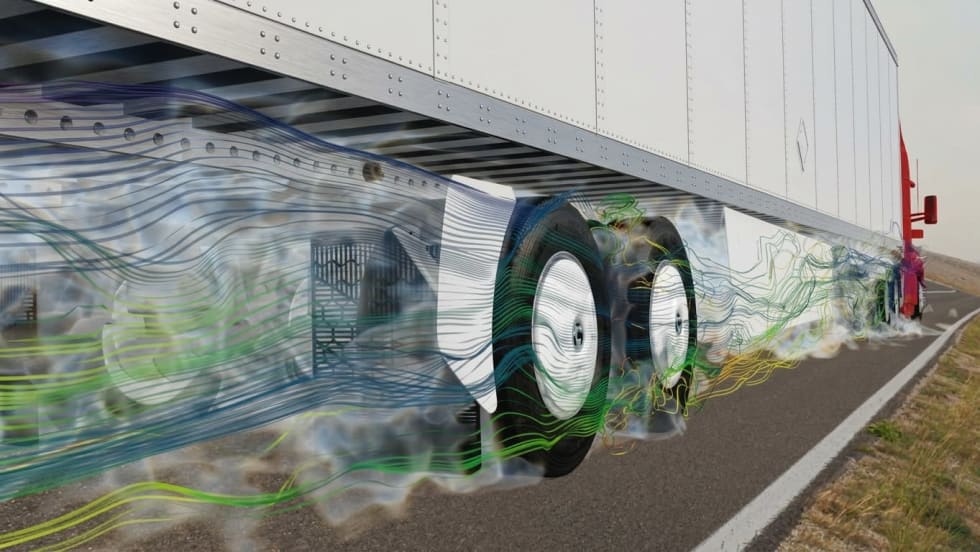
FlowBelow Redesigns Trailer AeroSlider to Cut Fuel Use
The lighter trailer aerodynamic system installs in less than 45 minutes, according to the company, with potential payback in under a year depending on fuel prices and trailer mileage.
Read More →
Why Diesel Price Relief Efforts May Fall Short
Diesel prices have eased from September’s record high, but doubts about additional Russian supply and limits on dyed-diesel tax relief mean trucking fleets still face expensive fuel. And prices could go higher.
Read More →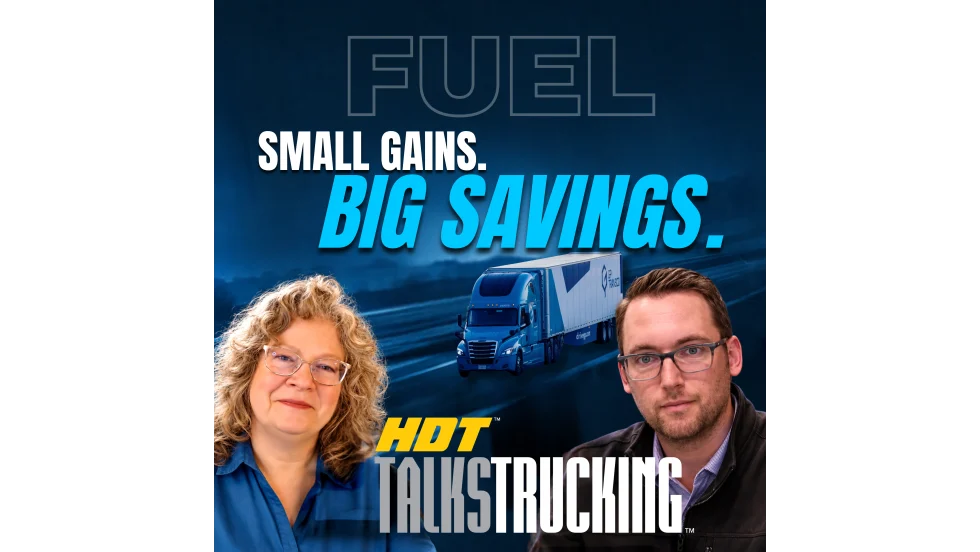
Why Small Fuel Savings Matter in Trucking
Can better fuel economy help pay for driver raises? In this podcast, GP Transco explains how small efficiency gains create room to reinvest in its people.
Read More →
How GP Transco Cuts Trucking Fuel Costs, a Tenth of a Gallon at a Time
What’s another tenth of a mile per gallon worth? GP Transco shares how equipment upgrades and driver coaching turn small gains into meaningful fuel savings.
Read More →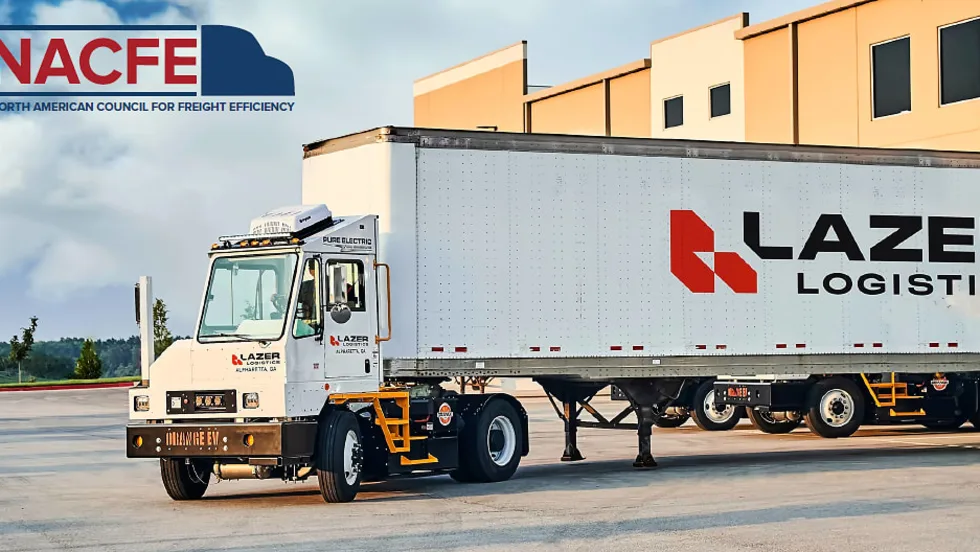
Electric Yard Tractors Move Beyond Pilots
Operating-cost savings have overtaken sustainability goals as the leading reason surveyed fleets are adopting battery-electric terminal tractors, according to new NACFE research.
Read More →
Geotab Links Fleet Card to Vehicle Data
The new card combines fuel discounts with telematics-based purchase controls. Geotab’s analysis also points to potential savings from choosing lower-priced fuel stops.
Read More →
Fleet Economics Shape Electric Truck Outlook
ACT Research expects costs, charging infrastructure, and technology improvements to drive zero-emission commercial vehicle adoption as federal regulations and incentives retreat.
Read More →
Wex Adds Cardless Fuel Payments for Over-the-Road Customers
A new fuel card feature for Wex customers offers convenience and security.
Read More →
New California Law Could Shed Light on Electric Truck Prices
Why do battery-electric Class 8 trucks remain so expensive? A California bill signed by Gov. Gavin Newsom would give fleets and state agencies more visibility into what manufacturers charge.
Read More →