




Georgia Prioritizes Hydrogen Fueling Station Development
Georgia Governor Brian Kemp has directed the Georgia Department of Transportation to begin the process of working with private sector partners on how best to approach deployment of hydrogen fueling stations for commercial vehicles in the state.

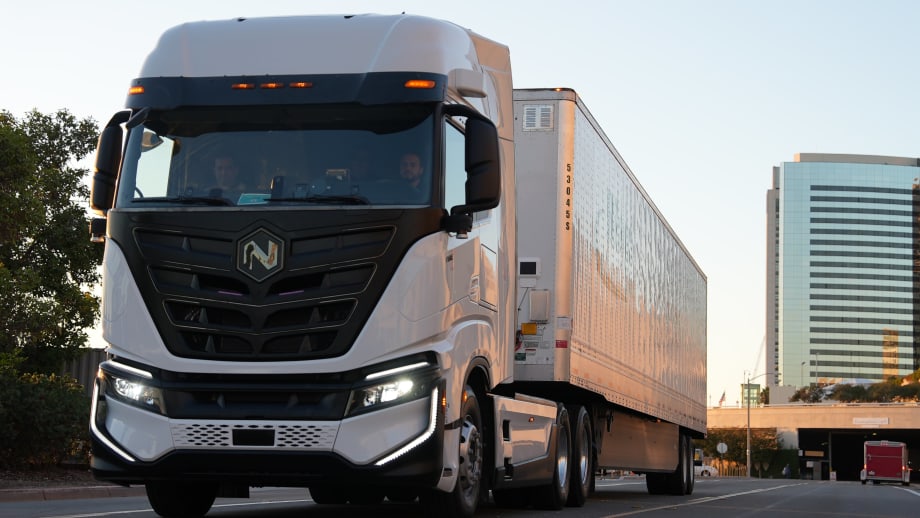
Georgial announced plans to speed up the development of hydrogen fueling stations as its use as a transportation fuel looks more and more likely.
Photo: Nikola
Georgia Governor Brian Kemp has instructed the Georgia Department of Transportation (GDOT) to begin exploring ways to accelerate the development of hydrogen fueling stations in the Peach State.
Kemp recently directed GDOT to begin the process of working with private sector partners on how best to approach deployment of hydrogen fueling stations for commercial vehicles in the state. As a first step to this multi-stage process, GDOT has issued a request for information (RFI) to seek feedback from businesses operating in this space on how to progress in the development and construction of hydrogen fuel stations. GDOT will use the feedback collected from the RFI in conjunction with other research to better understand opportunities to accelerate the adoption of hydrogen-powered trucks.
"As the No. 1 state for business with world-class institutions of higher learning, Georgia is on the cutting-edge of innovation and the jobs of the future," said Kemp. "But as I always say, we can't rest on our laurels. I want to thank GDOT and our partners in the private sector who will ensure that when it comes to hydrogen energy, we will do as we have in so many other areas - lead."
A Fast-Growing Market
The market for hydrogen as a transportation fuel is in the early stages of development in a few regions of the U.S. It has already deployed successfully in several other economically-advanced countries. Currently, hydrogen's predominant commercial use is in the industrial sector and for fertilizer and methanol production, with the U.S. market consuming approximately 10 million metric tons of hydrogen annually. Abundant in the environment, it is stored in water, hydrocarbons, and other organic matter. The total current value of the hydrogen market in the U.S. is estimated to be approximately $17 billion. By 2050, the total estimated revenue is projected to be more than $130 billion per year, meeting 14 percent of U.S. energy demand.
“We at GDOT are always seeking opportunities to advance our state through innovation, and with the feedback gathered by this RFI we will have an opportunity to plan for the future,” said GDOT Commissioner Russell McMurry.
During the RFI process and ensuing planning discussions, GDOT will consider the full range of potential demand for hydrogen for transportation uses. This will include the option to bring down the cost of hydrogen refueling station development in Georgia. Other aspects to be considered include possible locations for hydrogen refueling station deployment, with initial primary consideration given to areas adjacent to Georgia’s ports.
This RFI is not a competitive solicitation. Rather the information gathered will help GDOT determine the viability of implementing hydrogen refueling stations, including the best methods to consider for procurement. The RFI will be open for submissions for 30 days, ending Sept. 2.
Interested parties are encouraged to respond to the RFI here.
More Fuel Smarts

Why Diesel Price Relief Efforts May Fall Short
Diesel prices have eased from September’s record high, but doubts about additional Russian supply and limits on dyed-diesel tax relief mean trucking fleets still face expensive fuel. And prices could go higher.
Read More →
Why Small Fuel Savings Matter in Trucking
Can better fuel economy help pay for driver raises? In this podcast, GP Transco explains how small efficiency gains create room to reinvest in its people.
Read More →
How GP Transco Cuts Trucking Fuel Costs, a Tenth of a Gallon at a Time
What’s another tenth of a mile per gallon worth? GP Transco shares how equipment upgrades and driver coaching turn small gains into meaningful fuel savings.
Read More →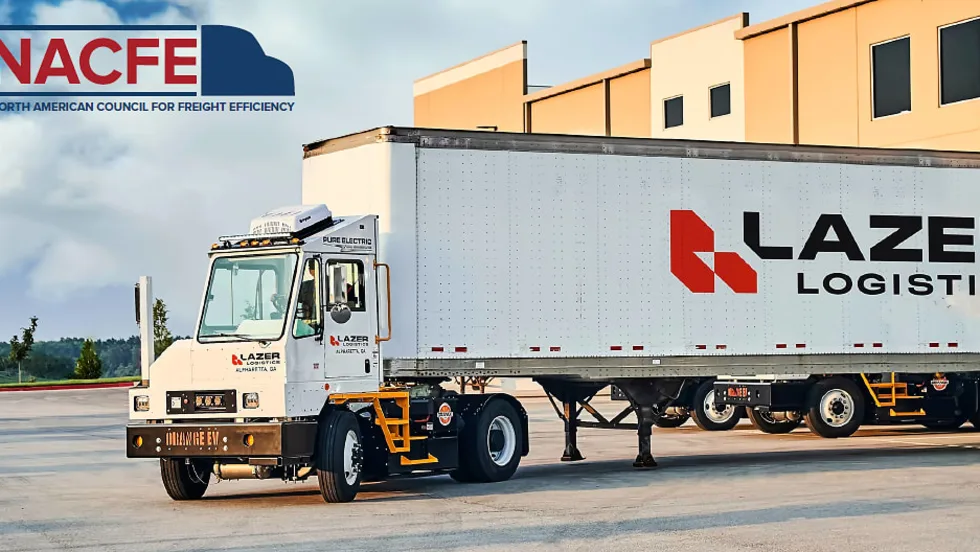
Electric Yard Tractors Move Beyond Pilots
Operating-cost savings have overtaken sustainability goals as the leading reason surveyed fleets are adopting battery-electric terminal tractors, according to new NACFE research.
Read More →
Geotab Links Fleet Card to Vehicle Data
The new card combines fuel discounts with telematics-based purchase controls. Geotab’s analysis also points to potential savings from choosing lower-priced fuel stops.
Read More →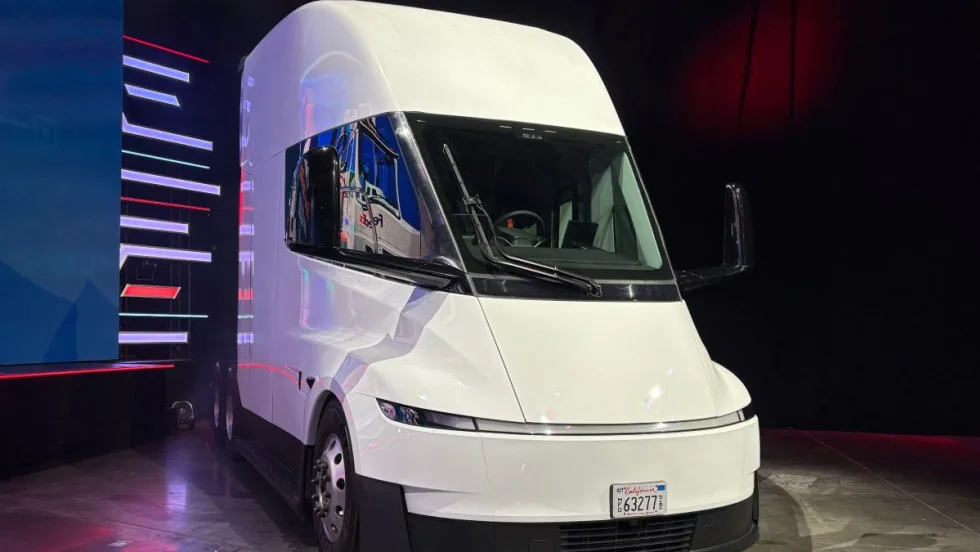
Fleet Economics Shape Electric Truck Outlook
ACT Research expects costs, charging infrastructure, and technology improvements to drive zero-emission commercial vehicle adoption as federal regulations and incentives retreat.
Read More →
Wex Adds Cardless Fuel Payments for Over-the-Road Customers
A new fuel card feature for Wex customers offers convenience and security.
Read More →
New California Law Could Shed Light on Electric Truck Prices
Why do battery-electric Class 8 trucks remain so expensive? A California bill signed by Gov. Gavin Newsom would give fleets and state agencies more visibility into what manufacturers charge.
Read More →
How Volvo Updated Its D13 for EPA 2027 [Watch]
Volvo’s updated D13 promises lower emissions without sacrificing performance or fuel economy. Take a closer look at what changed inside the engine in this HDT Spotlight video.
Read More →
Diesel Price Spike Shortens Payback for Natural Gas Trucks, Report Says
Energy Vision estimates fleets could recover the higher purchase price of an RNG-fueled Class 8 tractor in 1.3 to 2.8 years under current fuel-price scenarios.
Read More →