




Trucker Group Criticizes Fuel Economy Rules, Others Positive to Cautious
The nation’s largest group of truckers is speaking out against President Obama’s Tuesday announcement ordering federal regulators to increase fuel efficiency and greenhouse gas standards for trucks beyond the 2018 model year. Others say the plan will pay dividends in the trucking industry.


The nation’s largest group of truckers is speaking out against President Obama’s Tuesday announcement ordering federal regulators to increase fuel efficiency and greenhouse gas standards for trucks beyond the 2018 model year. Others say the plan will pay dividends in the trucking industry.
The Owner-Operator Independent Drivers Association warns the plan could put the cost of new medium and heavy-duty trucks out of reach for many truckers.
It says the standards will continue to push the cost of new trucks skyward, forcing many small-business truckers and fleet owners to hold onto older trucks and put off buying new equipment as long as they can.

OOIDA claims EPA’s own numbers show earlier introduced 2014-2018 standards will add approximately $6,200 to the price of a new truck. The administration has not yet released how much the second round will increase the cost of those trucks.
“Shock and awe may be the best way to describe what’s happening to the vast majority in trucking with these proposed regulations,” said Todd Spencer, OOIDA executive vice president. “Each year for the past 10, more and more truckers are squeezed out of the option to buy new equipment because of ever increasing prices due to government requirements that are long on promises but way short on performance.”
OOIDA says the proposal completely overlooks the driving habits of trained professional commercial motor vehicle operators who strive for fuel economy.
“Multiple studies have shown the biggest variable in fuel economy is always the driver, accounting for as much as 30 percent of fuel consumption, yet they aren’t trained to maximize fuel economy,” Spencer said.
The first round of greenhouse gas emission rules, posted in 2011, set standards for model years 2014 through 2018. It focused on efficiencies obtained by refinements to tractors and engines. This next round of rules is likely to be more ambitious. Obama told the Environmental Protection Agency and the National Highway Traffic Safety Administration to propose a rule by March 2015, and finish the rule by March 2016, though it’s unclear just how tough the standards will be.
Other voices
In contrast, the business consultancy and research firm Frost & Sullivan says that while President Obama's fuel efficiency standards will be a "pain" in the short-term for the trucking industry, in the long-run, will give the American trucking industry a leg up in the global market and reduce total cost of ownership for fleets.
"The President's decision to elevate fuel efficiency standards for medium and heavy-duty trucks is definitely a strategic move,” said Sandeep Kar, automotive and transportation global research director. “Trucks featuring better fuel-efficiency and economy will cost higher than the current breed of trucks, but will deliver reduced fuel expenses for fleets thereby reducing life-cycle costs and hence total cost off ownership, while simultaneously reducing freight transportation's carbon footprint.”
He notes fuel costs have already become the most expensive portion of a fleet's operating expenses, and any change that reduces fuel costs in a volatile fuel price environment will be welcomed by the end-users.
“Moreover, this will give a unique edge to American truck and powertrain systems markers to develop once, test once, and sell advanced fuel-efficiency enhancement technologies and products all over the world in the next 5 to 10 years, as global emission regulations get harmonized with North American and European standards,” Kar said.
Also, the Diesel Technology Forum, not surprisingly, praised Obama’s proposal saying it will result in cleaner air.
“This shift to new clean diesel technology is delivering significant societal benefits today. In 2012, the fleet of clean diesel trucks reduced emissions of NOx by one million tons and reduced particulate matter by 27,000 tons,” said Allen Schaeffer, executive director. “This is the same amount of NOx reduction that would result from removing 87 million light duty cars and trucks from the road for one year, and the same amount of particulate matter reduction as removing 225 million cars and trucks for one year. As the fleet of older Class 3-8 medium- and heavy-duty trucks are replaced each year with new clean diesel trucks, these emissions benefits will continue to increase, while fuel consumption decreases."
The Diesel Technology Form represents companies that develop clean diesel technology for all modes of transportation, including heavy duty trucks and buses, passenger vehicles and off-road equipment.
The American Trucking Associations was more cautions, saying it supports the current rule and wants better fuel efficiency but warned the administration should be careful about setting new standards.
“Trucking is a very diverse industry,” said ATA Chairman Phil Byrd, president of Bulldog Hiway Express, Charleston, S.C. “Whatever standards the administration sets should reflect that diversity and whatever tests are devised should accurately reflect what drivers face on the roads every day.”
ATA President and CEO Bill Graves said the new rule should not conflict with other environmental or safety rules, or force technologies that are not ready.
Washington Editor Oliver Patton contributed to this story.
More Fuel Smarts

Detroit Opens Orders for EPA 2027 Engines
Detroit isn’t starting from scratch to meet EPA 2027 diesel emissions standards. Its Gen 6 DD13 and DD15 engines keep much of today’s platform while updating the fuel and aftertreatment systems.
Read More →
Zero-Emission Truck Corridor Planned for West Coast
California, Oregon, Washington, British Columbia and Baja California are coordinating plans for truck charging and hydrogen fueling from Canada to Mexico.
Read More →
A Closer Look at Kenworth’s Electric T880E Vocational Truck [Video]
Learn more about Kenworth's T880E battery-electric vocational truck at the Paccar Technical Center, including its range, applications, upfitting considerations, and PTO options, in this HDT Spotlight video.
Read More →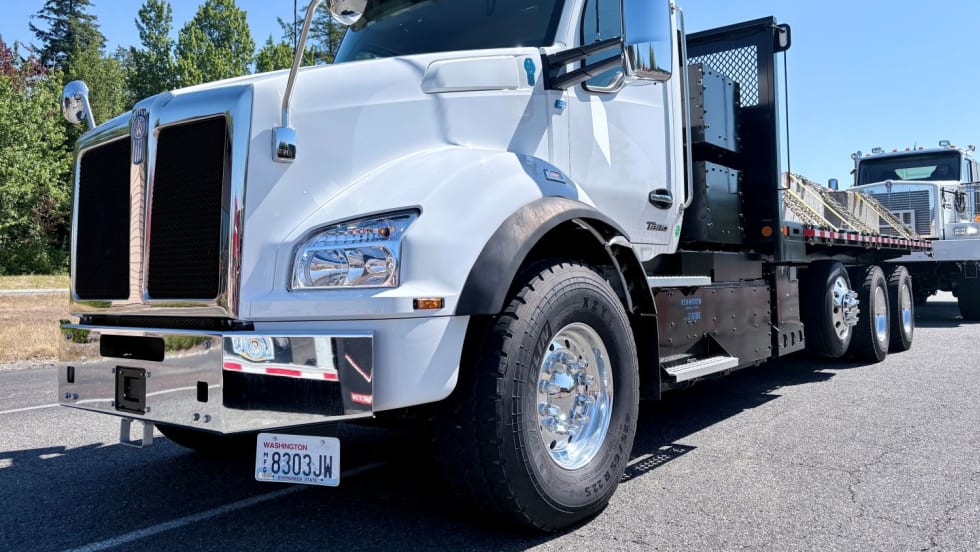
Kenworth T880E Brings EV Power to Vocational Trucks
A closer look at the Kenworth T880E’s range, charging, powertrain and upfit options — and where fleets are showing the most interest.
Read More →
Jennie Abarca Is Proving Electric Trucks Can Do the Job
HDT Truck Fleet Innovator Jennie Abarca is building confidence in fleet electrification one load at a time while openly sharing the challenges she encounters along the way as a small-fleet owner.
Read More →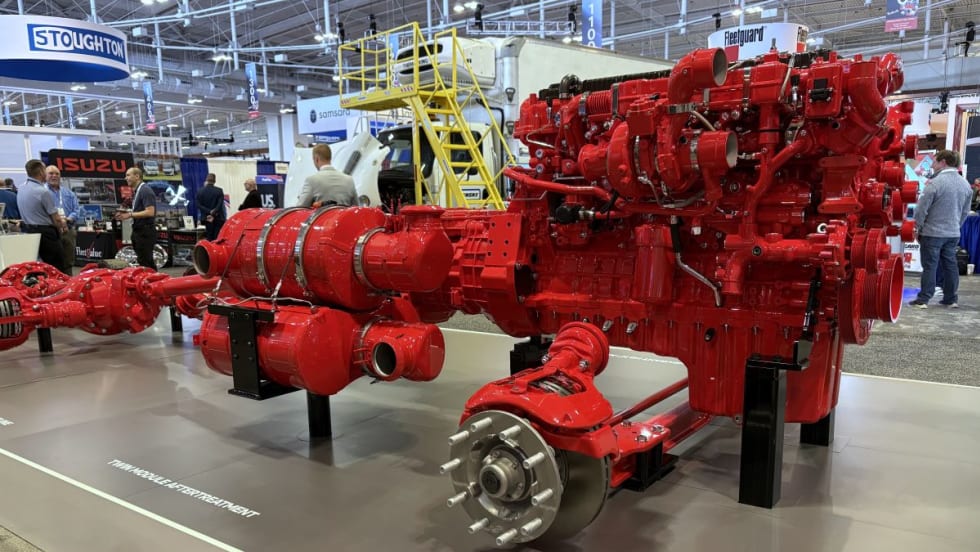
Cummins Adjusts 2027 Engine Rollout After EPA Proposal
The engine maker will gradually introduce its new Model Year 2027 diesel engines while continuing to offer current models during the transition, citing the EPA's proposed emissions rule changes.
Read More →
EPA Proposal Could Ease 2027 Truck Costs and Buying Uncertainty
The proposal doesn't change the tougher NOx standard, but it would revise key implementation requirements that manufacturers say have driven up costs and complicated fleet purchasing decisions.
Read More →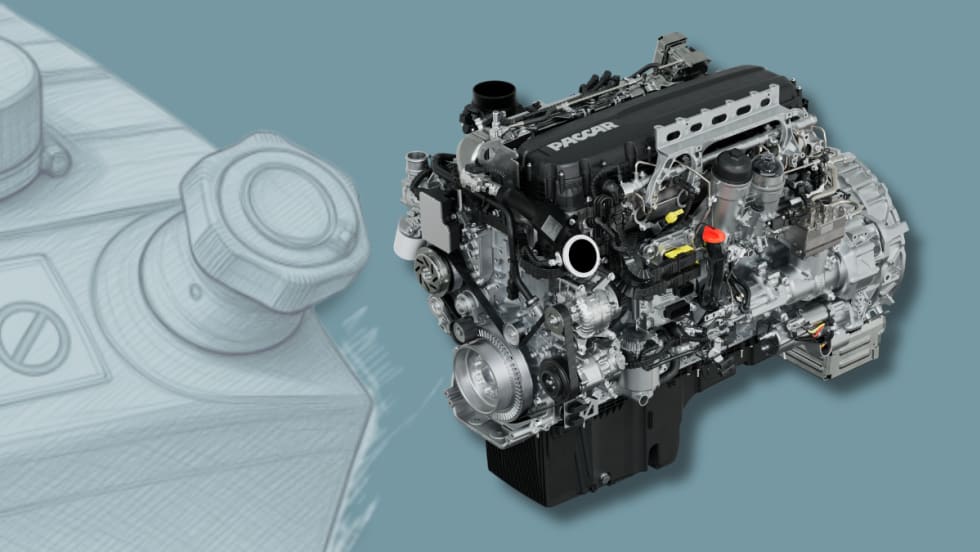
Cummins, Paccar Ease DEF Derates After EPA Guidance
Updated diesel engine software gives truck operators more time to address emissions-system issues while staying compliant with EPA emissions standards.
Read More →
Maintenance in the Messy Middle Part 3: Biodiesel
Biodiesel can reduce emissions, improve fuel-system lubricity and use existing diesel infrastructure. But NACFE’s Messy Middle maintenance report says fleets must actively manage storage, cold-weather operation, filters and oil drain intervals to avoid problems.
Read More →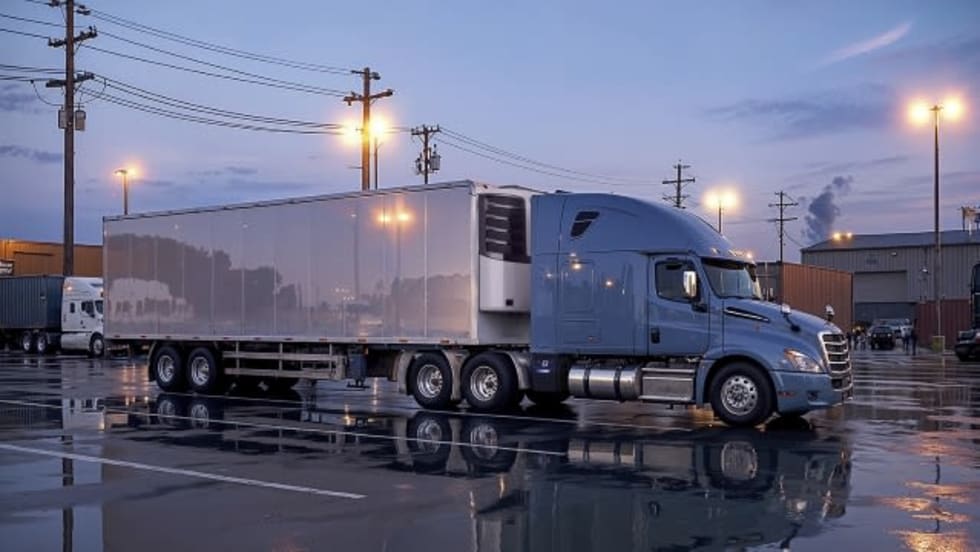
Enhance Fleet Performance with High-Efficiency Auxiliary Power Units
Drive sustainable cost savings while increasing driver comfort during short- and long-haul logistics operations.
Read More →