




Quality Carriers Switches ELDs for Better Driver Experience
Quality Carriers is moving to a different electronic logging device system that it said improves the driver experience.

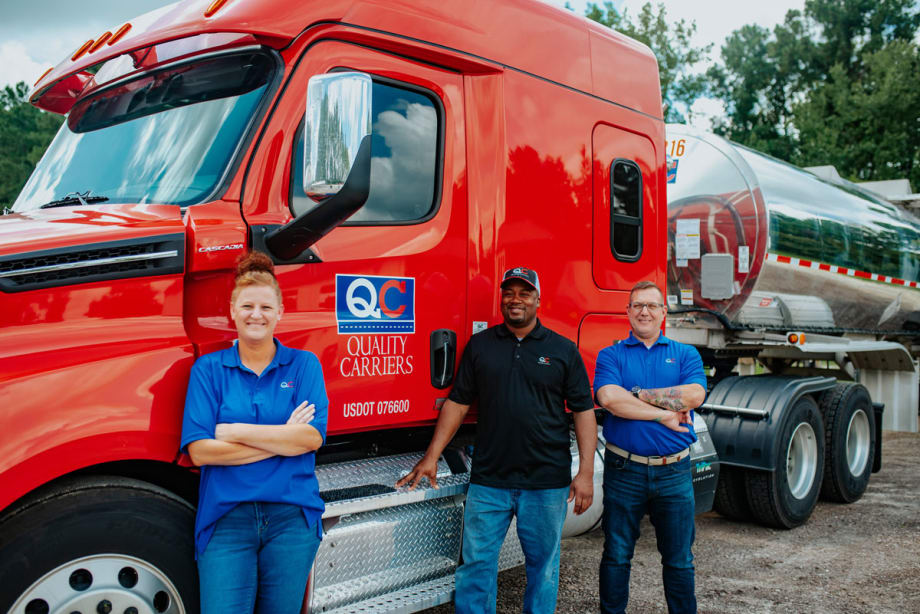
Quality Carriers was looking for an ELD device that would optimize the driver experience.
Photo: Quality Carriers
Quality Carriers is moving to a different electronic logging device system that it said improves the driver experience.
One of North America’s leading liquid chemical haulers, Quality will install Isaac Instruments’ driver-centric fleet management solution across Quality’s entire fleet, according to an announcement.
Based in Tampa, Fla., Quality Carriers has more than 100 company-owned and affiliated facilities throughout North America -- including Canada, which meant the fleet needed a device that would meet Canada’s new ELD requirements.
More than 2,500 Isaac devices will be installed in vehicles used by Quality Carriers’ company drivers, affiliate drivers and owner-operators by the end of 2022.
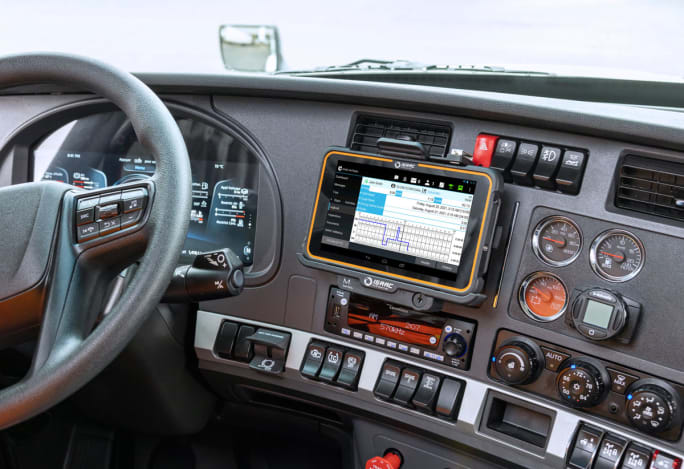
An example of an Isaac Instruments ELD.
Photo: Isaac Instruments
The company was looking for an enhanced driver experience and a simplified driver interface and considered multiple technology providers. "Quality Carriers was searching for an in-cab solution that could harness all available technology to best optimize our most critical resource, our drivers’ time,” said Don Benoit, Quality's vice president of operations, in a news release.
During the selection process, Quality Carriers conducted focus groups, polls and face-to-face conversations with drivers. Based on the feedback, the company determined its previous ELD offered a fragmented experience that did not fully support the core functionalities of a driver's job.
Isaac’s ELD will provide a more centralized, single solution with an improved user interface and intuitive technology. It also gives drivers tools beyond the ELD, such as a scanning solution, remote login issue resolution, and navigation.
Isaac, which is better known north of the border, has already received mandatory third-party certification in Canada for its electronic logging devices. During 2021, the company opened an office in Cleveland to manage its growing presence in the U.S. market.
More Safety & Compliance
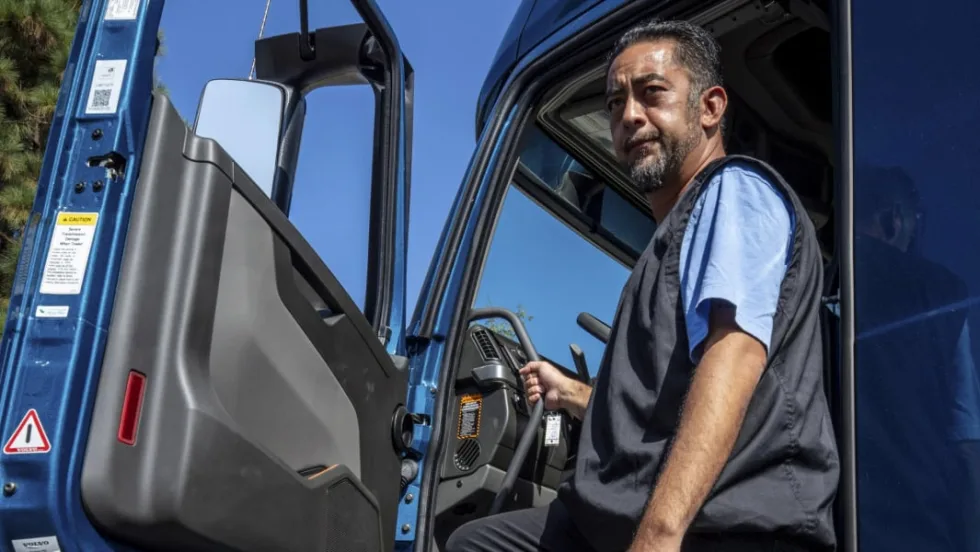
A Camera Isn't a Safety Program. Here's What Brokers Are Screening for Now
Footage alone may not be enough to pass broker vetting processes. Here's what counts as a defensible safety program now.
Read More →
Marijuana and Trucking’s Drug-Testing Dilemma
Marijuana is getting stronger, laws are changing, and drug tests still can’t reliably establish impairment. What does that mean for truck drivers and the fleets that employ them?
Read More →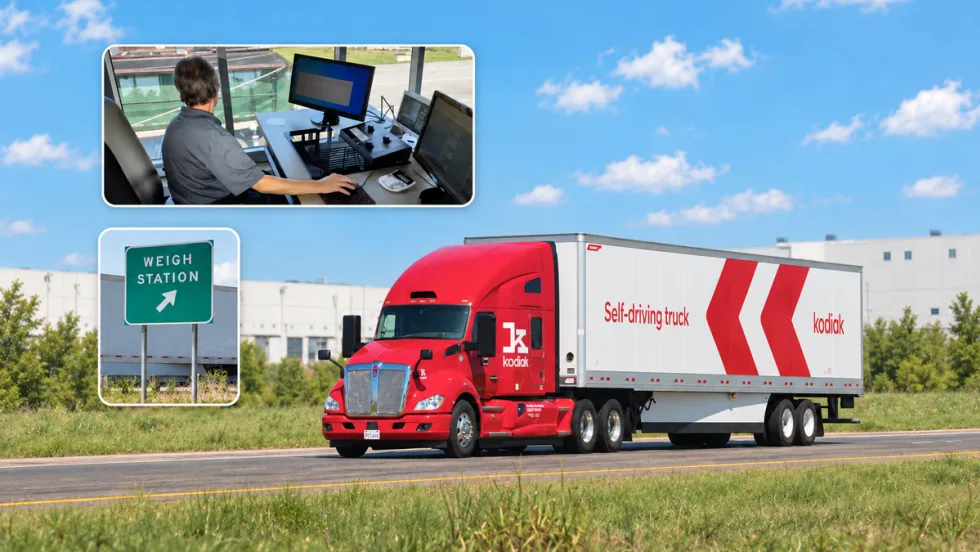
PrePass, Kodiak Connect Driverless Trucks to Roadside Enforcement
The system will allow enforcement agencies to verify Enhanced Inspection information and decide whether Kodiak’s autonomous trucks can bypass roadside screening sites.
Read More →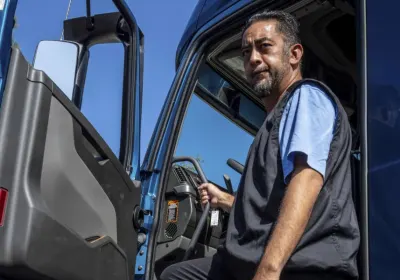

From One Generation to the Next: How Mentorship Builds Safer Truck Drivers
After three decades in trucking, Harold Perry shares what he's learned about driver safety, mentorship, and helping the next generation build confidence behind the wheel.
Read More →
FMCSA Pauses Biennial-Update Enforcement Amid Motus Transition
Carriers whose updates were due on or after June 1 have more time, while FMCSA works to stabilize its new registration system and warns of phishing sites impersonating its new carrier registration system, Motus.
Read More →
ZF Expands Commercial Vehicle Push in North America
ZF is expanding its North American commercial-vehicle presence with new transmission applications, electrification, trailer technology and autonomous-driving systems.
Read More →
Truck Drivers Need More Than Another Alert
Fleets have more visibility into truck health, safety events, and driver activity than ever. The next challenge is turning all that information into useful guidance for the person who has to decide what to do next.
Read More →
Tesla Wants a Self-Driving Semi. Are Cameras Enough?
Could Tesla’s camera-only autonomous driving technology work on an 80,000-pound Semi? In this commentary, HDT's Deborah Lockridge takes a look at Tesla, Cybercab, and how autonomous trucks see the road.
Read More →
What DOT’s Automated Vehicle Strategy Means for Trucking
The U.S. Department of Transportation issued a new automated-vehicle strategy that outlines plans for driverless-truck regulations, cross-state freight corridors, and federal safety standards.
Read More →
NYC Expands Speed, Pedestrian Safety Tech Across Fleet
New York City is expanding intelligent speed assistance and pedestrian-alert systems across its municipal fleet, moving the technologies from pilot programs into vehicle procurement and retrofit requirements.
Read More →