





Related: EPA Not Backing off GHG Rules for Trailers, Glider Kits
Phase 2 GHG Rules to Curtail Use of Glider Kits
Starting in January of 2021, under the new greenhouse gas regulations, glider kits will be allowed mostly for their original purpose, which was reclaiming late-model powertrains from wrecked trucks.
August 30, 2016
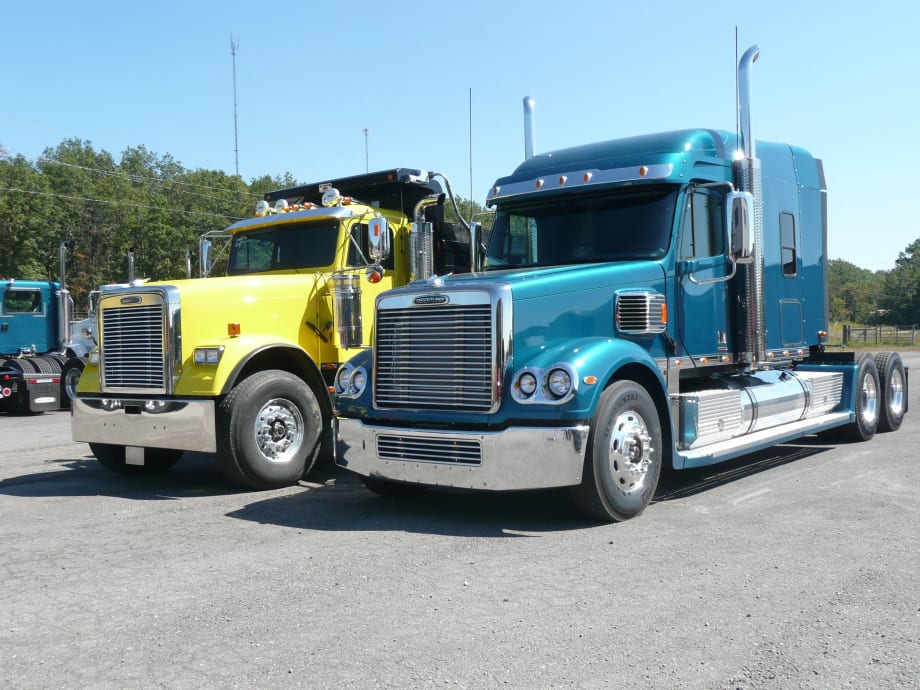
Trucks are new but their engines are "pre-emission" -- a plus for buyers of gliders but a minus in the eyes of regulators. Photos: Tom Berg
4 min to read
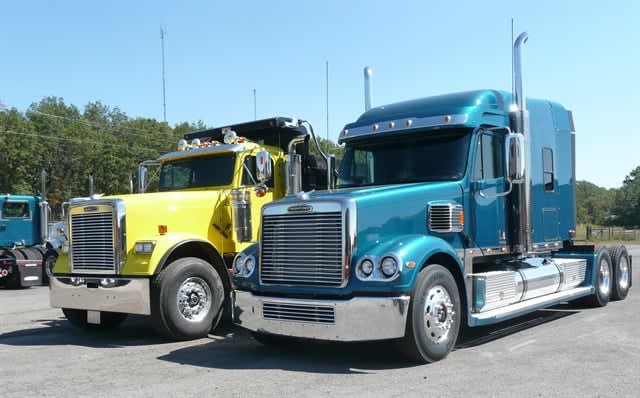
Trucks are new but their engines are "pre-emission" -- a plus for buyers of gliders but a minus in the eyes of regulators. Photos: Tom Berg
Glider kits — new trucks that are equipped with older engines and drivetrain components — will be almost outlawed by 2021 due to provisions of the federal Phase 2 Greenhouse Gas and Fuel Economy rules released earlier this month.
Starting in January of ‘21, they’ll be allowed only for their original purpose, which was reclaiming late-model powertrains from wrecked trucks. This goes back many years, to when glider kits were bought as service parts. Today, three truck builders produce glider kits for assembly by individuals and commercial concerns.
“We support GHG Phase 2 and we are presently working through the details,” stated David Giroux, spokesman for Daimler Trucks North America, whose Freightliner arm builds most glider kits used in the United States. Kenworth and Peterbilt produce the others, and Truckinginfo is seeking comment from them.
Though they make up a small percentage of total new truck sales, gliders produce far more exhaust emissions, says the Environmental Protection Agency, which wrote the new rules with the National Highway Traffic Safety Administration. The EPA became concerned after a surge in sales, from a few hundred per year 10 to 20 years ago to more than 20,000 in 2015.
Most of those were undisguised efforts to get around modern emissions limits and the expensive engines needed to meet them, the agency feels. And most were high-mile highway trucks whose older engines, often with electronic controls but no other pollution-control equipment, spew many times the exhaust emissions of new engines.
Last year’s proposals to do away with glider kits sparked many comments from producers who argued that total impacts on emissions are minuscule; that many gliders (such as concrete mixer trucks) run low annual mileages; and that they are built mainly by small companies that provide valuable jobs. EPA and NHTSA noted all those arguments but said none addressed the basic issue of higher particulate matter and oxides of nitrogen emissions.
“Although glider vehicles would make up only 5% of heavy-duty tractors on the road, their emissions would represent about one-third of all NOx and PM emissions from heavy-duty tractors in 2025,” the agencies said. “By restricting the number of glider vehicles with high polluting engines on the road, these excess PM and NOx emissions will decrease dramatically, leading to substantial public health-related benefits.”
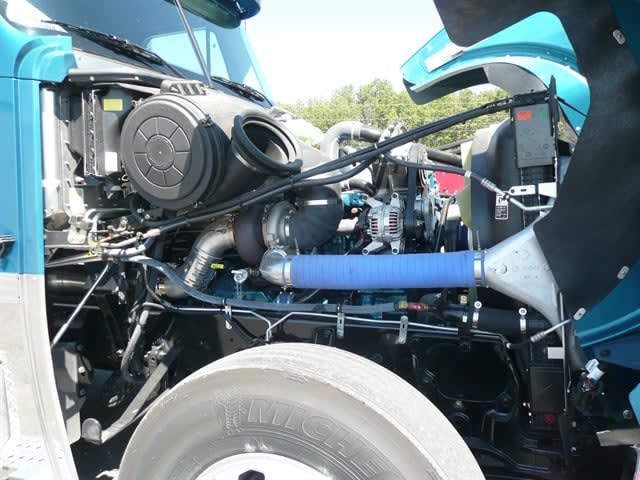
Fitzgerald Gliders prefers reliable and economical 1998-2001 Detroit Series 60s with no EGR or aftertreatment equipment. Such gliders will only be legal until 2018, and in smaller numbers.
Instead of abruptly outlawing them, however, the new rules will phase out gliders over the next four years. Beginning this January, volume production and sales of gliders using “pre-emission” diesels will be greatly curtailed – and the agencies said they hope that this won’t spark a “pre-buy” of gliders between now and January.
Meanwhile, low-volume builders, including individual truckers, can continue to buy and assemble glider kits using older engines until 2021.
“For calendar year 2017, each manufacturer’s combined production of glider kits and glider vehicles will be capped at the manufacturer’s highest annual production of glider kits and glider vehicles for any year from 2010 to 2014,” the rule states. “All vehicles within this allowance will remain subject to the existing Phase 1 provisions, including its exemptions.
“Any glider kits or glider vehicles produced beyond this allowance will be subject to the long-term program,” meaning they must use engines that are certified as emissions-legal for the same year the glider kit is built. The phase-down using that calculated cap will last one year, until January 2018.
It appears that provision will curtail and eventually kill off the glider business grown by various dealers and service companies in the United States. Among them is Fitzgerald Gliders, which last year assembled more than 3,000 glider kits, most of them highway tractors.
The company primarily used rebuilt and remanufactured 1998-2001 Detroit Diesel Series 60 engines, which are known for their fuel economy and performance. Truckinginfo is seeking comment from Fitzgerald and other builders.
It also appears that builders of front-discharge mixers, who derive much business from the glider trade, will also have to phase out their glider assembly operations. They include Oshkosh, Indiana Phoenix and Terex Advance, who’ve also been asked to comment.
Terex Advance has said it has built trucks with currently certified diesels combined with used (and usually rebuilt or remanufactured) transmissions and axles. But the dollar savings over an all-new truck were only 10%, versus 30% or more when an older engine is also used.
It’s likely that by 2021, they and everyone else in the business will have to use engines certified to meet emissions limits set for the same year that the glidered trucks are built.
“The provisions being finalized are intended to allow a transition to a long-term program in which use of glider kits is permissible consistent with the original reason manufacturers began to offer glider kits – to allow the reuse of relatively new powertrains from damaged vehicles,” the agencies say in the rule.
Usually, that will mean engines that have run fewer than 100,000 miles are still within their original intended service life for pollution control equipment or are under three years old.
More Fuel Smarts

How Volvo Updated Its D13 for EPA 2027 [Watch]
Volvo’s updated D13 promises lower emissions without sacrificing performance or fuel economy. Take a closer look at what changed inside the engine in this HDT Spotlight video.
Read More →
Diesel Price Spike Shortens Payback for Natural Gas Trucks, Report Says
Energy Vision estimates fleets could recover the higher purchase price of an RNG-fueled Class 8 tractor in 1.3 to 2.8 years under current fuel-price scenarios.
Read More →
Calstart Becomes Catalyst Mobility, Reflecting Broader Focus
Calstart is now Catalyst Mobility, reflecting the nonprofit’s growing national role in clean transportation, including zero-emission trucks, infrastructure and incentive programs.
Read More →

Record Diesel Prices Squeeze Trucking Fleets
Average U.S. diesel prices have climbed to nearly $6 a gallon, surpassing the 2022 record as tight refinery capacity and Middle East disruptions keep fuel costs elevated.
Read More →
Sponsored•September 9, 2026
How Fuel Delivery Shapes Engine Performance
Fuel delivery depends on more than what happens at the injector. For fleet, maintenance and technical professionals, looking at the full path from pump to injector can provide useful context for understanding engine performance.
Read More →
East Coast Port Launches $45M Electric Truck Push
The Port Authority of New York and New Jersey announced millions in incentives for zero-emission drayage trucks, yard tractors, and new charging hubs near the port.
Read More →
California Bill Could Shed Light on Electric Truck Prices
Why do battery-electric Class 8 trucks remain so expensive? A California bill headed to Gov. Gavin Newsom would give fleets and state agencies more visibility into what manufacturers charge.
Read More →
Detroit Opens Orders for EPA 2027 Engines
Detroit isn’t starting from scratch to meet EPA 2027 diesel emissions standards. Its Gen 6 DD13 and DD15 engines keep much of today’s platform while updating the fuel and aftertreatment systems.
Read More →
Zero-Emission Truck Corridor Planned for West Coast
California, Oregon, Washington, British Columbia and Baja California are coordinating plans for truck charging and hydrogen fueling from Canada to Mexico.
Read More →
A Closer Look at Kenworth’s Electric T880E Vocational Truck [Video]
Learn more about Kenworth's T880E battery-electric vocational truck at the Paccar Technical Center, including its range, applications, upfitting considerations, and PTO options, in this HDT Spotlight video.
Read More →