




Nikola Adds Hyla-Branded Hydrogen Refueling Station
West Sacramento, California, marks the fourth location of a Hyla-Branded hydrogen refueling station as scaling of the Nikola hydrogen network continues to progress.

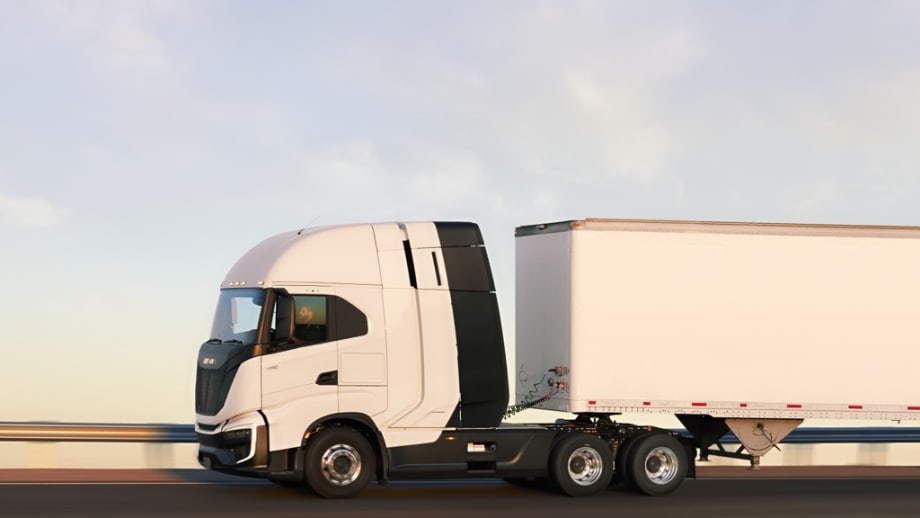
West Sacramento supports Nikola’s truck demand, as well as third-party heavy-duty hydrogen electric vehicles.
Photo: Nikola Corporation
Nikola announced its Hyla brand‘s fourth California hydrogen station location, building on its planned station network to advance and scale its long-term hydrogen distribution solutions to service market demand. Nikola’s integrated energy and zero-emissions truck portfolio will be underpinned by developing hydrogen supply and refueling infrastructure.
The latest California refueling station and logistics infrastructure location will be in West Sacramento. This station will further support Nikola’s truck demand, as well as third-party heavy-duty hydrogen electric vehicles. By the end of 2026, it is anticipated that Nikola, via its Hyla brand, will have 60 stations in place to support this growth.
California is a launch market for Nikola with the Class 8 Nikola Tre battery-electric vehicle, Nikola Tre hydrogen electric vehicle and the energy infrastructure underway to support key customers and advance the state’s efforts to decarbonize the transport sector.
“The first four stations in California are intended as part of Nikola’s energy strategy to support hydrogen electric truck demand,” said Carey Mendes, Nikola's president of energy, in a statement. “Our recently announced hydrogen energy brand, Hyla, is dedicated to solving the complex challenges that the mobility and hydrogen industry have faced for decades by offering integrated mobility solutions, including the trucks and energy supply. The Hyla hydrogen refueling stations, along with a comprehensive energy supply, will provide our customers the support needed to seamlessly transition their fleets to zero-emissions.”
Nikola, via Hyla, is bringing comprehensive zero-emission heavy-duty trucking energy solutions to market and West Sacramento is ideal due to the number of distribution centers and density of trucking and logistics traffic, company officials said. Each station within the Hyla hydrogen network will serve as an important step in the delivery of a broader array of hydrogen fueling solutions to the commercial trucking industry.
The Nikola Tre hydrogen electric vehicle is now eligible for the California Air Resources Board Hybrid and Zero-Emission Truck and Bus Voucher Incentive Project program. This approval will now enable customers of Nikola’s Tre hydrogen electric vehicle to access a point-of-sale incentive starting at $240,000 and ranging up to $288,000 per truck, in 2023. Customers may also be eligible for a $40,000 clean commercial vehicle tax credit from the federal government due to the passage of the Inflation Reduction Act.
More Fuel Smarts

How Fuel Delivery Shapes Engine Performance
Fuel delivery depends on more than what happens at the injector. For fleet, maintenance and technical professionals, looking at the full path from pump to injector can provide useful context for understanding engine performance.
Read More →
East Coast Port Launches $45M Electric Truck Push
The Port Authority of New York and New Jersey announced millions in incentives for zero-emission drayage trucks, yard tractors, and new charging hubs near the port.
Read More →
California Bill Could Shed Light on Electric Truck Prices
Why do battery-electric Class 8 trucks remain so expensive? A California bill headed to Gov. Gavin Newsom would give fleets and state agencies more visibility into what manufacturers charge.
Read More →

Detroit Opens Orders for EPA 2027 Engines
Detroit isn’t starting from scratch to meet EPA 2027 diesel emissions standards. Its Gen 6 DD13 and DD15 engines keep much of today’s platform while updating the fuel and aftertreatment systems.
Read More →
Zero-Emission Truck Corridor Planned for West Coast
California, Oregon, Washington, British Columbia and Baja California are coordinating plans for truck charging and hydrogen fueling from Canada to Mexico.
Read More →
A Closer Look at Kenworth’s Electric T880E Vocational Truck [Video]
Learn more about Kenworth's T880E battery-electric vocational truck at the Paccar Technical Center, including its range, applications, upfitting considerations, and PTO options, in this HDT Spotlight video.
Read More →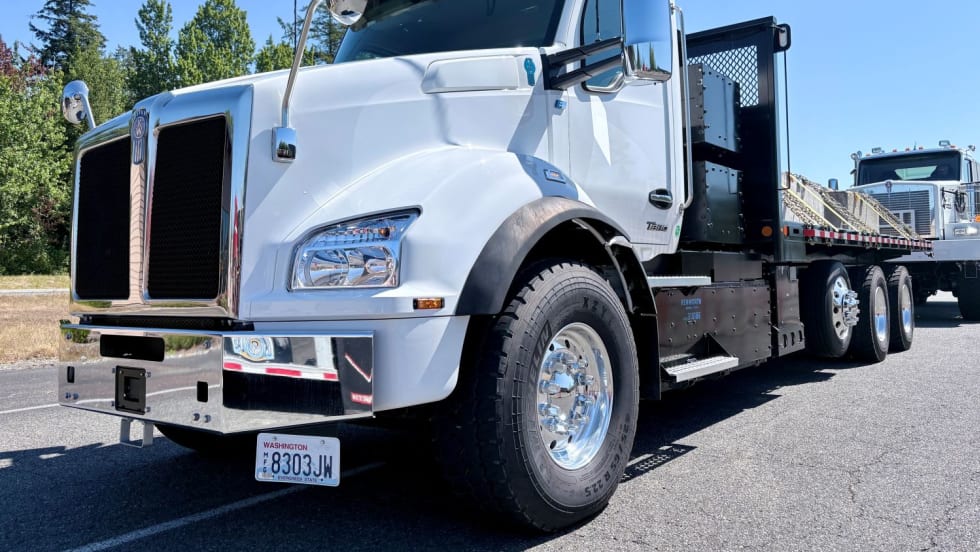
Kenworth T880E Brings EV Power to Vocational Trucks
A closer look at the Kenworth T880E’s range, charging, powertrain and upfit options — and where fleets are showing the most interest.
Read More →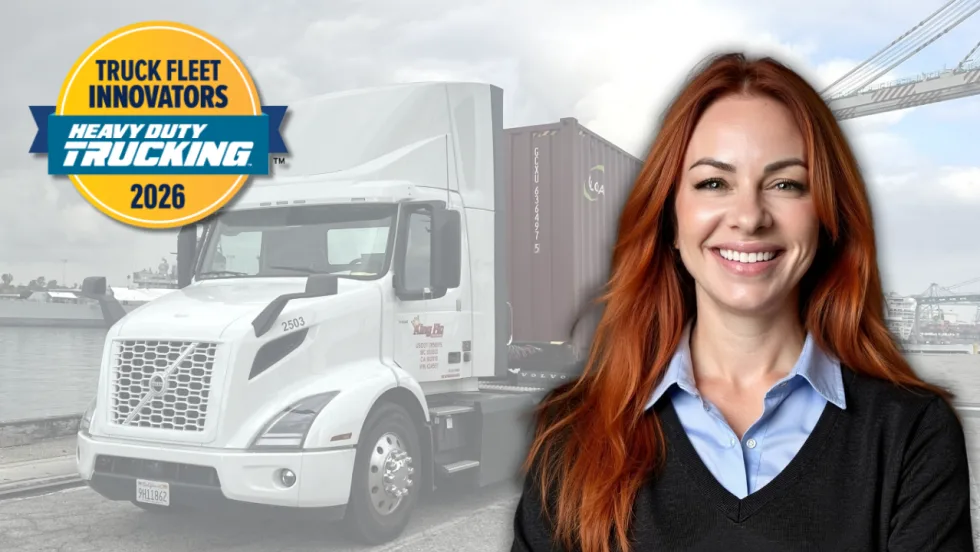
Jennie Abarca Is Proving Electric Trucks Can Do the Job
HDT Truck Fleet Innovator Jennie Abarca is building confidence in fleet electrification one load at a time while openly sharing the challenges she encounters along the way as a small-fleet owner.
Read More →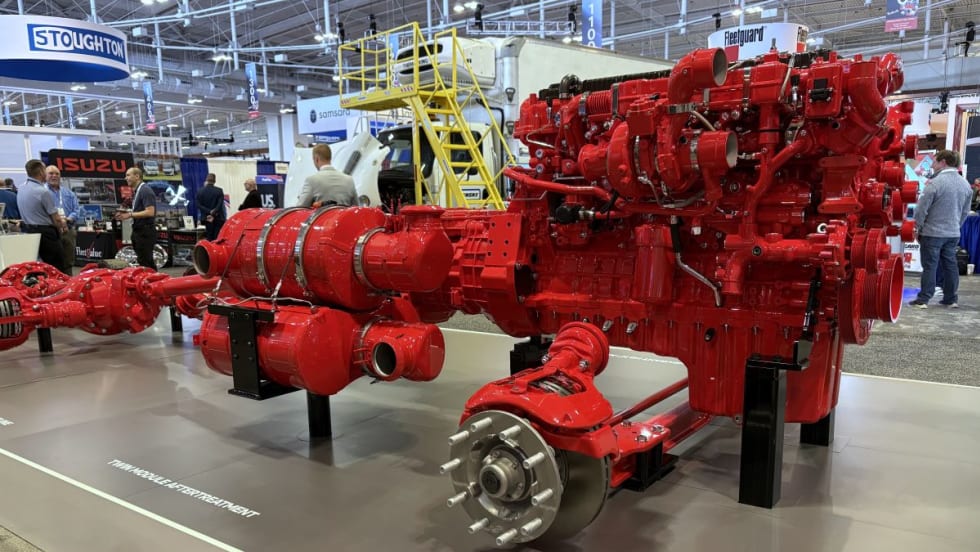
Cummins Adjusts 2027 Engine Rollout After EPA Proposal
The engine maker will gradually introduce its new Model Year 2027 diesel engines while continuing to offer current models during the transition, citing the EPA's proposed emissions rule changes.
Read More →
EPA Proposal Could Ease 2027 Truck Costs and Buying Uncertainty
The proposal doesn't change the tougher NOx standard, but it would revise key implementation requirements that manufacturers say have driven up costs and complicated fleet purchasing decisions.
Read More →