





Dig Deeper: Is Hydrogen Really Trucking’s Fuel of the Future?
Nikola Launches Mobile Fueler for Hydrogen Fuel Cell Trucks
Nikola says it has developed a hydrogen mobile fueler that can serve hydrogen fuel cell electric vehicles, as it prepares to roll out its own Tre FCEV later this year.
January 18, 2023
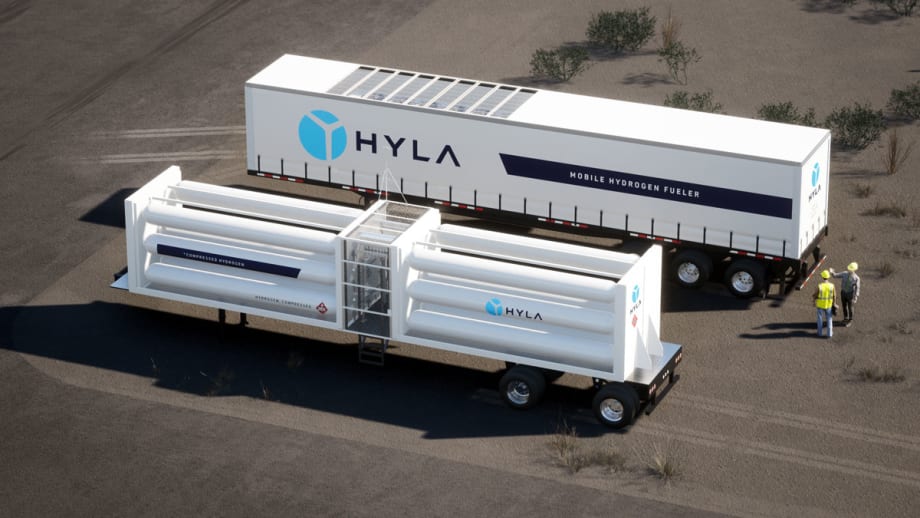
Nikola unveiled a mobile hydrogen fueling station and a new brand for its hydrogen distribution, Hyla.
Photo: Nikola
3 min to read
Nikola says it has developed a hydrogen mobile fueler capable of direct fueling hydrogen fuel cell electric vehicles, as it prepares to roll out its own Tre FCEV later this year.
"Nikola has spent the greater part of two years developing a flexible mobile fueling solution which cools and compresses hydrogen to rapidly fill 700 bar FCEV heavy-duty trucks," said Nikola President and CEO Michael Lohscheller in an announcement. "Coupled with Nikola's hydrogen tube trailer, with a capacity of 960 kg, Nikola's mobile fueler can refuel customer trucks back-to-back. This will deliver flexible hydrogen fueling solutions for our customers starting in 2023 and will complement Nikola's permanent hydrogen fueling stations which are being developed.”
The first mobile fueler has completed commissioning and testing and has been released for market operation. Nikola has additional hydrogen mobile fuelers being commissioned in the first quarter of this year.
Nikola’s mobile fueler program includes its own mobile fuelers as well as a number of third-party mobile fuelers, which will provide Nikola's customers with a variety of flexible fueling options.
"Nikola’s mobile fueler program will be an integral part of Nikola's flexible customer service in its early years by delivering hydrogen to its FCEV customers at locations which meet their needs," said Carey Mendes, Nikola president of energy. "Along with Nikola's portfolio of hydrogen supply and permanent heavy-duty stations, these flexible mobile fuelers will ensure that our customers have complete coverage for their fueling needs."
Nikola Tre FCEV
With a range of up to 500 miles, the Nikola Tre FCEV is expected to have among the longest ranges of all commercially available zero tailpipe emission Class 8 tractors while realizing weight savings when compared to Class 8 BEVs with similar range, according to Nikola.
Nikola recently announced that it has received a California Air Resources Board (CARB) Zero-Emission Powertrain Executive Order that is a requirement for the Nikola Tre FCEV to be eligible for CARB's Hybrid and Zero Emission Truck and Bus Voucher Incentive Project (HVIP) program.
Upon final HVIP approval, purchasers of the Nikola Tre FCEV in 2023 may be able to qualify for California's state-based incentive valued at $240,000 per truck; $270,000 per truck for drayage fleets; or up to $288,000 per truck for drayage fleets with 10 trucks or less located within a disadvantaged community area. Eligible non-drayage fleets may secure up to 30 HVIP vouchers and drayage fleets may secure up to 50 vouchers.
In addition to the funding provided by HVIP, purchasers of Nikola's Tre FCEVs will also qualify for an additional $40,000 clean commercial vehicle tax credit in 2023 from the federal government due to the passage of the Inflation Reduction Act.
Updated 1/26/2023 to add photo from 1/25/2023 event unveiling the mobile fueler.
More Fuel Smarts
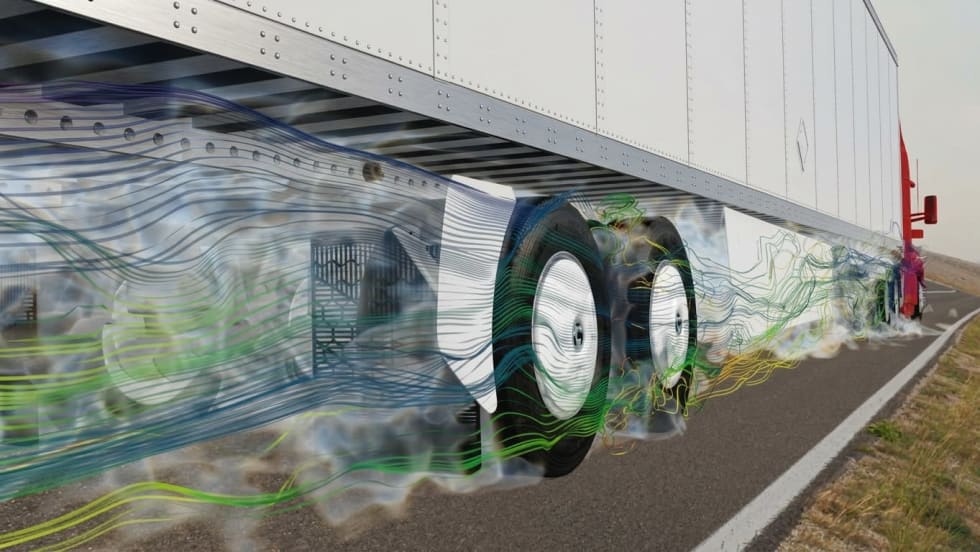
FlowBelow Redesigns Trailer AeroSlider to Cut Fuel Use
The lighter trailer aerodynamic system installs in less than 45 minutes, according to the company, with potential payback in under a year depending on fuel prices and trailer mileage.
Read More →
Why Diesel Price Relief Efforts May Fall Short
Diesel prices have eased from September’s record high, but doubts about additional Russian supply and limits on dyed-diesel tax relief mean trucking fleets still face expensive fuel. And prices could go higher.
Read More →
Why Small Fuel Savings Matter in Trucking
Can better fuel economy help pay for driver raises? In this podcast, GP Transco explains how small efficiency gains create room to reinvest in its people.
Read More →
How GP Transco Cuts Trucking Fuel Costs, a Tenth of a Gallon at a Time
What’s another tenth of a mile per gallon worth? GP Transco shares how equipment upgrades and driver coaching turn small gains into meaningful fuel savings.
Read More →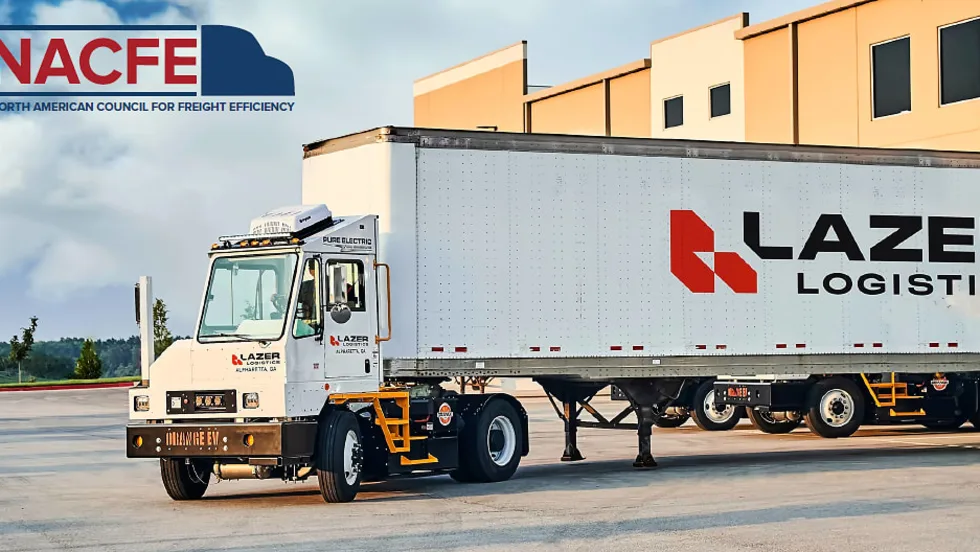
Electric Yard Tractors Move Beyond Pilots
Operating-cost savings have overtaken sustainability goals as the leading reason surveyed fleets are adopting battery-electric terminal tractors, according to new NACFE research.
Read More →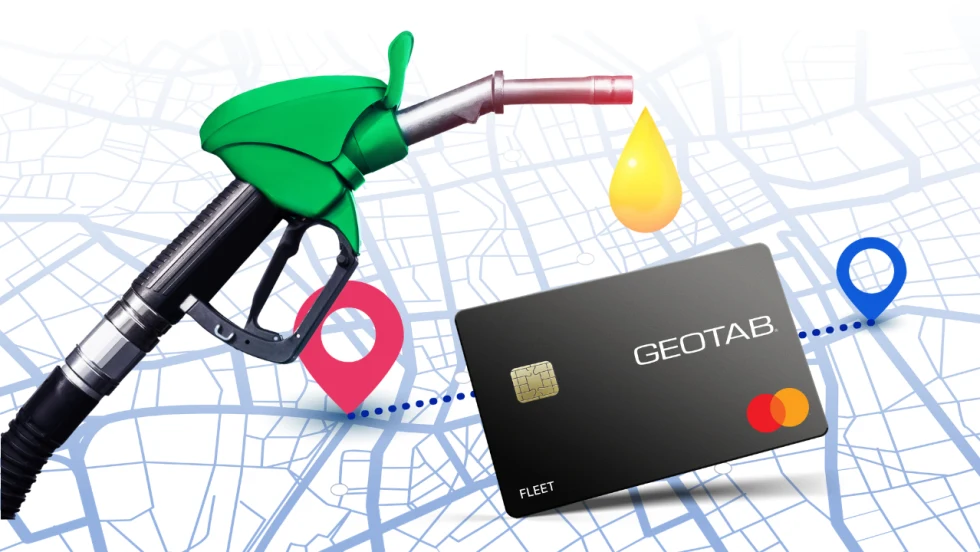
Geotab Links Fleet Card to Vehicle Data
The new card combines fuel discounts with telematics-based purchase controls. Geotab’s analysis also points to potential savings from choosing lower-priced fuel stops.
Read More →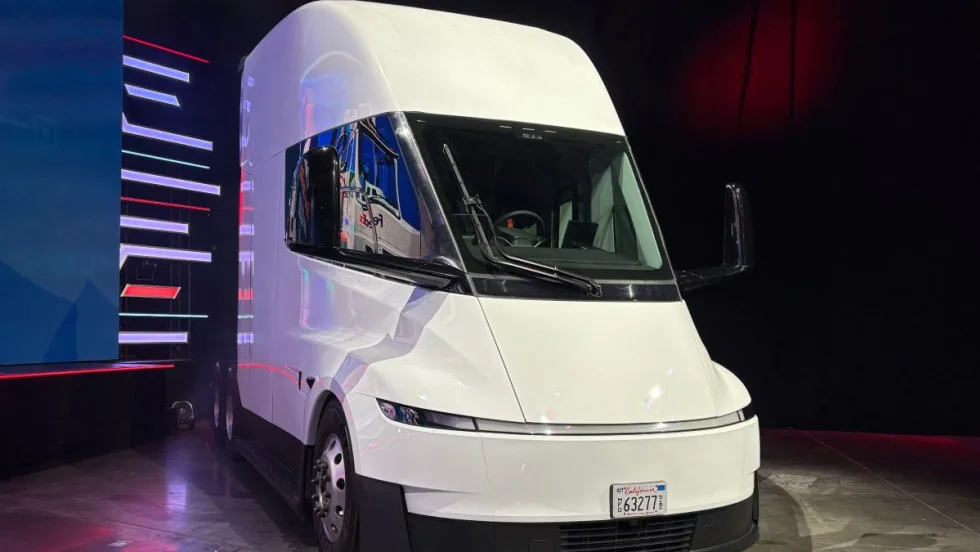
Fleet Economics Shape Electric Truck Outlook
ACT Research expects costs, charging infrastructure, and technology improvements to drive zero-emission commercial vehicle adoption as federal regulations and incentives retreat.
Read More →
Wex Adds Cardless Fuel Payments for Over-the-Road Customers
A new fuel card feature for Wex customers offers convenience and security.
Read More →
New California Law Could Shed Light on Electric Truck Prices
Why do battery-electric Class 8 trucks remain so expensive? A California bill signed by Gov. Gavin Newsom would give fleets and state agencies more visibility into what manufacturers charge.
Read More →
How Volvo Updated Its D13 for EPA 2027 [Watch]
Volvo’s updated D13 promises lower emissions without sacrificing performance or fuel economy. Take a closer look at what changed inside the engine in this HDT Spotlight video.
Read More →