




NHTSA Moves to Rewrite Truck Fuel-Economy Rules
The National Highway Traffic Safety Administration says it lacks authority to regulate medium- and heavy-duty truck engines separately from complete vehicles, but the existing standards have not yet been eliminated.

NHTSA Administrator Jonathan Morrison said the change will give manufacturers more freedom to develop their own approaches to fuel efficiency.
HDT Graphic
- The National Highway Traffic Safety Administration (NHTSA) is reconsidering fuel-economy rules for trucks.
- NHTSA states it cannot regulate medium- and heavy-duty truck engines independently from the vehicles themselves.
- Current standards for truck fuel-efficiency remain in place despite review efforts.
*Summarized by AI
Federal fuel-efficiency standards for medium- and heavy-duty truck engines are headed for elimination under a new legal interpretation from the National Highway Traffic Safety Administration.
But despite the Trump administration’s characterization of the action as reversing an Obama-era rule, the existing engine standards did not disappear August 31.
Instead, NHTSA issued an interpretive rule concluding that Congress authorized it to regulate the fuel efficiency of complete commercial vehicles, but not engines as separate components.
The agency plans to revise its medium- and heavy-duty fuel-efficiency program through a future notice-and-comment rulemaking.
For fleets ordering 2027 trucks, nothing will change immediately. The trucks and engines being introduced for the Environmental Protection Agency’s 2027 nitrogen-oxide emissions requirements are still coming.
However, the federal fuel-efficiency framework that manufacturers will face in the future has become less certain.
Engine Standards Remain on the Books
NHTSA’s current Phase 2 regulations establish fuel-consumption standards at two levels for most heavy-duty trucks: one for the complete tractor or vocational vehicle and a separate standard for the engine.
Those standards include requirements for model-year 2027 and later trucks and engines.
NHTSA now says the Energy Independence and Security Act of 2007 did not give it the legal authority to regulate an engine independently from the vehicle in which it is installed.
“An engine is not a vehicle,” the agency said in the August 31 Federal Register notice. Although engines affect fuel economy, NHTSA reasoned, so do tires, transmissions and other components. The authority to regulate a vehicle does not necessarily include the authority to regulate each of those components separately, it said.
The agency cited a 2021 federal appeals court decision that struck down NHTSA’s fuel-efficiency standards for trailers. It also pointed to the Supreme Court’s 2024 Loper Bright decision, which ended the longstanding practice of courts deferring to federal agencies’ reasonable interpretations of ambiguous statutes.
However, NHTSA emphasized that the interpretive rule “does not change existing standards or any rights or obligations” under the medium- and heavy-duty program.
Instead, it provides the legal foundation for a future rulemaking to revise the regulations.
Pending that process, NHTSA said it will exercise its enforcement authority in accordance with its new interpretation. The agency did not explain precisely how it will handle enforcement of the engine standards while they technically remain in the regulations.
Vehicle Fuel-Efficiency Standards Will Continue
The action does not mean NHTSA is abandoning fuel-efficiency standards for Class 8 tractors, vocational trucks and other commercial vehicles.
Federal law still requires the agency to regulate the fuel efficiency of complete medium- and heavy-duty vehicles.
What may disappear is the second layer of regulation establishing a separate fuel-consumption requirement for the engine.
NHTSA said its eventual rewrite will ensure manufacturers have “practicable means” of complying with the vehicle standards without the engine requirements. The agency will also consider whether the existing vehicle standards should be adjusted.
That could prove more consequential for fleets than eliminating the engine standard alone.
Under a vehicle-level approach, manufacturers could have more flexibility to determine how a truck meets its overall fuel-efficiency target. Improvements could come from the engine, but also from aerodynamics, transmissions, axle configurations, tires, idle-reduction technology and other parts of the vehicle.
NHTSA Administrator Jonathan Morrison said the change will give manufacturers more freedom to develop their own approaches to fuel efficiency.
The administration also contends that the reset will reduce commercial truck prices. Neither the interpretive rule nor the NHTSA announcement, however, estimates how much manufacturers or truck buyers might save.
Until NHTSA proposes the replacement regulations, it is unclear whether the change will affect vehicle prices, real-world fuel economy or the equipment choices available to fleets.
OEMs Welcome NHTSA Review
The Truck and Engine Manufacturers Association issued a statement welcoming NHTSA’s review, saying the current engine and vehicle standards, without modification, would considerably restrict customers’ equipment specification choices.
"Reviewing these standards provides an important opportunity to account for the significant regulatory, legislative, and marketplace changes that have occurred since they were finalized," it said.
EMA called for replacement standards that reflect fleets’ real-world adoption of fuel-saving technologies, deliver operational and economic benefits, and give manufacturers flexibility to meet the commercial vehicle market’s varied demands.
How EPA 2027 NOx Rules Fit In
NHTSA also said it is reviewing the relationship between the NOx reductions required by the EPA standards and fuel consumption.
Reducing NOx can require combustion strategies, thermal management and aftertreatment operation that consume additional fuel. NHTSA is signaling that it may consider that potential fuel-economy penalty when determining what level of improvement is feasible for a complete truck.
The agency specifically pointed to EPA’s recently proposed revisions to the 2027 NOx rule.
Those revisions would retain the core NOx limit while changing requirements involving warranty periods, useful life and diesel exhaust fluid inducements, among other provisions.
Another Piece of the Regulatory Reset
NHTSA’s action follows EPA’s repeal of its heavy-duty greenhouse-gas standards earlier this year.
On Feb. 12, EPA rescinded the greenhouse-gas endangerment finding and the resulting GHG standards for light-, medium- and heavy-duty vehicles and engines.
EPA and NHTSA historically developed their heavy-duty GHG and fuel-efficiency rules together. With EPA’s GHG requirements repealed and NHTSA now rejecting its authority over standalone engines, much of that coordinated regulatory structure is being dismantled.
NHTSA still intends to regulate the fuel efficiency of commercial vehicles, but its forthcoming rulemaking could significantly change how manufacturers demonstrate compliance and which technologies are used to meet the standards.
Editor's Note: Updated 1:45 p.m. EDT on September 1 to add EMA statement.
More Equipment
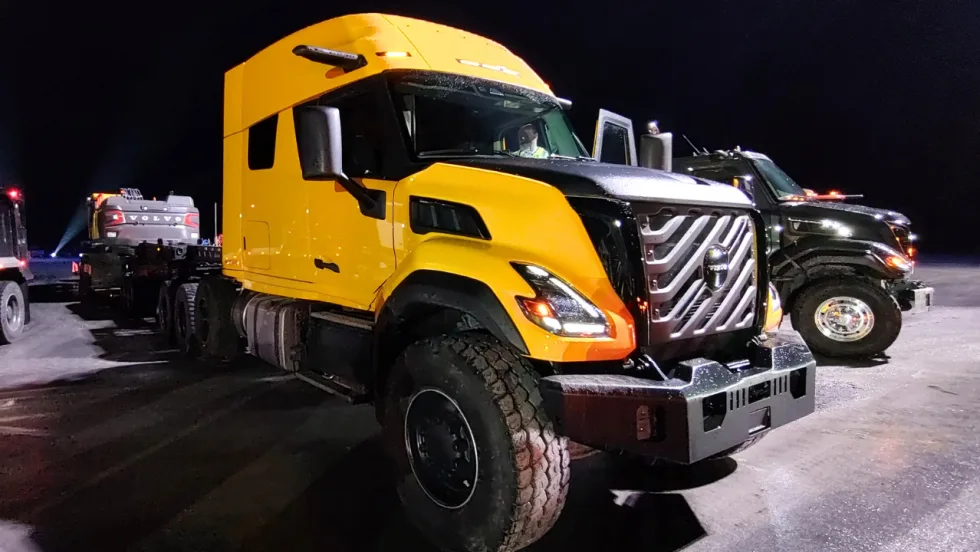
Volvo Unveils New VNX Heavy-Haul and Vocational Truck
Volvo Trucks has launched the VNX, a new vocational truck also available as a tractor in day cab and two sleeper configurations, with one heavy-haul model. The Volvo VNX is powered by Volvo's D13 platform, which delivers up to 540 horsepower and 1,950 pound-feet of torque and is EPA 2027-compliant.
Read More →
How GP Transco Cuts Trucking Fuel Costs, a Tenth of a Gallon at a Time
What’s another tenth of a mile per gallon worth? GP Transco shares how equipment upgrades and driver coaching turn small gains into meaningful fuel savings.
Read More →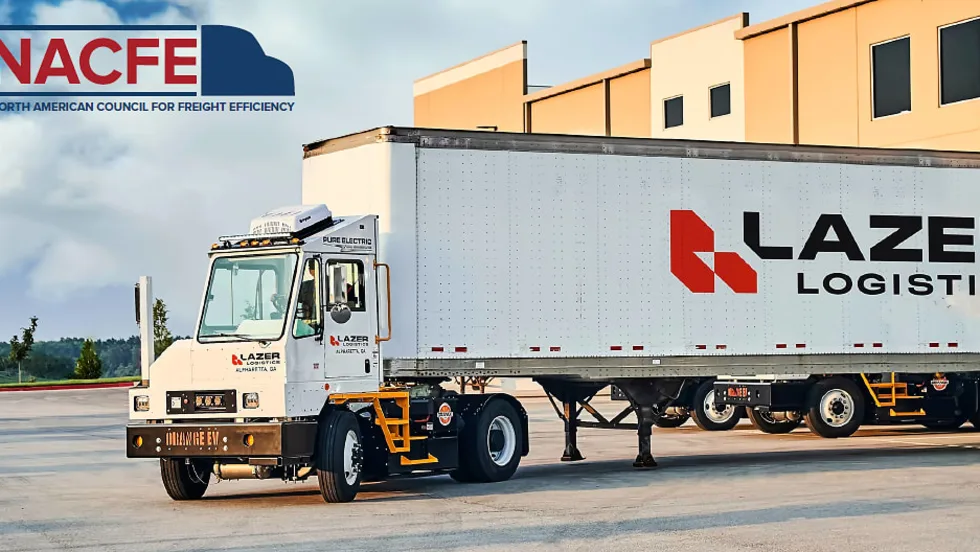
Electric Yard Tractors Move Beyond Pilots
Operating-cost savings have overtaken sustainability goals as the leading reason surveyed fleets are adopting battery-electric terminal tractors, according to new NACFE research.
Read More →
Continental Introduces New Regional Truck Tires
Continental says its new Generation 5 steer and drive tires for regional operations offer longer tread life, with estimated mileage gains of 22% and 19%, respectively.
Read More →
Tekmodo Introduces CargoBright Brand for Translucent Trailer Roofs
CargoBright is designed to diffuse daylight across the cargo area while performing as a working vehicle roof.
Read More →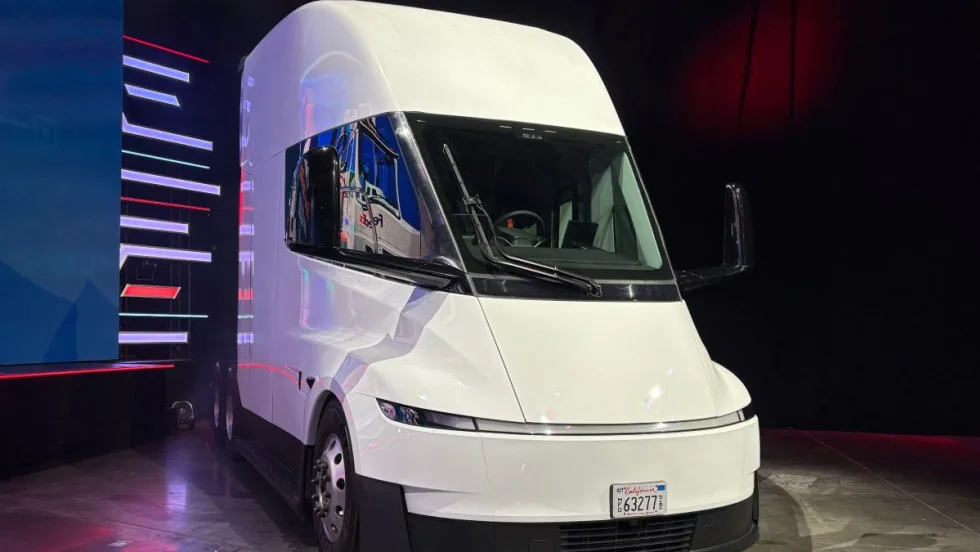
Fleet Economics Shape Electric Truck Outlook
ACT Research expects costs, charging infrastructure, and technology improvements to drive zero-emission commercial vehicle adoption as federal regulations and incentives retreat.
Read More →
Kodiak Targets Dallas–Houston for Driverless Trucks
The company says its autonomous trucks are completing the I-45 run without a safety observer taking control. It plans to remove the observer by the end of 2026.
Read More →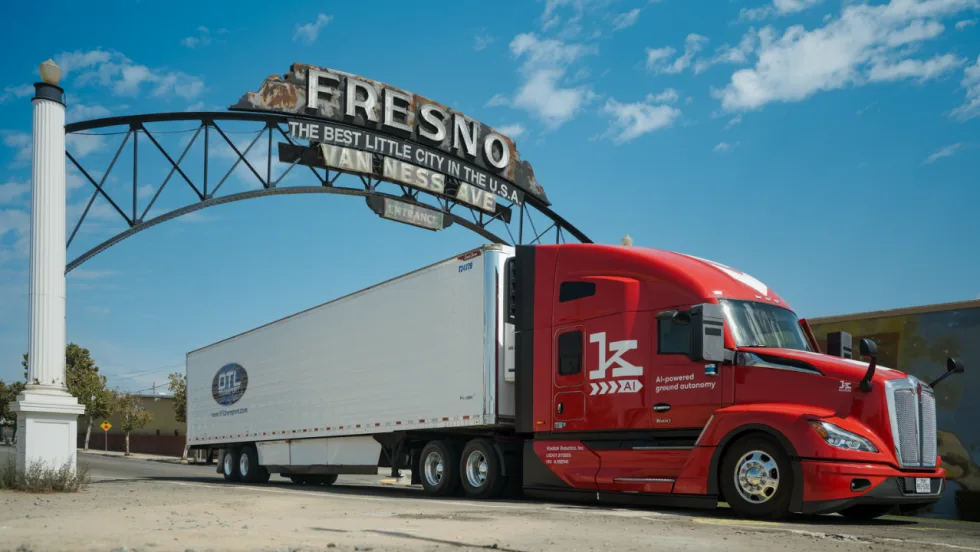
Kodiak Hauls Produce in California Autonomous Truck Pilot
Kodiak AI and DTL Transport have begun hauling produce between Fresno and Los Angeles under California’s new rules for testing heavy-duty autonomous trucks. A safety driver remains behind the wheel.
Read More →
Used-Truck Remarketing Math Is Changing
Used-truck value is no longer just a concern at trade-in. Decisions made throughout a truck’s first life can influence what it’s worth years later.
Read More →
How Volvo Updated Its D13 for EPA 2027 [Watch]
Volvo’s updated D13 promises lower emissions without sacrificing performance or fuel economy. Take a closer look at what changed inside the engine in this HDT Spotlight video.
Read More →