




Navistar Fined $7.5M in Truck Emission Case
The Securities and Exchange Commission on Thursday charged Navistar International Corp. with misleading investors about its development of an advanced technology truck engine that could be certified to meet U.S. emission standards.

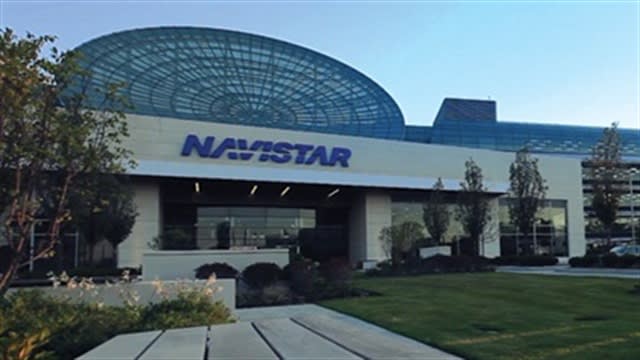
The Securities and Exchange Commission on Thursday charged Navistar International Corp. with misleading investors about its development of an advanced technology truck engine that could be certified to meet U.S. emission standards.
Navistar, without admitting or denying the charges, reached a settlement with the SEC and agreed to pay a $7.5 million penalty.
Separately, in a complaint filed in federal court in the Northern District of Illinois, the SEC charged former Navistar CEO Daniel C. Ustian, who left the company in 2012, with misleading investors and with aiding and abetting violations by the Illinois-based Navistar. Multiple new outlets report they have been unable to get a comment from Ustian regarding the case against him.
The SEC alleges that Navistar and Ustian failed to fully disclose the company’s difficulties obtaining Environmental Protection Agency (EPA) certification of a truck engine able to meet stricter EPA Clean Air Act standards that took effect in 2010.
“We believe that it was time to put this matter behind us and that this settlement was in the best interests of Navistar and its stockholders. Settling this matter will avoid the expense and distraction of a potential dispute with the SEC and allow us to continue our focus on building and sustaining momentum on behalf of our shareholders,” said Lyndi McMillan, external communications manager for Navistar in a statement to Truckinginfo.com.
Navistar and Ustian also are alleged to have repeatedly misled investors about Navistar’s development of the engine, which used exhaust-gas-recirculation (EGR) technology. Navistar later abandoned the effort and adopted the selective catalytic reduction (SCR) technology used by its competitors.
“When public companies and top executives discuss important regulatory developments with investors, they must tell the whole truth,” said Andrew J. Ceresney, director of the SEC’s Division of Enforcement. “Here, we allege that Navistar and its former CEO misled investors about their dealings with the EPA and the likely approval of its new emissions technology."
David Glockner, director of the SEC’s Chicago Regional Office said, “We allege that in 2011 and 2012, the EPA repeatedly raised serious concerns with Navistar about its applications to certify an engine using EGR technology and that top Navistar officials knew the company had not succeeded in developing a commercially viable engine that would meet EPA standards. Navistar and its then-CEO misled investors about these difficulties in numerous SEC filings, press releases, and public conference calls, and today we seek to hold them accountable for that misconduct.”
According to the SEC’s order instituting a settled administrative proceeding against Navistar:
“In early 2011, in an effort to reassure investors about its emissions control strategy, Navistar applied for certification of an engine it knew was not ready for production and sale even if the EPA certified it. The EPA did not approve the application and by summer 2011, Navistar decided not to pursue it any longer.
“In late 2011, Navistar began preparing another application for EPA certification. Four days after a meeting in which the EPA staff told Navistar that the proposed engine did not appear to meet the certification requirements, Navistar filed its 2011 annual report on Form 10-K, which stated that it planned to apply to have the EPA certify the engine and that it believed the engine met EPA’s certification requirements.
“After Navistar submitted a new application in early 2012, EPA staff raised ‘several serious concerns’ that it said would need to be resolved before it could approve the application. Nevertheless, in a press release and filings in March 2012, Navistar characterized the application as a 'milestone,' and in a conference call with analysts and investors, Ustian indicated that certification was proceeding in a typical timeframe and that Navistar could begin production on the engine in June 2012.
“In May 2012, Navistar withdrew its January 2012 application and submitted a third one incorporating changes to lower emissions at the expense of fuel economy and other engine performance features. In a June 4, 2012 meeting, EPA staff told Navistar that it had serious concerns about this application as well and the next day informed Navistar in writing that the engine as currently designed was 'unlikely' to be certified. Despite this, Navistar’s June 2012 quarterly filing and conference call suggested that Navistar was unaware of any concerns by the EPA regarding the May 2012 application – one of several misstatements in the filing and call regarding the application.
“In July 2012, Navistar announced that it was withdrawing its application and would begin work on an engine using SCR technology.”
More Equipment
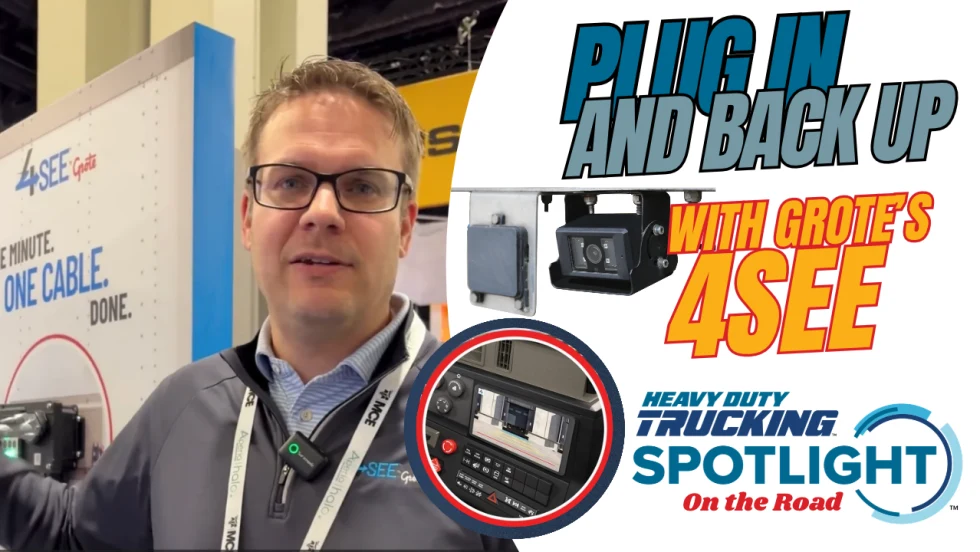
More Trailer Data Through the Same Seven-Way [Video]
Can trucking’s standard seven-way connector handle more cameras and trailer data? Grote’s Adam Slade shows HDT how the company is using new technology with its 4See trailer system, not only to add a new backup camera but also to expand other capabilities — without adding another connection.
Read More →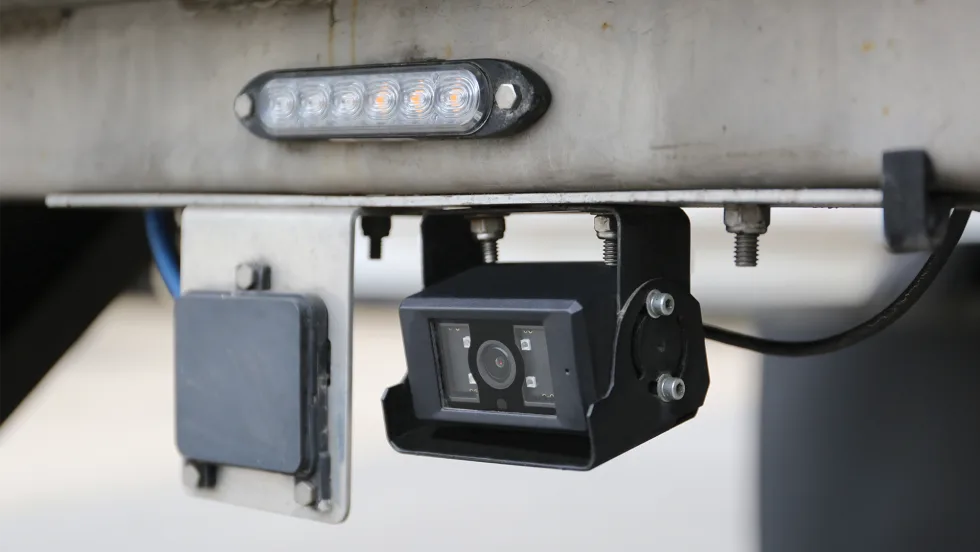
Grote: More Cameras, Same Seven-Way Connector
The next-generation 4See rear-view backup camera from Grote uses the standard seven-way connector and supports additional cameras and other trailer data.
Read More →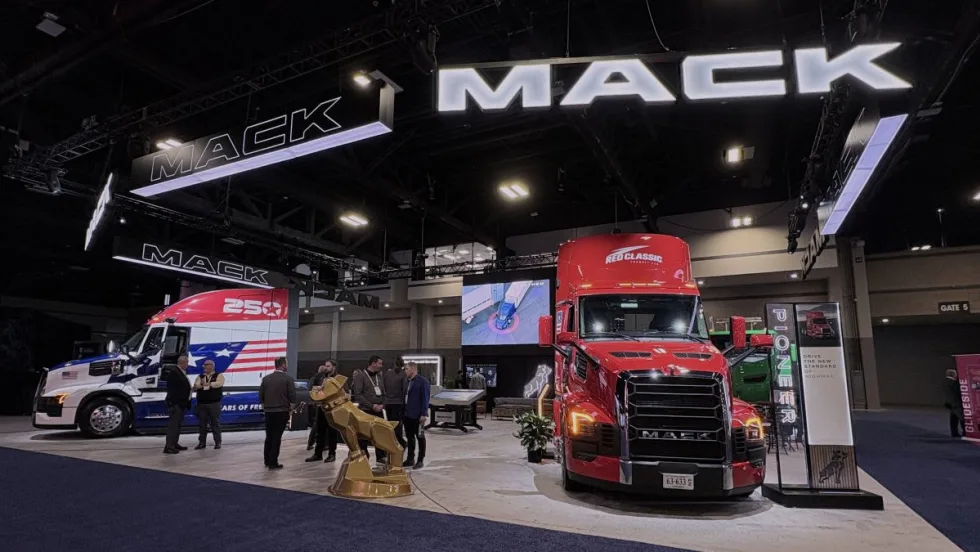
Trucks at ATA's 2026 MC&E in Charlotte, North Carolina [Photos]
From rigs decked out in patriotic America's 250 paint schemes to autonomous trucks and more, check out these photos from ATA's 2026 Management Conference & Exhibition.
Read More →
Help HDT Find Trucking’s Top Products
Have you come across a new product that could make a difference for trucking fleets? Nominate it for HDT’s 2027 Top 20 Products Awards by November 9.
Read More →
Volvo Unveils New VNX Heavy-Haul and Vocational Truck
Volvo Trucks has launched the VNX, a new vocational truck also available as a tractor in day cab and two sleeper configurations, with one heavy-haul model. The Volvo VNX is powered by Volvo's D13 platform, which delivers up to 540 horsepower and 1,950 pound-feet of torque and is EPA 2027-compliant.
Read More →
How GP Transco Cuts Trucking Fuel Costs, a Tenth of a Gallon at a Time
What’s another tenth of a mile per gallon worth? GP Transco shares how equipment upgrades and driver coaching turn small gains into meaningful fuel savings.
Read More →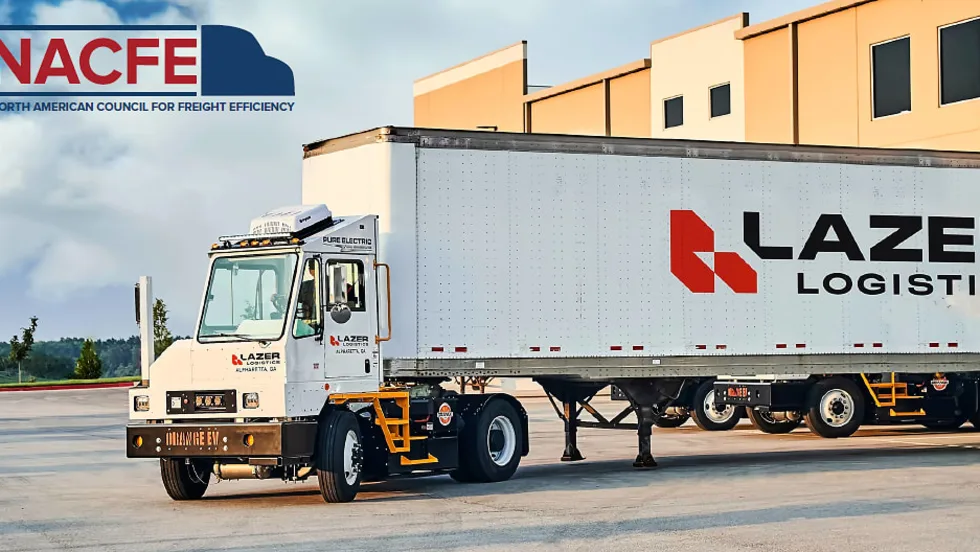
Electric Yard Tractors Move Beyond Pilots
Operating-cost savings have overtaken sustainability goals as the leading reason surveyed fleets are adopting battery-electric terminal tractors, according to new NACFE research.
Read More →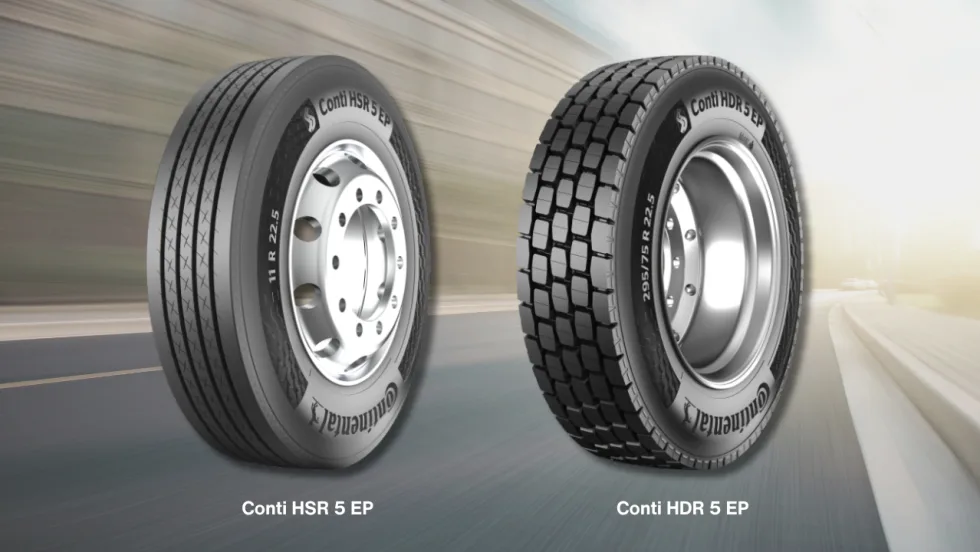
Continental Introduces New Regional Truck Tires
Continental says its new Generation 5 steer and drive tires for regional operations offer longer tread life, with estimated mileage gains of 22% and 19%, respectively.
Read More →
Tekmodo Introduces CargoBright Brand for Translucent Trailer Roofs
CargoBright is designed to diffuse daylight across the cargo area while performing as a working vehicle roof.
Read More →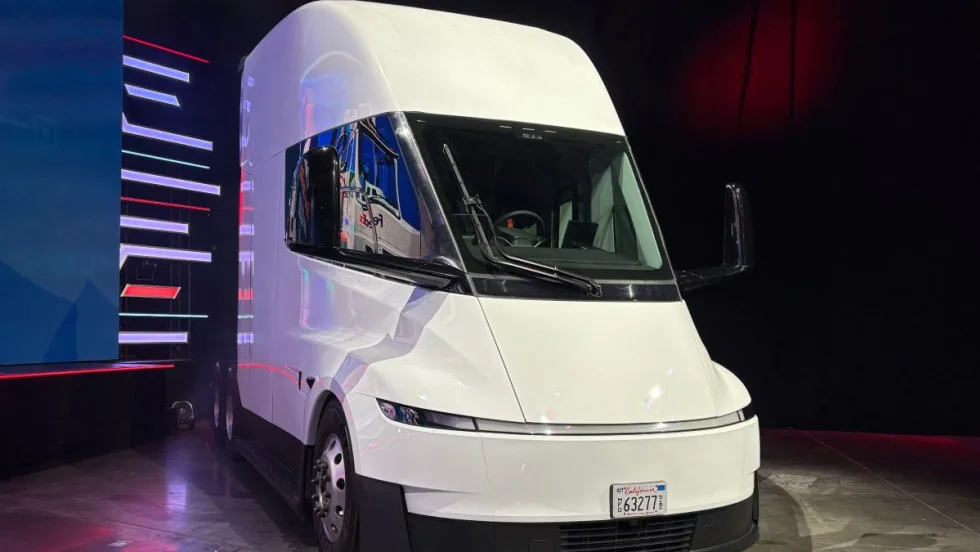
Fleet Economics Shape Electric Truck Outlook
ACT Research expects costs, charging infrastructure, and technology improvements to drive zero-emission commercial vehicle adoption as federal regulations and incentives retreat.
Read More →