




Kenworth to Offer Paccar Fuel Economy Package on T680 Models
A new, fuel economy optimized powertrain spec will be available for Kenworth T680 models beginning next year.

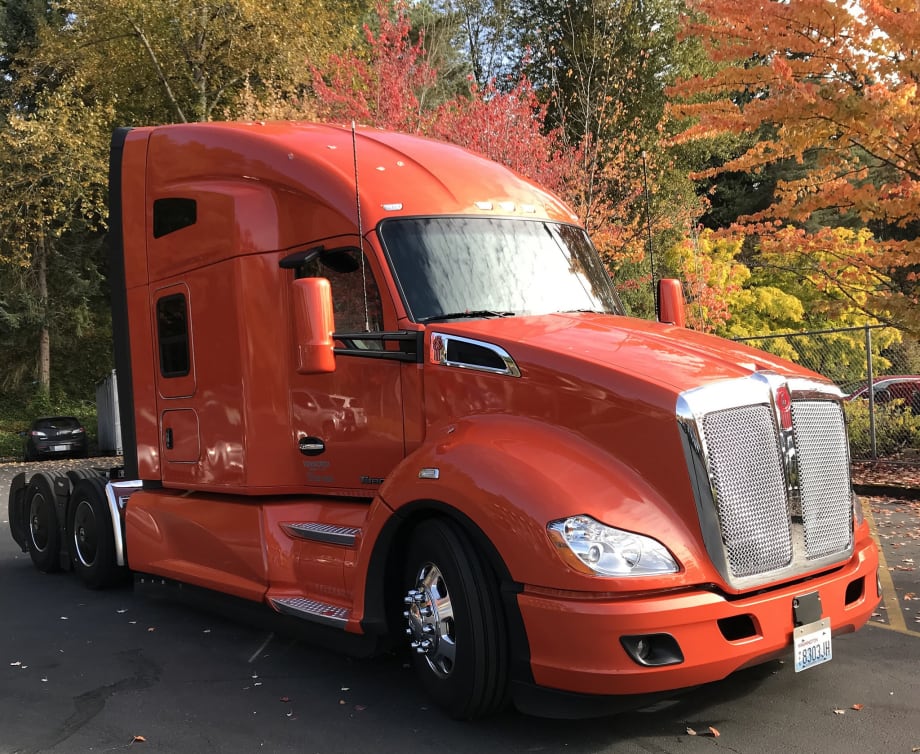
The new Paccar Fuel Economy Package available on Kenworth T680 models features a 405 horspower Paccar MX-13 diesel engine.
Photo: Kenworth
Kenworth has announced the that the Paccar Powertrain Fuel Economy Package will be available as a spec on T680 model trucks beginning next year. According to Kenworth, the new package combines the fully integrated Paccar Powertrain, including the Paccar MX-13 engine with a new 405-hp at 1,650 lb-ft of torque rating, Paccar 12-speed automated transmission, PACCAR 40K tandem rear axle, and enhanced Kenworth predictive cruise control technology.
According to Kenworth, this package includes a new version of the MX-13 engine, featuring a new torque curve that further refines the engine’s fuel economy performance in line-haul and regional haul applications by lowering the engine’s horsepower rating while maintaining its torque.
“This combination maximizes fuel economy and offers excellent performance for our customers,” said Kurt Swihart, Kenworth marketing director. “One of the bigger contributors is the deeply integrated predictive cruise control function, which varies the vehicle’s speed over rolling hills without reducing the average vehicle speed. The transmission software is also optimized for the PACCAR MX-13, allowing for lower engine RPMs at cruising speeds. At Kenworth, we’re continually researching ways to enhance spec’ing to find the best fuel economy combination available. The new 405-horsepower rating is just one example.”
The PACCAR Powertrain Fuel Economy package will be available in the first quarter of 2019.
More Equipment

NHTSA Moves to Rewrite Truck Fuel-Economy Rules
The National Highway Traffic Safety Administration says it lacks authority to regulate medium- and heavy-duty truck engines separately from complete vehicles, but the existing standards have not yet been eliminated.
Read More →
Detroit Opens Orders for EPA 2027 Engines
Detroit isn’t starting from scratch to meet EPA 2027 diesel emissions standards. Its Gen 6 DD13 and DD15 engines keep much of today’s platform while updating the fuel and aftertreatment systems.
Read More →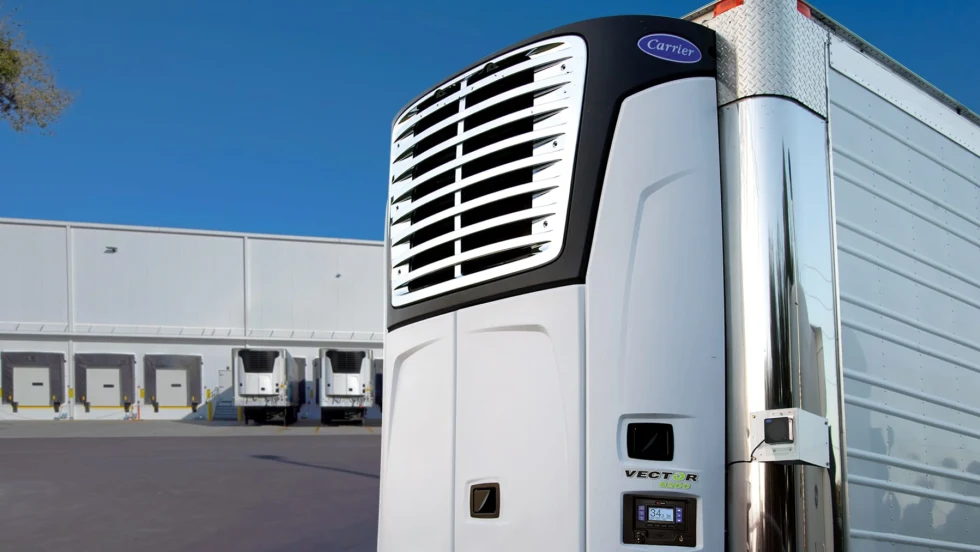
Carrier Transicold Adds All-Electric TRU for Stationary Cold Storage
Carrier Transicold’s new Vector 8200 all-electric transport refrigeration unit gives fleets a diesel-free option for temporary refrigerated and frozen trailer storage.
Read More →
A Closer Look at Kenworth’s Electric T880E Vocational Truck [Video]
Learn more about Kenworth's T880E battery-electric vocational truck at the Paccar Technical Center, including its range, applications, upfitting considerations, and PTO options, in this HDT Spotlight video.
Read More →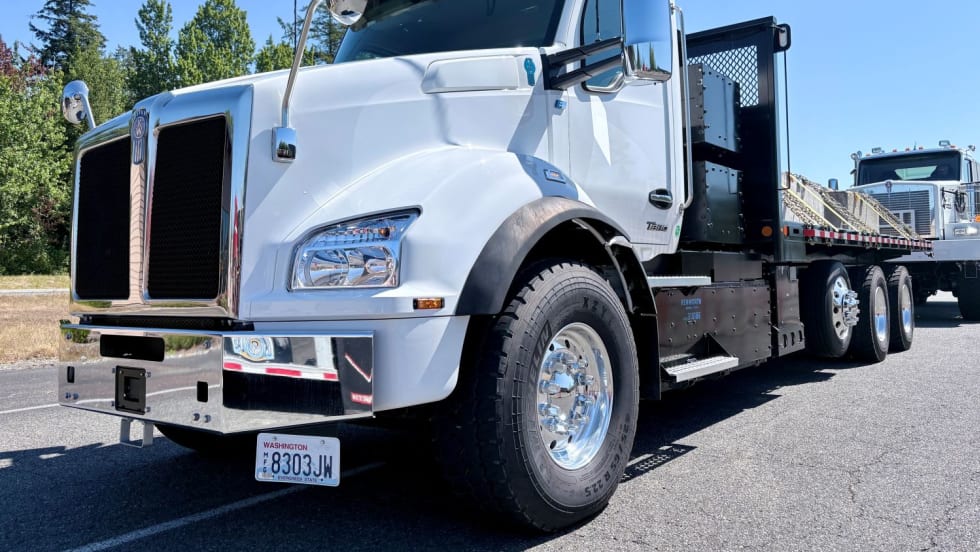
Kenworth T880E Brings EV Power to Vocational Trucks
A closer look at the Kenworth T880E’s range, charging, powertrain and upfit options — and where fleets are showing the most interest.
Read More →
What the U.S.-Canada Trade War Means for Trucking
Escalating U.S.-Canada tariffs could disrupt cross-border freight, reduce truck volumes, raise costs, and create new uncertainty for carriers on both sides of the border.
Read More →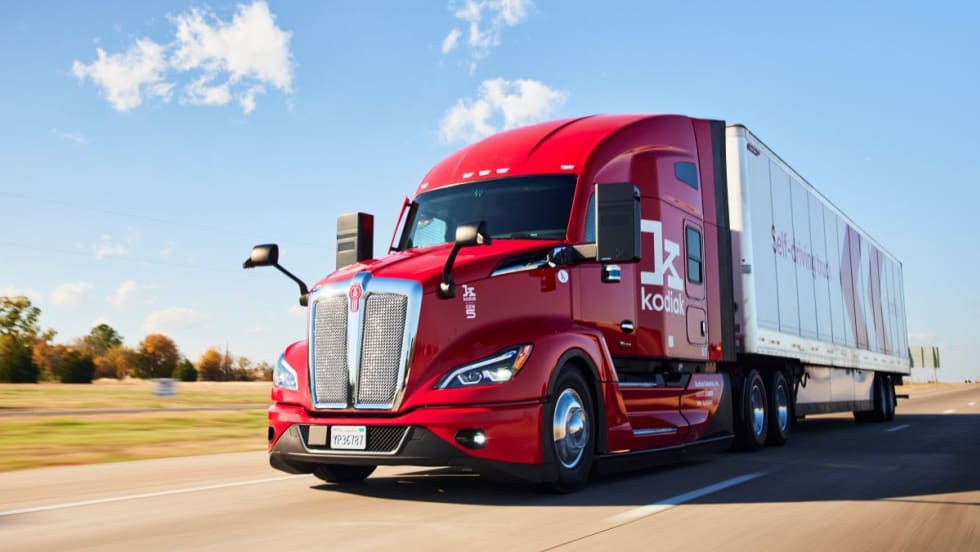
Autonomous Truck Testing Moves Ahead in California as Teamsters Challenge Rules
California has begun permitting heavy-duty autonomous truck testing, with Aurora and Kodiak among the first to receive approval, as the Teamsters sue the DMV over the new regulations.
Read More →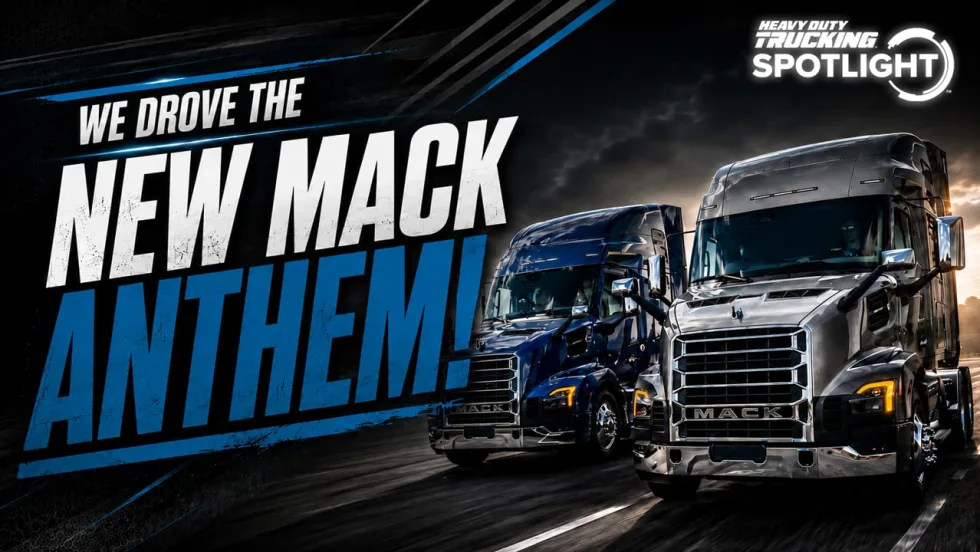
Behind the Wheel of the New Mack Anthem [Video]
HDT takes the new Mack Anthem around Mack’s Pennsylvania test track to see how its driver-focused design, technology, visibility and handling perform from behind the wheel.
Read More →
DTNA Plans New U.S. Truck Plant as Manufacturing Footprint Shifts
Daimler Truck North America is evaluating sites for a new assembly plant expected to open in 2029 while winding down operations at its longtime Portland manufacturing facility.
Read More →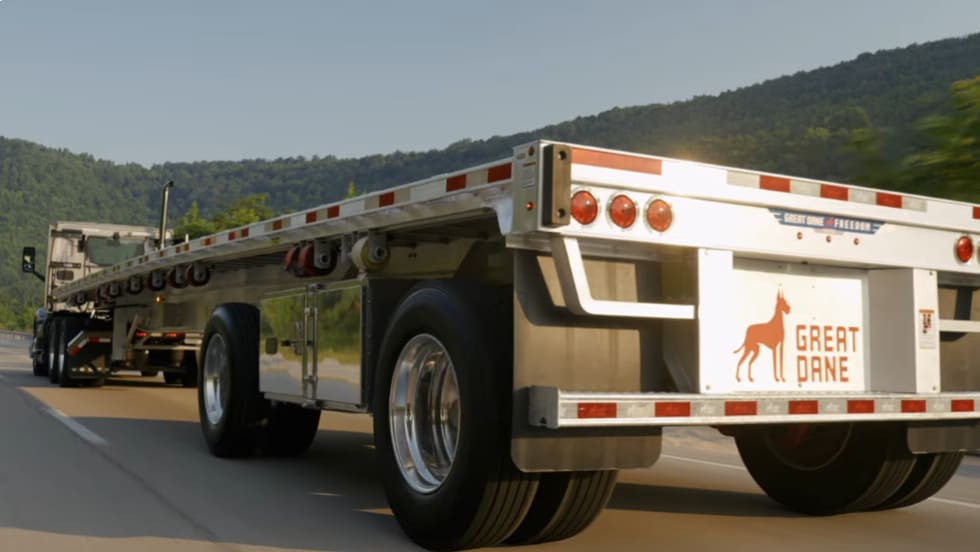
Great Dane Flatbed Trailer Offers Light Weight and Strength
Freedom Ultra is designed for a wide range of open-deck applications, including building materials, lumber, machinery, steel products, industrial freight, and coil hauling.
Read More →