




How Maxiloda’s Glide System Unlocks Hidden Trailer Capacity
By turning unused vertical space into usable capacity, Maxiloda’s Glide system helps fleets move more freight per trip while reducing loading risks and equipment damage.

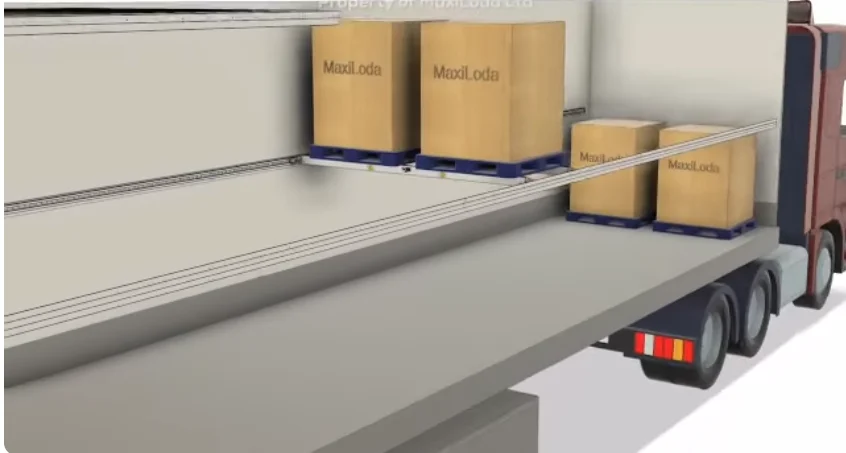
With the Maxiloda Glide system, freight can be stacked vertically, then glided forward or backward inside the trailer by hand.
Maxiloda
- Maxiloda’s Glide system optimizes vertical space in trailers for increased freight capacity per trip.
- The system aims to enhance loading efficiency by transforming unused space into practical usage.
- Improved space utilization also aims to reduce risks associated with loading and prevent equipment damage.
*Summarized by AI
Saying unused trailer capacity is one of the largest hidden costs in logistics, Maxiloda says it has a double-decking system for trailers and trucks that offers more flexibility than other systems on the market.
Maxiloda’s Glide system allows operators to safely double or triple stack cargo. It uses mobile trolley platforms capable of carrying up to 4,400 pounds per unit. Freight can be stacked vertically, then glided forward or backward inside the trailer by hand.
This means forklifts don’t have to enter the trailer, reducing risks of damage to the trailer, to the landing gear, and to the cargo.
And because freight remains stabilized and separated on the system’s trolley platforms, the Maxiloda design reduces the risk of load crushing and freight damage, according to the company.
In an interview with Maxiloda representatives at the recent Technology & Maintenance Council meeting, they pointed out that this system also offers greater safety, because the operator isn’t underneath beams in case of collapse.
“Even if there was a failure, there is a safety mechanism, a curve that captures a beam so it doesn’t come down and hit the operator,” said Gary Stannard, president and CEO.
Improving Productivity
“One of the interesting things is that it’s not always about filling the whole truck up,” Stannard said. “Sometimes a real benefit can just be having one extra pallet and not have to make more than one trip.”
And reliance on loading docks is also eliminated, as the second layer of cargo can be loaded from the ground and glided to the front of the truck.
The company says the system is particularly valuable for:
- LTL and mixed freight networks
- Regional and last-mile delivery
- Operations without consistent dock access
- Carriers moving fragile or high-value goods.
More Details About the Glide
The system is available for hard-sided trucks (26 feet) and trailers (53 feet.) The trailer system weighs 1,100 pounds installed.
When not in use, the system stores in the ceiling of the trailer, and slides into place when needed.
It can be self-installed into new or used trailers, and is suitable for dry van or refrigerated cargo. In fact, the company says, it can improve circulation in refrigerated trailers and works with multi-temp configurations.
Bringing Glide to the U.S.
Maxiloda has already proven its technology in New Zealand and Latin America, and has been working on setting up U.S. manufacturing and distribution, with headquarters in Chicago. It’s looking for fleets to conduct pilots on the system.
It also is working to collaborate with some route optimization software companies, said Simon Leitch, vice president of sales and marketing.
“Our belief is, if you optimize your routing through your software application, and you can put more in the truck, then you get this massive multiplier of optimizing the route I’m doing.”
More Equipment
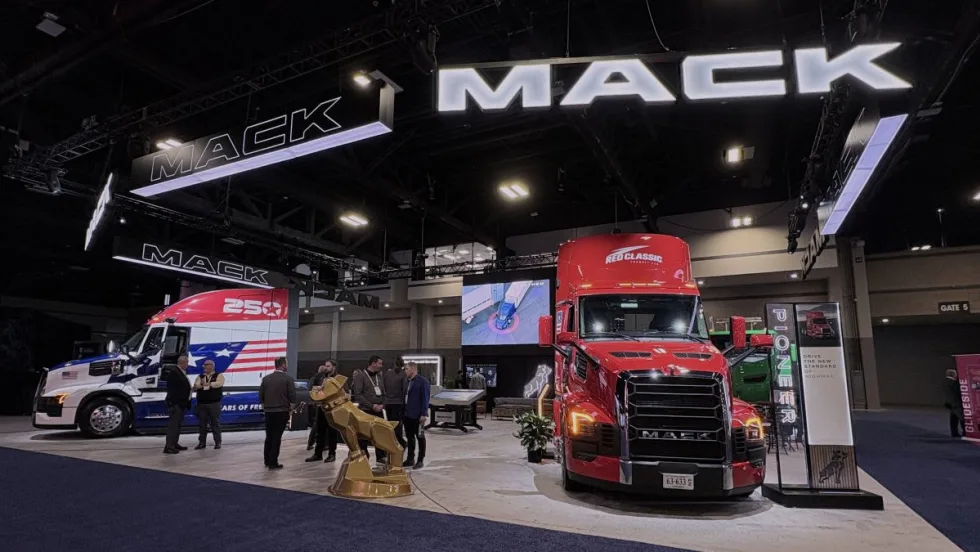
Trucks at ATA's 2026 MC&E in Charlotte, North Carolina [Photos]
From rigs decked out in patriotic America's 250 paint schemes to autonomous trucks and more, check out these photos from ATA's 2026 Management Conference & Exhibition.
Read More →
Help HDT Find Trucking’s Top Products
Have you come across a new product that could make a difference for trucking fleets? Nominate it for HDT’s 2027 Top 20 Products Awards by November 9.
Read More →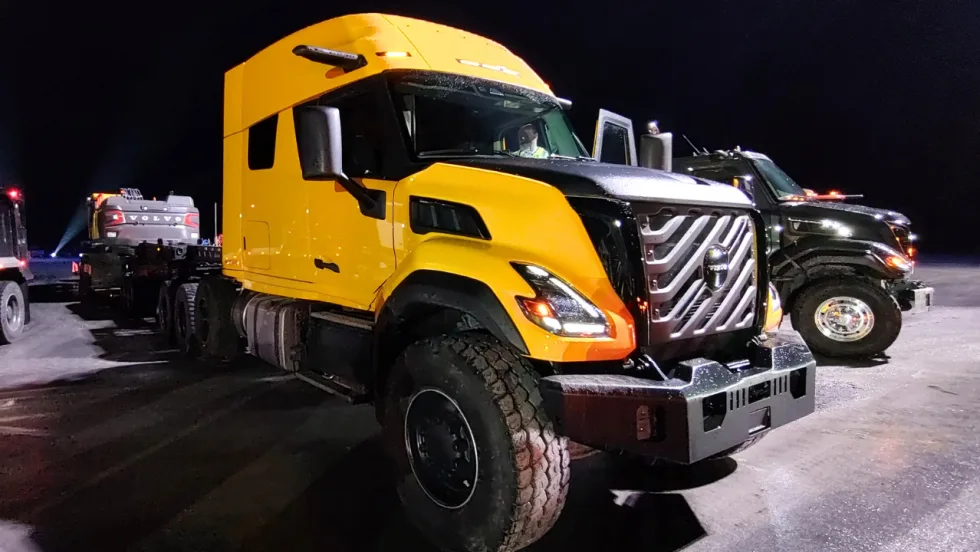
Volvo Unveils New VNX Heavy-Haul and Vocational Truck
Volvo Trucks has launched the VNX, a new vocational truck also available as a tractor in day cab and two sleeper configurations, with one heavy-haul model. The Volvo VNX is powered by Volvo's D13 platform, which delivers up to 540 horsepower and 1,950 pound-feet of torque and is EPA 2027-compliant.
Read More →
How GP Transco Cuts Trucking Fuel Costs, a Tenth of a Gallon at a Time
What’s another tenth of a mile per gallon worth? GP Transco shares how equipment upgrades and driver coaching turn small gains into meaningful fuel savings.
Read More →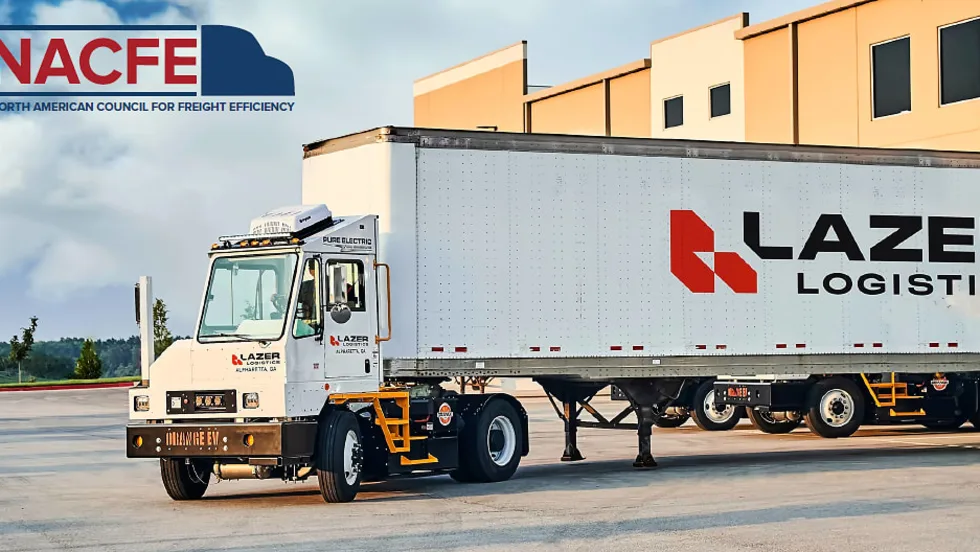
Electric Yard Tractors Move Beyond Pilots
Operating-cost savings have overtaken sustainability goals as the leading reason surveyed fleets are adopting battery-electric terminal tractors, according to new NACFE research.
Read More →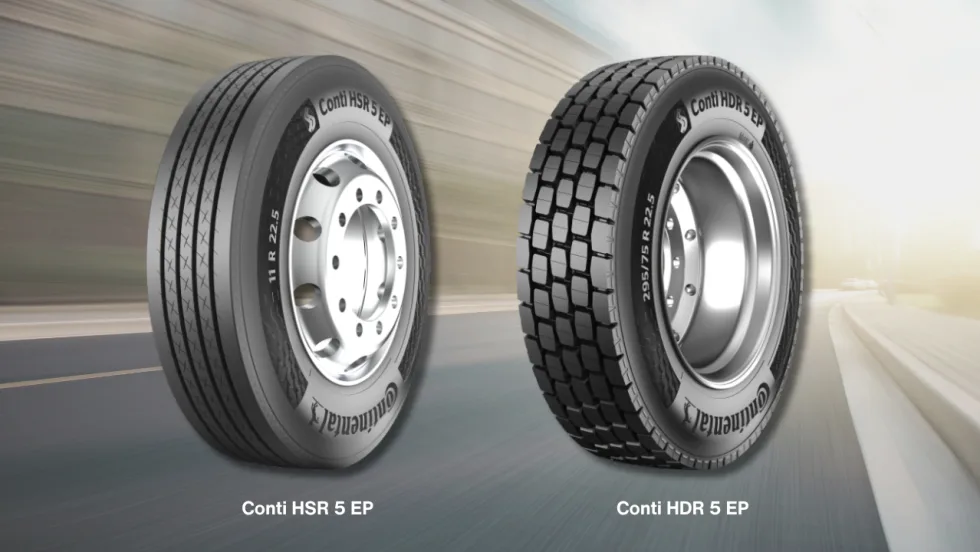
Continental Introduces New Regional Truck Tires
Continental says its new Generation 5 steer and drive tires for regional operations offer longer tread life, with estimated mileage gains of 22% and 19%, respectively.
Read More →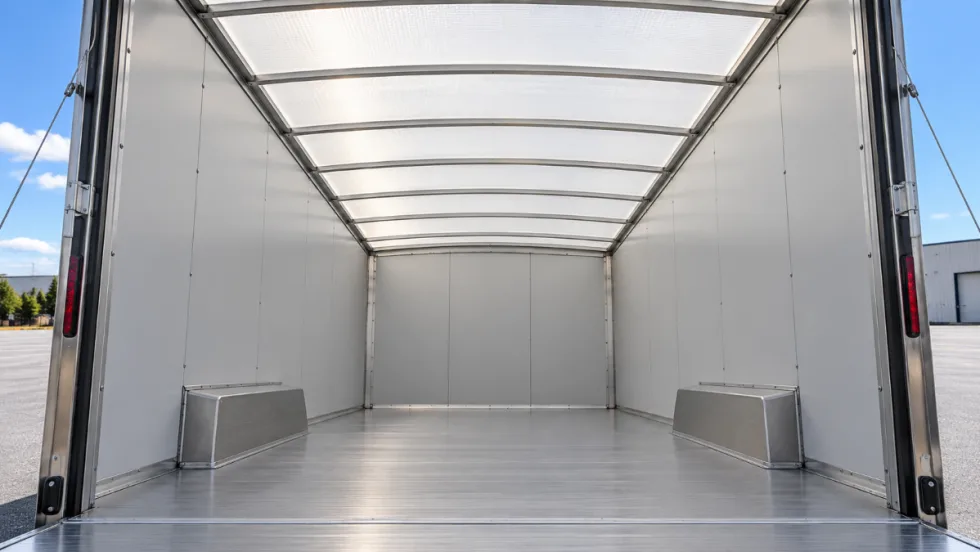
Tekmodo Introduces CargoBright Brand for Translucent Trailer Roofs
CargoBright is designed to diffuse daylight across the cargo area while performing as a working vehicle roof.
Read More →
Fleet Economics Shape Electric Truck Outlook
ACT Research expects costs, charging infrastructure, and technology improvements to drive zero-emission commercial vehicle adoption as federal regulations and incentives retreat.
Read More →
Kodiak Targets Dallas–Houston for Driverless Trucks
The company says its autonomous trucks are completing the I-45 run without a safety observer taking control. It plans to remove the observer by the end of 2026.
Read More →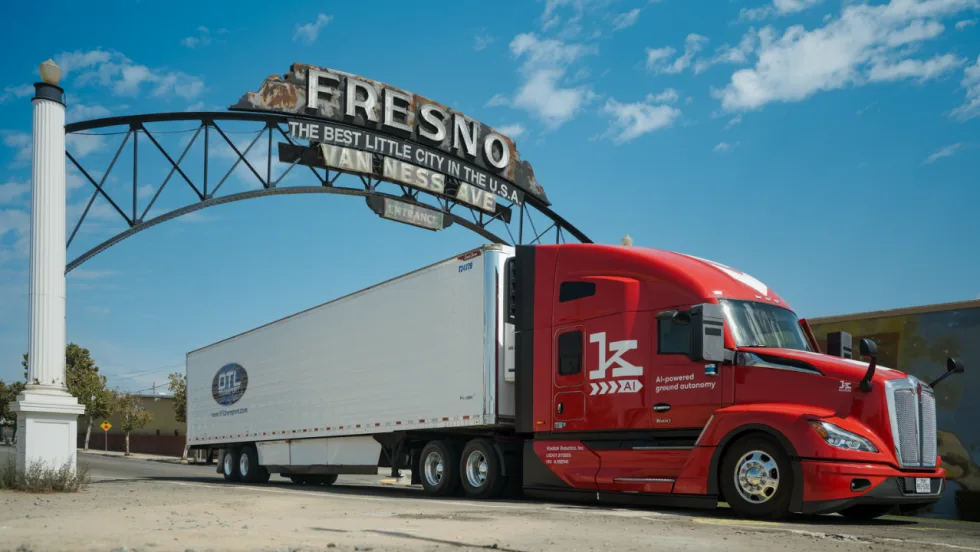
Kodiak Hauls Produce in California Autonomous Truck Pilot
Kodiak AI and DTL Transport have begun hauling produce between Fresno and Los Angeles under California’s new rules for testing heavy-duty autonomous trucks. A safety driver remains behind the wheel.
Read More →