





Beyond DOT Compliance: What Makes a Trucking Fleet Truly Safe?
FMCSA’s New Complaint Platform Makes It Easier to Report Trucking Safety Concerns
The FMCSA Complaint Center features expanded complaint categories and a name change away from the word "consumer."
November 8, 2026

As the Trump administration continues its work to clean up commercial vehicle enforcement and safety, a new website will make it easier for truckers, the public, and others to file complaints.
Credit:
HDT
2 min to read
The Federal Motor Carrier Safety Administration said its new FMCSA Complaint Center offers an easier way to report potential violations of federal motor carrier safety and hazardous materials regulations.
Formerly known as the National Consumer Complaint Database, the FMCSA Complaint Center has undergone significant improvements since the updated system launched last year, according to the agency.
Recent enhancements include:
- Expanded complaint categories: New categories cover property brokers, Entry-Level Driver Training/Training Provider Registry (ELDT/TPR), intermodal equipment providers, and registration-related fraud and identity theft.
- Updated name and audience references: The latest release renames the platform the FMCSA Complaint Center and replaces references to “consumer” with “general public” to better reflect the range of individuals who can submit complaints.
- Improved user experience: FMCSA has overhauled the website and complaint submission form and updated the complaint search tool to make the platform easier to navigate.
- Reorganized categories: The Medical Review Officer/Substance Abuse Professionals category is now included under a new category, Drug and Alcohol Service Agents.
Eligible Complaints
For instance, a truck driver might want to file a complaint with allegations of safety violations by the trucking company they work for. These could include:
- Harassment by your employer.
- Being coerced or forced to knowingly disregard safety regulations such as hours of service.
- An employer or company does not have the proper operating authority or insurance on file.
- A carrier placed a commercial truck into operation without one or more parts/accessories necessary for safe operation, such as a stop lamp or cab door (a full list can be found in 49 CFR Part 393).
For more information, see the FMCSA's list of eligible complaints.
How to Submit a Complaint
FMCSA encourages those who witness a potential violation to submit a complaint as soon as possible, even if they don’t have all the details. FMCSA reviews complaints alongside other information to determine which companies may warrant further review, investigation, or enforcement action.
Submitting a complaint does not automatically trigger an investigation or result in a violation or penalty.
Online: complaint.fmcsa.dot.gov
By phone: 1-888-DOT-SAFT (1-888-368-7238), 8 a.m. to 8 p.m. Eastern Time, Monday through Friday.
More Safety & Compliance

FDA Eases Path for Oral-Fluid Testing
Federal actions could advance oral-fluid drug testing for truck drivers, but lab certification delays and marijuana rescheduling questions remain.
Read More →
Kodiak Lines Up Fleets for Driverless Trucking
An agreement for 75 trucks, a new Texas freight lane, and progress on safety validation move Kodiak closer to its planned driverless highway launch.
Read More →
More Trailer Data Through the Same Seven-Way [Video]
Can trucking’s standard seven-way connector handle more cameras and trailer data? Grote’s Adam Slade shows HDT how the company is using new technology with its 4See trailer system, not only to add a new backup camera but also to expand other capabilities — without adding another connection.
Read More →
PrePass Intelligence Mines Fleet Bypass, Toll and Safety Data
PrePass Intelligence helps fleets measure bypass savings, flag potential toll overcharges, and spot suspicious transactions by combining data from separate systems.
Read More →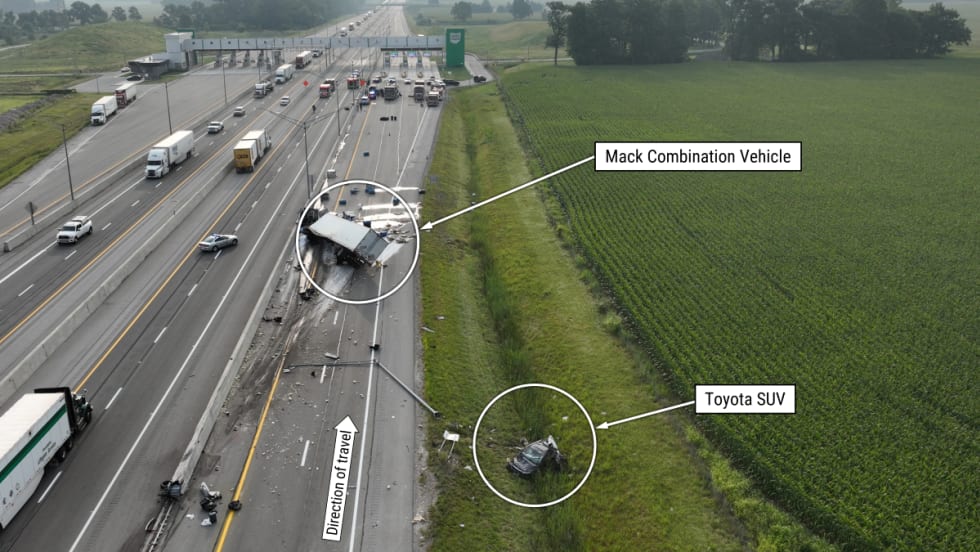
Fatal Crash Exposes Toll Plaza Risks
An NTSB investigation found that last-minute lane changes and large speed differences at an Ohio toll plaza created a hazard the truck driver couldn't avoid in time.
Read More →
When Language Stops the Truck: The Return of ELP Out-of-Service Orders
English language proficiency rules for commercial drivers aren’t new, but renewed out-of-service enforcement has raised the stakes. Here’s what carriers need to know before a driver reaches a roadside inspection.
Read More →
Marijuana and Trucking’s Drug-Testing Dilemma
Marijuana is getting stronger, laws are changing, and drug tests still can’t reliably establish impairment. What does that mean for truck drivers and the fleets that employ them?
Read More →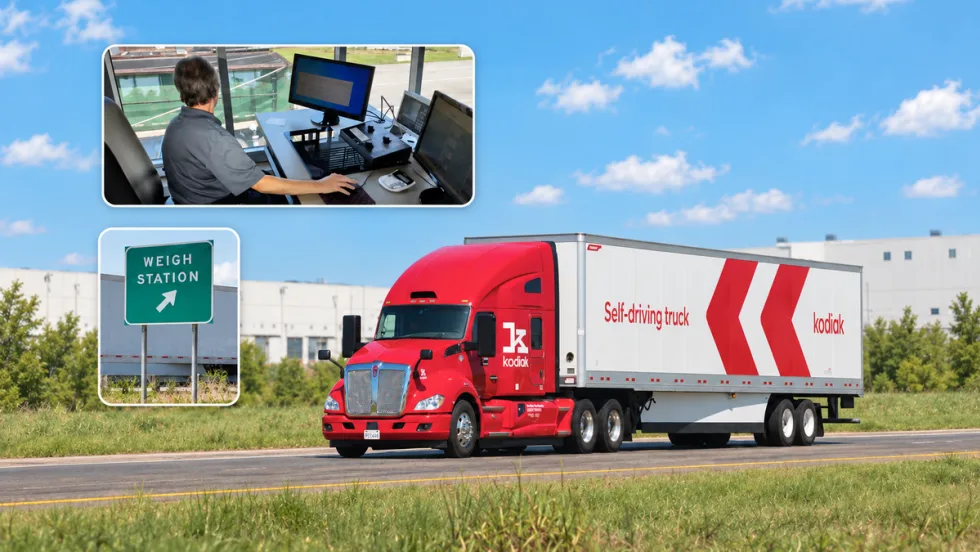
PrePass, Kodiak Connect Driverless Trucks to Roadside Enforcement
The system will allow enforcement agencies to verify Enhanced Inspection information and decide whether Kodiak’s autonomous trucks can bypass roadside screening sites.
Read More →
From One Generation to the Next: How Mentorship Builds Safer Truck Drivers
After three decades in trucking, Harold Perry shares what he's learned about driver safety, mentorship, and helping the next generation build confidence behind the wheel.
Read More →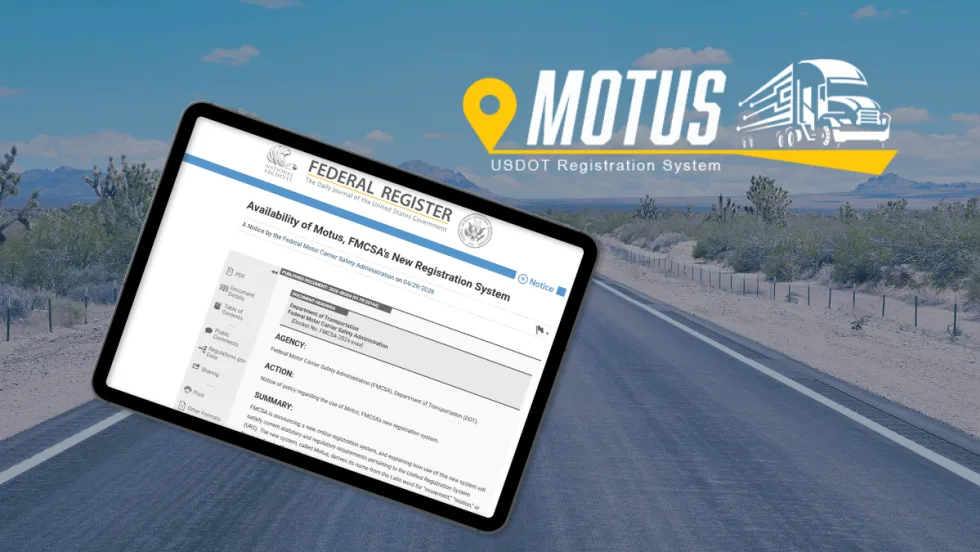
FMCSA Pauses Biennial-Update Enforcement Amid Motus Transition
Carriers whose updates were due on or after June 1 have more time, while FMCSA works to stabilize its new registration system and warns of phishing sites impersonating its new carrier registration system, Motus.
Read More →