





Can trucking fleets use DOT oral-fluid testing yet?
Not yet. DOT authorized the method in 2023, but implementation requires at least two federally certified laboratories. HHS reported on Oct. 29, 2026, that none had been certified.
FDA Eases Path for Oral-Fluid Testing
Federal actions could advance oral-fluid drug testing for truck drivers, but lab certification delays and marijuana rescheduling questions remain.
November 2, 2026

For trucking fleets, October brought progress toward alternative testing, but no immediate change in how they can conduct DOT drug tests.
Credit:
HDT
3 min to read
- Federal actions are underway to expand drug-testing options for the trucking industry.
- Fleets are currently unable to use oral-fluid tests to meet existing federal drug-testing requirements.
- The rescheduling of marijuana is experiencing further delays, impacting regulatory progress.
*Summarized by AI
Federal agencies have taken steps that could help bring new drug-testing options to trucking. But fleets are still waiting to put them to work.
Recent federal actions could move oral-fluid drug testing closer to use by trucking fleets, but employers still cannot use it to meet Department of Transportation drug testing requirements for safety-sensitive workers such as truck drivers.
The Food and Drug Administration eased requirements for certain testing systems in October. Separately, the Department of Health and Human Services proposed updates to oral-fluid testing guidelines and confirmed that no laboratories had yet been certified to perform the tests.
Neither action makes oral-fluid testing available for Department of Transportation-required tests yet.
Meanwhile, the broader effort to change marijuana’s federal classification remains unfinished.
What FDA Changed for Drug Testing
On Oct. 6, FDA removed a requirement that certain drug-testing systems go through its premarket review process before being sold for use in federal testing programs.
The change could make it easier for suppliers to bring testing systems to market. FDA acknowledged that it could help move oral-fluid testing forward.
But FDA’s decision addresses the equipment used to perform tests. It does not approve laboratories or decide which testing methods fleets can use to meet DOT requirements.
The agency also made clear that its action does not authorize hair testing in federal programs.
Why DOT Oral-Fluid Testing Is Delayed
DOT approved oral-fluid testing as an alternative to urine testing in 2023. Before employers can use it, however, HHS must certify at least two laboratories to perform the testing.
One lab tests the original sample. A second must be available to test the separately collected portion, known as the split specimen, if an employee requests that testing after certain results.
In an Oct. 29 proposal, HHS confirmed that no oral-fluid laboratories had yet been certified.
That proposal would update laboratory requirements and procedures for collecting, testing, and reviewing oral-fluid samples. It also would clarify that a laboratory could qualify to handle only split-specimen testing.
Comments are due Dec. 28. These are proposed changes to federal workplace testing guidelines. DOT would have to determine how to incorporate any final changes into its own testing program.
Marijuana Rescheduling Remains Pending
The separate effort to move marijuana from Schedule I to the less restrictive Schedule III category also remains unresolved.
On Oct. 22, Drug Enforcement Administration Chief Administrative Law Judge Derek Julius agreed to add a Government Accountability Office report to the evidence being considered. The report examined gaps in how federal agencies document and carry out drug-scheduling decisions.
The judge declined to reopen the hearing for more testimony. Instead, he gave the parties additional time to submit written arguments about the report, with final replies due Nov. 5.
That is a filing deadline, not a decision date on rescheduling.
Earlier this year, federal officials separately reclassified certain medical-marijuana products. DOT then clarified that a state medical-marijuana authorization still cannot excuse a positive DOT marijuana test.
A medical marijuana card, doctor’s recommendation, or dispensary receipt does not give a medical review officer grounds to report that test as negative.
The proceedings follow President Trump’s December 2025 order to move reclassification forward.
What Can Trucking Fleets Expect?
For trucking fleets, October brought progress toward alternative testing, but no immediate change in how they can conduct DOT drug tests.
FDA removed one requirement for testing-system suppliers, but laboratories still need federal certification before DOT oral-fluid testing can begin. And the ongoing marijuana proceedings have not changed DOT’s position on positive tests attributed to state-authorized medical marijuana.
Quick Answers
Recent federal actions are aimed at expanding drug-testing options for trucking fleets.
*Summarized by AI
More Safety & Compliance

Kodiak Lines Up Fleets for Driverless Trucking
An agreement for 75 trucks, a new Texas freight lane, and progress on safety validation move Kodiak closer to its planned driverless highway launch.
Read More →
More Trailer Data Through the Same Seven-Way [Video]
Can trucking’s standard seven-way connector handle more cameras and trailer data? Grote’s Adam Slade shows HDT how the company is using new technology with its 4See trailer system, not only to add a new backup camera but also to expand other capabilities — without adding another connection.
Read More →
PrePass Intelligence Mines Fleet Bypass, Toll and Safety Data
PrePass Intelligence helps fleets measure bypass savings, flag potential toll overcharges, and spot suspicious transactions by combining data from separate systems.
Read More →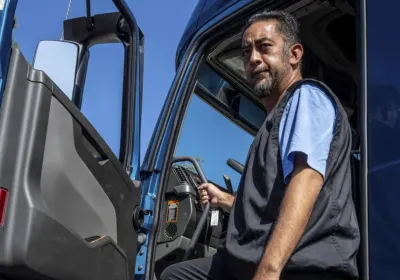
Fatal Crash Exposes Toll Plaza Risks
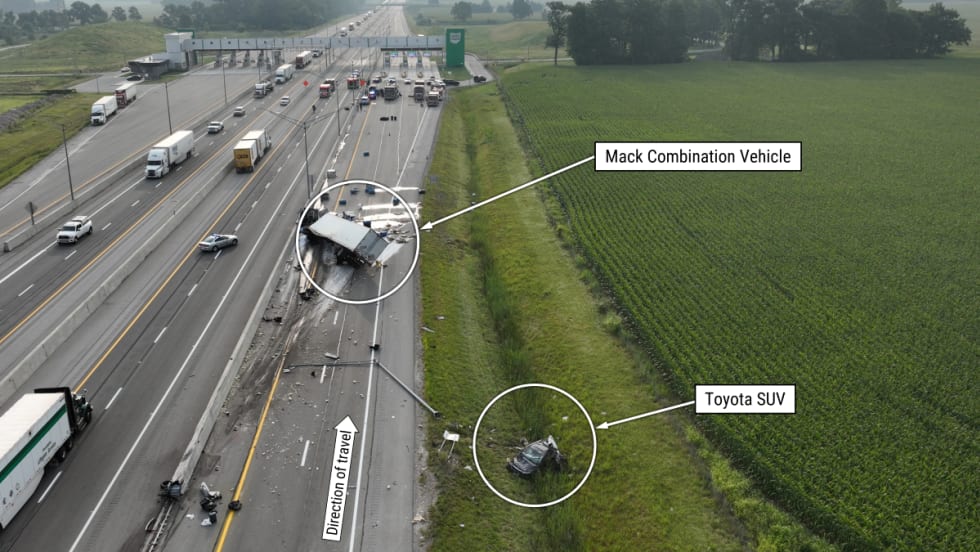
An NTSB investigation found that last-minute lane changes and large speed differences at an Ohio toll plaza created a hazard the truck driver couldn't avoid in time.
Read More →
When Language Stops the Truck: The Return of ELP Out-of-Service Orders
English language proficiency rules for commercial drivers aren’t new, but renewed out-of-service enforcement has raised the stakes. Here’s what carriers need to know before a driver reaches a roadside inspection.
Read More →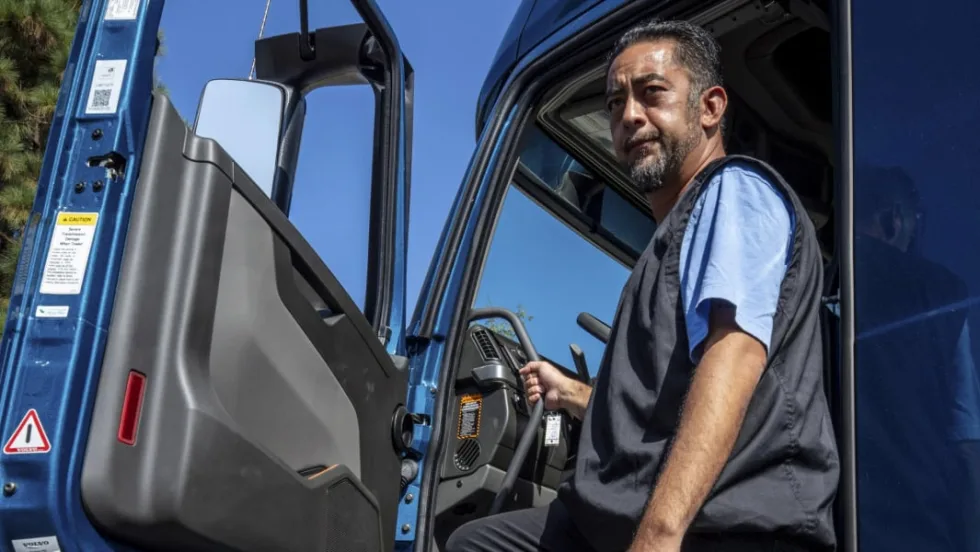
Sponsored•October 6, 2026
A Camera Isn't a Safety Program. Here's What Brokers Are Screening for Now
Footage alone may not be enough to pass broker vetting processes. Here's what counts as a defensible safety program now.
Read More →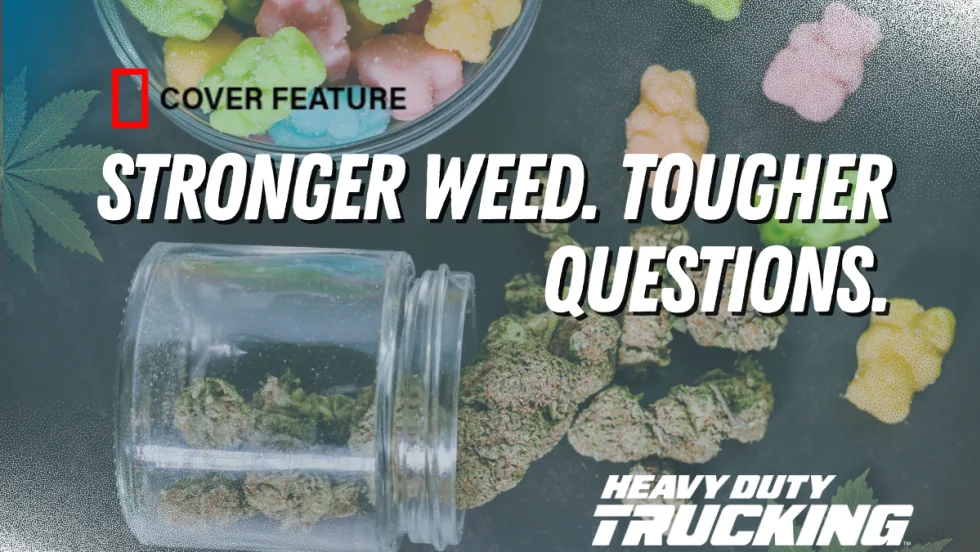
Marijuana and Trucking’s Drug-Testing Dilemma
Marijuana is getting stronger, laws are changing, and drug tests still can’t reliably establish impairment. What does that mean for truck drivers and the fleets that employ them?
Read More →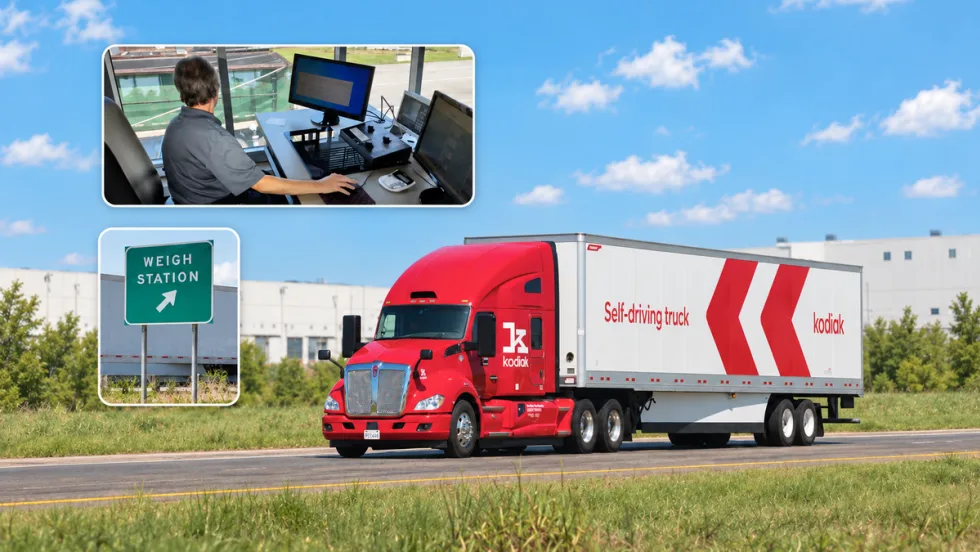
PrePass, Kodiak Connect Driverless Trucks to Roadside Enforcement
The system will allow enforcement agencies to verify Enhanced Inspection information and decide whether Kodiak’s autonomous trucks can bypass roadside screening sites.
Read More →
From One Generation to the Next: How Mentorship Builds Safer Truck Drivers
After three decades in trucking, Harold Perry shares what he's learned about driver safety, mentorship, and helping the next generation build confidence behind the wheel.
Read More →
FMCSA Pauses Biennial-Update Enforcement Amid Motus Transition
Carriers whose updates were due on or after June 1 have more time, while FMCSA works to stabilize its new registration system and warns of phishing sites impersonating its new carrier registration system, Motus.
Read More →