


 MENU
MENU SEARCHMENUSEARCH
Loading data...
President Donald Trump on December 18 signed an executive order to force the administration to move forward in reclassifying marijuana as a less-dangerous drug. However, that order does not legalize its use at the federal level, and what effect the move may have on commercial driver drug testing is unclear.
Read More →
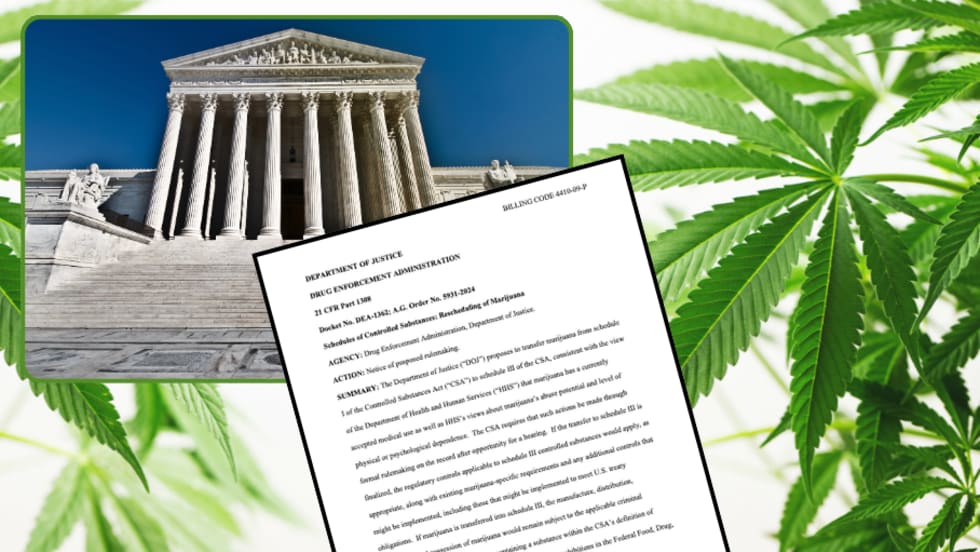


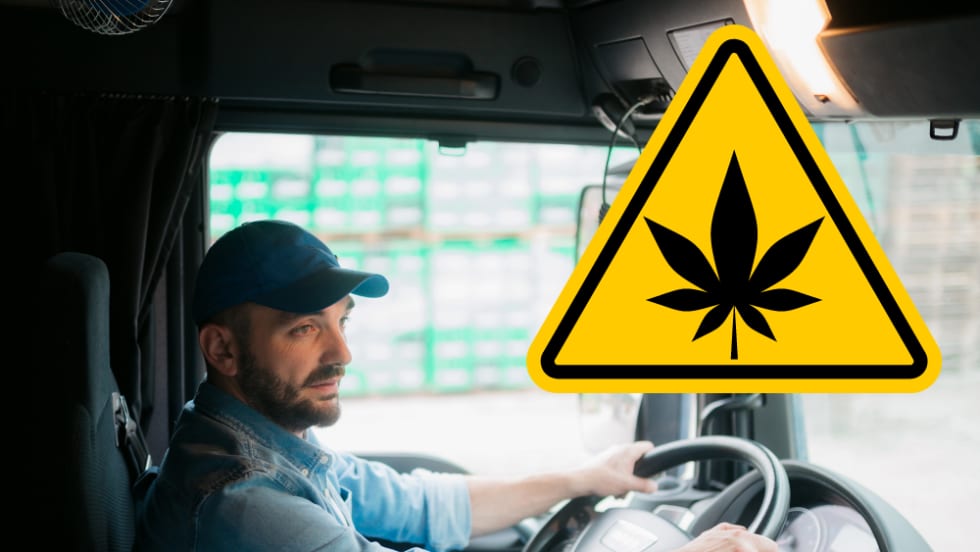
Truck driver drug testing should not be directly impacted by reclassification of marijuana as a less-dangerous controlled substance, according to Transportation Secretary Pete Buttigieg in a congressional hearing.
Read More →The federal government has kicked off the formal rulemaking process to consider moving marijuana from a Schedule I drug to a Schedule III drug under the Controlled Substances Act.
Read More →The federal government is proposing to re-classify marijuana as a less-dangerous drug, according to anonymous sources cited by the Associated Press. But what that would mean for trucking is unclear.
Read More →A visit to California, where "weed" is legal, and recent FDA recommendations regarding how the DEA classifies marijuana, had HDT Editor and Associate Publisher pondering about the complexities of cannabis when it comes to trucking.
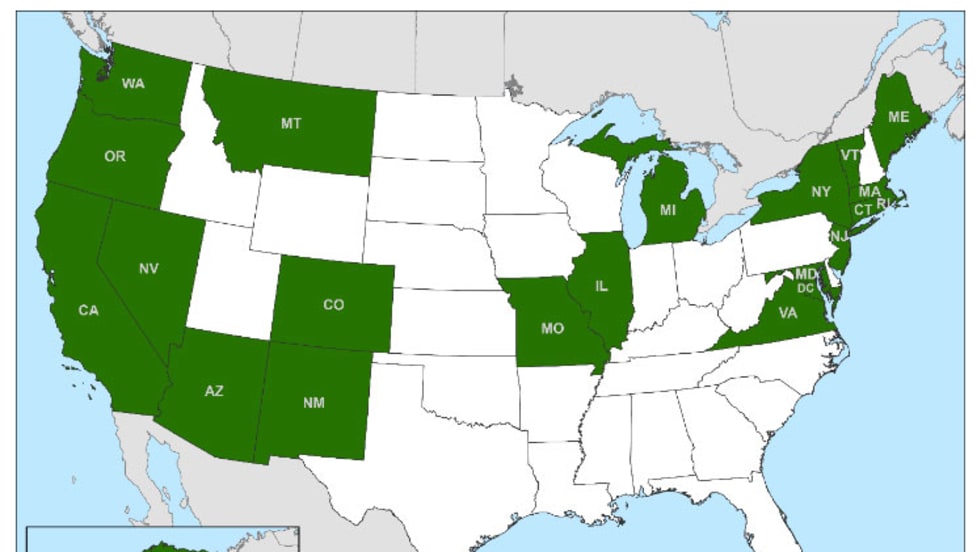
Read More →Nearly half of states have legalized marijuana. Drivers and motor carriers are equally frustrated with current drug testing limitations.
Read More →Both motor carriers and truck drivers are frustrated with current drug testing limitations, in particular the lack of a test for marijuana impairment, according to the American Transportation Research Institute.
Read More →ATRI's survey asks for driver perspectives and knowledge related to new state laws, as well as the impact of these laws on roadway safety and the workforce.
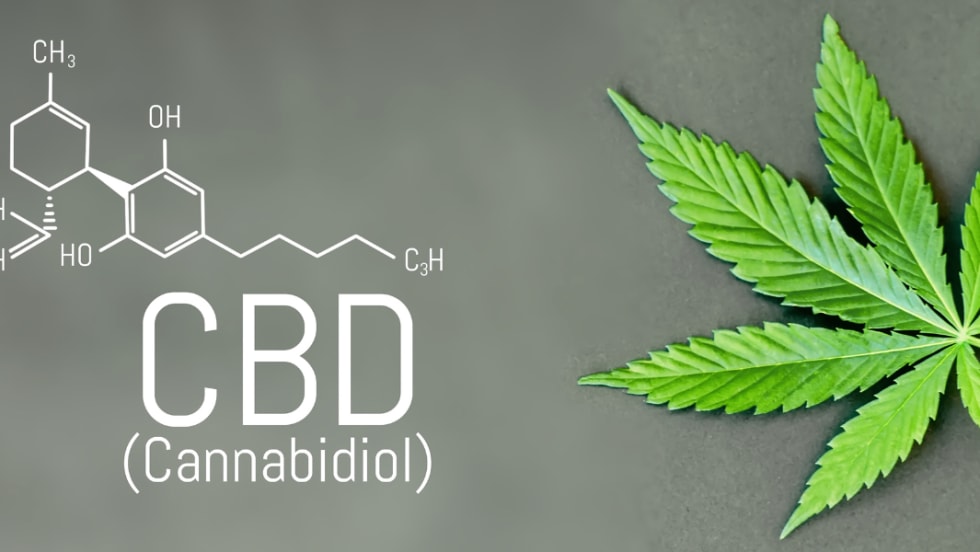
Read More →Can CBD products lead to positive drug tests? It's possible. Explore the risks of CBD use for commercial truck drivers.
Read More →This research was identified as a top priority in 2022 by ATRI’s Research Advisory Committee and will expand on its 2019 study on the impacts of marijuana legalization on roadway safety.
Read More →