




EPA's Phase 2 Greenhouse Gas Rules Still Unknown
Proposals for Phase 2 of the federal government’s Greenhouse Gas Emissions regulations are approaching a deadline for publication, but neither the Environmental Protection Agency nor the manufacturers affected know much about what will be in them.

ORLANDO -- Proposals for Phase 2 of the federal government’s Greenhouse Gas Emissions regulations are approaching a deadline for publication, but neither the Environmental Protection Agency nor the manufacturers affected know much about what will be in them.
However, they will govern trailers, more trucks, and set up new testing procedures, said Dennis Johnson, an engineer in EPA’s Office of Transportation & Air Quality in Washington, D.C. Phase 2 will thus expand the scope of the GHG rules beyond trucks and tractors covered by Phase 1 regs which recently took effect.
Representatives from fleets and truck and trailer builders joined the EPA official on a panel during the Technology & Maintenance Council’s Fall Meeting at the Dolphin Hotel in Disney World, near Orlando, on Tuesday. They expressed fears about what might be published, how comPlex they might be, and how they would conlfict with other rules being proposed by officials in California.
Johnson said the agency is asking for input from everyone the upcoming regs will affect, and has not yet concluded what will be in the proposals. Proposals are due out next March and final regs should take effect 12 to 18 months later.
The regs will seek to reduce emissions of carbon dioxide and other gases, will affect trailers and more trucks, and will include refined testing procedures. Plans to end use of hydrofluorocarbons in refrigerants were announced last week, he noted.
Trailer aerodynamics, low-rolling-resistance tires and weight reduction will probably be among requirements in Phase 2, Johnson and others said. The rules will affect vehicle builders, but not fleets or owner-operators, and exceptions might be made for small businesses.
Amy Kopin, senior compliance engineer at Detroit Diesel, said the Daimler company and its sister operations want “realistic” rules, but do not believe EPA’s computer models reflect real-world conditions. Trucks run at lower speeds because of traffic congestion, which the models do not recognize.
Meanwhile, California’s Air Resources Board is proposing additional drastic reductions of nitrogen oxide, while it’s been long established that there’s a tradeoff between NOx and carbon dioxide as produced by diesels. That is, as fuel economy increases and CO2 decreases, NOx rises, Kopin explained. So the CARB proposals run counter to EPA’s demands to reduce CO2.
“We know we will be regulated and there will be impact, but we don’t know what that impact will be and how it will affect us,” said Robert Lane, an engineer at Wabash National Corp. But it won’t be simple: EPA told the Truck-Trailer Manufacturers Association that it will probably use Greenhouse-gas Emissions Models, or GEMs, along with average “banking” of credits and complicated calculations of drag coefficients and requirements for recordkeeping.
And Phase 2 will probably include trailer types besides the 53-foot vans and reefers now regulated by ARB in California. EPA’s Johnson said he didn’t know what additional types might be governed, though both on- and off-road trailers are being considered.
More Fuel Smarts

California Bill Could Shed Light on Electric Truck Prices
Why do battery-electric Class 8 trucks remain so expensive? A California bill headed to Gov. Gavin Newsom would give fleets and state agencies more visibility into what manufacturers charge.
Read More →
Detroit Opens Orders for EPA 2027 Engines
Detroit isn’t starting from scratch to meet EPA 2027 diesel emissions standards. Its Gen 6 DD13 and DD15 engines keep much of today’s platform while updating the fuel and aftertreatment systems.
Read More →
Zero-Emission Truck Corridor Planned for West Coast
California, Oregon, Washington, British Columbia and Baja California are coordinating plans for truck charging and hydrogen fueling from Canada to Mexico.
Read More →
A Closer Look at Kenworth’s Electric T880E Vocational Truck [Video]
Learn more about Kenworth's T880E battery-electric vocational truck at the Paccar Technical Center, including its range, applications, upfitting considerations, and PTO options, in this HDT Spotlight video.
Read More →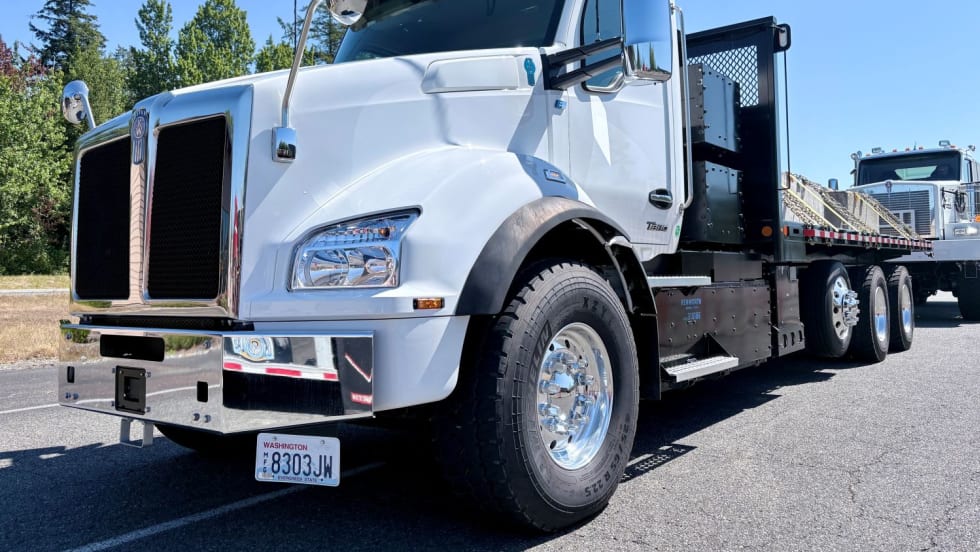
Kenworth T880E Brings EV Power to Vocational Trucks
A closer look at the Kenworth T880E’s range, charging, powertrain and upfit options — and where fleets are showing the most interest.
Read More →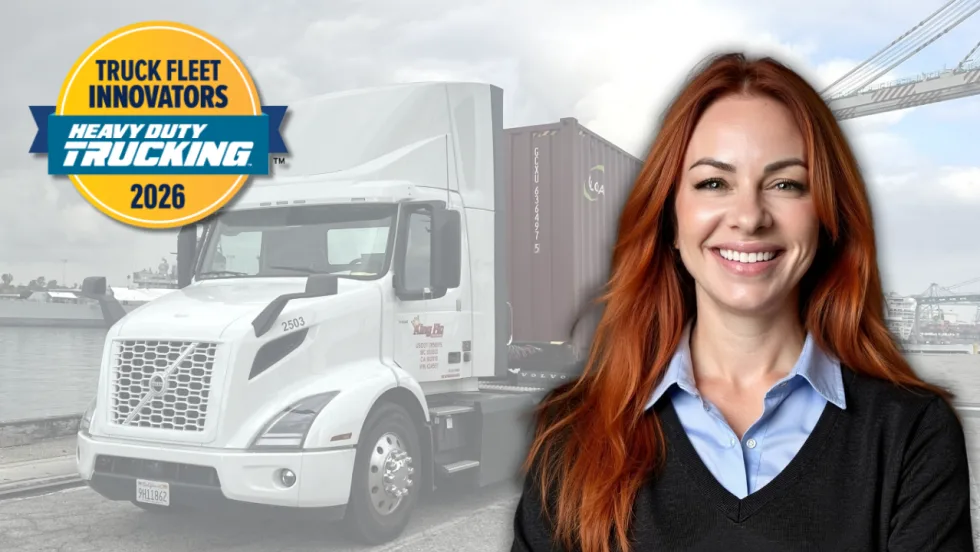
Jennie Abarca Is Proving Electric Trucks Can Do the Job
HDT Truck Fleet Innovator Jennie Abarca is building confidence in fleet electrification one load at a time while openly sharing the challenges she encounters along the way as a small-fleet owner.
Read More →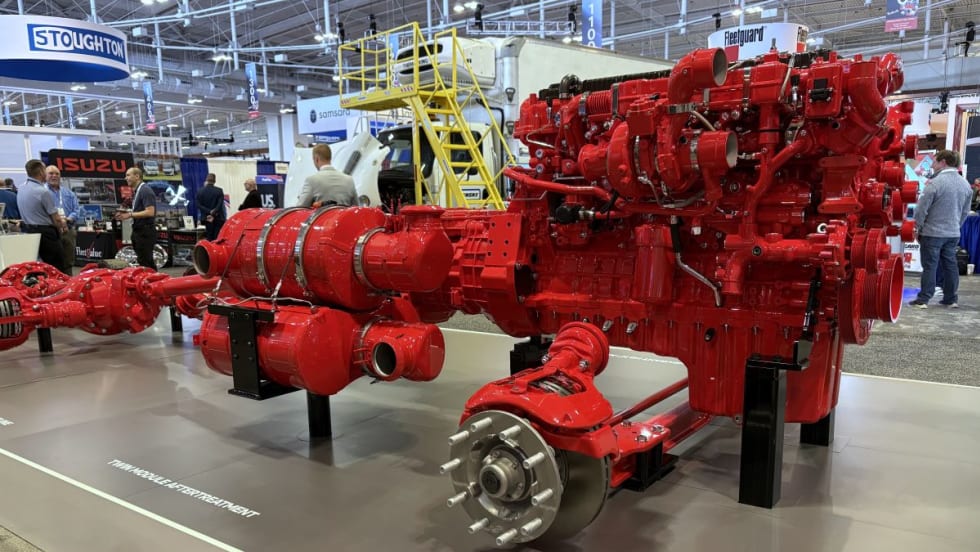
Cummins Adjusts 2027 Engine Rollout After EPA Proposal
The engine maker will gradually introduce its new Model Year 2027 diesel engines while continuing to offer current models during the transition, citing the EPA's proposed emissions rule changes.
Read More →
EPA Proposal Could Ease 2027 Truck Costs and Buying Uncertainty
The proposal doesn't change the tougher NOx standard, but it would revise key implementation requirements that manufacturers say have driven up costs and complicated fleet purchasing decisions.
Read More →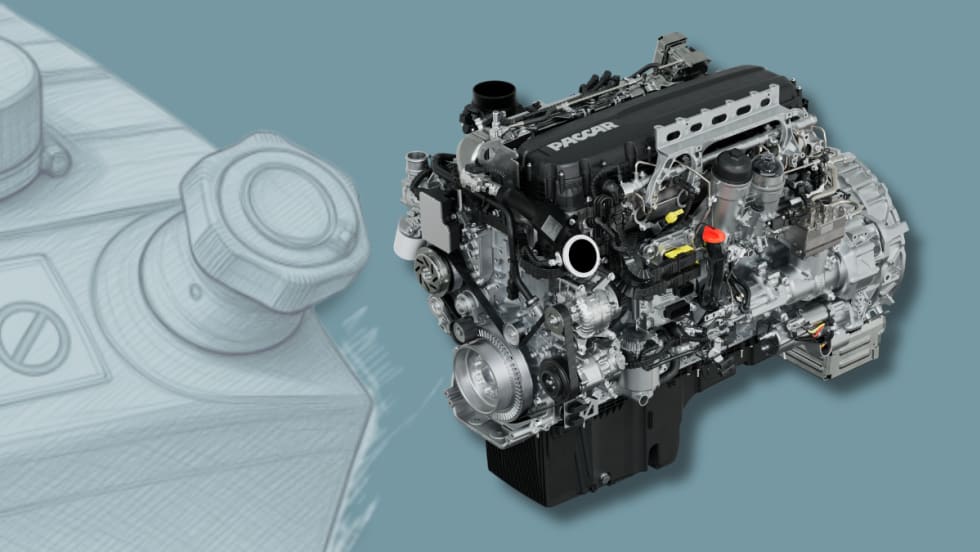
Cummins, Paccar Ease DEF Derates After EPA Guidance
Updated diesel engine software gives truck operators more time to address emissions-system issues while staying compliant with EPA emissions standards.
Read More →
Maintenance in the Messy Middle Part 3: Biodiesel
Biodiesel can reduce emissions, improve fuel-system lubricity and use existing diesel infrastructure. But NACFE’s Messy Middle maintenance report says fleets must actively manage storage, cold-weather operation, filters and oil drain intervals to avoid problems.
Read More →