




Economic Watch: GDP Jumps in Second Quarter, First Quarter Revised Upward
The first reading on how well the American economy performed in the second quarter of the year shows it accelerated well ahead of the first quarter pace, according to the U.S. Commerce Department.


The first reading on how well the American economy performed in the second quarter of the year shows it accelerated well ahead of the first quarter pace, according to the U.S. Commerce Department.
The gross domestic product, which measures the total output of goods and services, expanded at a 2.3% annual rate in the second quarter, its best showing since a 5% pace in the third quarter of last year.
Despite the improvement, it was a little below the 2.5% rate from a consensus forecast of economists polled by Bloomberg. Also, despite the first quarter’s upward revision from a decline of 0.2% annually to an increase of 0.6% per year, this still resulted in an average quarterly growth rate 1.5% of in the first half of the year, the weakest first half since 2011.
The latest figures reflects positive contributions from personal consumption expenditures, exports, state and local government spending, and residential fixed investment that were partly offset by negative contributions from federal government spending, private inventory investment, and nonresidential fixed investment. Imports, which are a subtraction in the calculation of GDP, increased.
Personal spending, which is estimated to account for about two-thirds of total economic activity, increased in the second quarter at an annual rate of 2.9%, better than the 1.8% pace in the first quarter of the year.
“The most concerning factor in the morning’s report was not necessarily the modest headline increase, but the lack of widespread support for growth in the second quarter,” said Lindsey Piegza, chief economist at Stifel Fixed Income. “Personal spending accounted for two percentage points of the 2.3% headline increase. Spending, however, needs to be supported by other areas of activity in the economy, particularly business development and job creation. At this point, however, business development and expansion remains markedly weak.”
She said without widespread improvement in business activity, there is very little to suggest stability, let alone momentum in the economy, as we look further into the second half of the year.
“From the Federal Reserve’s point of view, this morning’s second quarter GDP report supports policy official’s assessment of a ‘modest’ economy with a disappointingly ‘slow’ rate of growth in businesses investment,” Piegza said. “Hardly a game changer to increase the Fed’s confidence in the economy’s growth profile, a subdued, modest pace of expansion following minimal growth in first quarter that continues to keep the Fed looking for at least some further improvement."
Federal Reserve Chairman Janet Yellen has indicated the central bank is moving closer to increasing short term interest rates later this year.
In the meantime, this latest GDP estimate will be followed by one in about a month along with one in late September as more data becomes available.
More Fleet Management

How Innovative Trucking Leaders Turn Change Into an Advantage
As the pace of change accelerates in trucking, the fleets that adapt best have more than the latest technology. They have cultures that embrace improvement.
Read More →
Freight Broker Bonds Just Got Harder to Get. Here's What That Means for Your Fleet.
When it gets harder for a freight broker to prove they are financially sound, the ones who cannot clear that bar get pushed out of the market. And those are exactly the brokers who used to leave motor carriers holding the bag.
Read More →
Long-Awaited Canadian Border Bridge to Open in Detroit
For trucking, the bridge opening should offer immediate improvements in efficiency and reliability, with new customs facilities, expanded inspection capacity, and direct freeway-to-freeway connections.
Read More →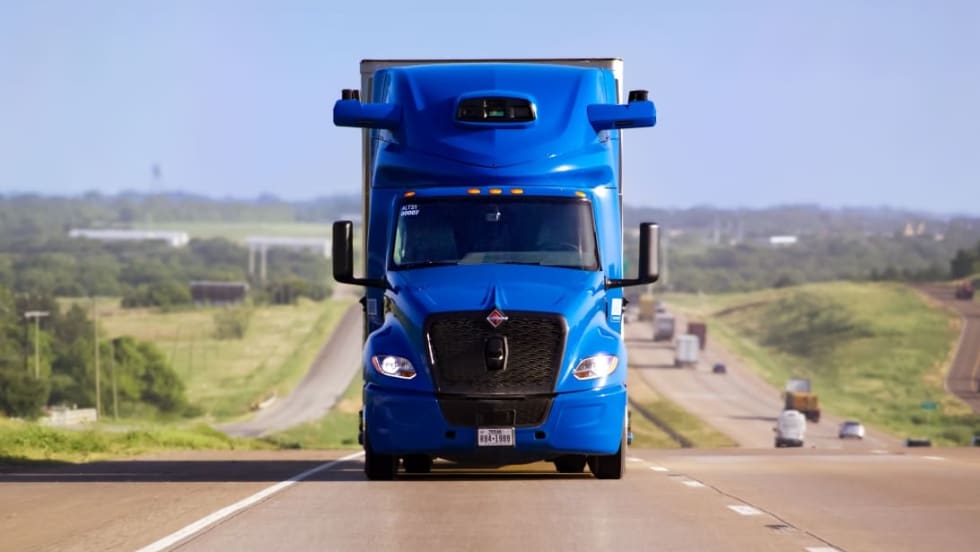
Aurora Rolls Out Next Generation of Driverless Trucks for Commercial Freight
Aurora's latest autonomous trucks it's rolling out with International feature lower-cost hardware designed for a million miles as the company expands commercial driverless freight operations across the U.S. Sun Belt.
Read More →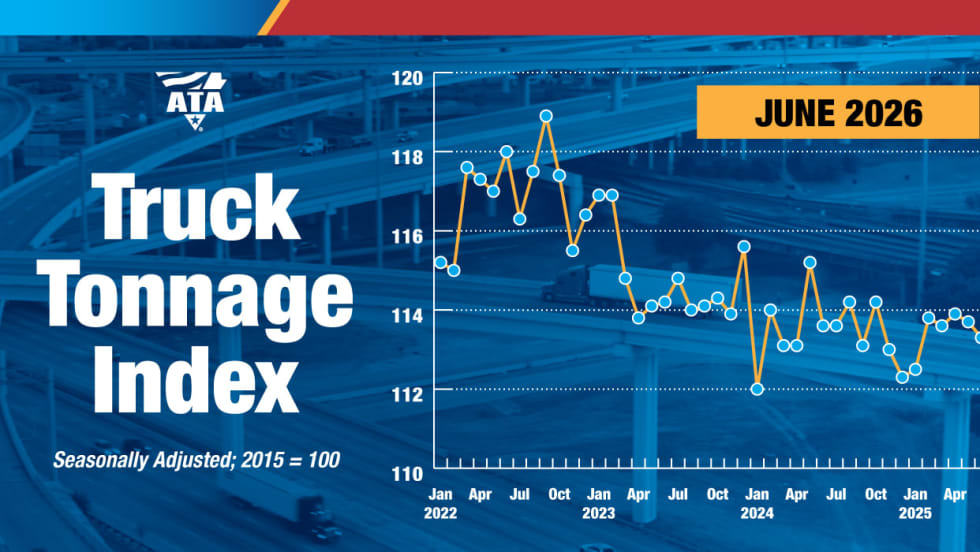
Freight Tonnage Down, Rates up, as Lower Capacity Powers Trucking Recovery
The recovery from the freight recession continues to be driven by reduction in capacity rather than by increased demand.
Read More →
Think Your Trucking Fleet Isn't Using Much AI? Think Again
Shadow AI — the use of unauthorized artificial intelligence tools at work — is becoming increasingly common, putting sensitive company data at risk. Learn how trucking fleets can protect sensitive data while embracing AI.
Read More →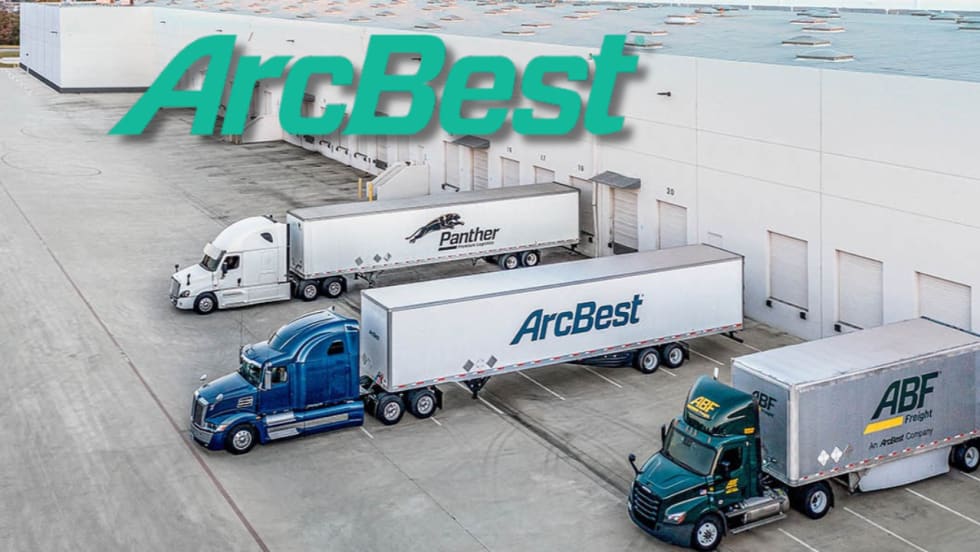
ArcBest Consolidates Brands, Cuts Workforce
The company will bring three business units under the ArcBest brand, eliminate about 2% of positions, and expects the changes to generate $40 million in annual savings.
Read More →
Trucking Fleets Faced Record Operating Costs During Third Year of Freight Recession
ATRI's annual operational cost report shows carriers trimmed fleets, delayed equipment purchases, and ran older trucks as expenses continued to outpace freight rates.
Read More →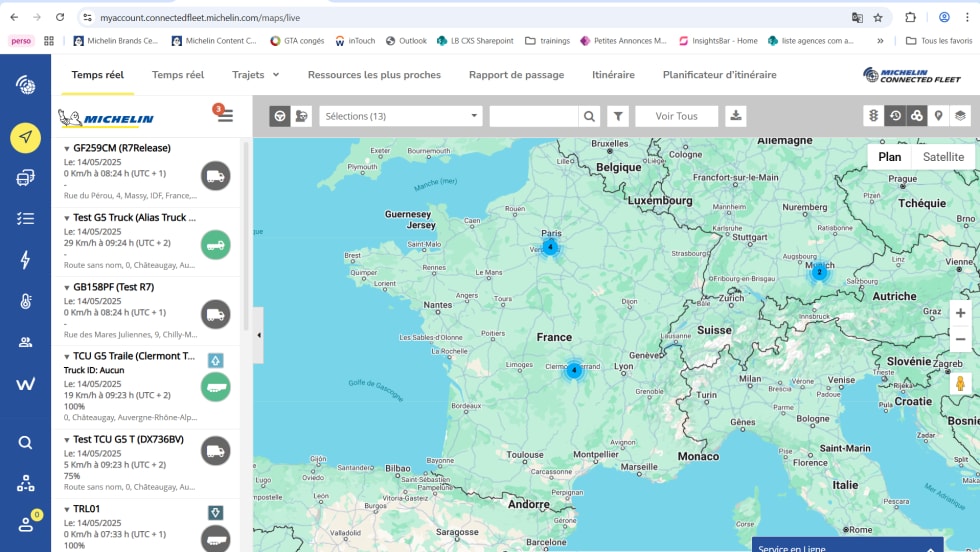
Michelin Adds AI Assistant to MyConnectedFleet Platform
Michelin’s new generative AI tool delivers instant fleet insights, helping managers analyze fuel use, tire maintenance, vehicle status, and operational performance without manually creating reports.
Read More →
LytxOne Platform Now Features AI, Compliance, and Asset Tracking Tools
New enhancements add AI-powered insights, asset tracking, compliance automation, and configurable privacy controls to Lytx's all-in-one fleet management platform.
Read More →