Heavy Duty Trucking Logo
MenuMENU
SearchSEARCH

DTNA Software Update Gives Truckers More Time Before DEF Derates Take Effect

The changes reflect EPA guidance aimed at reducing downtime caused by emissions-system faults while maintaining compliance requirements.

Deborah Lockridge
Deborah LockridgeEditor and Associate Publisher
Read Deborah's Posts
June 18, 2026
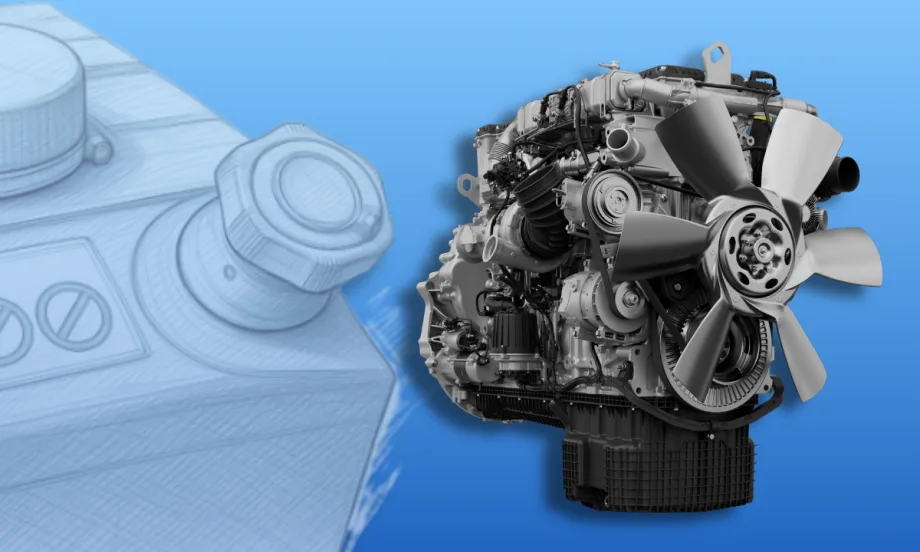
Illustration of Detroit engine with sketch of DEF tank in background.

The revised inducement strategy gives operators greater flexibility to schedule repairs without immediately sidelining equipment.

Credit:

HDT Graphic/DTNA

3 min to read


Daimler Truck North America is updating emissions software on about 330,000 Detroit-powered trucks, giving fleets more time to address diesel exhaust fluid system faults before severe derates take effect.

The updated software, already being shipped on DTNA’s latest Detroit-equipped Freightliner and Western Star vehicles, reflects the Environmental Protection Agency’s revised guidance on diesel exhaust fluid inducements.

Ad Loading...

The company began rolling out the software to approximately 330,000 in-service vehicles in February, covering DD15 engines (model years 2021-2025) and DD13 engines (model years 2022-2025). These updates will continue throughout 2026.

What are DEF Inducements?

DEF is used in selective catalytic reduction technology to convert nitrogen oxides (NOx) into nitrogen and water for compliance with EPA emissions standards.

"Inducements" are built-in safeguards on trucks to help ensure emissions systems work properly.

Ad Loading...

They reduce vehicle speed and power when issues are detected, such as low DEF levels or reduced performance of the selective catalytic reduction system. 

This slowdown “induces” the driver to correct the issue. It may be as simple as refilling the DEF tank or performing a regeneration cycle, or it may require repairing faulty sensors or components.

But those “derates,” as they are often called, have been a headache for trucking and agriculture users of diesel-powered equipment.

For instance, problems with DEF sensors that trigger a derate even when the DEF tank is full have been a common complaint among trucking companies.

What Did the EPA Do to Address DEF Inducements?

Last August, the EPA announced new guidance for manufacturers to increase the time truckers have to refill the DEF tank or make repairs.

Ad Loading...

After a fault is detected, only a warning light will appear for 650 miles or 10 hours, so there’s no performance impact for at least one workday. 

At that point, under the EPA guidance, the engine derates by 15%, but does not limit speed, allowing trucks to operate normally for up to 4,200 miles or about two work weeks.

Only after 10,500 miles, or about four work weeks, will the vehicle see a speed de-rate down to 25 mph, where it will remain until repaired. That previously was set at 5 mph.

EPA also announced that starting with model year 2027, all new diesel on-road trucks must be engineered to avoid sudden and severe power loss after running out of DEF.

To address the problem for vehicles already in use, EPA’s guidance allowed necessary software changes to be made to the existing fleet.

Ad Loading...

This Doesn’t Mean Emissions Compliance is Optional

DTNA stressed that emissions compliance remains mandatory.

Vehicles must still be repaired to ensure environmental standards are met. The logic for triggering final inducements related to the DEF tank level remains unchanged.

DTNA said in a news release that these updates are designed to improve reliability and reduce unplanned downtime, giving operators more flexibility to address issues without unnecessary disruption to their operations.

The company has also informed its dealer network to ensure consistent implementation and support across its service network.


Why Did the EPA Include Inducements in its NOx Regulations?

As HDT reported in 2010, when European truck makers started using selective catalytic reduction to meet Euro V emissions regulations limiting NOx (nitrogen oxides), there was a problem.

Trucks were running with water in their diesel exhaust fluid tanks, because there was no anti-cheating strategy — or inducement — to keep the DEF tank filled.

Running without the fluid meant engines were running at orders of magnitude above the NOx limits.

The EPA, aware of this shortcoming, required OEMs using SCR to have strategies to induce operators to keep DEF on board and the aftertreatment system working properly.

Quick Answers

The DTNA software update aims to provide truck fleets with more time to address diesel exhaust fluid system faults before severe derates take effect, aligning with the EPA's revised guidance.

*Summarized by AI

Ad Loading...

More Equipment

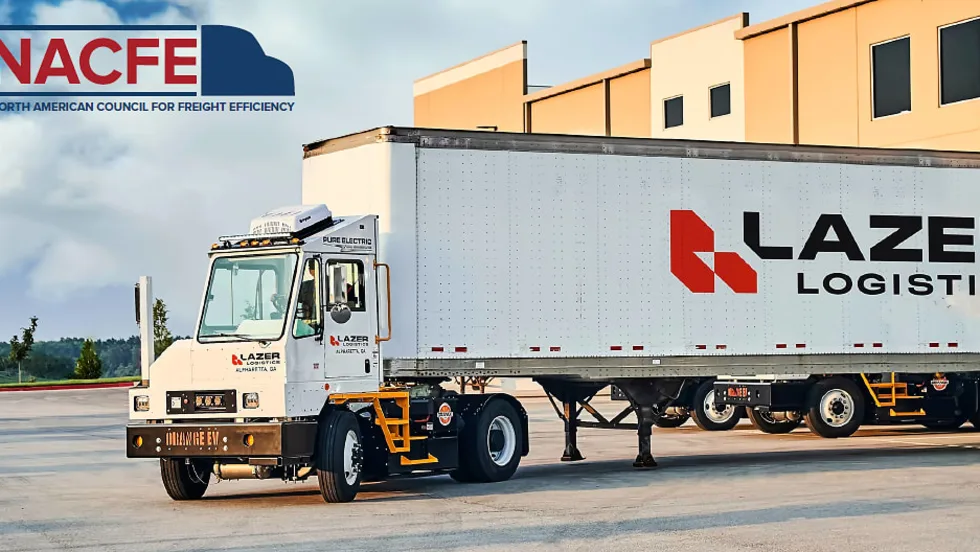
Photo of electric OrangeEV terminal tractor with a Lazer Logistics trailer
Equipment•by Staff•October 6, 2026

Electric Yard Tractors Move Beyond Pilots

Operating-cost savings have overtaken sustainability goals as the leading reason surveyed fleets are adopting battery-electric terminal tractors, according to new NACFE research.

Read More →
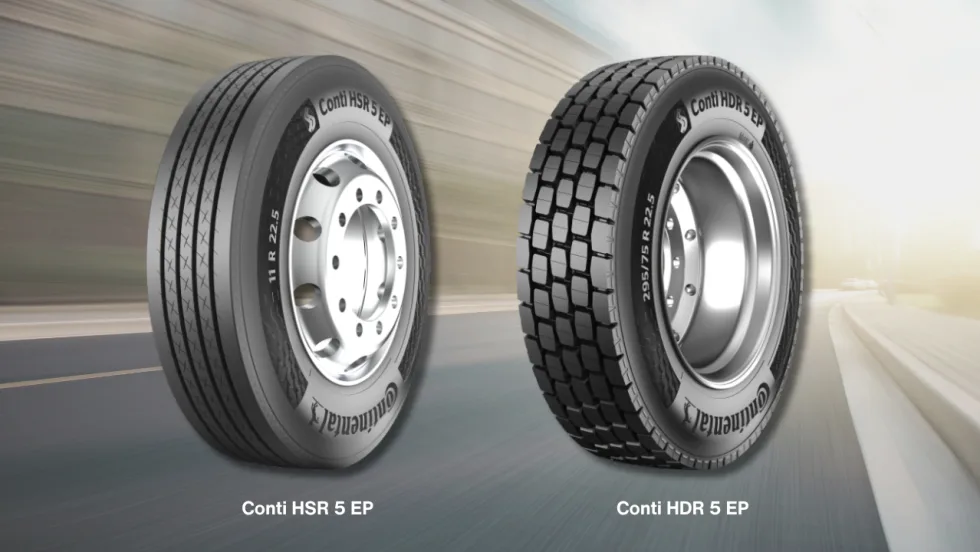
Two truck tires with a muted highway background
Maintenance•by News/Media Release•October 2, 2026

Continental Introduces New Regional Truck Tires

Continental says its new Generation 5 steer and drive tires for regional operations offer longer tread life, with estimated mileage gains of 22% and 19%, respectively.

Read More →
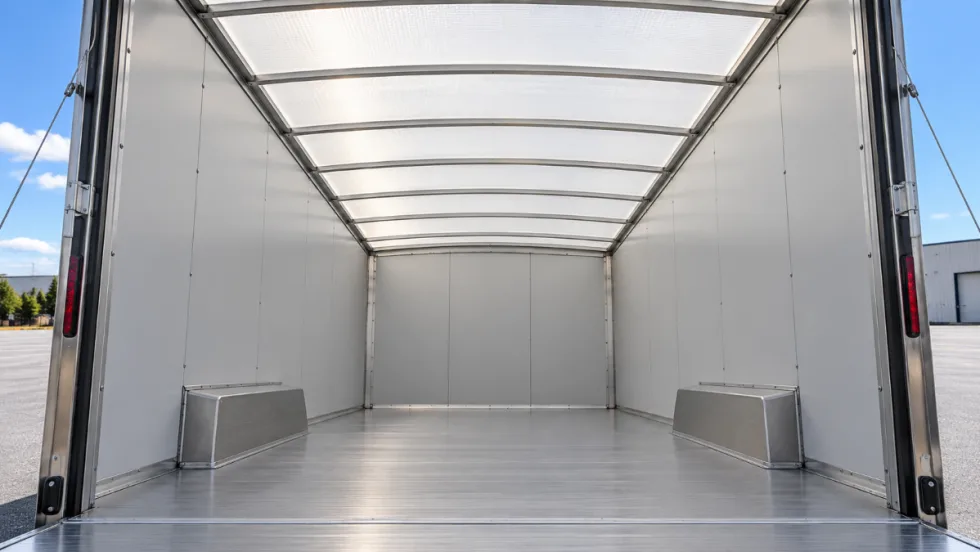
Interior of freight cargo trailer or body with translucent roof letting in daylight
Equipment•by News/Media Release•October 1, 2026

Tekmodo Introduces CargoBright Brand for Translucent Trailer Roofs

CargoBright is designed to diffuse daylight across the cargo area while performing as a working vehicle roof.

Read More →
Ad Loading...
White Tesla Semi electric truck on display on a show floor
Equipment•by Staff•September 30, 2026

Fleet Economics Shape Electric Truck Outlook

ACT Research expects costs, charging infrastructure, and technology improvements to drive zero-emission commercial vehicle adoption as federal regulations and incentives retreat.

Read More →
Red highway tractor pulling white trailer with red logo identifying Kodiak.
Equipment•by News/Media Release•September 28, 2026

Kodiak Targets Dallas–Houston for Driverless Trucks

The company says its autonomous trucks are completing the I-45 run without a safety observer taking control. It plans to remove the observer by the end of 2026.

Read More →
Red kodiak autonomous truck with trailer driving through Fresno arch
Equipment•by News/Media Release•September 25, 2026

Kodiak Hauls Produce in California Autonomous Truck Pilot

Kodiak AI and DTL Transport have begun hauling produce between Fresno and Los Angeles under California’s new rules for testing heavy-duty autonomous trucks. A safety driver remains behind the wheel.

Read More →
Ad Loading...
Illustration of a Freightliner used truck emerging from a SelecTrucks shop, with graphics saying "For Sale" and colorful cubes with math symbols
Equipment•by Lauren Fletcher•September 22, 2026

Used-Truck Remarketing Math Is Changing

Used-truck value is no longer just a concern at trade-in. Decisions made throughout a truck’s first life can influence what it’s worth years later.

Read More →
Video still of Volvo's Duane Tegels explaining the Volvo D13 diesel engine for EPA 2027 emissions
Equipment•by Deborah Lockridge•September 16, 2026

How Volvo Updated Its D13 for EPA 2027 [Watch]

Volvo’s updated D13 promises lower emissions without sacrificing performance or fuel economy. Take a closer look at what changed inside the engine in this HDT Spotlight video.

Read More →
Photo of new Michelin drive tire
Equipment•by News/Media Release•September 15, 2026

Michelin Tire Improves Efficiency and Durability for Regional Fleets

The Michelin X Multi Energy D2 is a regional haul drive tire engineered to help fleets improve fuel efficiency, durability and traction in demanding stop-and-go operations.

Read More →
Ad Loading...
Presentation slide showing ZF's North American market growth
Equipment•by Deborah Lockridge•September 10, 2026

ZF Expands Commercial Vehicle Push in North America

ZF is expanding its North American commercial-vehicle presence with new transmission applications, electrification, trailer technology and autonomous-driving systems.

Read More →